




SLAC topics

X-ray light sources and electron imaging RSS feed

X-ray light sources and electron imaging are advanced techniques used to study the structure and properties of materials. X-ray light sources use high-energy photons to produce X-rays, while electron imaging uses high-energy electrons to produce detailed images of samples. 

Browse tagged content

Aerial view of SLAC
Feature

SLAC's Siegfried Glenzer has been selected to receive an Ernest Orlando Lawrence Award, presented by the U.S. Secretary of Energy to honor scientists across...

Photo - Siegfried Glenzer
Feature

A new theory and computer simulation by SLAC and Stanford researchers rule out high-energy magnetic interactions as a major factor in making copper oxide...

Photo - Researchers at SLAC
Feature

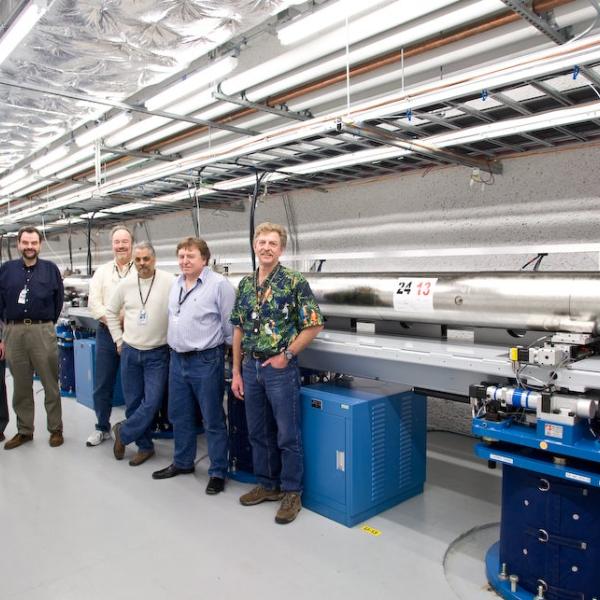
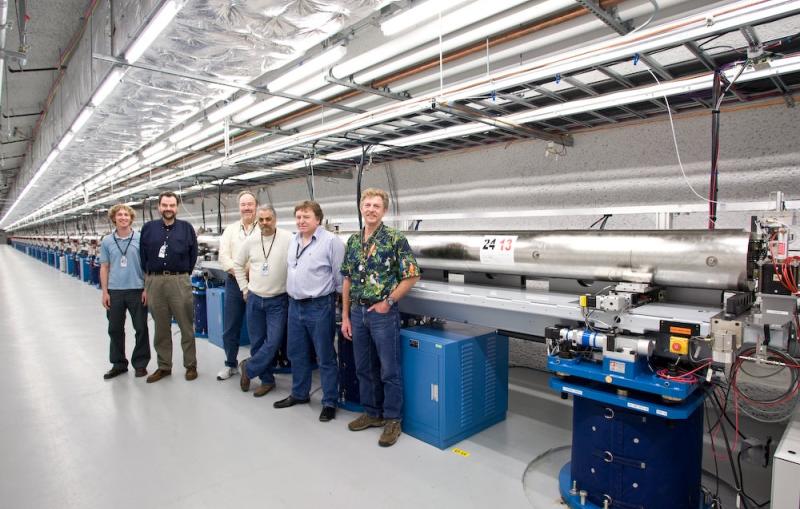
Five years ago, the brightest source of X-rays on the planet lit up at SLAC. The Linac Coherent Light Source (LCLS) X-ray laser's scientific...

Image - Some of the LCLS team members stand by the newly installed undulators in this 2009 photo. From right: Mike Zurawel, Geoff Pile from Argonne National Laboratory, Paul Emma, Dave Schultz, Heinz-Dieter Nuhn and Don Schafer. (Brad Plummer)
Feature

SLAC researchers have found a new way to transform graphite into diamond. The approach may have implications for industrial applications ranging from cutting tools...

News Release

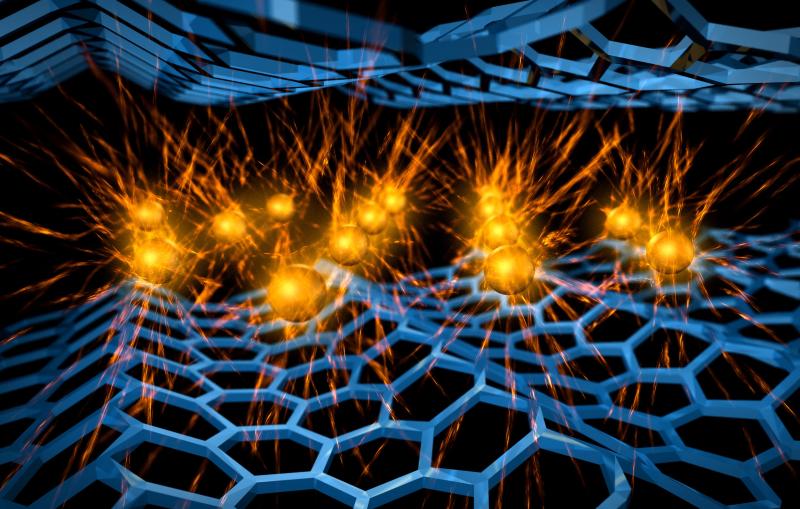
Scientists have discovered a potential way to make graphene – a single layer of carbon atoms with great promise for future electronics – superconducting...

Superconducting Graphene Layers
Feature

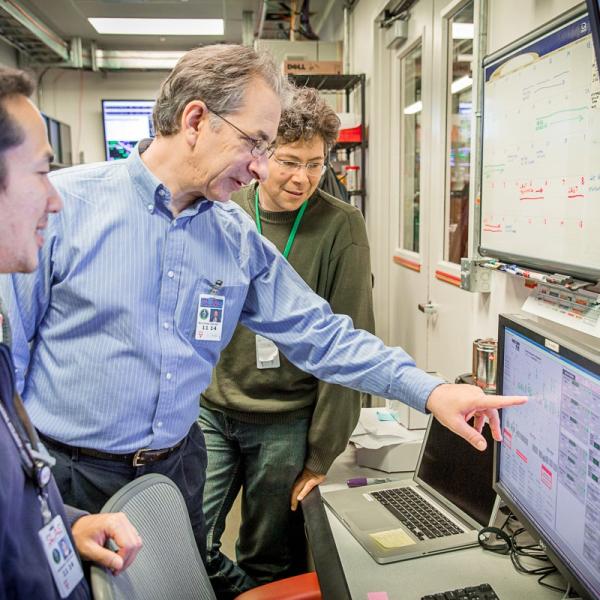
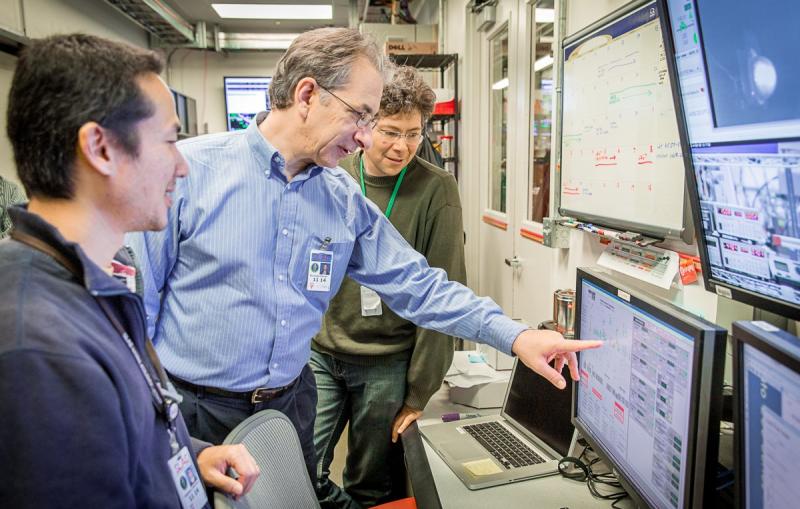
A new tool for analyzing mountains of data from SLAC’s Linac Coherent Lightsource (LCLS) X-ray laser can produce high-quality images of important proteins using...

Photo - Nicholas Sauter, middle, points to a monitor during an experiment this month at SLAC's Linac Coherent Light Source X-ray laser.
Feature

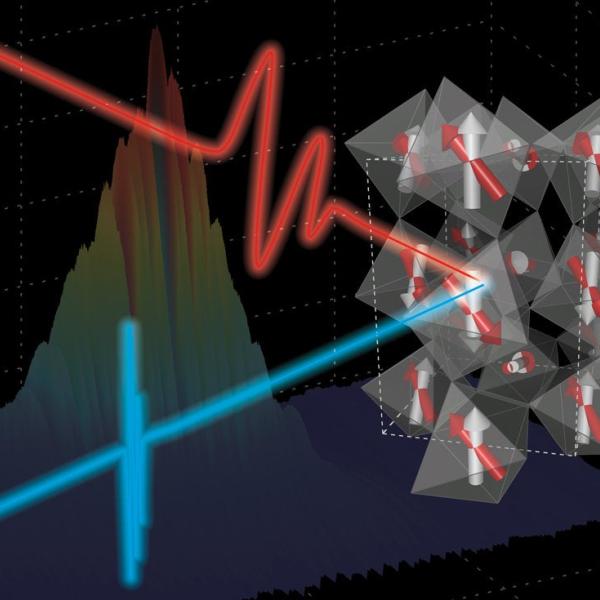
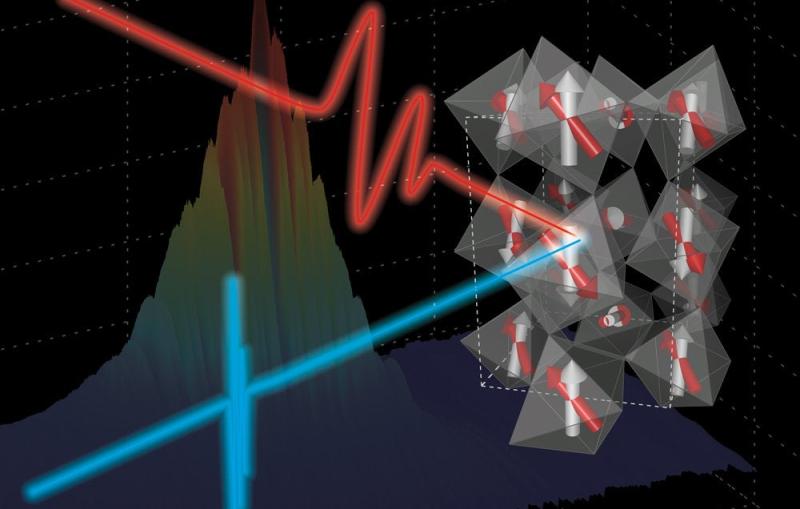
An experiment at SLAC’s X-ray laser has revealed the first atomic-scale details of a new technique that could point the way to faster data...

Image - A laser-driven electric pulse excites a magnetic response in a multiferroic material that is measured by SLAC's X-ray laser pulse (blue).
Feature

Growing up in China shortly after the Cultural Revolution, Zhirong Huang may have been the only middle-school child in Beijing who knew anything about...

Zhirong Huang, associate professor of physics
Feature

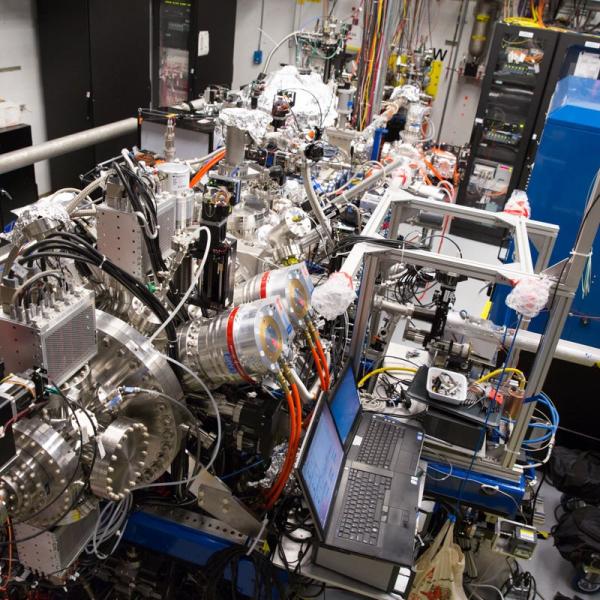
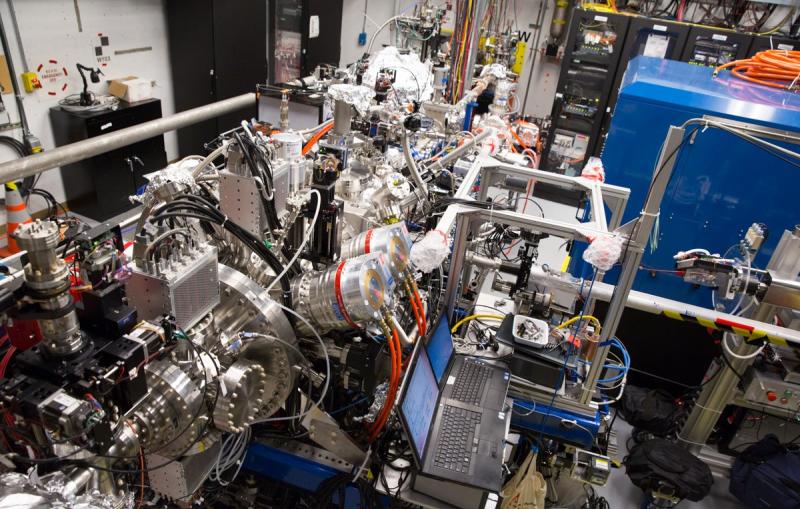
A 2-ton instrument the size of a compact car, now available at SLAC's X-ray laser, makes it possible to capture more detailed images of...

Photo - A view of the LAMP instrument at SLAC's Linac Coherent Light Source X-ray laser. (SLAC)
Feature

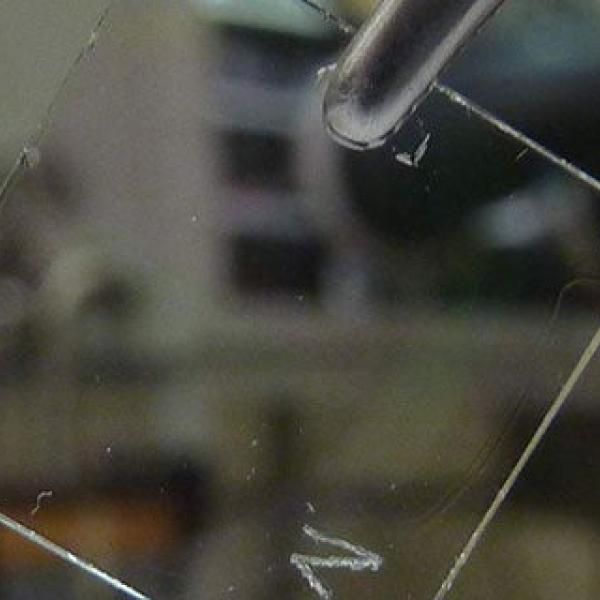
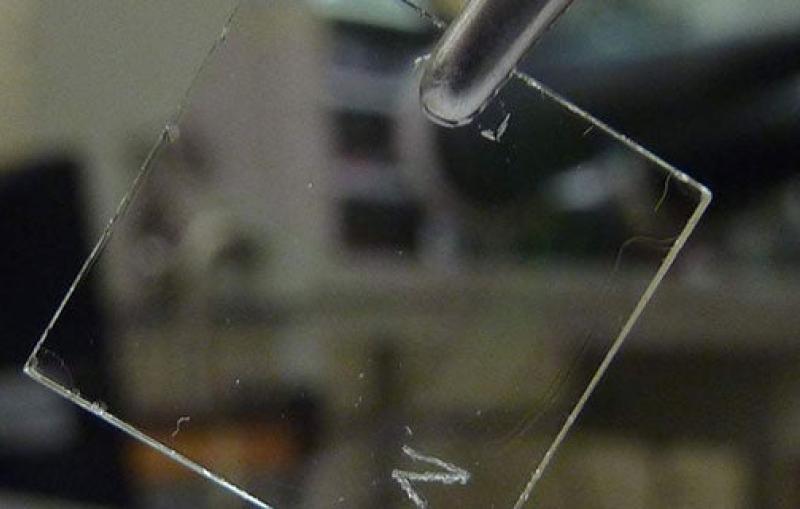
Teams from Stanford, SLAC and the University of Nebraska-Lincoln collaborate to make thin, transparent semiconductors that could become the foundation for cheap, high-performance displays.

See caption
Feature

A study with SLAC's X-ray laser is a key step toward producing movies that show how a single molecule changes during a chemical reaction

Image - Scientists at SLAC's Linac Coherent Light Source used an optical laser to orient molecules along a common axis, like a compass needle to a magnet, and then used X-ray laser pulses to explore structural details. (koocbor/Flickr: http://www.flickr.c
News Release

New Technology Allows Faster, More Accurate Imaging of Hard-to-study Membrane Proteins

Illustration - man with migraine, serotonin receptor bound to anti-migraine drug