



SLAC topics

X-ray light sources and electron imaging RSS feed

X-ray light sources and electron imaging are advanced techniques used to study the structure and properties of materials. X-ray light sources use high-energy photons to produce X-rays, while electron imaging uses high-energy electrons to produce detailed images of samples. 

Browse tagged content

Aerial view of SLAC
Feature

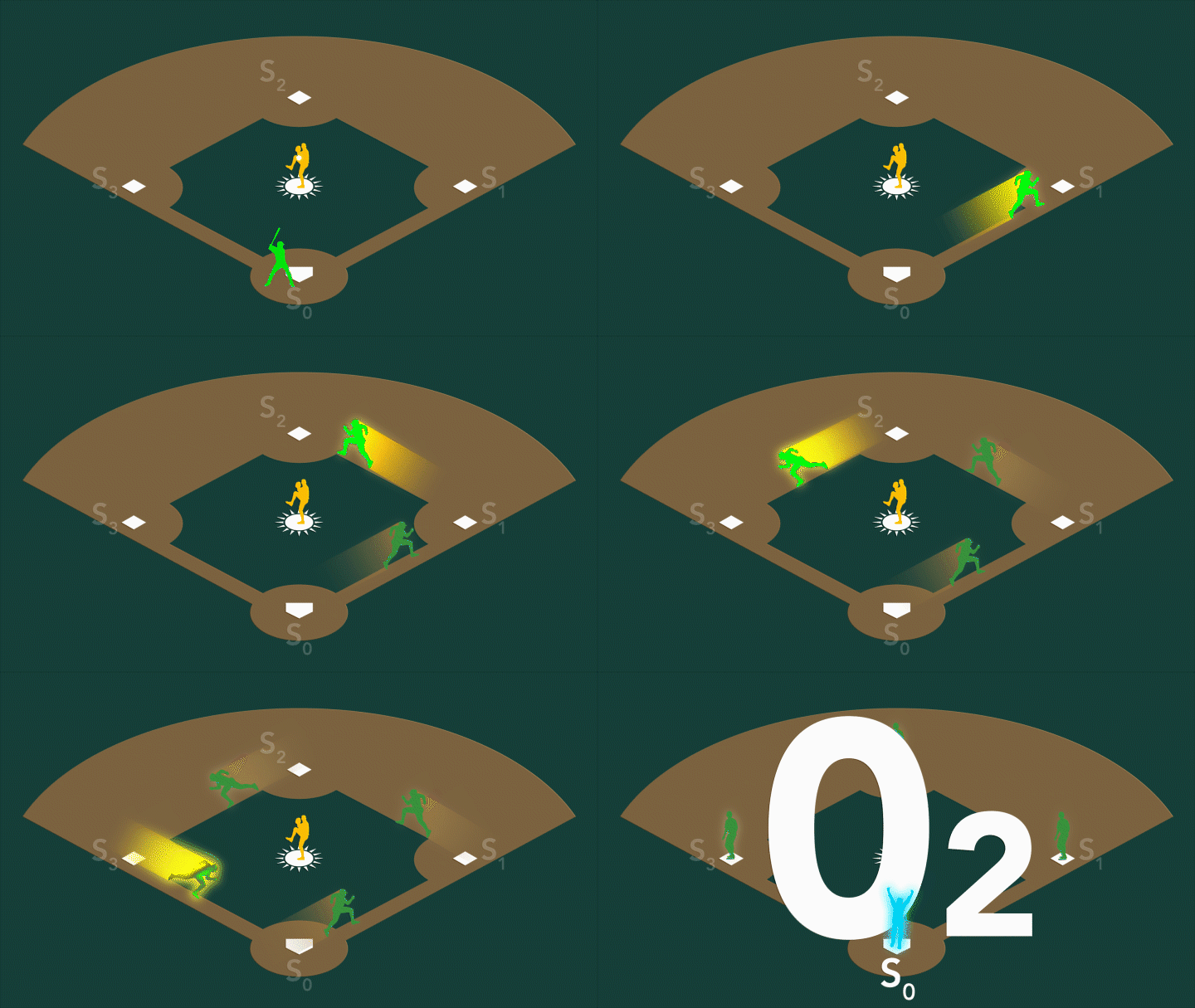
It combines human knowledge and expertise with the speed and efficiency of “smart” computer algorithms.

Accelerator Control Room
Feature

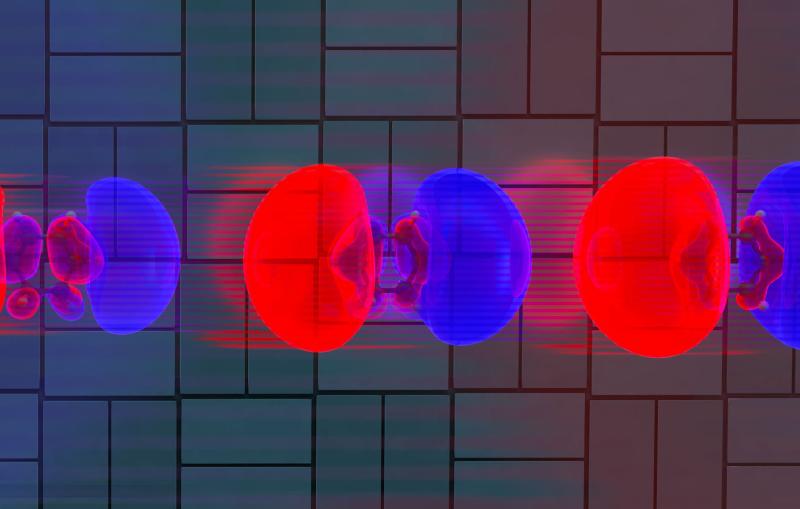
New research shows that when a bunch of electrons zooms through the middle of a ring-shaped laser beam, the bunch can wind up with...

donut laser
Feature

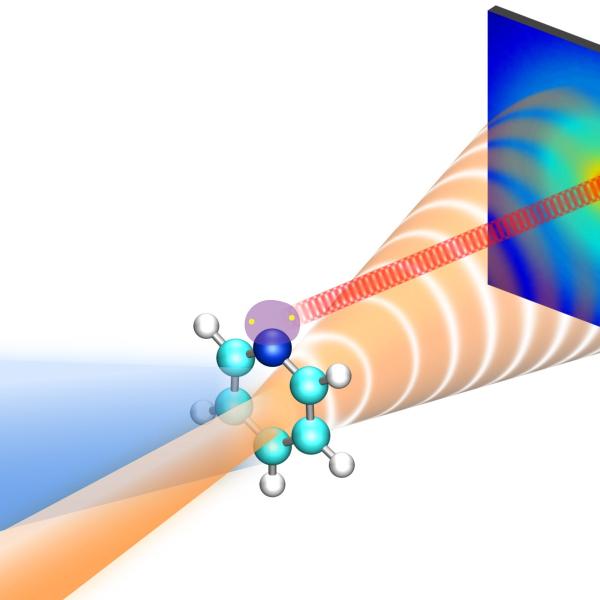
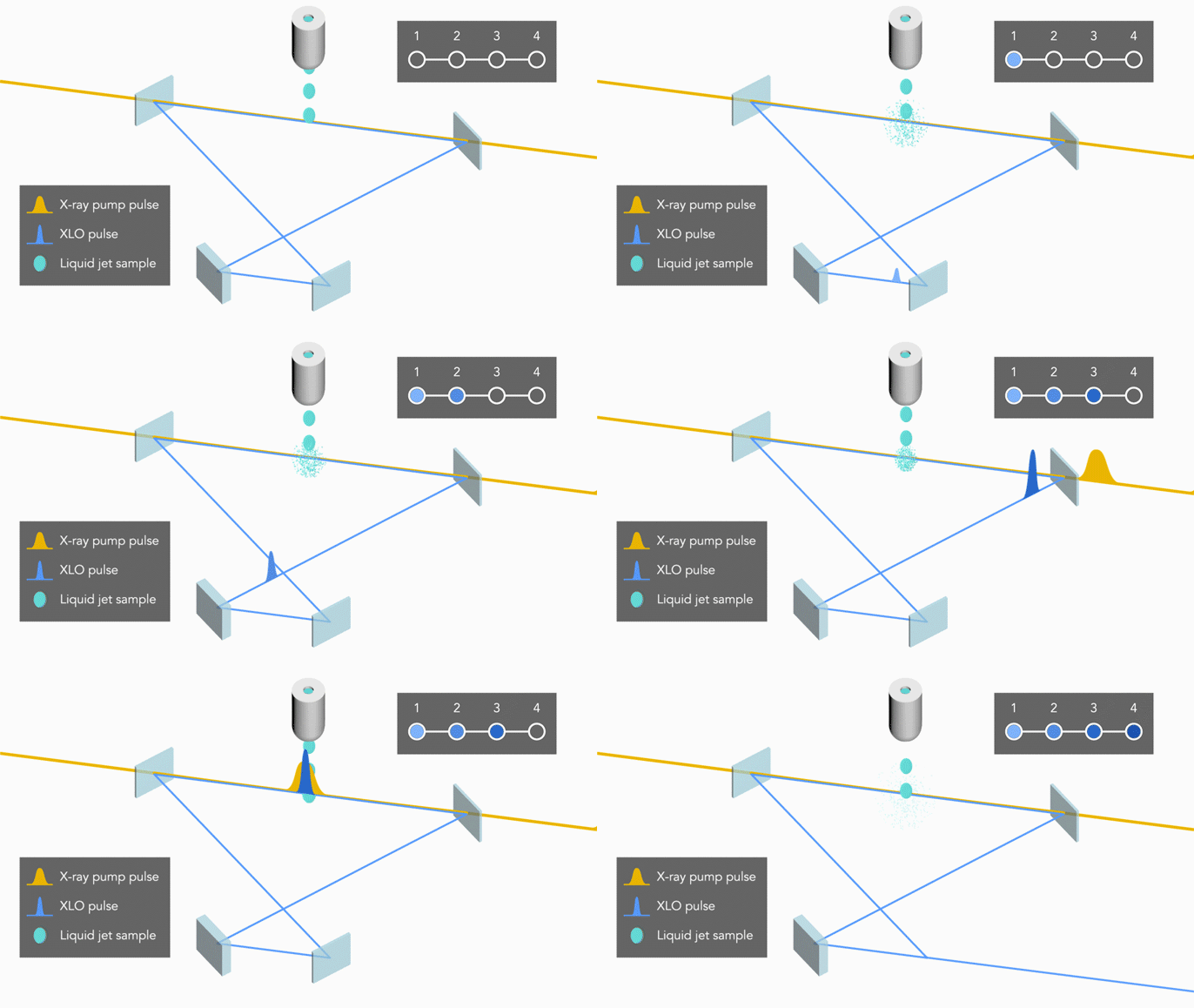
Researchers investigate how much damage spreads through molecules struck by a pulse from LCLS.

Two color mode
Feature

This new technology could enable future insights into chemical and biological processes that occur in solution, such as vision, catalysis and photosynthesis.

UED liquid
Feature

An LCLS imaging technique reveals how a mosquito-borne bacterium deploys a toxin to kill mosquito larvae. Scientists hope to harness it to fight disease.

A photograph of mosquito larvae.
Feature

A better understanding of this phenomenon, which is crucial to many processes that occur in biological systems and materials, could enable researchers to develop...

photoexcitation
News Brief

These inexpensive photosensitizers could make solar power and chemical manufacturing more efficient. Experiments at SLAC offer insight into how they work.

Illustration of carbene reaction pathways
Feature

In regions that lack the resources to treat the contaminated water, it can lead to disease, cancer, and even death.

Electrode tank
Feature

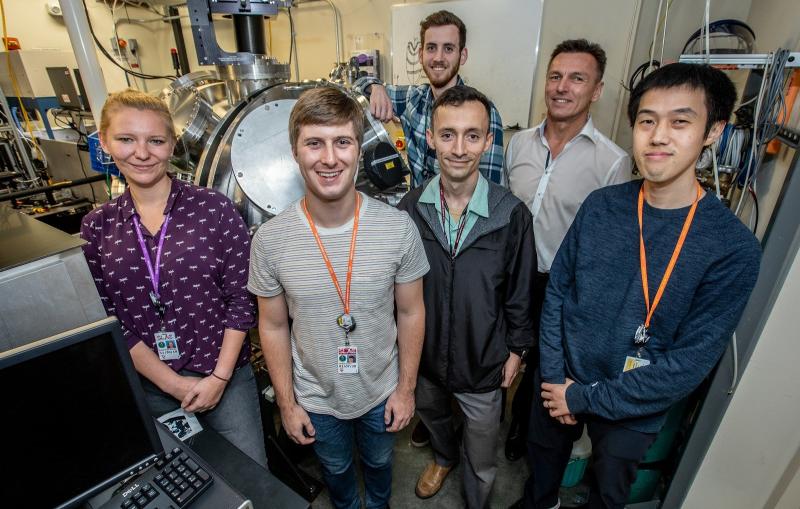
Siqi Li develops connections with people and concepts while working on new technologies for accelerators.

Siqi Li headshot
News Brief

Discovered at SLAC and Stanford, this new class of unconventional superconductors is starting to give up its secrets – including a surprising 3D metallic...

Graphic showing electronic structure of nickelate superconductor
Feature

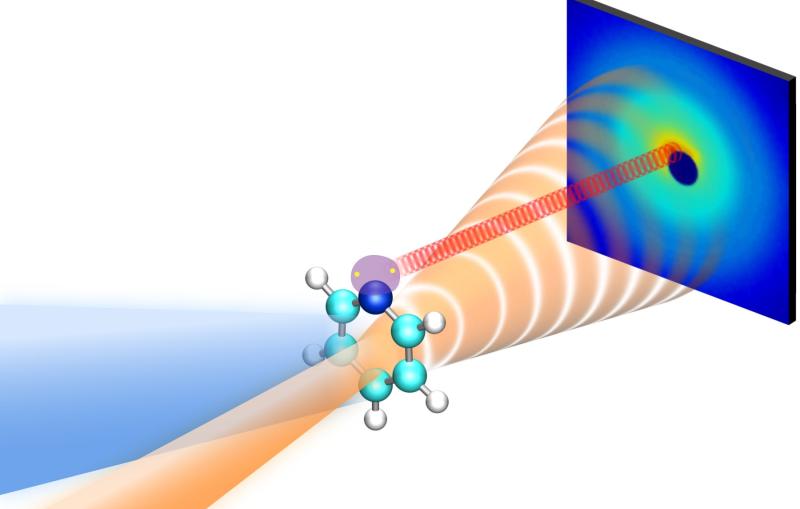
What they learned could lead to a better understanding of how ionizing radiation can damage material systems, including cells.

Radiolysis
News Brief

A new understanding of the nucleation process could shed light on how the shells help microbes interact with their environments, and help people design...

Illustration of tiles forming a microbial shell