
SLAC topics

X-ray light sources and electron imaging RSS feed

X-ray light sources and electron imaging are advanced techniques used to study the structure and properties of materials. X-ray light sources use high-energy photons to produce X-rays, while electron imaging uses high-energy electrons to produce detailed images of samples. 

Browse tagged content

Aerial view of SLAC
Feature

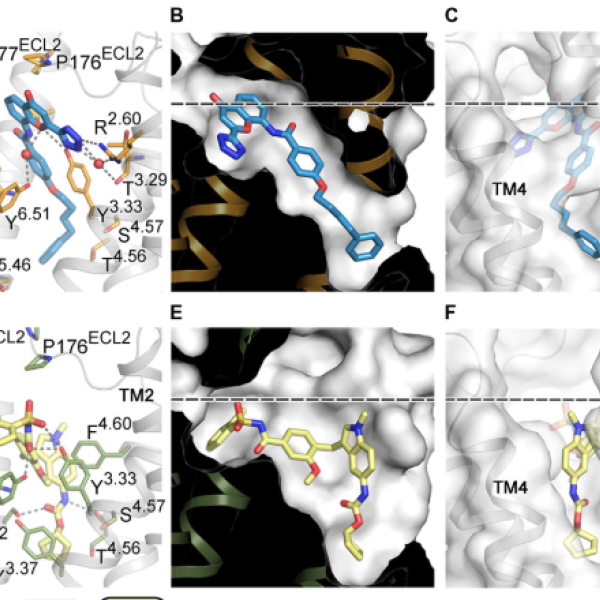
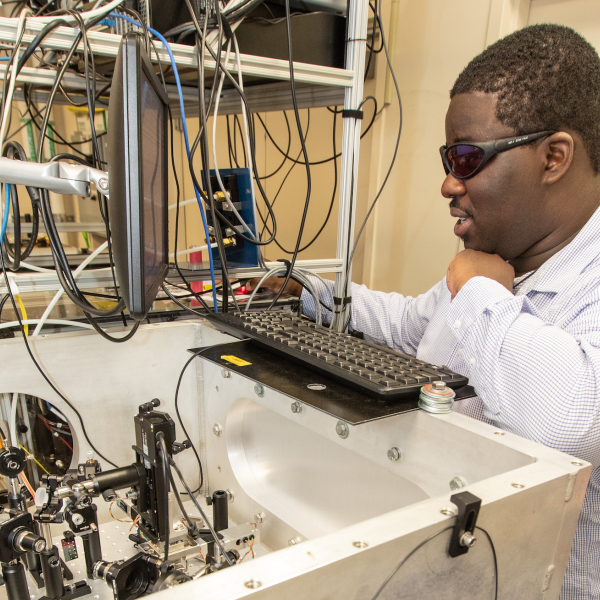
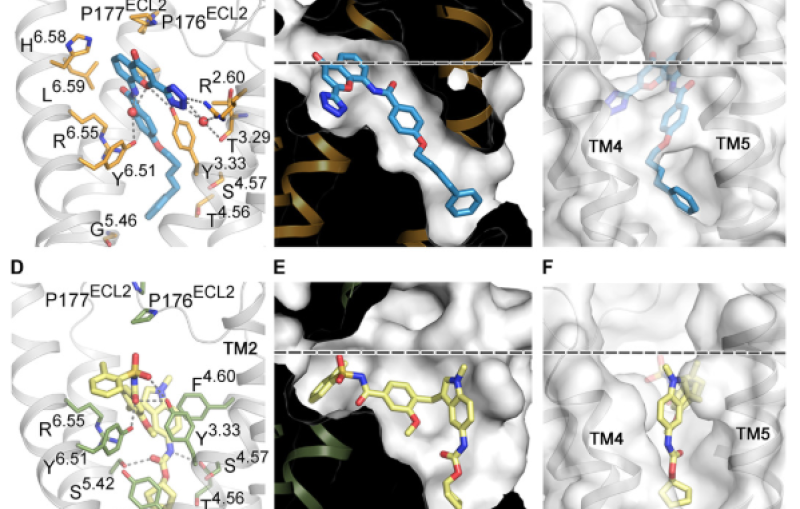
Using SLAC’s X-ray synchrotron SSRL, Wang improves fundamental knowledge about how cells communicate, which could enable the development of more effective drugs.

Xinru Wang
Feature

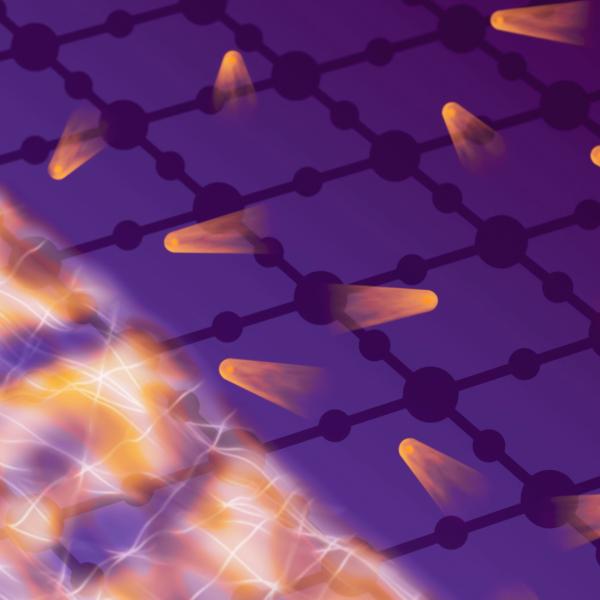
The studies could lead to a new understanding of how high-temperature superconductors operate.

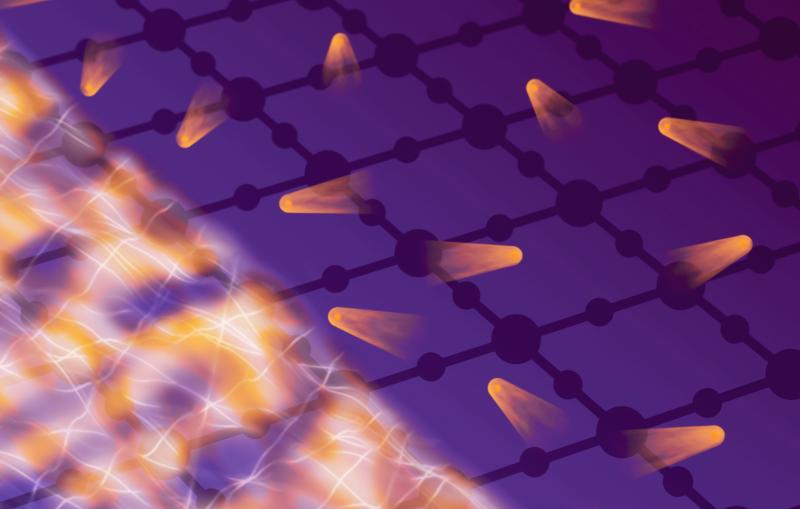
fluctuating charge stripes
Feature

The next revolutionary X-ray laser in a class of its own, LCLS-II, is under construction at SLAC, with support from four other DOE national...

Feature

A new way to arrange the hard-working atoms in this part of an exhaust system could lower the cost of curbing pollution from automotive...

Feature

The SLAC scientists will each receive $2.5 million for their research on fusion energy and advanced radiofrequency technology.

Gleason-Gamzina-ECA2019
Feature

This early-career scientist has undertaken challenging projects with significant implications for lithium-ion batteries.

Hans-Georg Steinrück
Feature

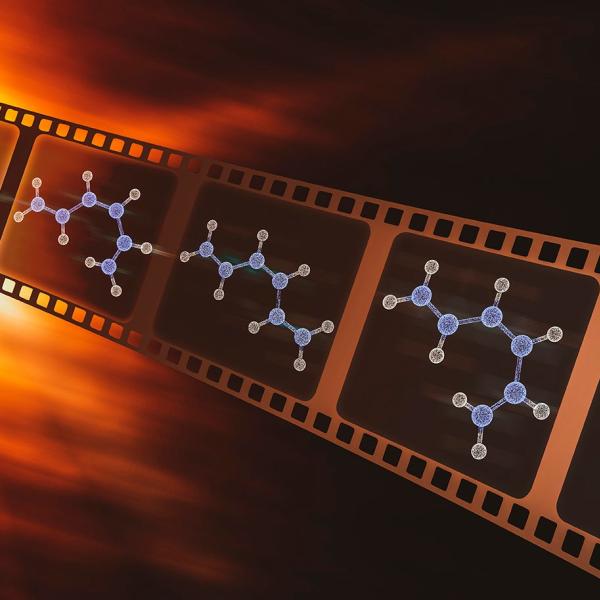
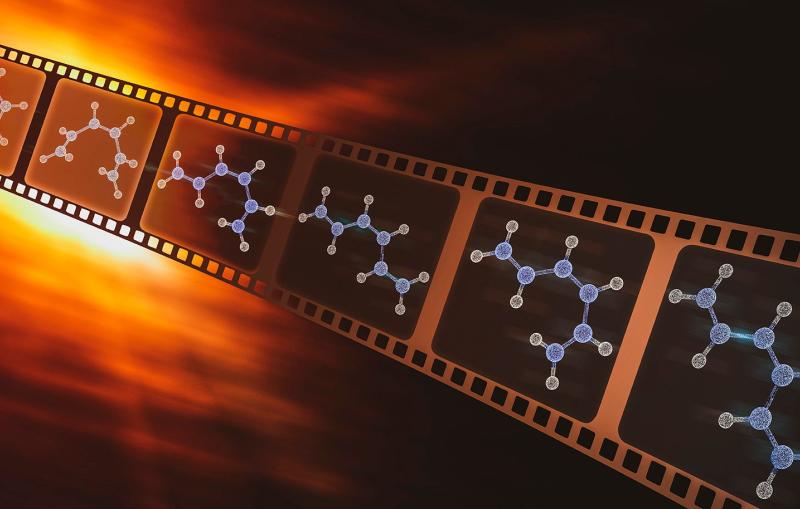
The technique can be used to study molecular phenomena and the forming and breaking of chemical bonds.

vibrating molecules
Feature

Combined with the lab’s LCLS X-ray laser, it’ll provide unprecedented atomic views of some of nature’s speediest processes.

Alex Reid, ultrafast electron diffraction (UED)
News Release

A new twist on cryo-EM imaging reveals what’s going on inside MOFs, highly porous nanoparticles with big potential for storing fuel, separating gases and...

Images of cryo-EM equipment, CO2 molecule in cage
Feature

Physicist Tor Raubenheimer explores the world by climbing rocks and designing particle accelerators.

Photo: Tor Raubenheimer, accelerator physicist
Feature

Experiments at SLAC’s X-ray laser reveal in atomic detail how two distinct liquid phases in these materials enable fast switching between glassy and crystalline...

Diagram of material switching between glassy and crystalline states
Feature

What they learned could help manufacturers design more reliable and longer-lasting batteries for smartphones and cars.

battery electrode damage