SLAC topics

Ultrafast science RSS feed

SLAC is the world’s leading center for developing “ultrafast” X-ray, laser and electron beams that allow us to see atoms and molecules moving in just millionths of a billionth of a second. We can even create stop-action movies of these tiny events.

Related Links:
DOE explains...Ultrafast science

Browse tagged content
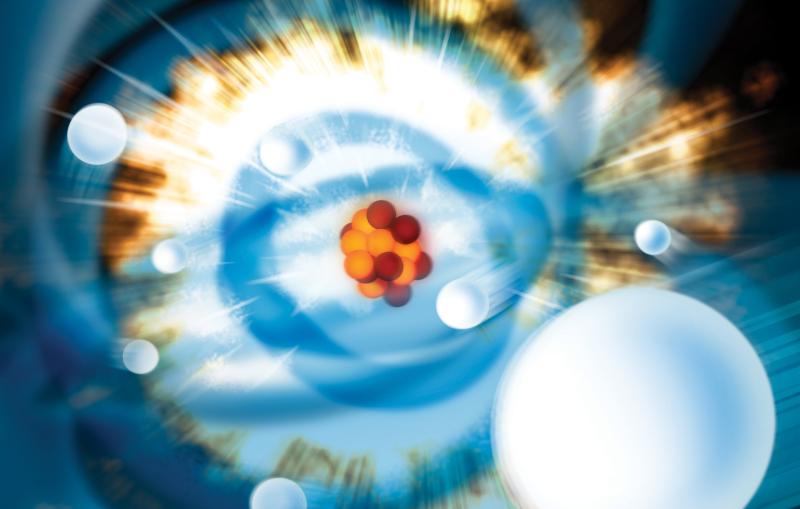
This illustration shows how the first experiment at SLAC's Linac Coherent Light Source X-ray laser stripped away electrons from neon atoms. (SLAC National Accelerator Laboratory)

Feature

New observations of the atomic structure of iron reveal it undergoes "twinning" under extreme stress and pressure.

illustration of a hammer hitting the Earth's iron core
Feature

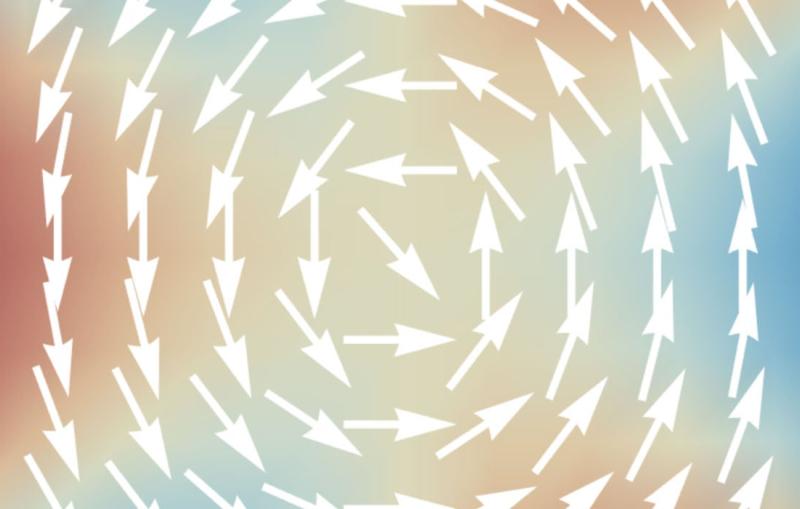
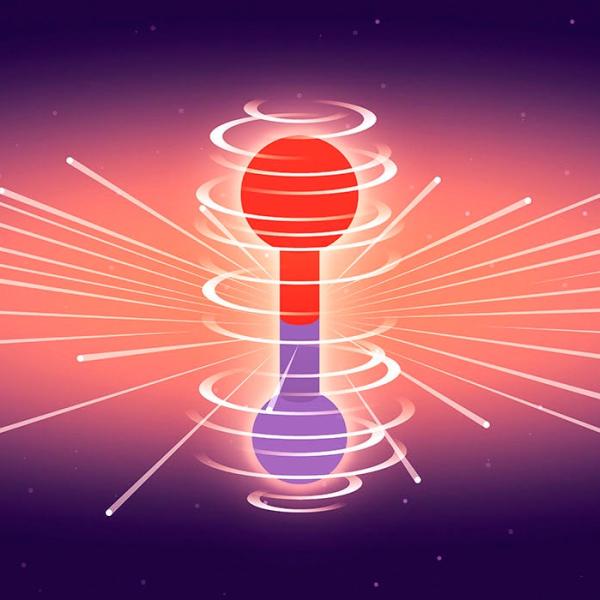
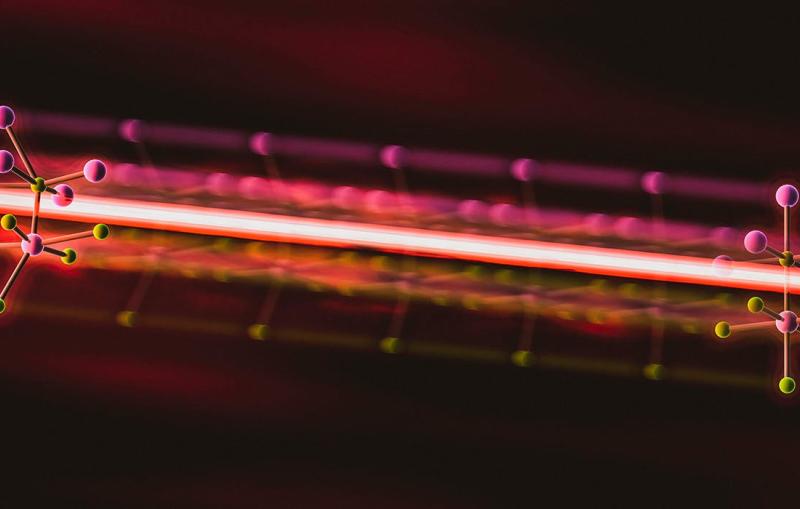
Topological insulators conduct electricity on their surfaces but not through their interiors. SLAC scientists discovered that high harmonic generation produces a unique signature from...

A counterclockwise pattern of swirling arrows This pattern of arrows representing the combined spin and momentum of electrons in the surface layer of a topological insulator
Feature

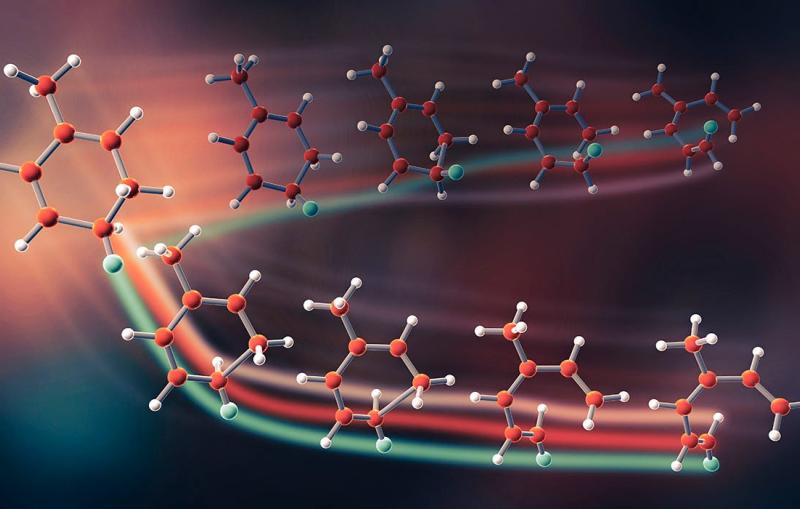
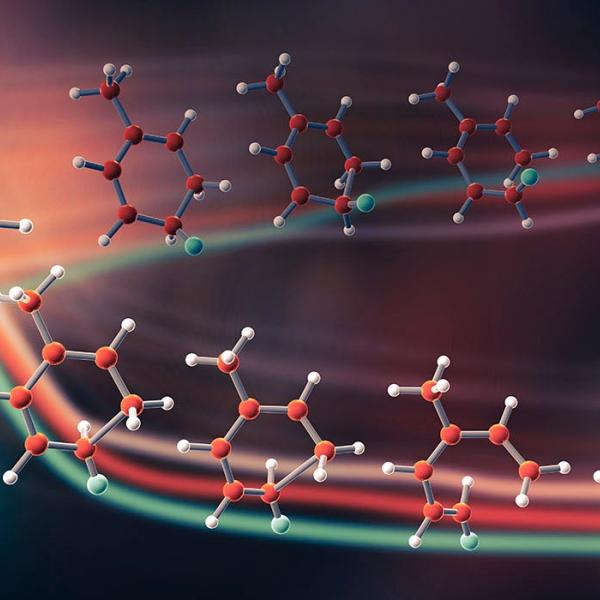
The results could lead to a better understanding of reactions with vital roles in chemistry and biology.

UED conformers
Feature

The early career award honors Sood for his research and leadership using the LCLS user facility at SLAC National Accelerator Laboratory.

Aditya Sood portrait
Feature

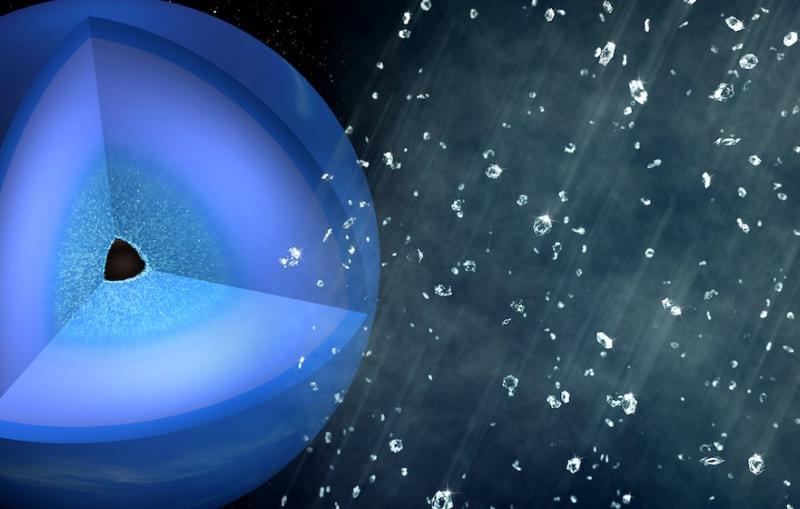
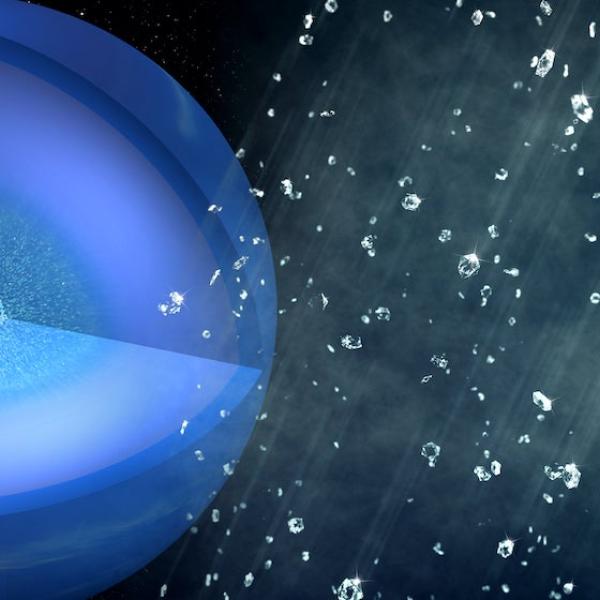
High-power lasers will work in concert with the lab’s X-ray laser to dramatically improve our understanding of matter in extreme conditions.

diamond rain
Feature

This is the first direct observation of a hydroxyl-hydronium complex – important for a wide range of chemical and biological processes from the tails...

ued ionized water
Feature

Three physicists talk about how they got started, their work at SLAC and what they would say to others considering a career in STEM.

Isleydys Silva Torrecilla, Emmanuel Aneke and Bhavna Nayak
News Release

The work sheds light on the web of hydrogen bonds that gives water its strange properties, which play a vital role in many chemical...

UED Water
Feature

The research could lead to a better understanding of extreme astrophysical environments and the development of compact high-energy radiation sources for science.

high-energy electrons strengthen magnetic fields
News Release

They discover a short-lived state that could lead to faster and more energy-efficient computing devices.

ultrafast switching
Feature

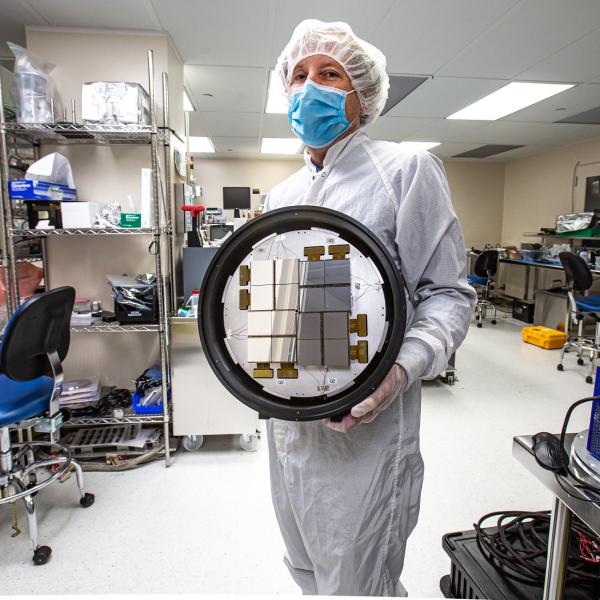
She toured the lab’s powerful X-ray laser, looked at the construction of the world’s largest digital camera, and discussed climate research, industries of the...

Secretary Granholm virtual visit
Feature

The Horizon Prizes celebrate the most exciting, contemporary chemical science at the cutting edge of research and innovation.

ultrafast X-ray scattering