

SLAC topics

Ultrafast science RSS feed

SLAC is the world’s leading center for developing “ultrafast” X-ray, laser and electron beams that allow us to see atoms and molecules moving in just millionths of a billionth of a second. We can even create stop-action movies of these tiny events.

Related Links:
DOE explains...Ultrafast science

Browse tagged content

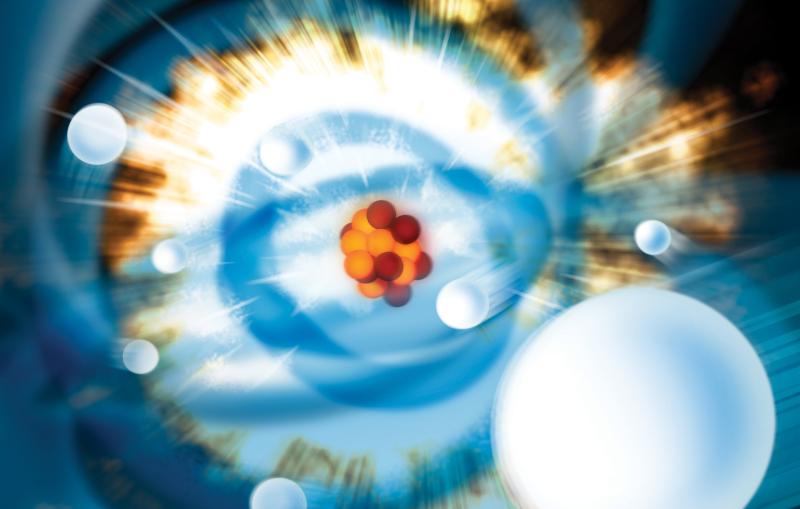
This illustration shows how the first experiment at SLAC's Linac Coherent Light Source X-ray laser stripped away electrons from neon atoms. (SLAC National Accelerator Laboratory)
Feature

Understanding nature’s process could inform the next generation of artificial photosynthetic systems that produce clean and renewable energy from sunlight and water.

How electrons flow in the oxygen-evolving complex of Photosystem II.
Feature

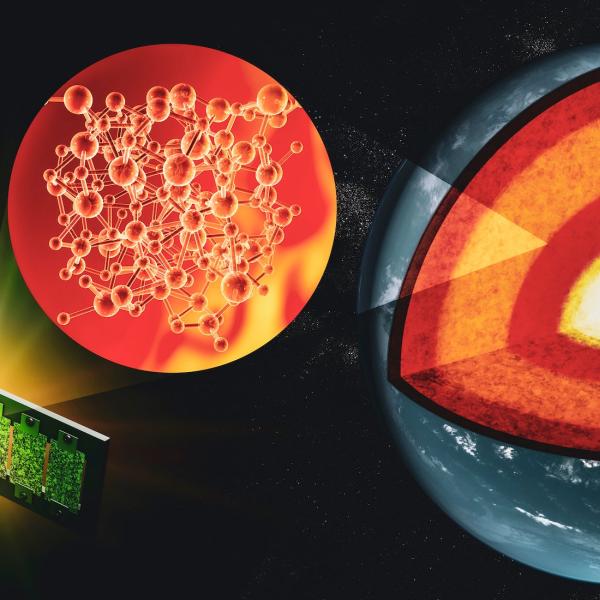
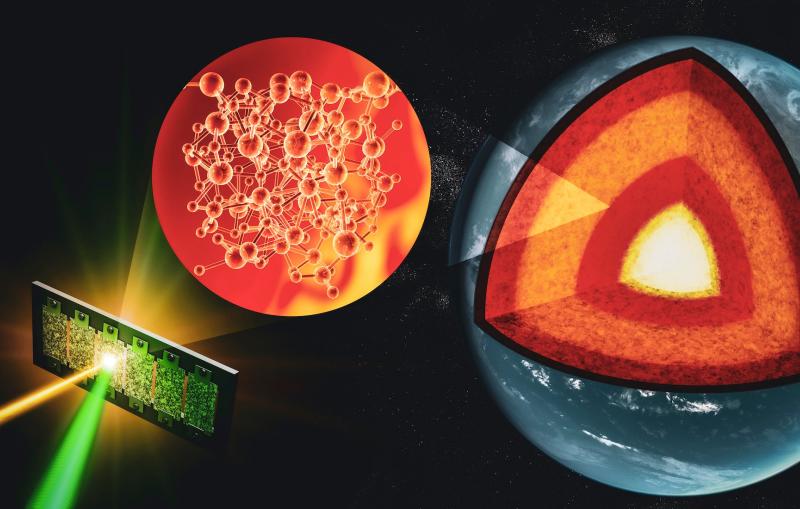
Learning how liquid silicates behave at these extreme temperatures and pressures has been a longstanding challenge in the geosciences.

atomic arrangements of liquid silicates at the extreme conditions found in the core-mantle boundary.
Animation

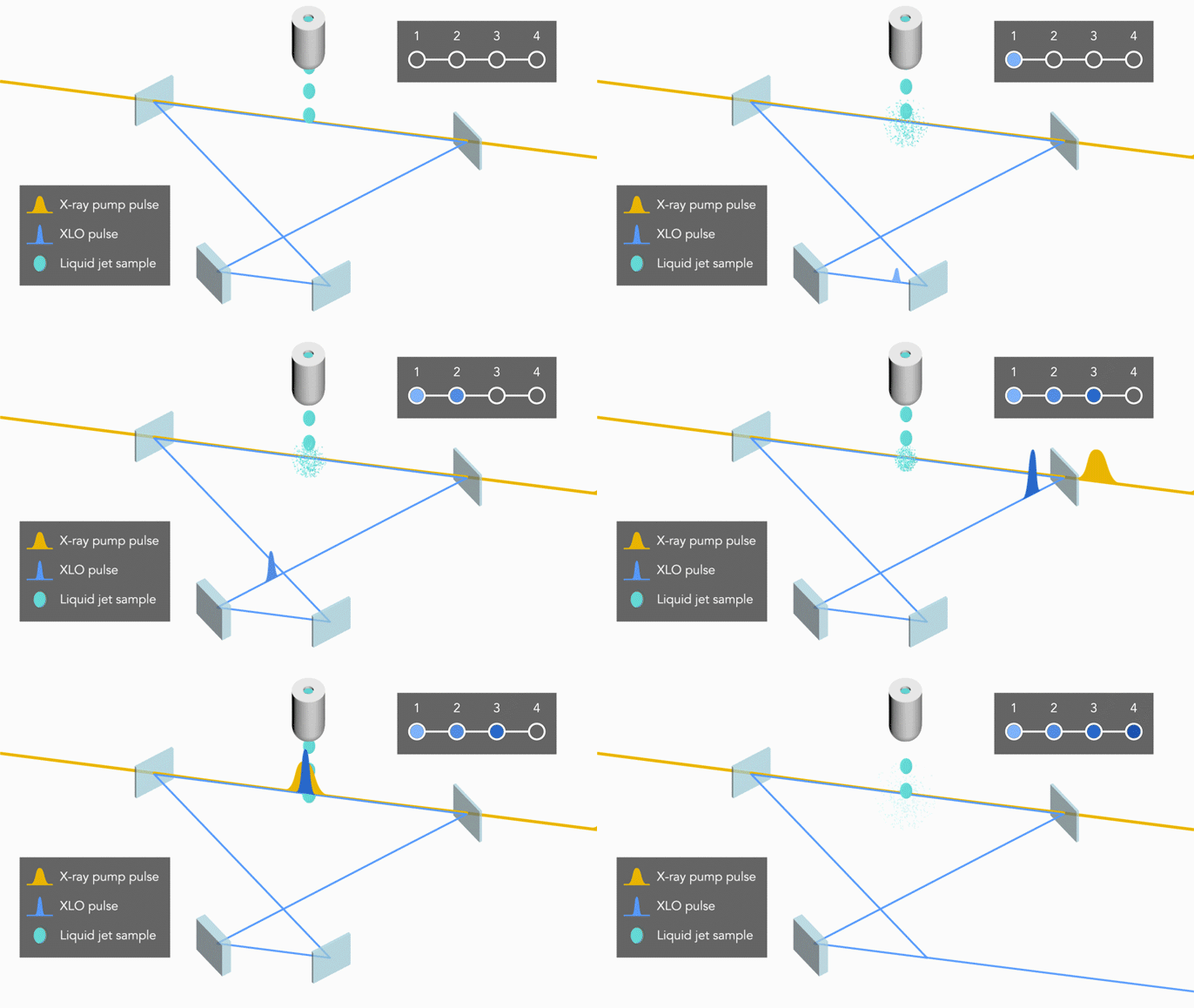
In photosystem II, the water-splitting center cycles through four stable states, S0-S3. On a baseball field, S0 would be...
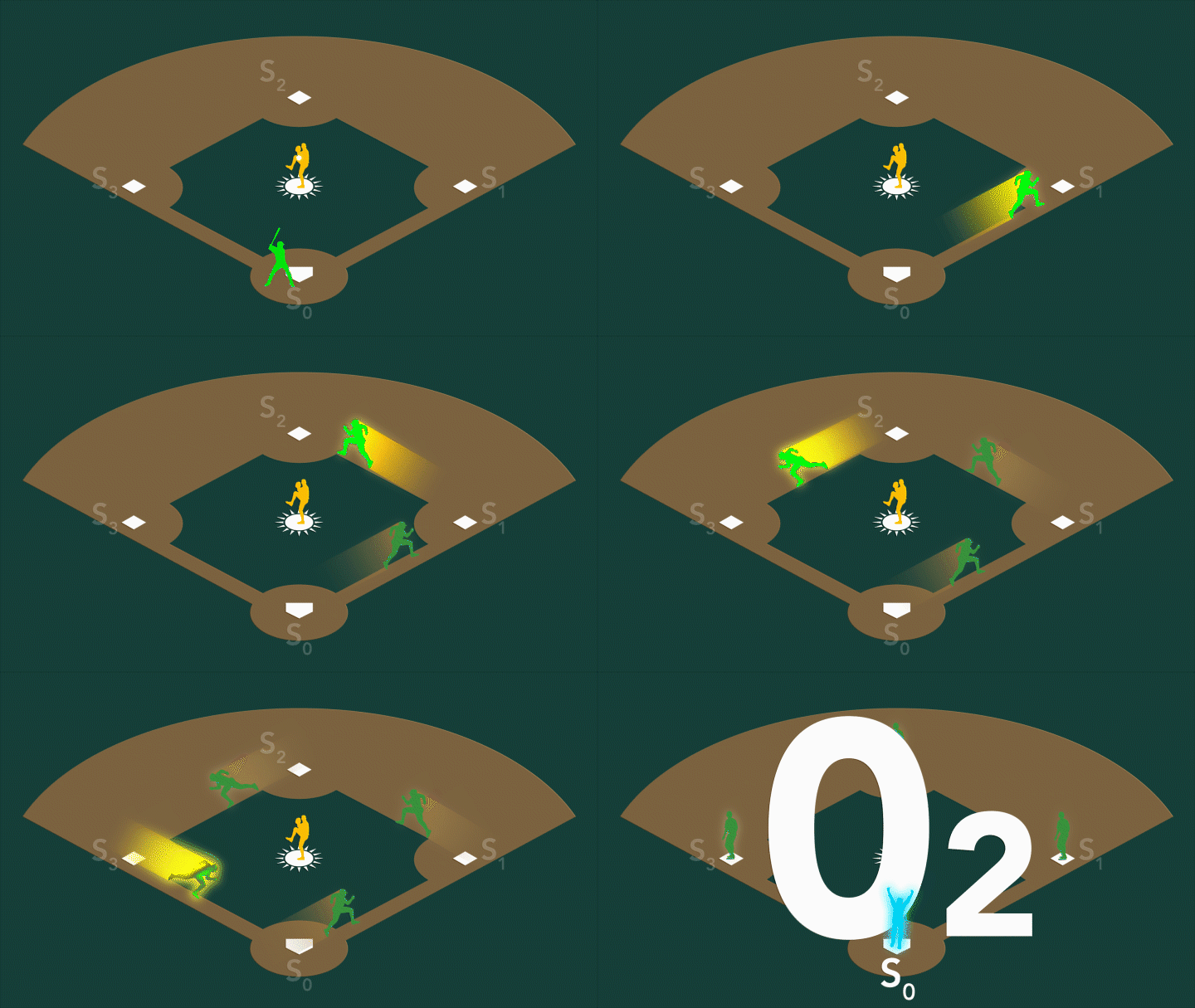
Photosystem II
Feature

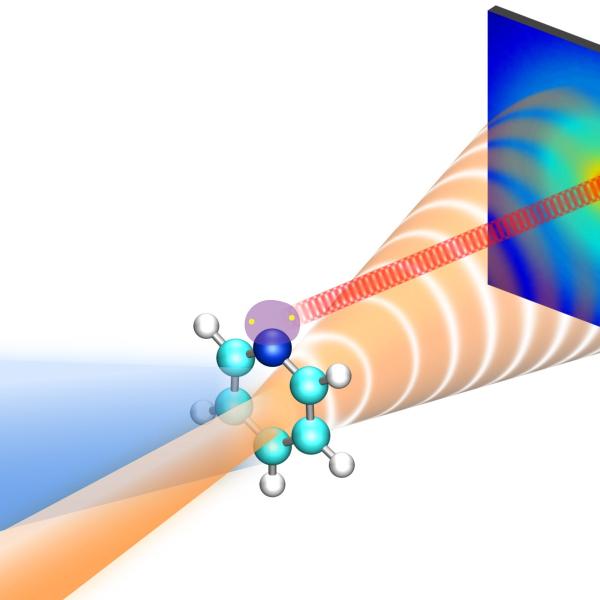
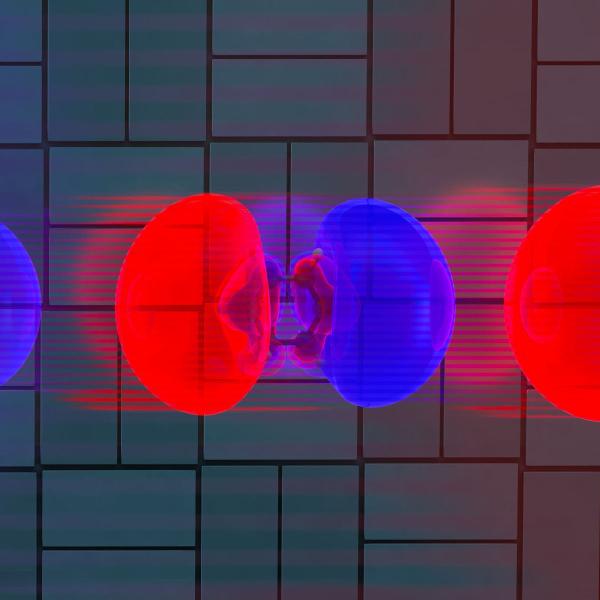
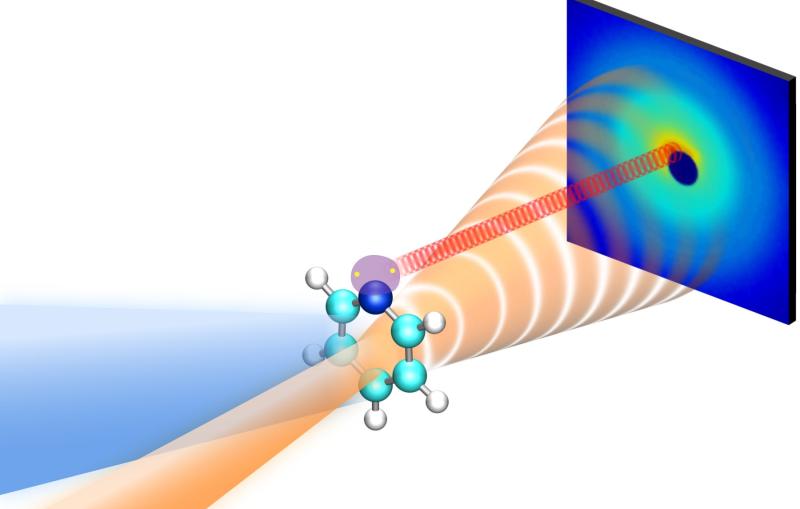
Light-driven reactions are at the heart of human vision, photosynthesis and solar power generation. Seeing the very first step opens the door to observing...

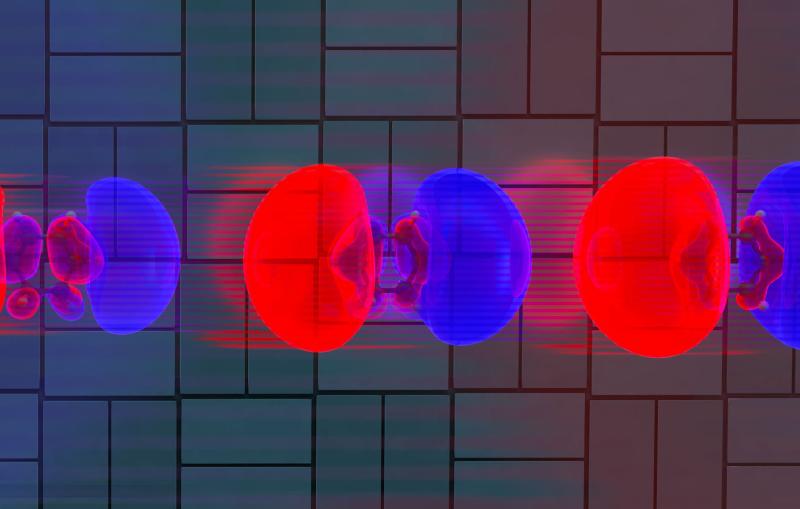
Illustration showing electron orbitals ballooning in response to light
Feature

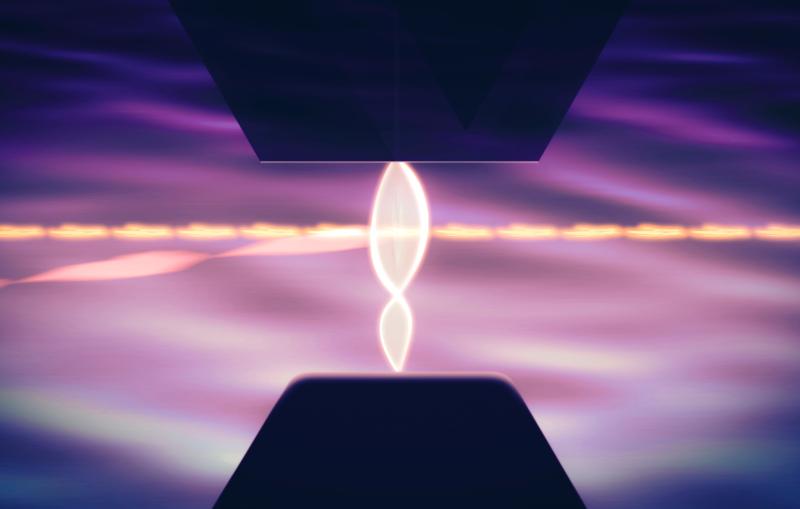
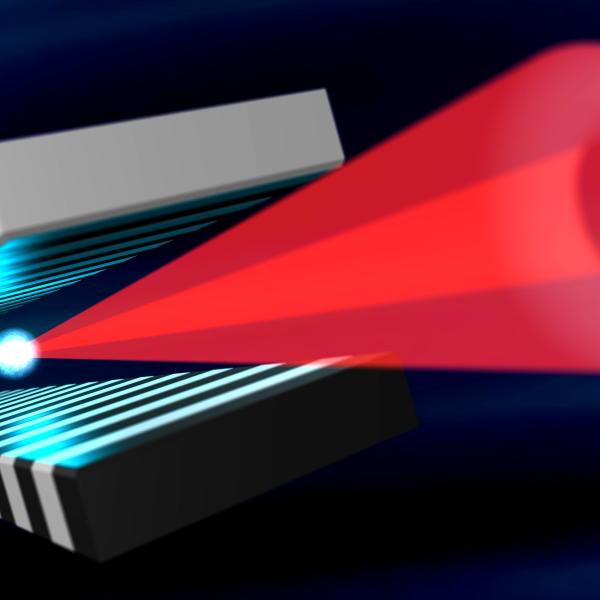
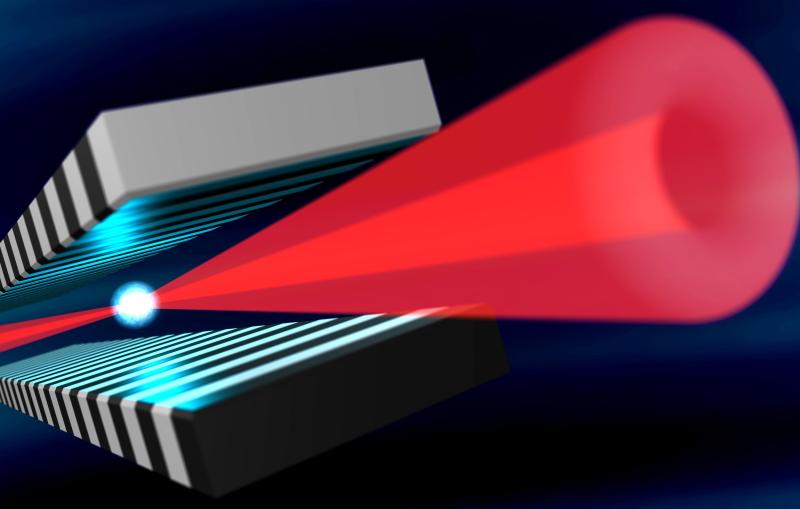
New research shows that when a bunch of electrons zooms through the middle of a ring-shaped laser beam, the bunch can wind up with...

donut laser
Feature

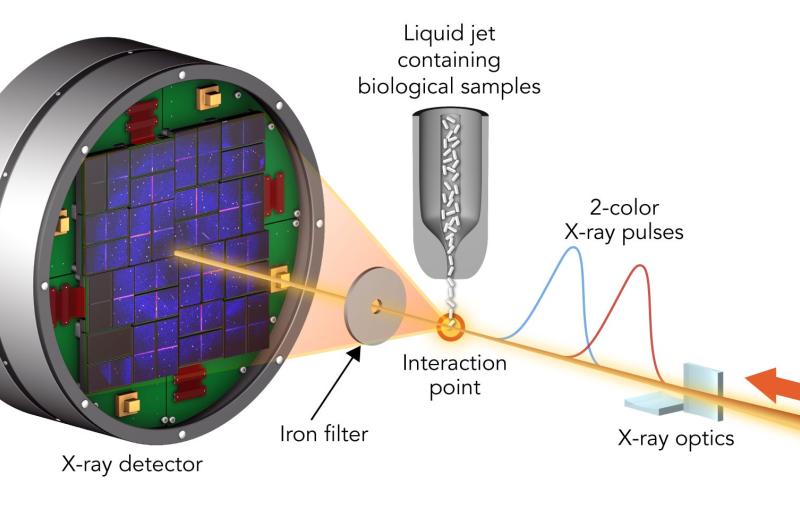
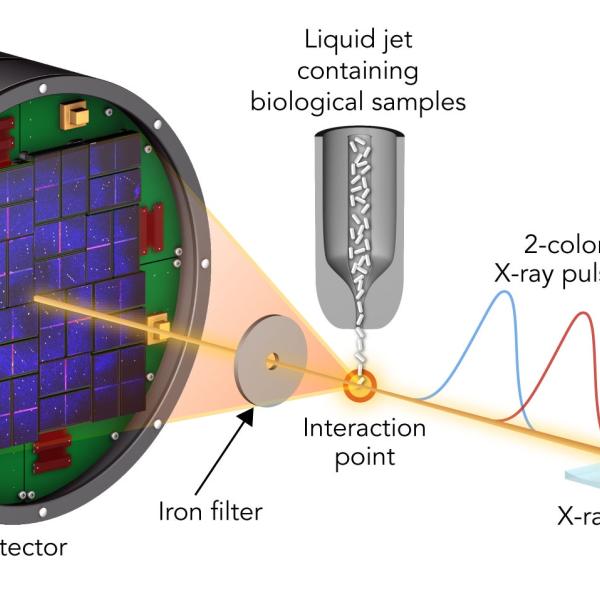
Researchers investigate how much damage spreads through molecules struck by a pulse from LCLS.

Two color mode
Feature

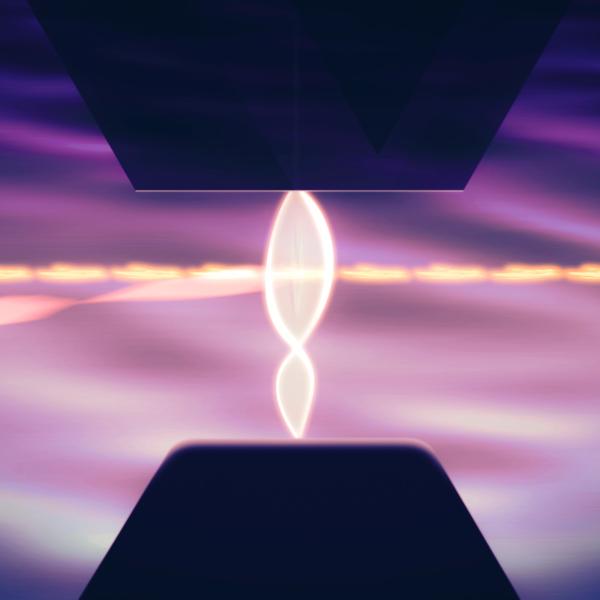
This new technology could enable future insights into chemical and biological processes that occur in solution, such as vision, catalysis and photosynthesis.

UED liquid
Feature

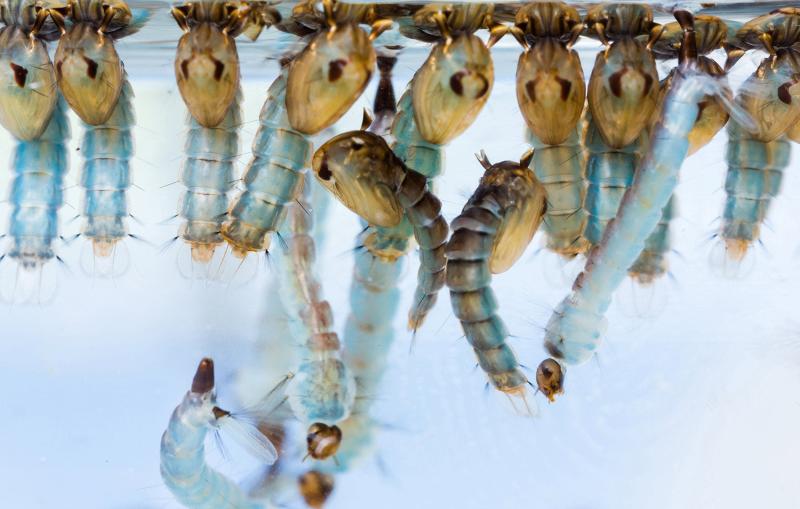
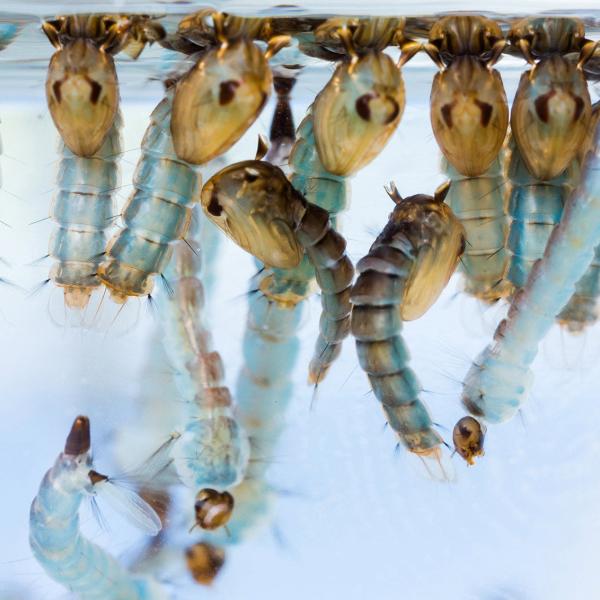
An LCLS imaging technique reveals how a mosquito-borne bacterium deploys a toxin to kill mosquito larvae. Scientists hope to harness it to fight disease.

A photograph of mosquito larvae.
Feature

Hitting molecules with two photons of light at once set off unexpected processes that were captured in detail with SLAC’s X-ray laser. Scientists say...

Closeup image of molecular movie frames
Feature

Researchers have squeezed a high-energy electron beam into tight bundles using terahertz radiation, a promising advance in watching the ultrafast world of atoms unfold.

SLAC’s Emma Snively and Mohamed Othman at the lab’s high-speed “electron camera."
Feature

Siqi Li develops connections with people and concepts while working on new technologies for accelerators.

Siqi Li headshot
Feature

What they learned could lead to a better understanding of how ionizing radiation can damage material systems, including cells.

Radiolysis