

SLAC topics

Ultrafast science RSS feed

SLAC is the world’s leading center for developing “ultrafast” X-ray, laser and electron beams that allow us to see atoms and molecules moving in just millionths of a billionth of a second. We can even create stop-action movies of these tiny events.

Related Links:
DOE explains...Ultrafast science
Browse tagged content

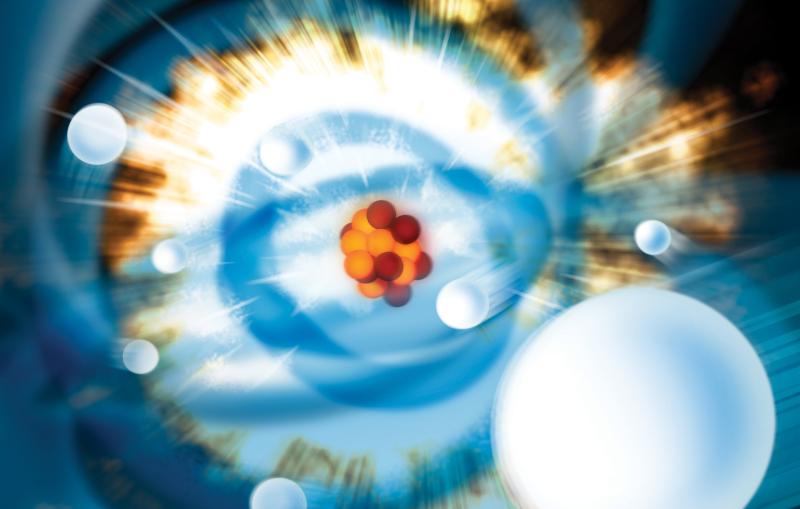
This illustration shows how the first experiment at SLAC's Linac Coherent Light Source X-ray laser stripped away electrons from neon atoms. (SLAC National Accelerator Laboratory)
News Brief

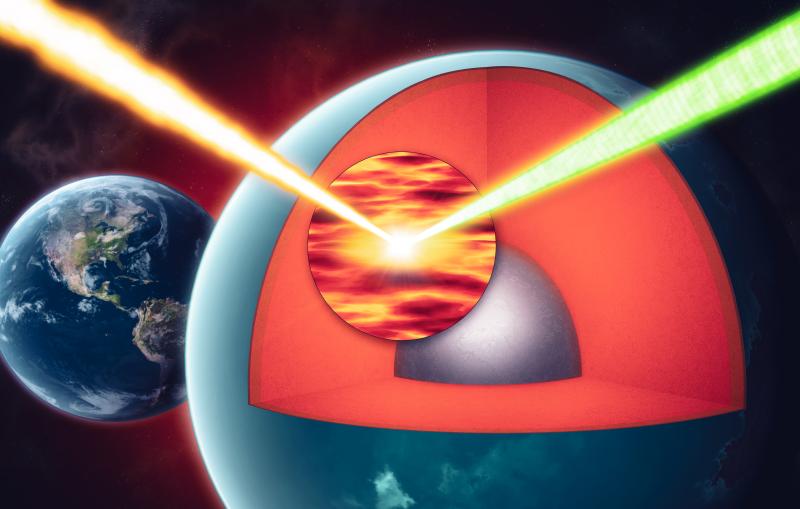
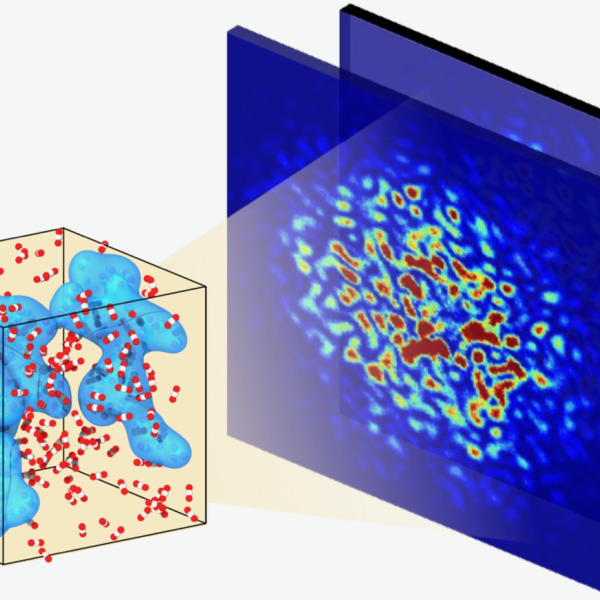
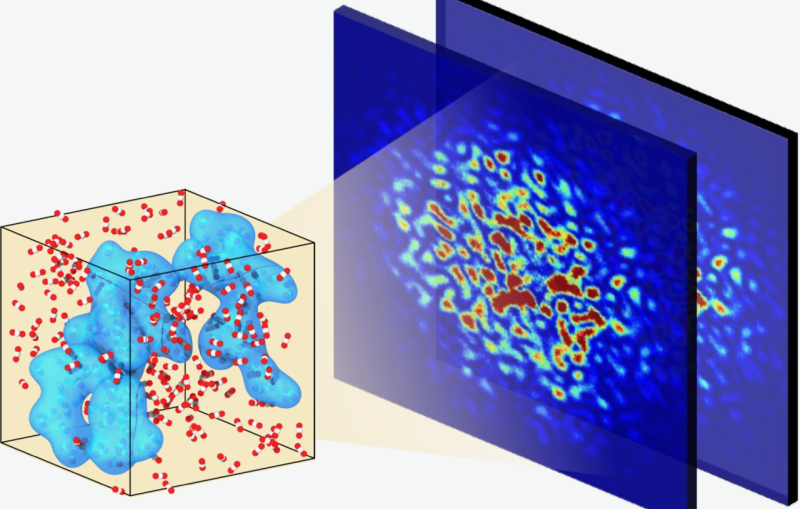
This research advances our understanding of Earth's deep interior and exoplanets, opening new research avenues in Earth and planetary sciences.

mec_super_earth
News Release

The high-energy upgrade will keep the U.S. at the forefront of X-ray science and technology, allowing researchers to advance fields such as sustainability, human...

LCLS-II-HE
Feature

David Cesar, Julia Gonski and W.L. Kimmy Wu will each receive $2.75 million issued over five years for their research in X-ray and ultrafast...

Early Career Award Winners 2024
News Brief

The results, which show how the protein adds nucleotides to the growing RNA chain, could lead to more effective medications.

Calero_group
News Brief

Their method provides a new tool to study electron-electron interactions, which are fundamental to many technologies, including semiconductors and solar cells.

photoelectric effect
Illustration
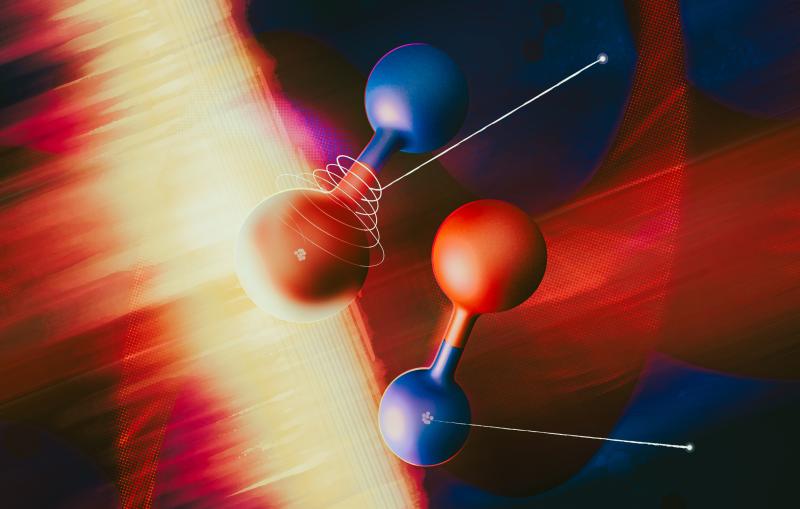
Scientists uncovered new information about the photoelectric effect, a phenomenon first described by Einstein over a century ago. 
photoelectric effect
Illustration
Scientists have developed an AI-based method that helps gather data more efficiently in the search for new materials, allowing researchers...
self driving experiments
Feature

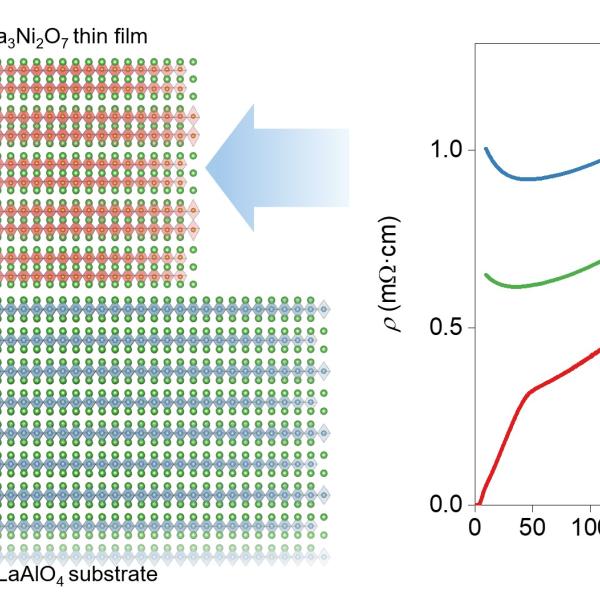
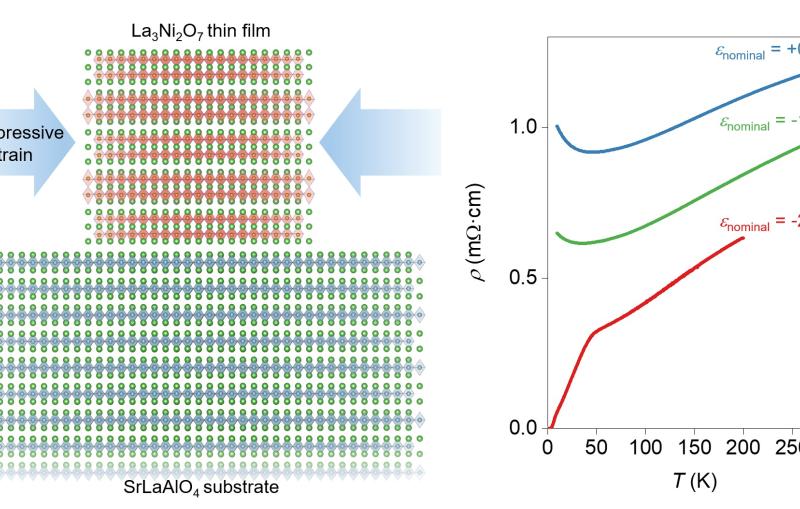
The method could lead to the development of new materials with tailored properties, with potential applications in fields such as climate change, quantum computing...

self driving experiments
News Brief

A study reveals an ultrathin material’s ability to circularly polarize light, potentially informing how they work in optoelectronic devices.

Image from SLAC's high-speed electron camera showing circular polarization of terahertz light.
Feature

Improvements to the lab’s “electron camera” use AI and “time stamping” to help reveal nature’s speedy processes more accurately. 

Film strip showing images of the MeV-UED, experimental setups and graphics.
Feature

The Ultrafast X-ray Summer School, run by the Stanford PULSE Institute and hosted at SLAC, opens the door for students and postdocs to imagine...

A group photo of people in red tee shirts.
Feature

Researchers developed new methods that produce intense attosecond pulses and pulse pairs to gain insights into the fastest motions inside atoms and molecules. It...

attosecond pulses