SLAC topics

Structural molecular biology RSS feed

Structural molecular biology uses various scientific techniques to map the three-dimensional arrangement of atoms in biological molecules. 

Science of life

Probing Molecular Dynamics in Real Time from Within with Free Electron Lasers.
Feature

A new imaging technique is allowing researchers to pinpoint ways of modifying drugs to avoid side effects.

Hasan DeMirci Ribosome
Feature

The X-ray laser movie shows what happens when light hits retinal, a key part of vision in animals and photosynthesis in microbes. The action...

An image of San Francisco Bay salt ponds from space
Feature

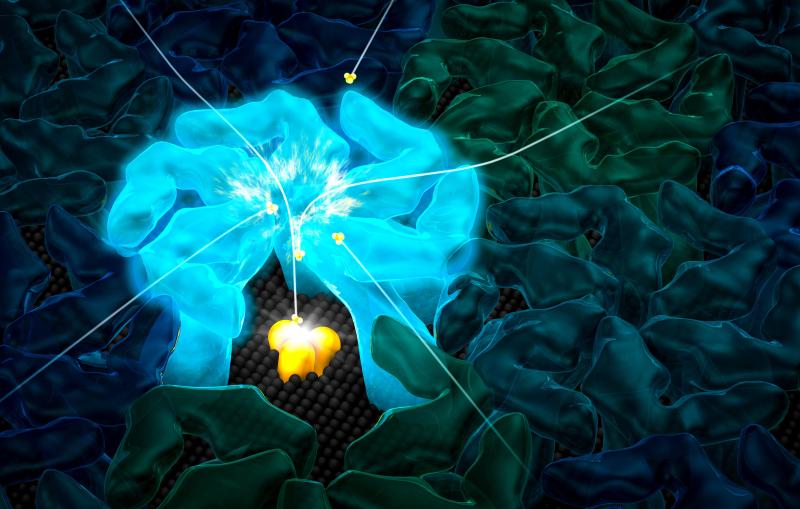
Tiny pores in the shells of archaea microbes attract ammonium ions that are their sole source of energy, allowing them to thrive where this...

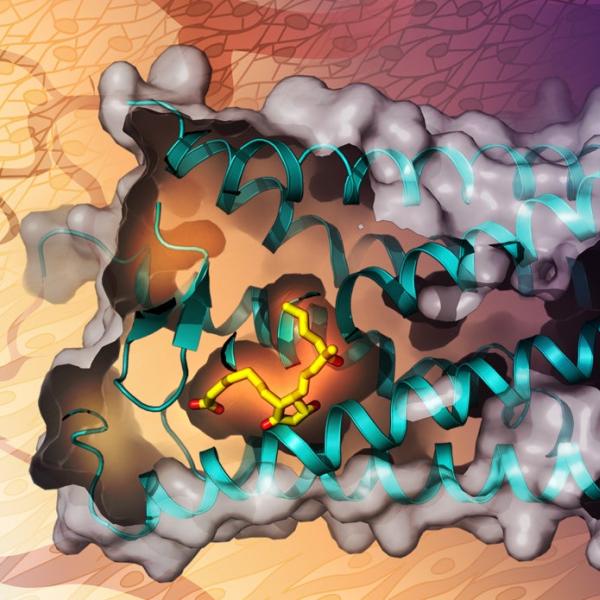
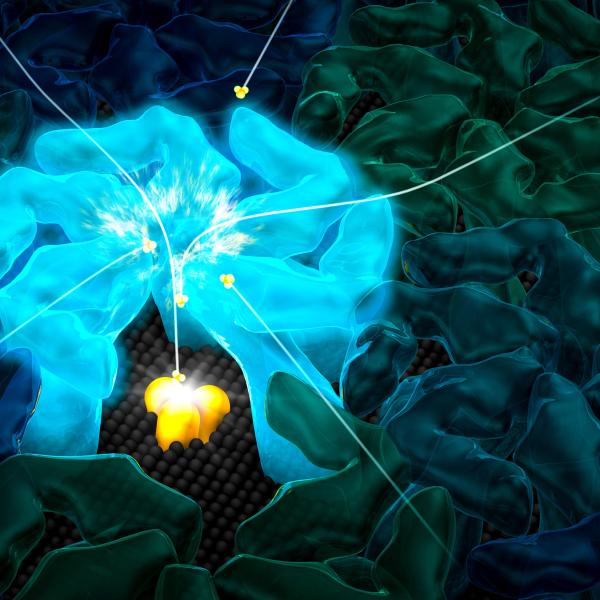
Artist's depiction of a tiny pore in an archaea's crystalline shell
Feature

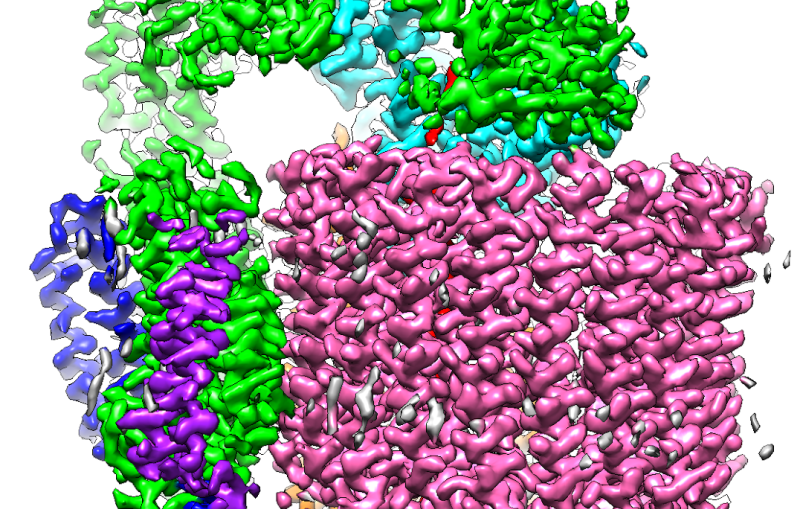
The National Institutes of Health center on the SLAC campus will make this revolutionary technology available to scientists nationwide and teach them how to...

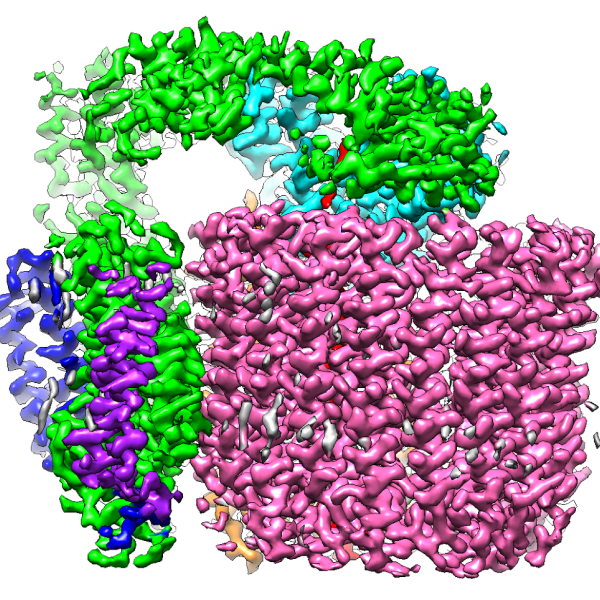
Cryo-EM image of a proton pump involved in maintaining bone
News Release

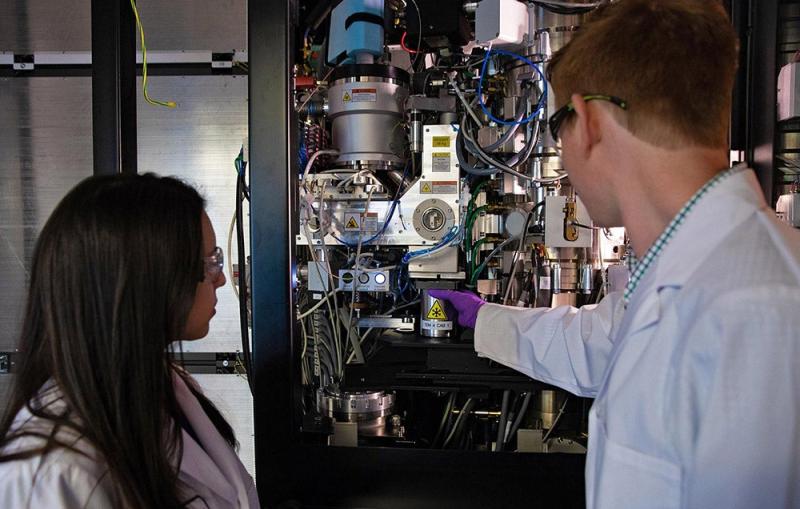
The new facility provides revolutionary tools for exploring tiny biological machines, from viral particles to the interior of the cell.

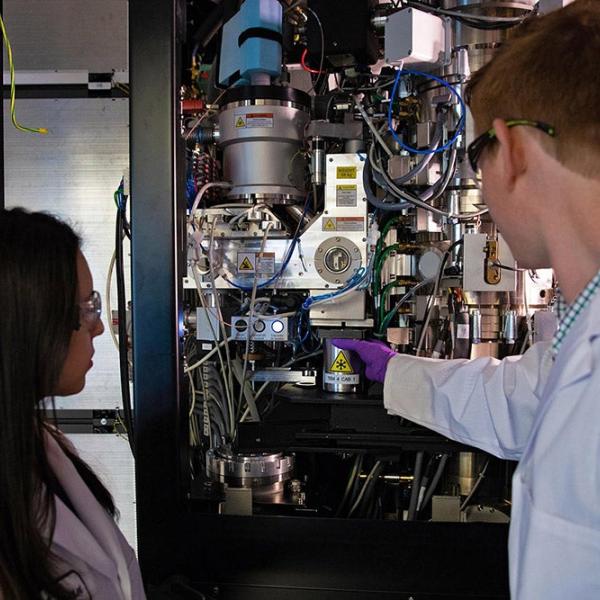
SLAC-Stanford Cryo-EM Facility
Feature

With SLAC’s X-ray laser, a research team captured ultrafast changes in fluorescent proteins between “dark” and “light” states. The insights allowed the scientists to...

Aequorea victoria, a bioluminescent jellyfish
Feature

The Scripps researcher is honored for groundbreaking research at the Stanford Synchrotron Radiation Lightsource that accelerated the development of a vaccine for deadly Lassa...

Photo - Kathryn Hastie, staff scientist at The Scripps Research Institute
Feature

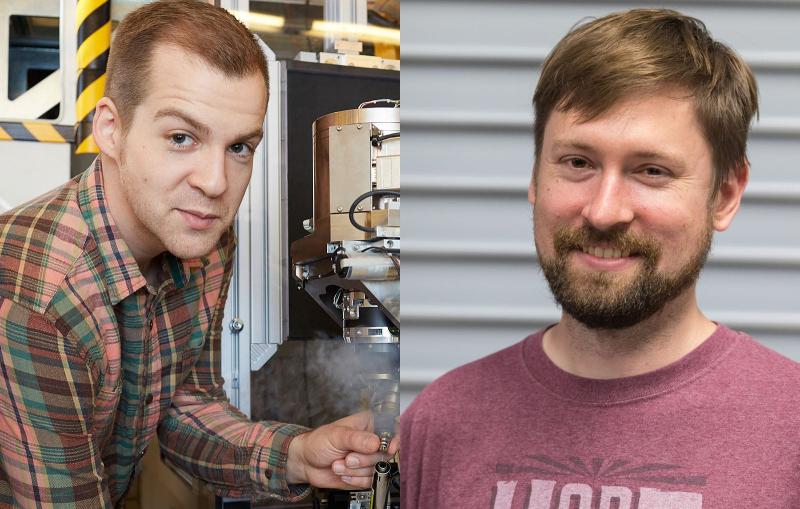
Over the next five years they’ll work on getting significantly more information about how catalysts work and improving biological imaging methods.

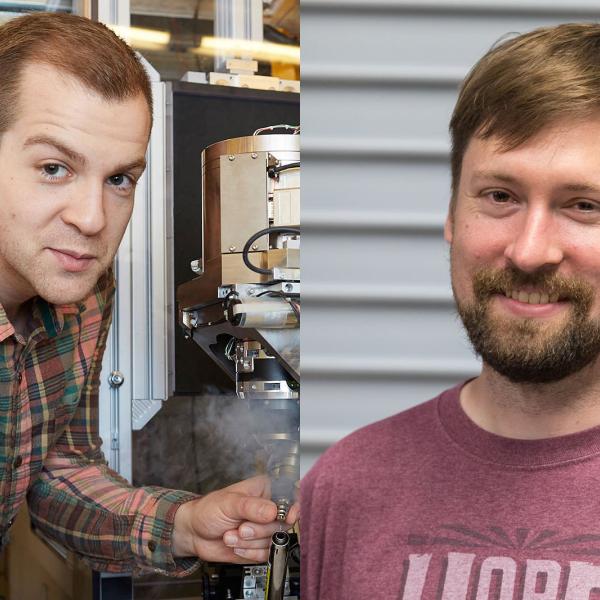
Cornelius Gati and Franklin Fuller, the 2017 Panofsky fellows at SLAC
Feature

With SLAC’s X-ray laser and synchrotron, scientists measured exactly how much energy goes into keeping this crucial bond from triggering a cell's death spiral.

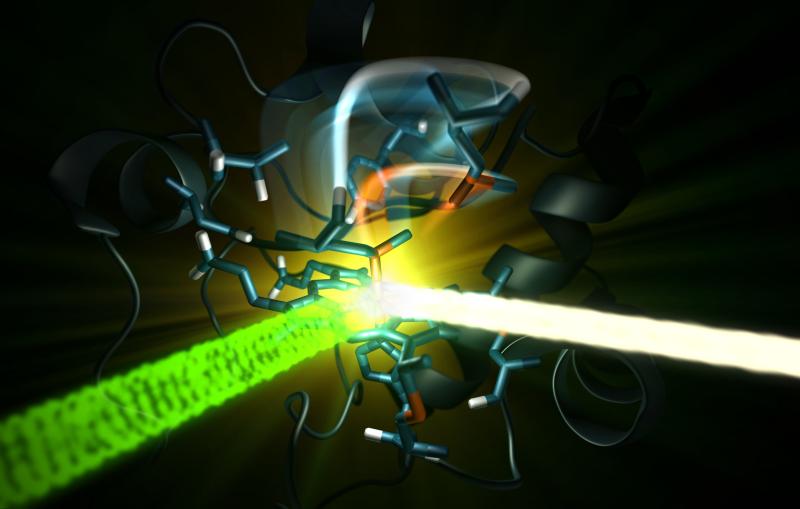
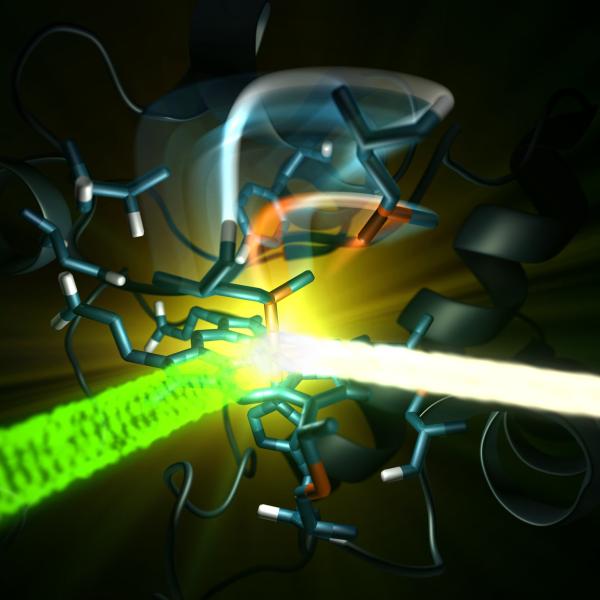
An optical laser (green) excites the iron-containing active site of the protein cytochrome c, and then an X-ray laser (white) probes the iron.
Feature

The method dramatically reduces the amount of virus material required and allows scientists to get results several times faster.

Surface structure of the bovine enterovirus 2
News Release

X-ray studies have produced surprising insights into the workings of a hormone receptor associated with blood pressure regulation that could be a target for...

Powerful X-rays reveal molecular structures at the site where drug compounds interact with cell receptors.
Feature

X-rays show details of an insect virus’s crystalline cocoon with sub-nanometer resolution.