SLAC topics

Structural molecular biology RSS feed

Structural molecular biology uses various scientific techniques to map the three-dimensional arrangement of atoms in biological molecules. 

Science of life

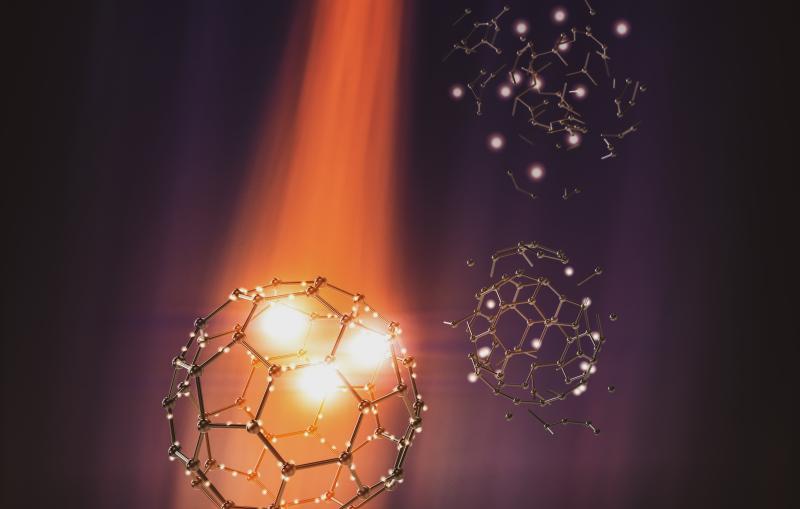
Probing Molecular Dynamics in Real Time from Within with Free Electron Lasers.
news collection
Research at SLAC

COVID-19

SLAC is uniquely equipped to study viruses like SARS-CoV-2; in fact, we’ve been doing it for decades. This news collection gathers the latest information on COVID-19 research at SLAC.

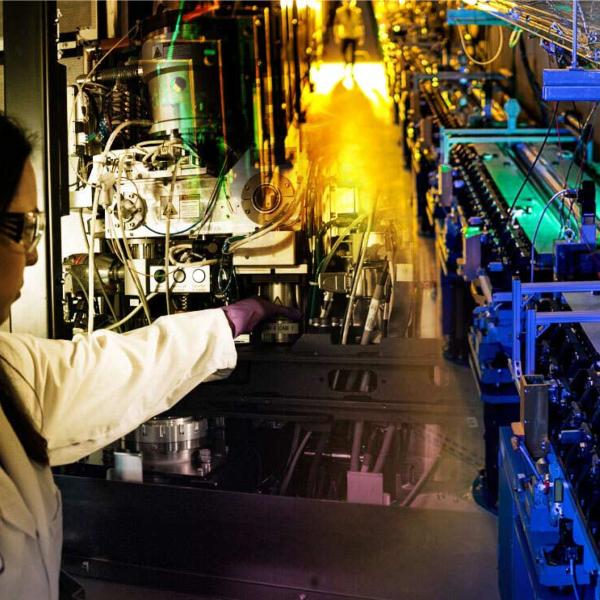
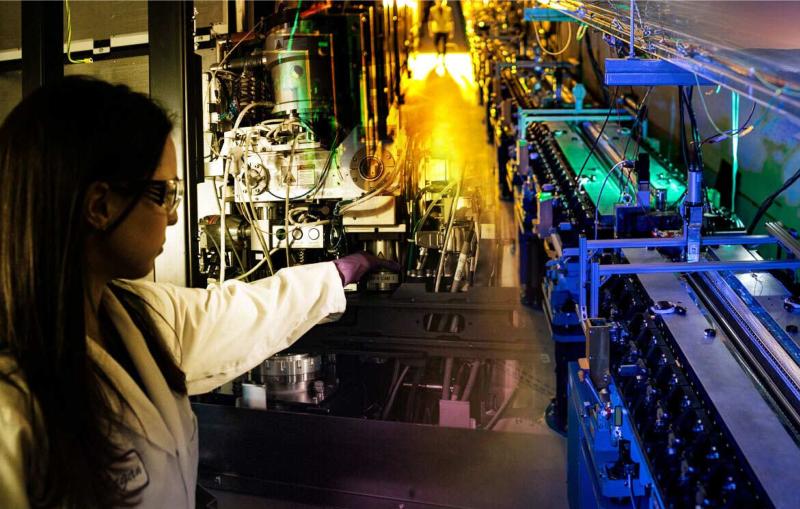
A photo-collage featuring a technician at SLAC's cryo-EM facilities.
News Brief

The protein could play a key role in soil carbon cycling and soil decomposition.

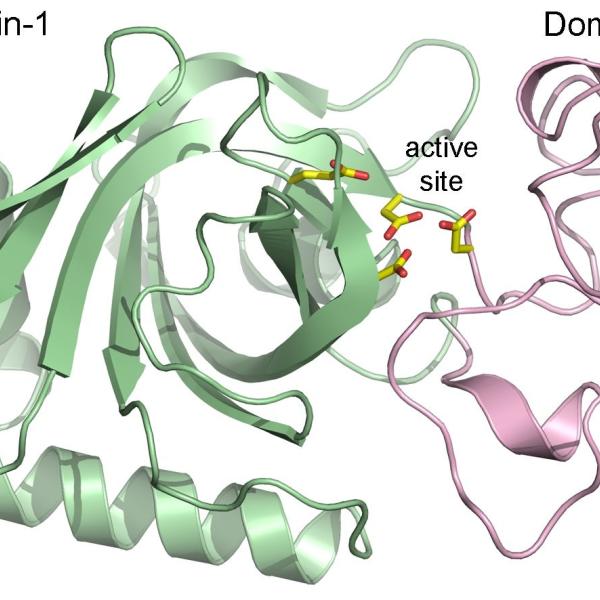
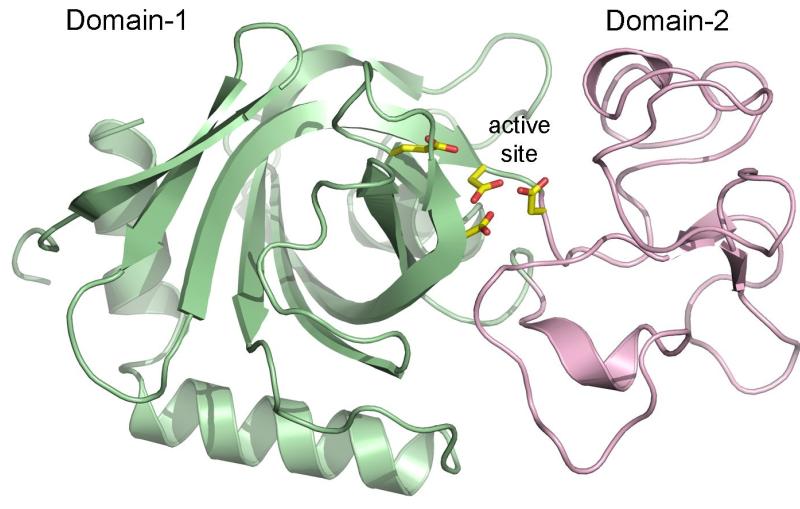
A three-dimensional structure of the soil virus AMG product, an enzyme known as a chitosanase.
News Release

Powerful X-rays from SLAC’s synchrotron reveal that our immune system’s primary wiring seems to be no match for a brutal SARS-CoV-2 protein.

SARS-CoV-2-NEMO
Illustration

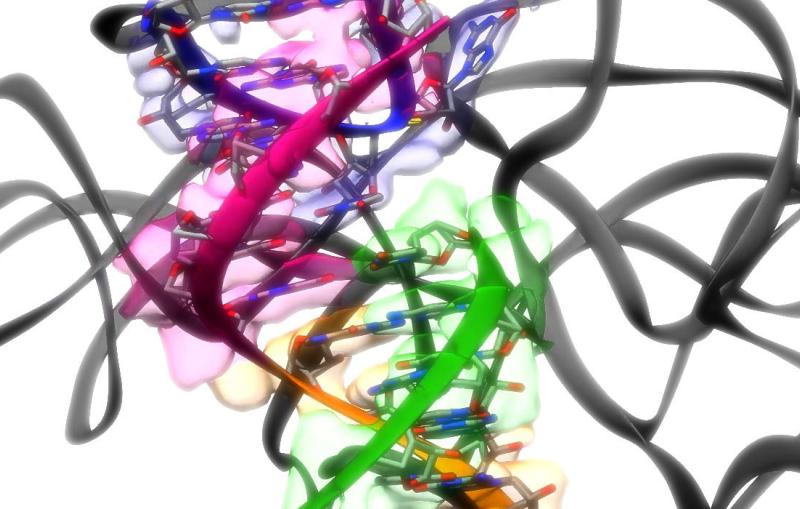
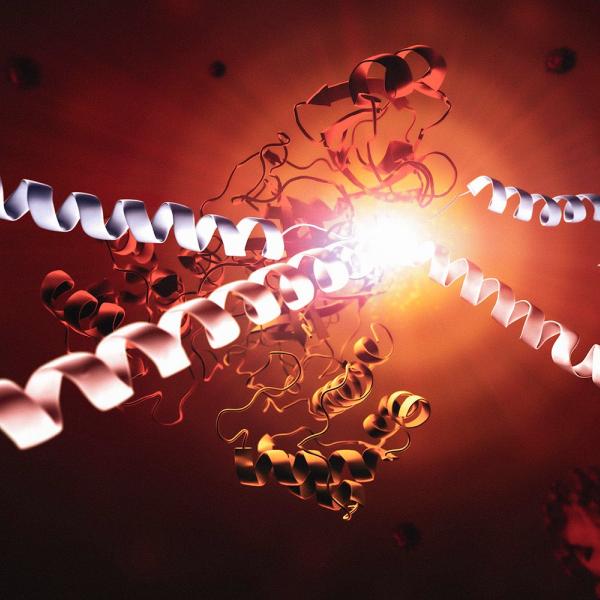
This image shows the SARS-CoV-2 virus's main protease, Mpro, and two strands of a human protein, called NEMO.
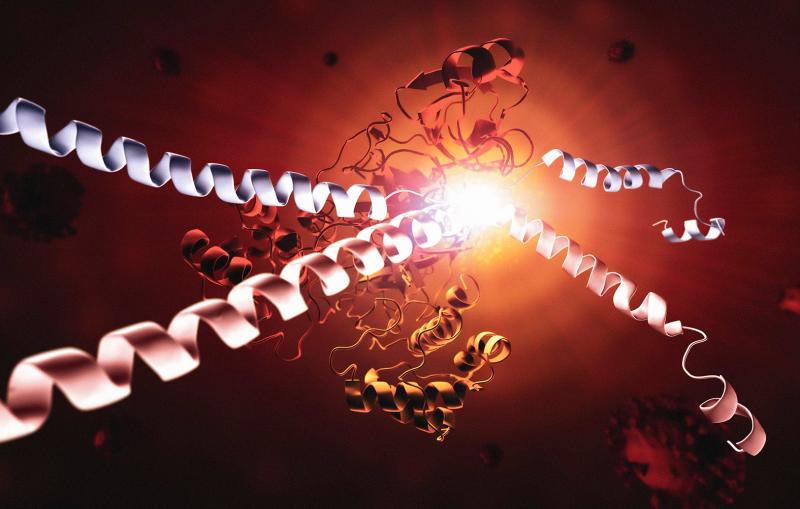
SARS-CoV-2-NEMO
Feature

An extension of the Stanford Research Computing Facility will host several data centers to handle the unprecedented data streams that will be produced by...

SRCF-II
Feature

After almost two decades of synchrotron experiments, Caltech scientists have captured a clear picture of a cell’s nuclear pores, which are the doors and...

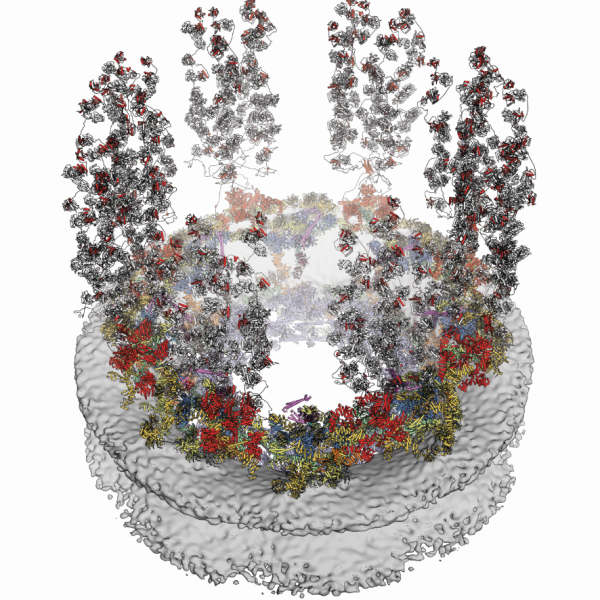
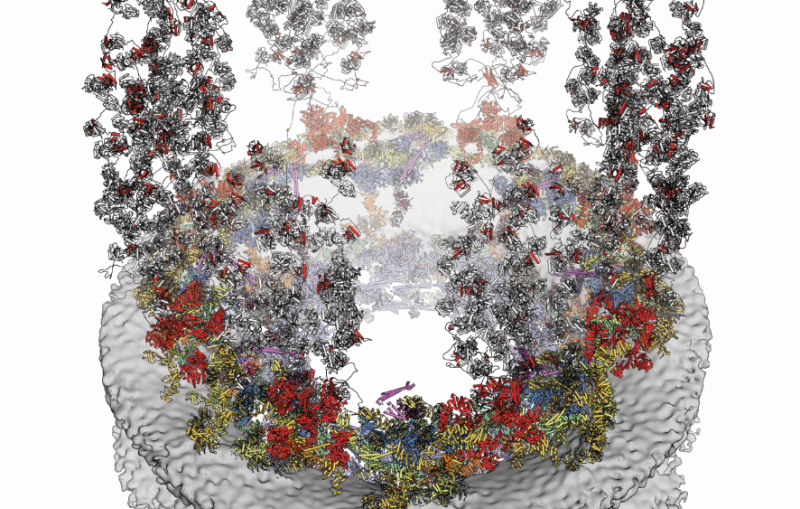
The nuclear pore and its components.
Feature

By revealing the chemistry of plant secretions, or exudates, these studies build a basis for better understanding and conserving art and tools made with...

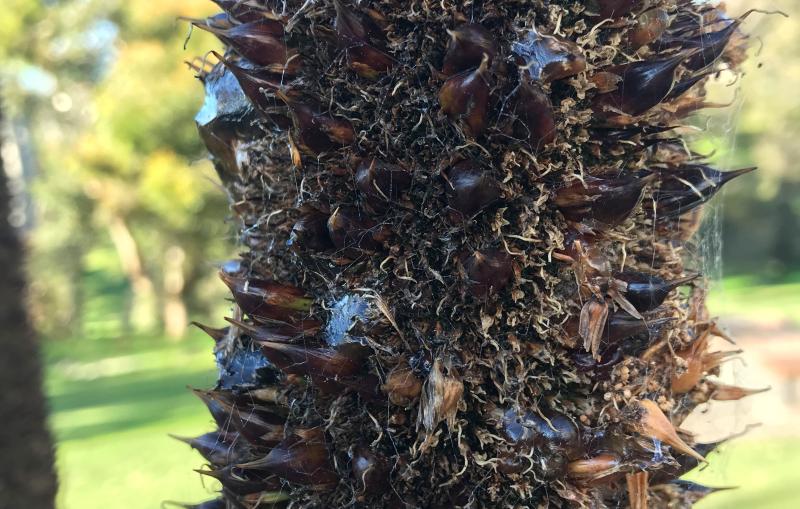
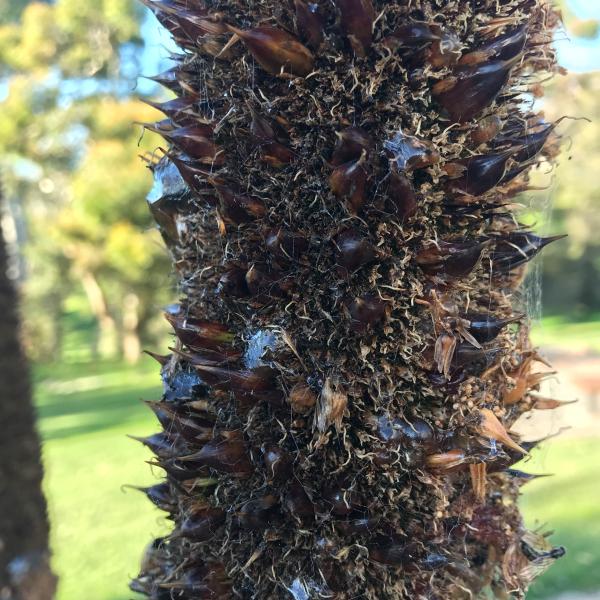
Plant secretion from what is called "grass tree."
Feature

Researchers discover that a spot of molecular glue and a timely twist help a bacterial enzyme convert carbon dioxide into carbon compounds 20 times...

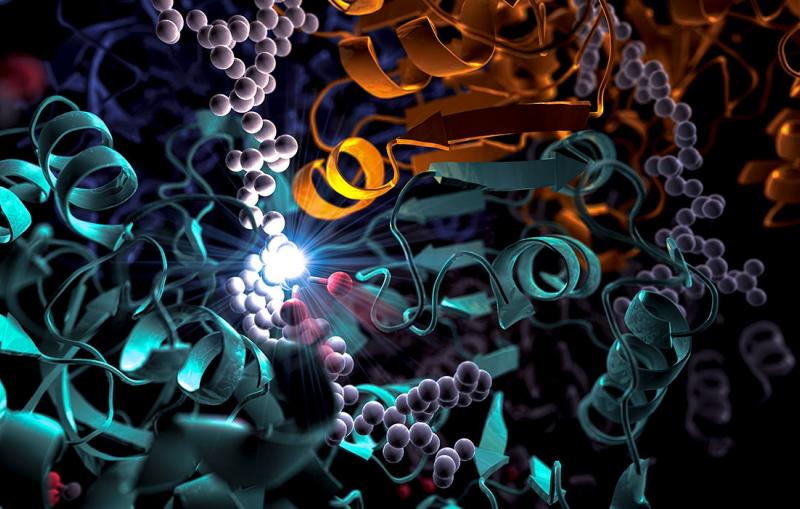
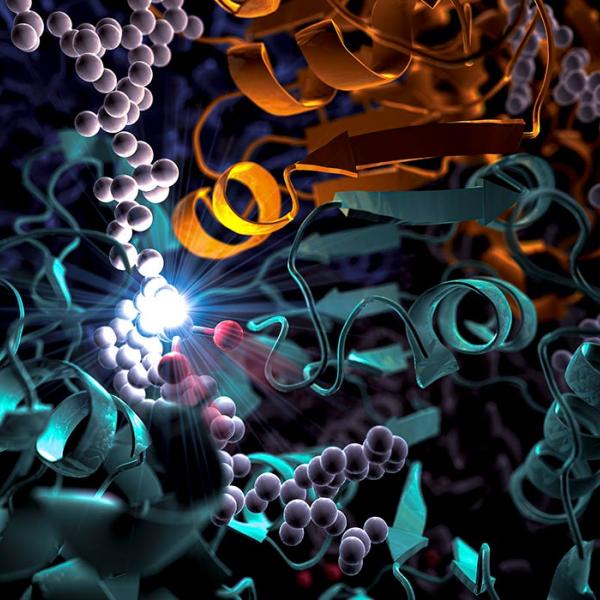
An illustration shows the pocket in an enzyme called ECR where the carbon fixing reaction takes place.
Feature

SLAC’s Matt Garrett and Susan Simpkins talk about tech transfer that brings innovations from the national lab to the people, including advances for medical...

Tech Transfer
News Brief

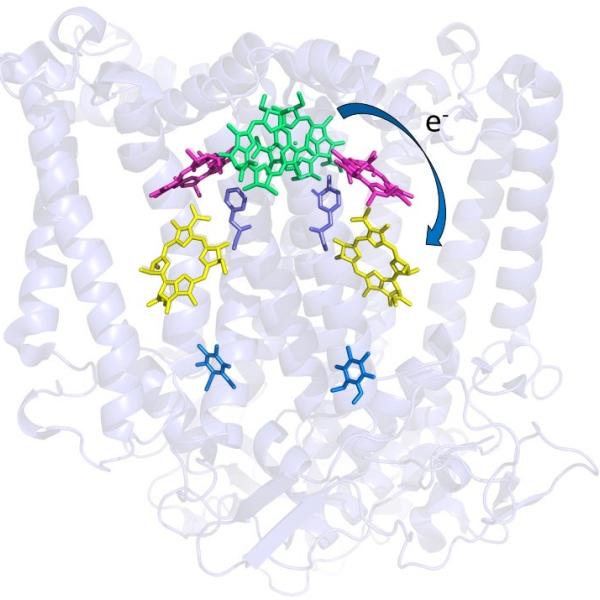
Recently developed methods now in use at SLAC’s X-ray synchrotron helped a team of chemists better understand how certain bacteria turn light into chemical...

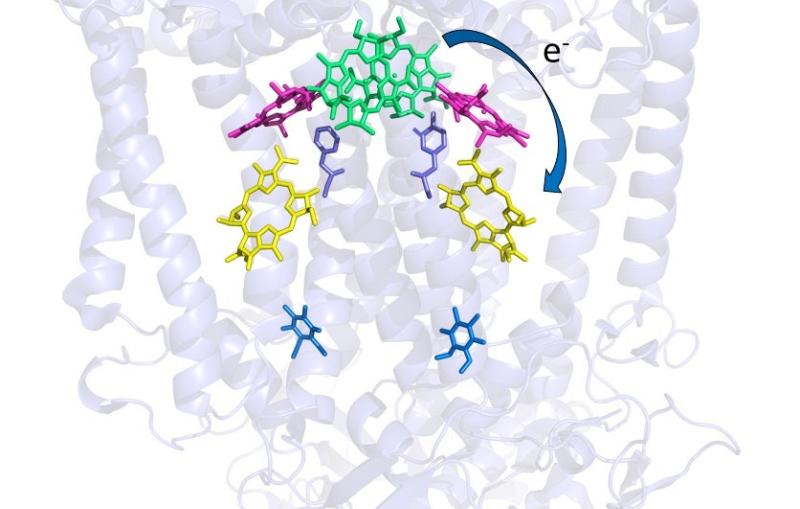
A diagram of a protein molecule with white spirals and multicolored webs indicating key parts of the molecule.
Feature

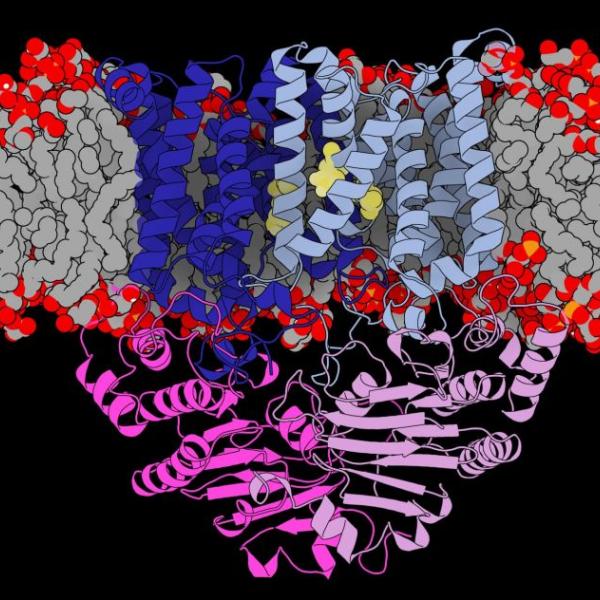
Drawing on SLAC facilities, Australian researchers have revealed how Streptococcus pneumoniae bacteria obtain manganese from our bodies, which could lead to better therapies to...

A protein molecule with intertwined spirals around a small yellow center form.
Feature

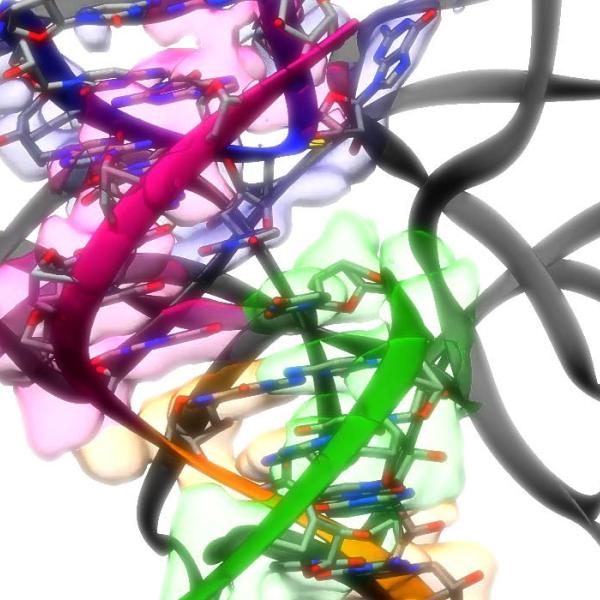
SLAC and Stanford scientists used it to zoom in on an iconic RNA catalyst and a piece of viral RNA that’s a potential target...

A high-res 3D ribbon diagram showing the structure of part of an RNA molecule