SLAC topics

Stanford Synchrotron Radiation Lightsource (SSRL) RSS feed

SSRL is a pioneering synchrotron radiation facility known for outstanding science, technological innovation and user support. It provides extremely bright X-rays that scientists use for a wide range of research that probes matter on the scales of atoms and molecules.
Visit SSRL website

Browse tagged content

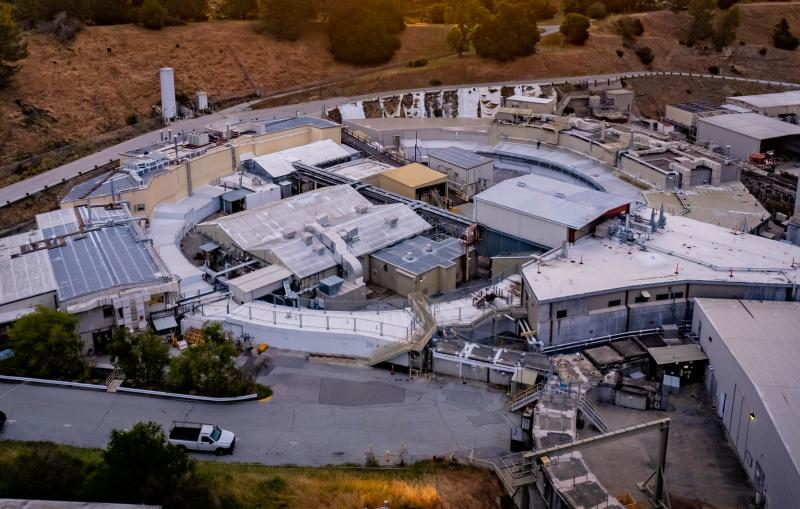
Aerial view of Stanford Synchrotron Radiation Lightsource (SSRL)
Feature

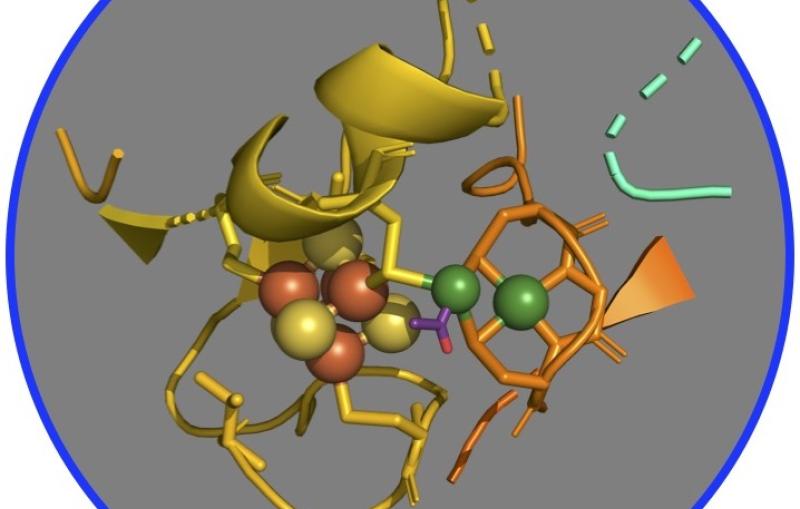
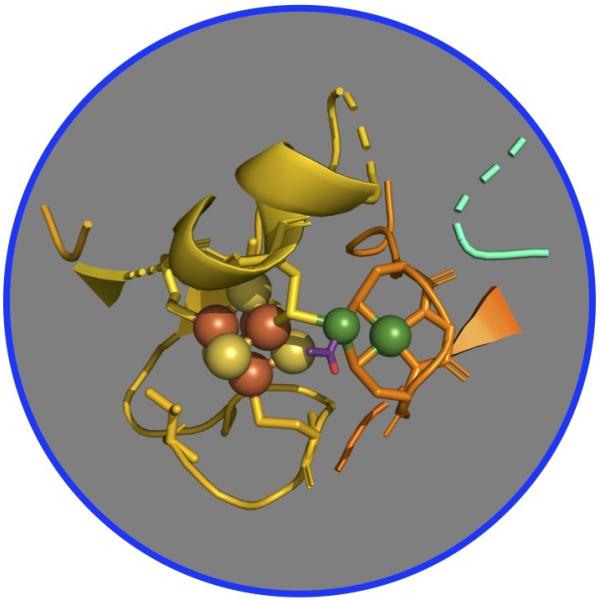
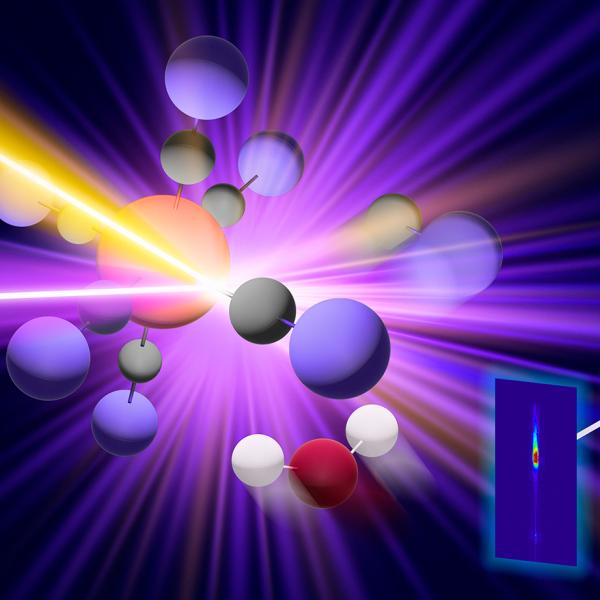
SLAC scientists showed that a carbon-metal compound with a perfectly placed nickel atom plays a key role in converting carbon dioxide into components for...

A multicolored diagram of a molecule.
Feature

Garcia-Esparza’s research offers unique insights into catalysts relevant to renewable energy generation and emerging materials for microelectronics.

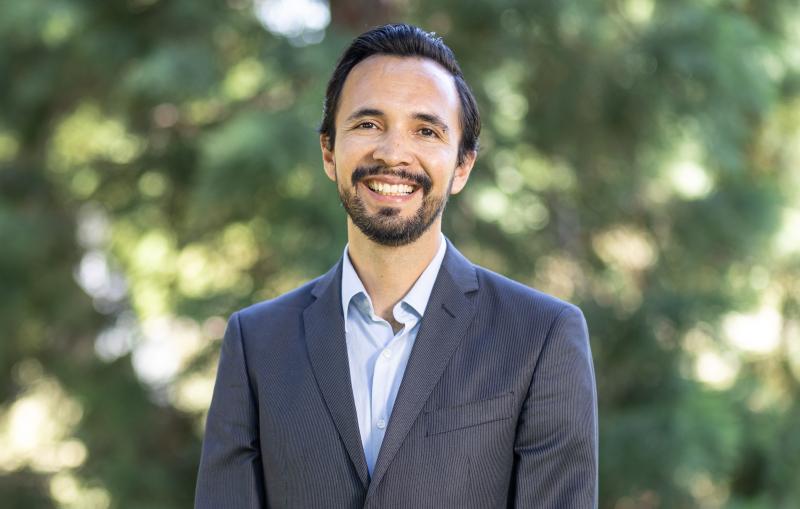
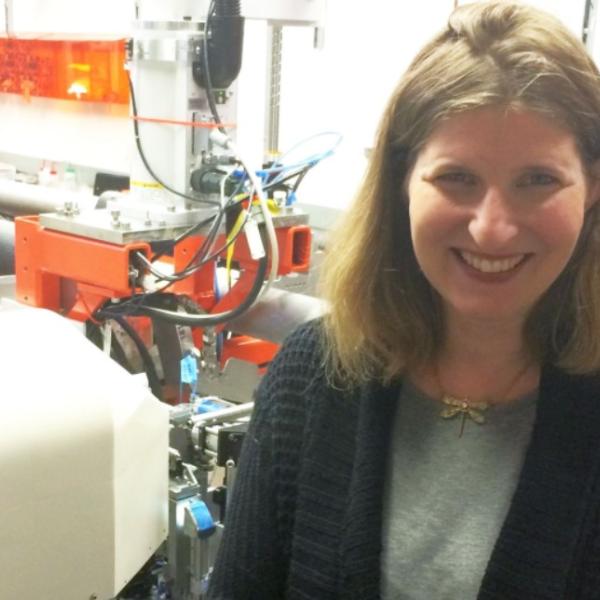
This is a photograph of SSRL scientist Angel Garcia Esparza, who was awarded the 2023 Spicer Award
Feature

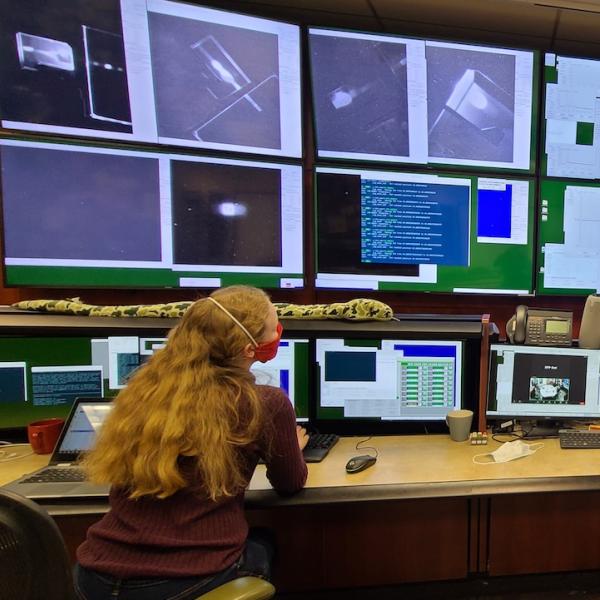
They used synthetic diamond crystals as mirrors to make X-ray pulses run laps inside a vacuum chamber, demonstrating a key process needed for future...

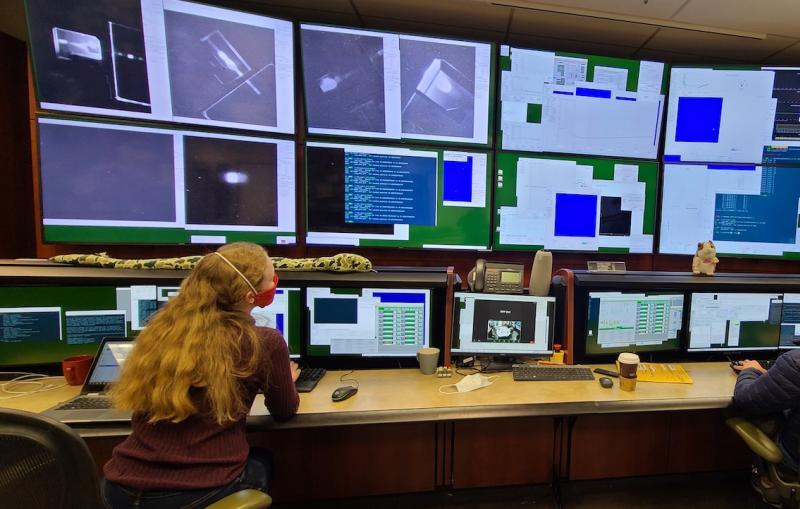
Two scientists in a control room full of computer monitors that allow them to adjust diamond mirrors in their CBXFEL experiment
Feature

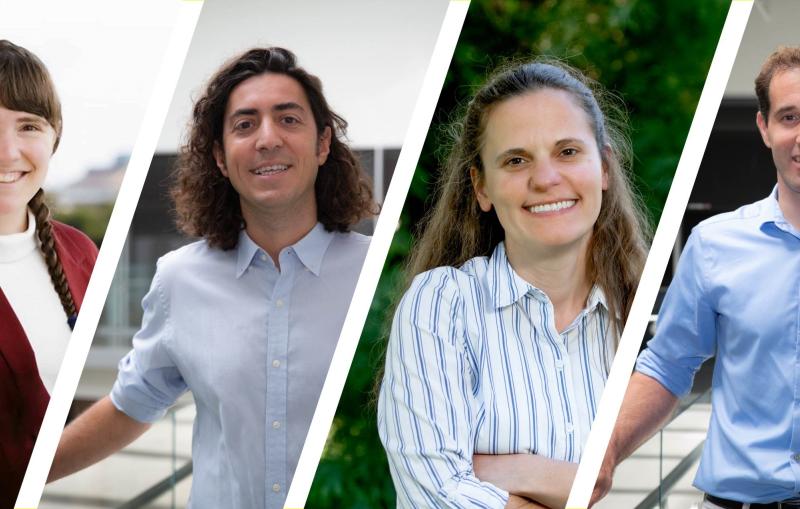
Leora Dresselhaus-Marais, Claudio Emma,  Bernhard Mistlberger and Johanna Nelson Weker will pursue cutting-edge research into decarbonizing steel production, theoretical physics, generating more intense particle...

This photo shows all four recipients from SLAC and Stanford of the DOE's 2023 Early Career Award
News Brief

The discovery will help art conservators develop new preservation techniques.

This image shows a portion of the 17th century painting, “Still Life with Flowers in a Glass Vase,” by Jan Davidszoon de Heem.
Feature

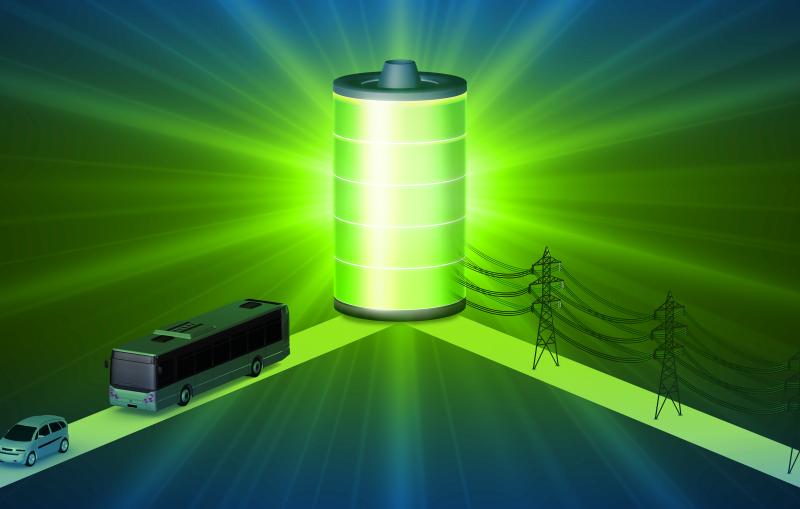
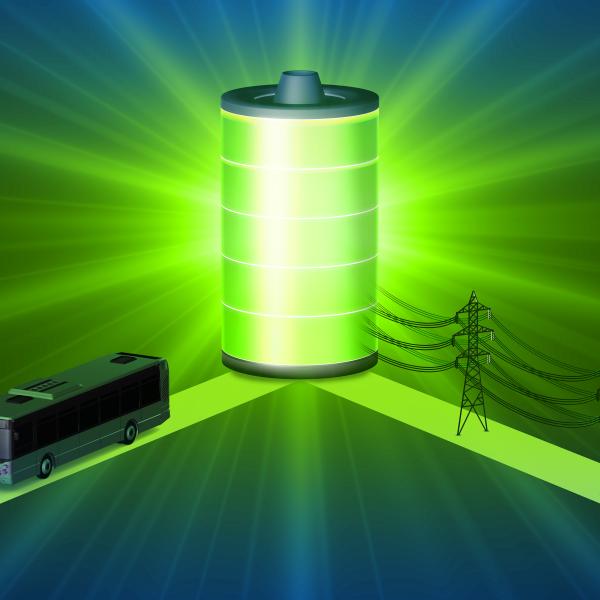
Batteries come in many shapes and sizes, but their materials can be hard to source. SLAC researchers are trying to build them with more...

This is a graphic representation of a battery and the things that batteries can power
Feature

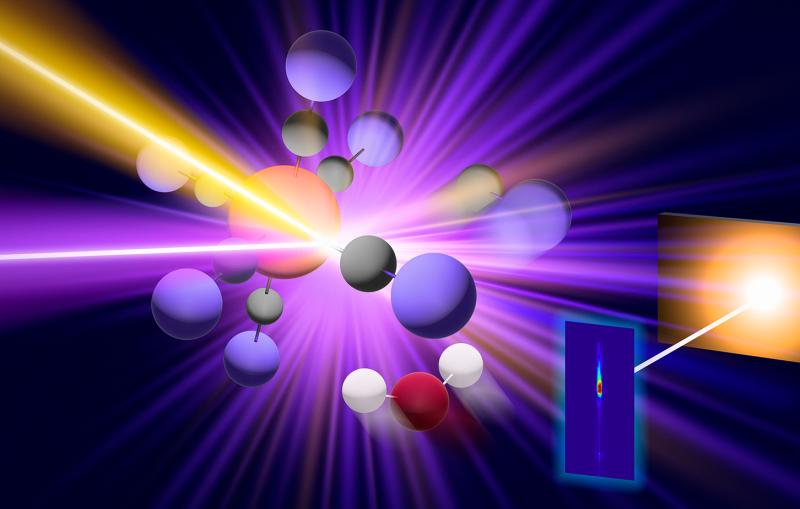
Chemical reactions often involve intermediate steps that are too fast and complex for us to see  – even using our most advanced scientific instruments...

This is a graphic representation of an intermediate chemical reaction. The image shows the chemical reaction, a laser, X-rays and a detector system.
News Release

After decades of effort, scientists have finally seen the process by which nature creates the oxygen we breathe using SLAC’s X-ray laser.

Photosystem II
News Release

New SLAC-Stanford Battery Center bridges the gaps between discovering, manufacturing and deploying innovative energy storage solutions. 

Illustration showing a battery researcher at left, a battery at center and a grid of battery applications at right.
Feature

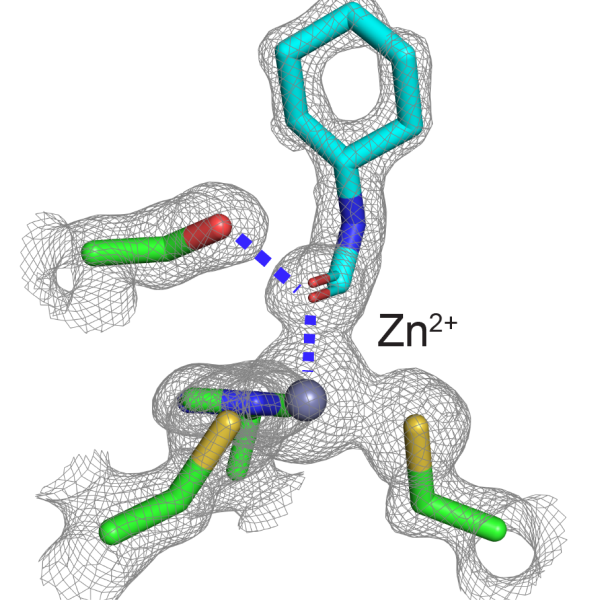
A molecule with hooks that can grip and disable the virus’s pesky protease shows potential for fighting infection.

This graphic illustration shows how a SARS-CoV-2 protease attaches to a new molecule. The new molecule is meant to slow the virus inside an infected person.
Feature

SLAC researcher Sadasivan Shankar talks about a new environmental effort starting at the lab – building a roadmap that will help researchers improve the...

Sadasivan Shankar
News Brief

His work has led to new treatments for advanced lung cancer and a better understanding of dangerous parasites.

Blaine Mooers