


SLAC topics

Stanford Synchrotron Radiation Lightsource (SSRL) RSS feed

SSRL is a pioneering synchrotron radiation facility known for outstanding science, technological innovation and user support. It provides extremely bright X-rays that scientists use for a wide range of research that probes matter on the scales of atoms and molecules.
Visit SSRL website

Browse tagged content

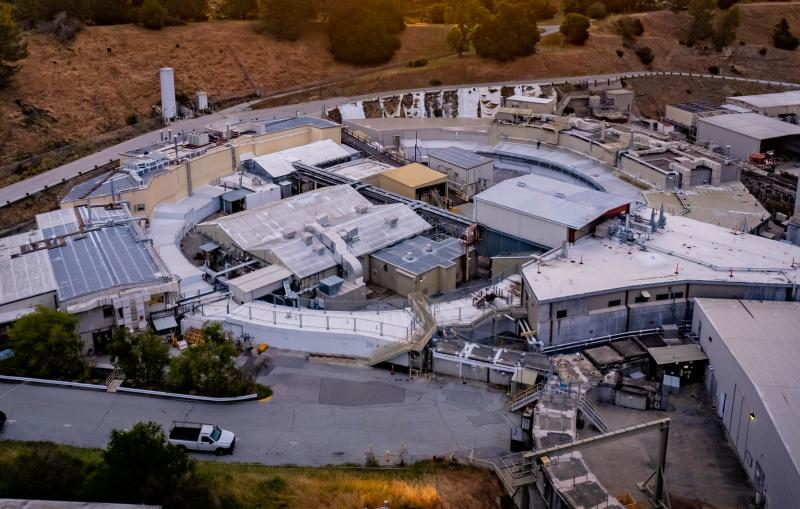
Aerial view of Stanford Synchrotron Radiation Lightsource (SSRL)
News Release

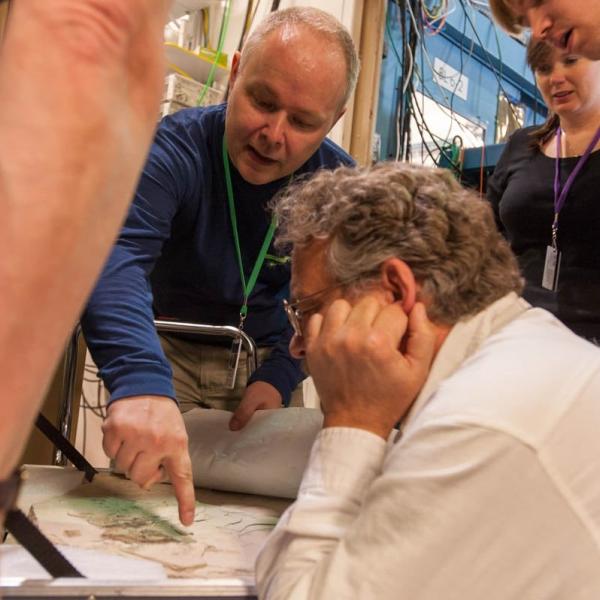
At first glance the beautifully bound 1797 Luigi Cherubini opera Médée looks like an impeccably preserved relic of opera's golden age. However, flip to...

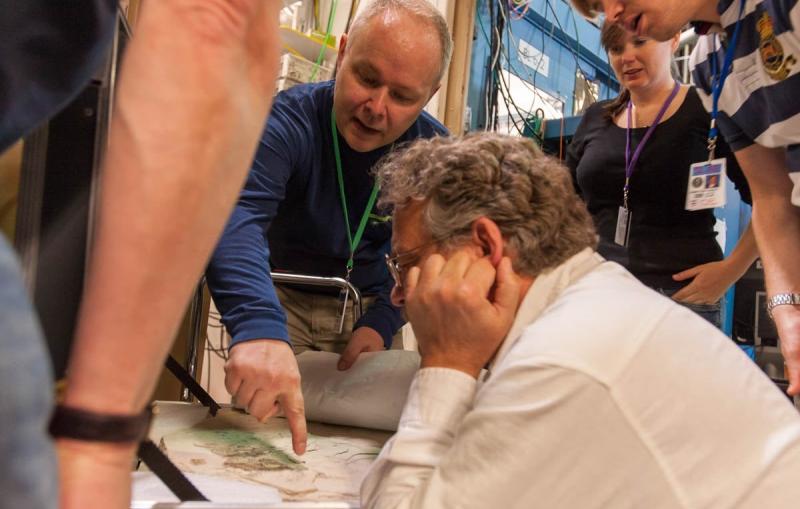
Image - Thick smudges black out parts of an aria from Luigi Cherubini's 1797 opera "Medee." (Courtesy Uwe Bergmann)
News Release

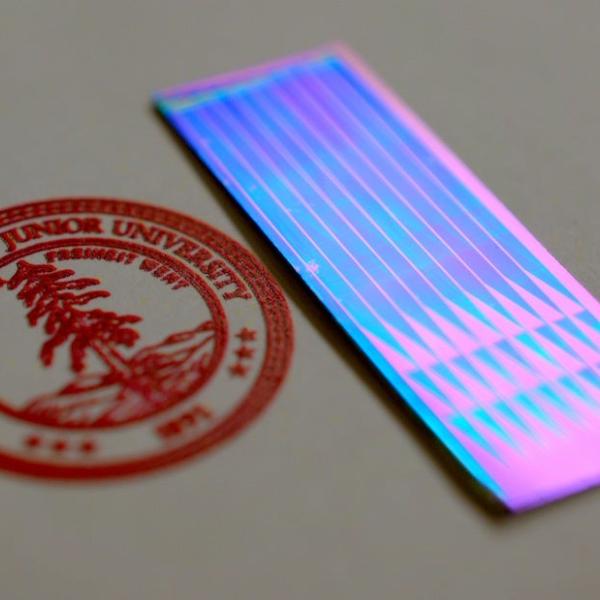
Through innovations to a printing process, researchers have made major improvements to organic electronics – a technology in demand for lightweight, low-cost solar cells...

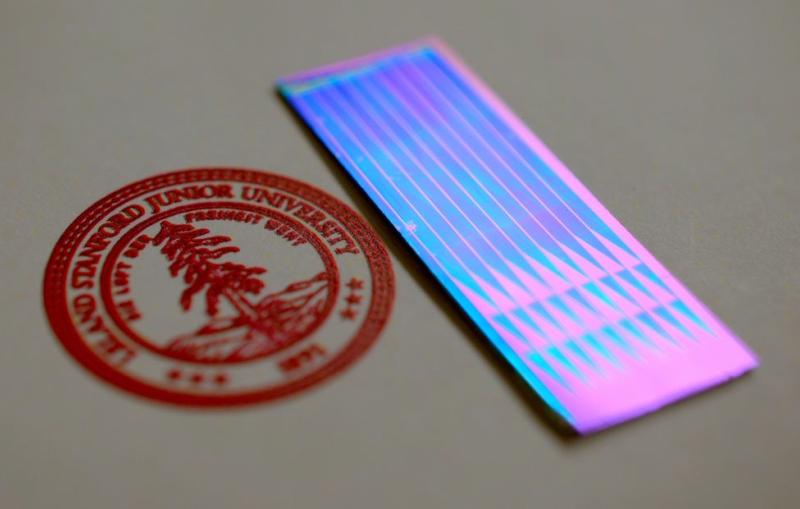
Array of 1-mm-wide by 2-cm-long single-crystal organic semiconductors
Feature

Two SLAC-affiliated professors were recently elected members of the American Academy of Arts and Sciences.

Photos of SLAC-affiliated professors Bienenstock (left) and Michelson (right)
Feature

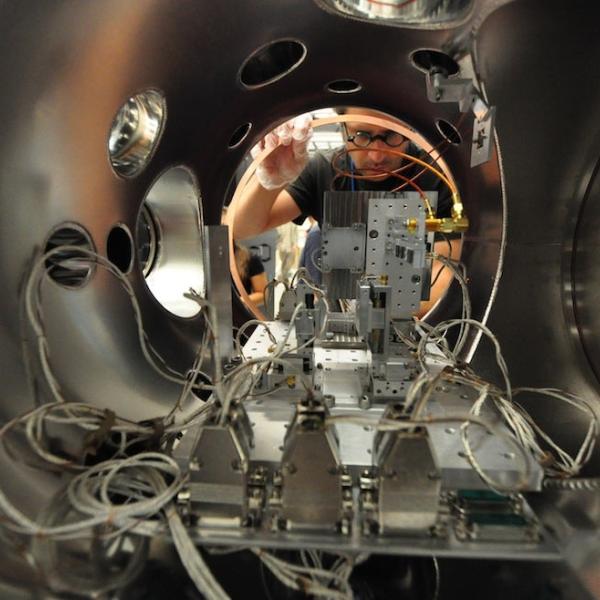
Using laser light to read and write magnetic data by quickly flipping tiny magnetic domains could help keep pace with the demand for faster...

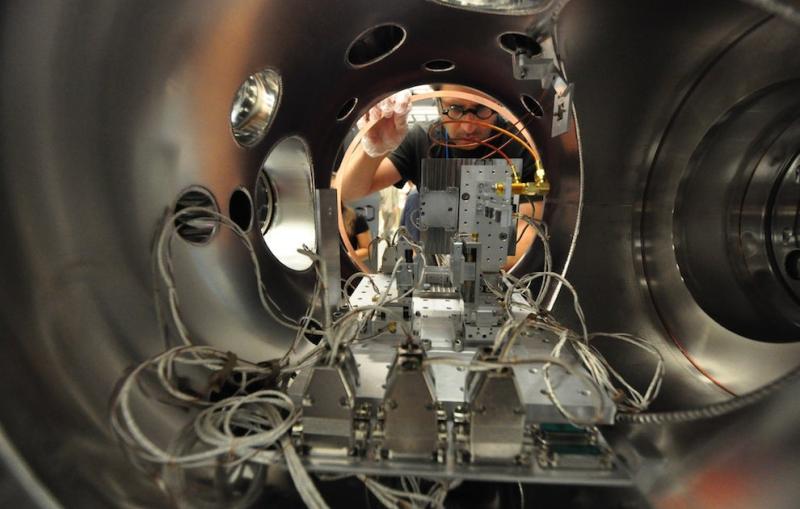
Photo - inside RCI sample chamber
Feature

Since 2009, SLAC scientist John Bargar has led a team using synchrotron-based X-ray techniques to study bacteria that help clean uranium from groundwater in...

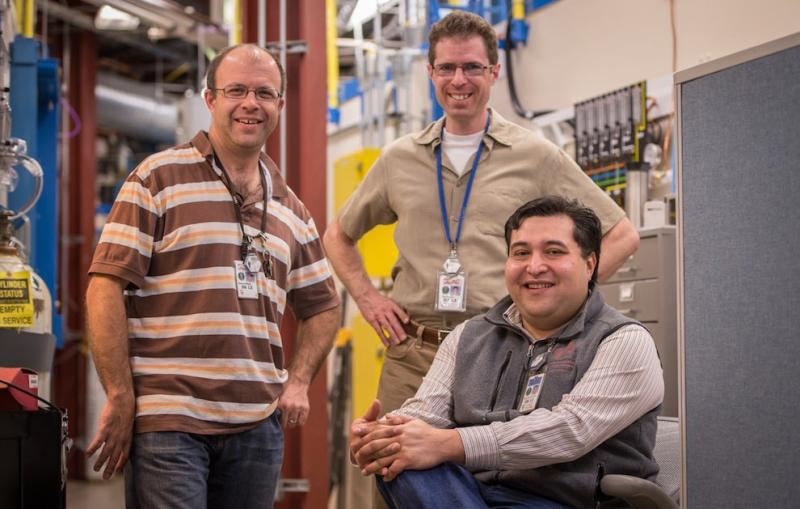
Photo - Sam Webb, John Bargar and Juan Lezama-Pacheco...
Feature

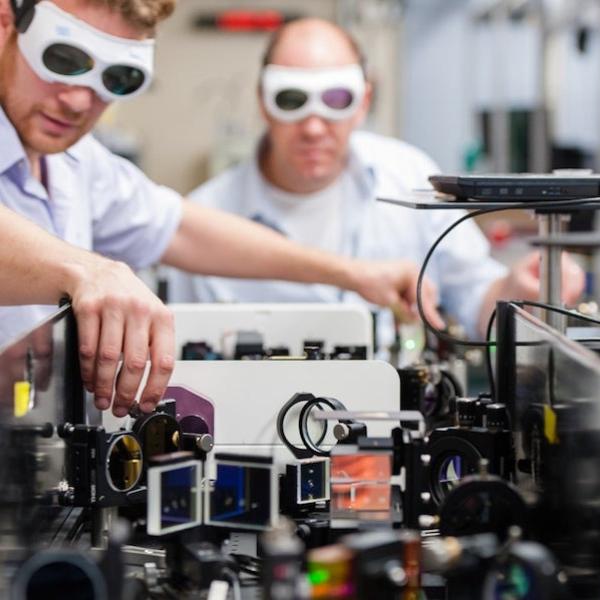
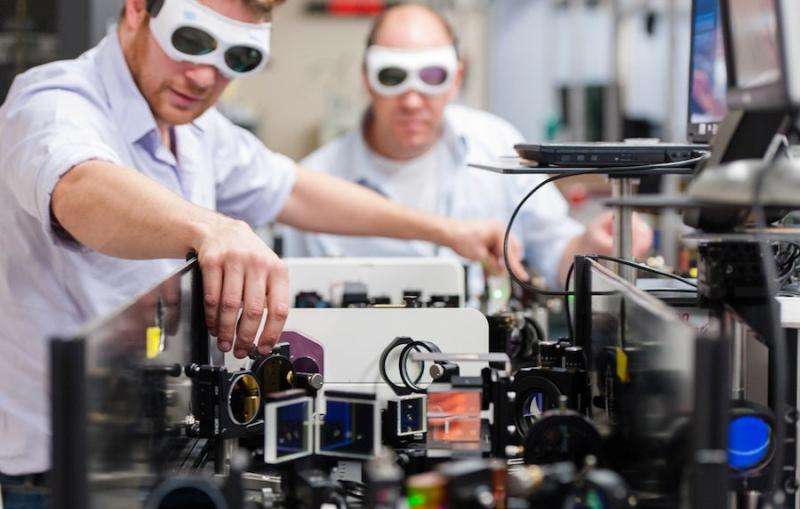
In less than a decade, SLAC has built up an impressive array of dozens of laser systems – and a team of laser scientists...

Photo - Two laser specialists wearing goggles, adjust...
Feature

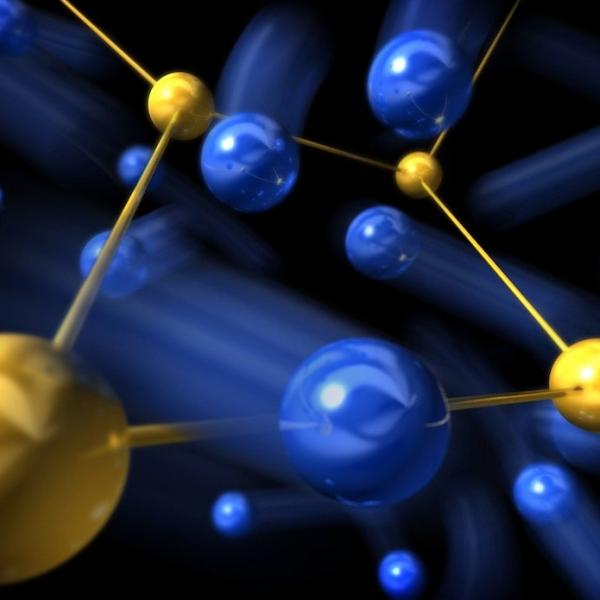
A material that could enable faster memory chips and more efficient batteries can switch between high and low ionic conductivity states much faster than...

Image - Artistic rendering of elements at atomic level.
News Release

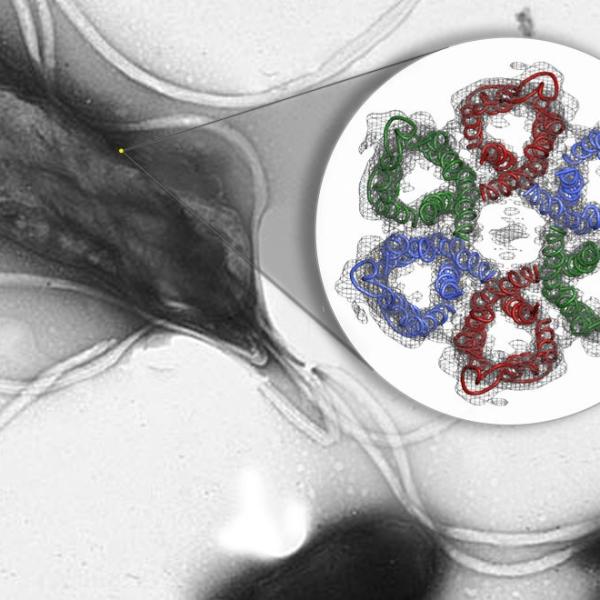
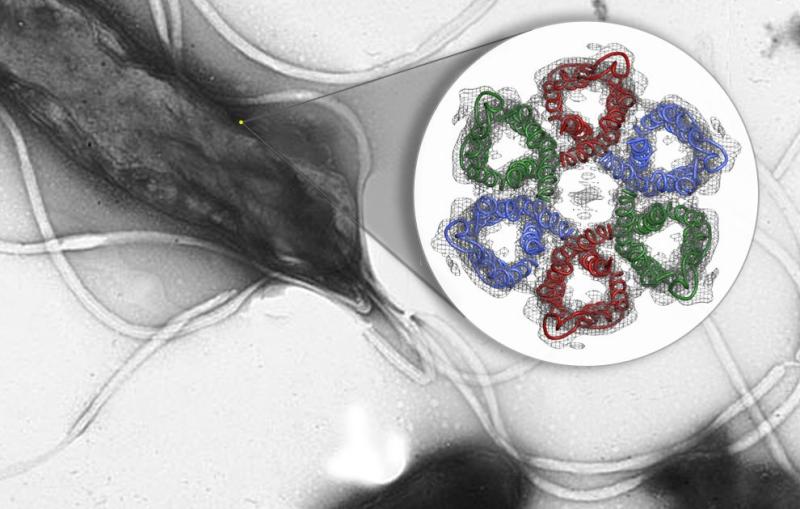
X-rays Pinpoint Drug Target for Bacteria that Affect Hundreds of Millions Worldwide

Image - Diagram of protein overlayed on microscope im...
Feature

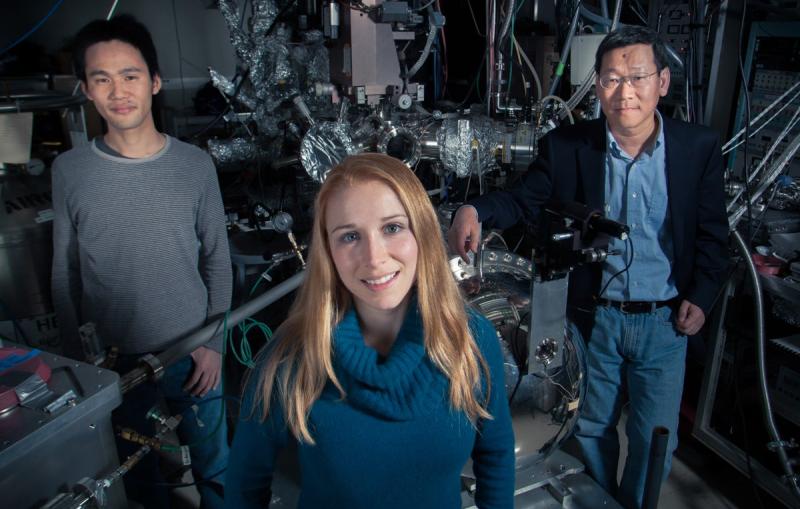
A team led by SLAC and Stanford scientists has made an important discovery toward understanding how a large group of complex copper oxide materials...

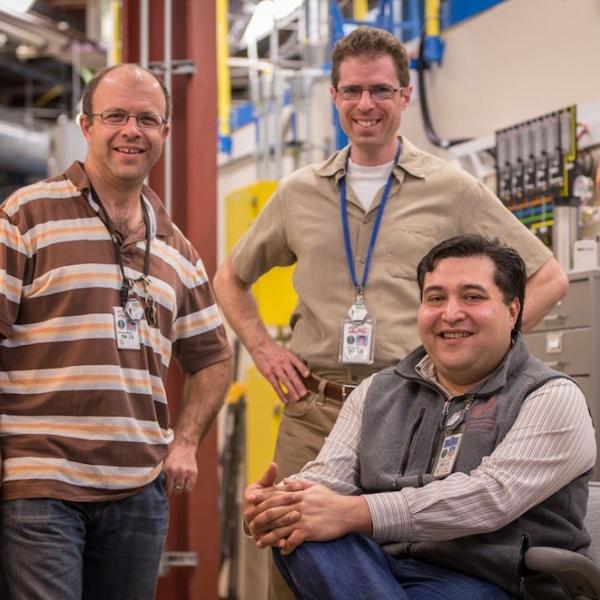
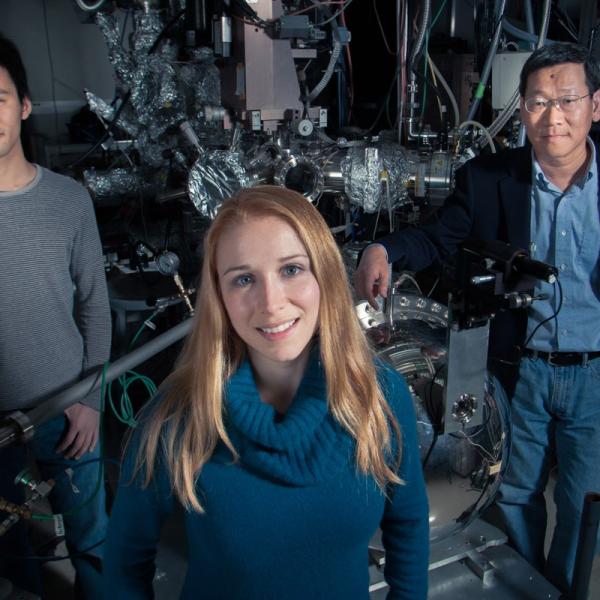
Photo - Scientists standing with equipment at SLAC.
Feature

Understanding why proteins interact with certain specific molecules and not with the myriad others in their environment is a major goal of molecular biology.

Conceptual art showing proteins and viruses
Feature

Most electric cars, from the Tesla Model S to the Nissan Leaf, run on rechargeable lithium-ion batteries – a pricey technology that accounts for...

Mike Toney and Johanna Nelson at SSRL
Feature

Condensed-matter physicists the world over are in hot pursuit of a comprehensive understanding of high-temperature superconductivity, not just for its technological benefits but for...

 False-color plots of the superconducting gap distribution of BaFe2(As0.7P0.3)2