SLAC topics

Stanford Synchrotron Radiation Lightsource (SSRL) RSS feed

SSRL is a pioneering synchrotron radiation facility known for outstanding science, technological innovation and user support. It provides extremely bright X-rays that scientists use for a wide range of research that probes matter on the scales of atoms and molecules.
Visit SSRL website

Browse tagged content

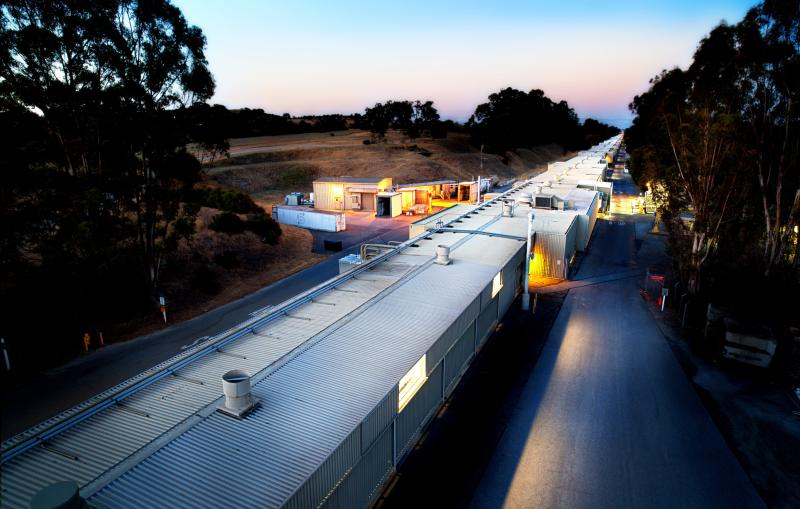
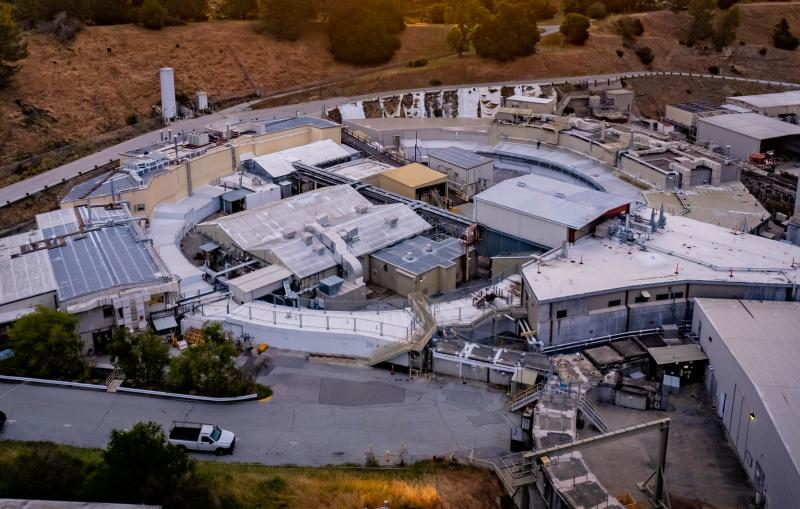
Aerial view of Stanford Synchrotron Radiation Lightsource (SSRL)
Feature

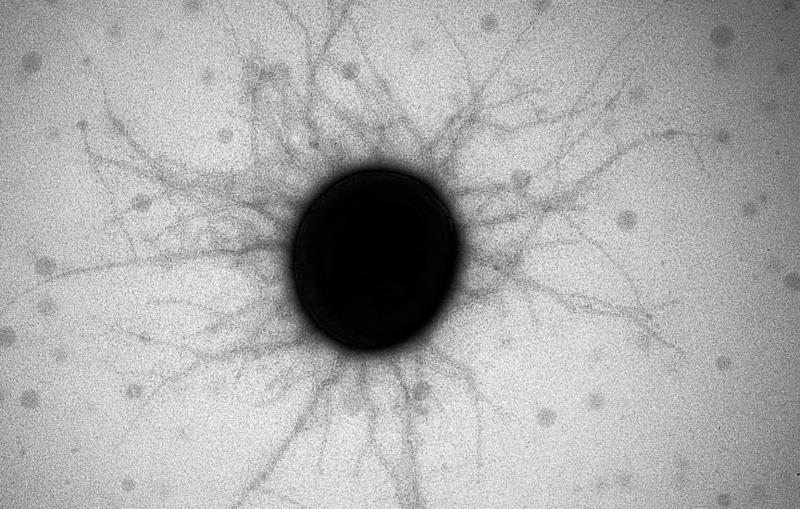
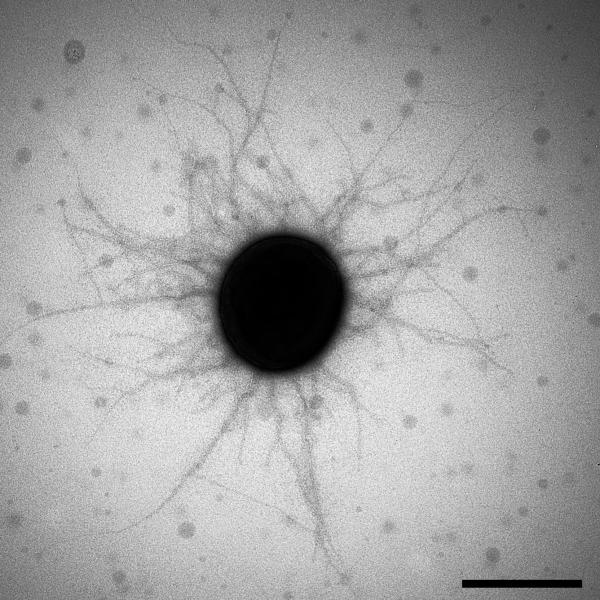
New insights into how bacteria interact with host cells could help fight off harmful microbes.

News Release

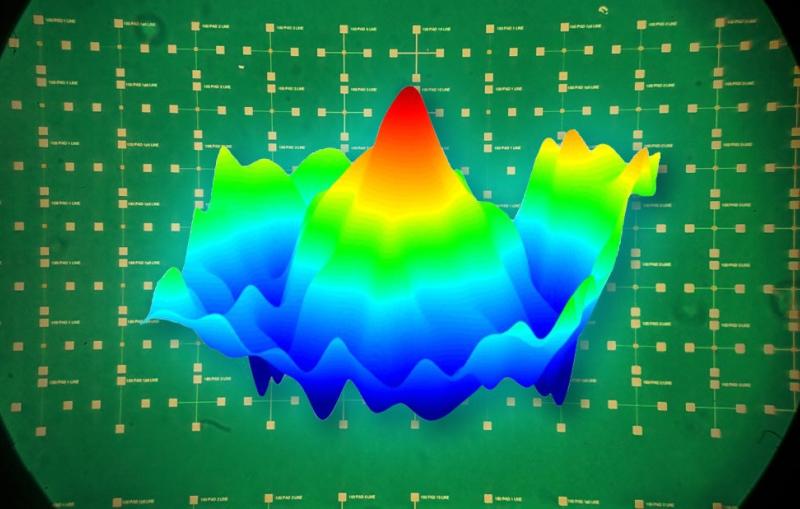
Scientists have used X-rays to observe exactly how silver electrical contacts form during manufacturing of solar modules.

Feature

Scientists have determined in atomic detail how a potential drug molecule fits into and blocks a channel in cell membranes that Ebola and related...

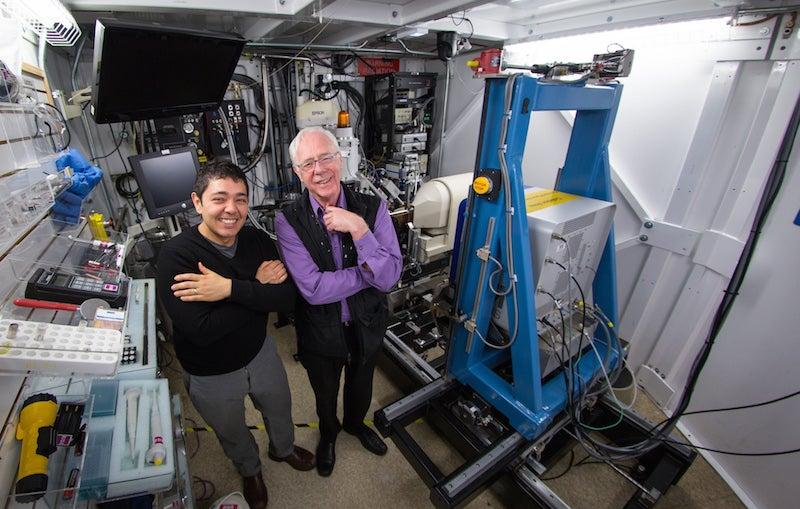
Alex Kintzer and Robert Stroud at SLAC's Stanford Synchrotron Radiation Light Source.
Feature

Contributions to LIGO have come from many Stanford teams, including SLAC, Applied Physics, Mechanical Engineering, Aeronautics and Astronautics and the School of Earth, Energy...

News Release

Menlo Park, Calif.

Feature

Ian Wilson explains how scientists have found a way to induce antibodies to fight a range of influenza viruses, which could some day eliminate...

Feature

View photos of upgrades and new equipment at the Stanford Synchrotron Radiation Lightsource (SSRL) that will enable scientists to study photosynthesis, superconductors and other...

Feature

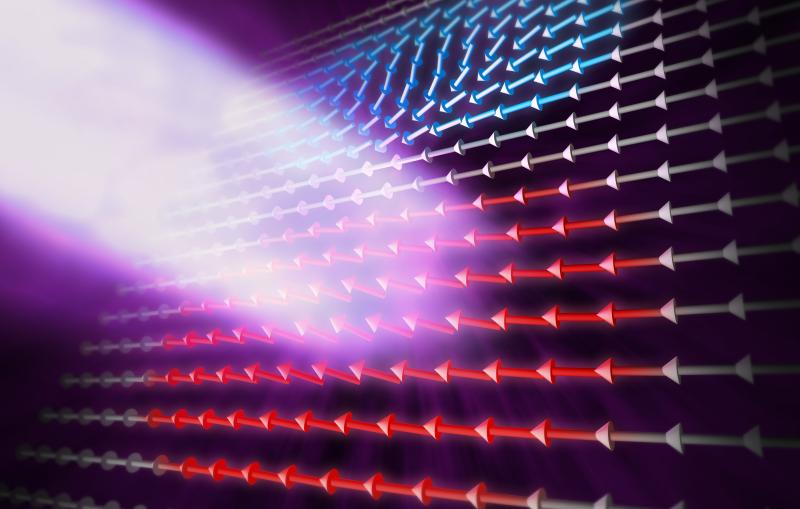
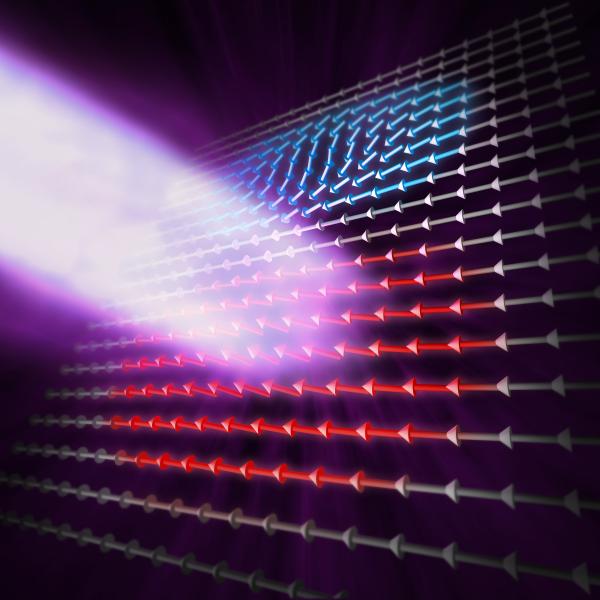
Scientists working at SLAC have for the first time directly observed a phenomenon that allows magnetic waves to travel a long distance with no...

Image - X-rays at SSRL (purple) measure a special type of magnetic wave, called a spin wave soliton, that has the ability to hold its shape as it moves across a magnetic material. The arrows represent the magentic orientation in the material.
News Release

A team led by SLAC scientists combined powerful magnetic pulses with some of the brightest X-rays on the planet to discover a surprising 3-D...

Image - In this artistic rendering, a magnetic pulse (right) and X-ray laser light (left) converge on a superconductor material to study the behavior of its electrons. (SLAC National Accelerator Laboratory)
Feature

A process developed by Stanford and SLAC scientists has potential for scaling up to manufacture clear, flexible electrodes for solar cells, displays and other...

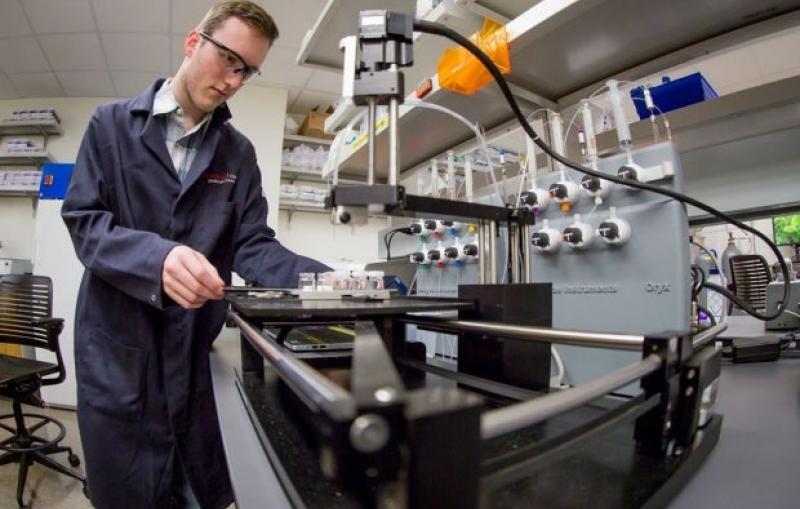
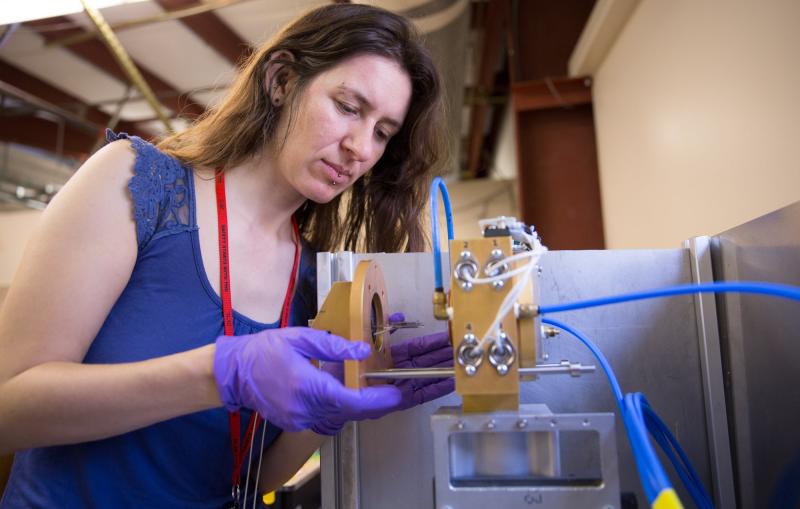
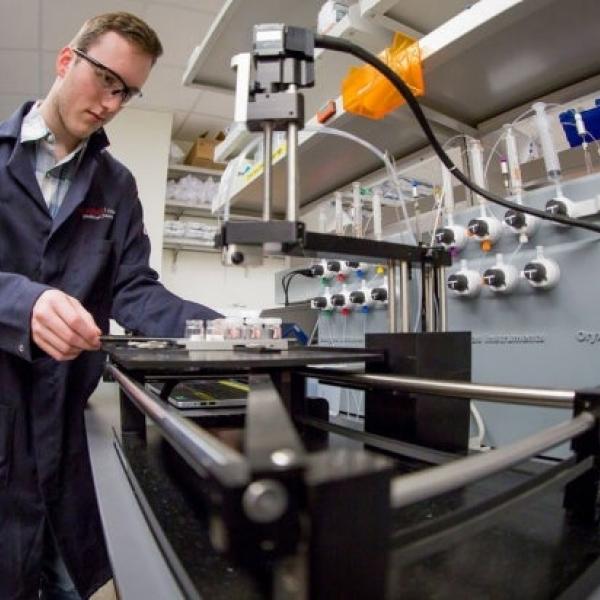
Stanford and SLAC postdoctoral researcher Sean Andrews with solution shearing instrument
Feature

An all-day symposium recognized the professor emeritus for his many contributions to the scientific community, from pioneering synchrotron radiation research at SSRL to making...

Feature

A physicist at Argonne National Laboratory has been recognized for pioneering experiments at SLAC that helped establish a new way to study the structure...

Image - Paul Fuoss (SLAC National Accelerator Laboratory)