SLAC topics

Stanford Synchrotron Radiation Lightsource (SSRL) RSS feed

SSRL is a pioneering synchrotron radiation facility known for outstanding science, technological innovation and user support. It provides extremely bright X-rays that scientists use for a wide range of research that probes matter on the scales of atoms and molecules.

Visit SSRL website

Browse tagged content

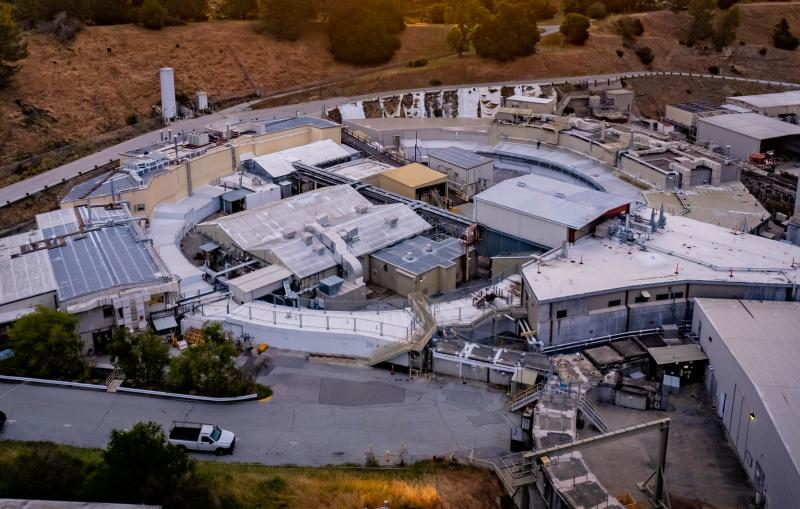
Aerial view of Stanford Synchrotron Radiation Lightsource (SSRL)
Feature

X-ray studies at SLAC have observed an exotic property that could improve performance in ever-smaller computer components.

3-D negative electronic compressibility, observed for the first time in research conducted, in part,
Feature

Anne Sakdinawat, a SLAC scientist, has been selected to receive a grant to advance her work in producing and using new types of X-ray...

Image - Anne Sakdinawat (SLAC National Accelerator Laboratory)

Feature

Scientists at SLAC and Utrecht University have identified how catalysts degrade when used to refine crude oil.

Image - Research at the Department of Energy’s SLAC National Accelerator Laboratory could lead to more efficient gasoline production. (@iStockphoto/Patryk Kosmider)
Feature

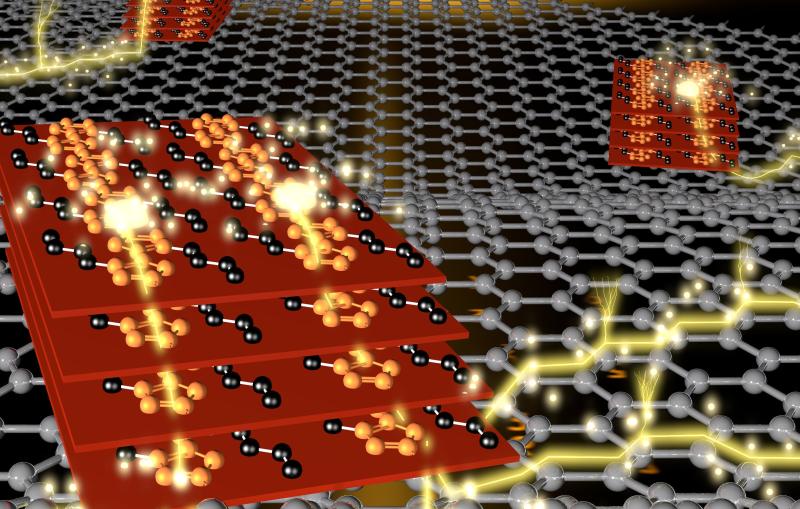
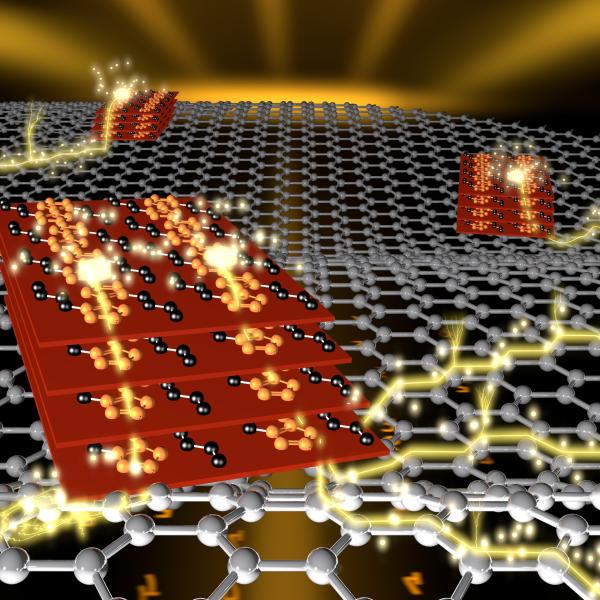
Recent experiments at SLAC's SSRL reveal that an organic semiconductor transports electrical charge more efficiently when combined with the wonder material graphene.

News Release

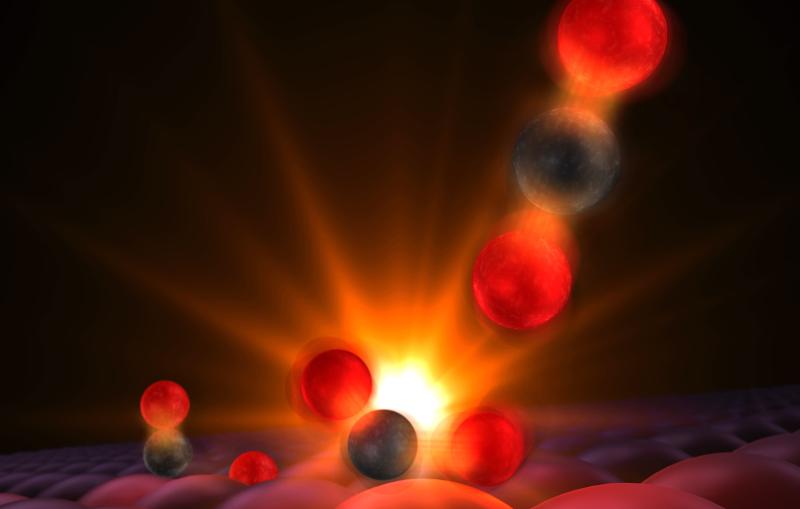
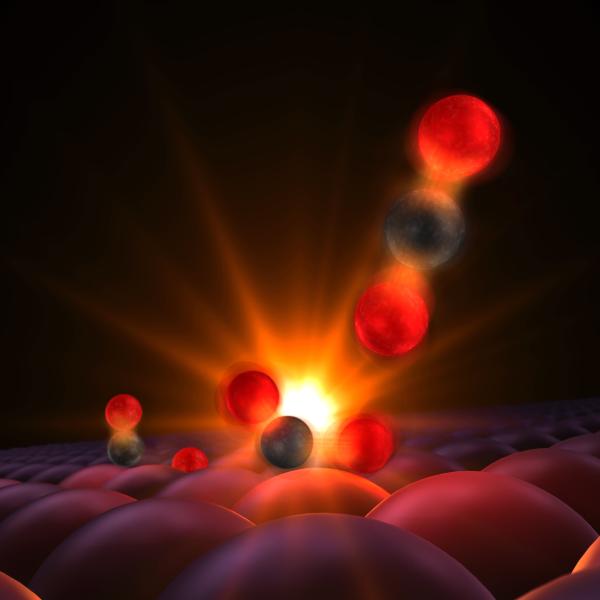
Scientists have used an X-ray laser at SLAC to get the first glimpse of the transition state where two atoms begin to form a...

Illustration of a transition state in a chemical reaction.
Feature

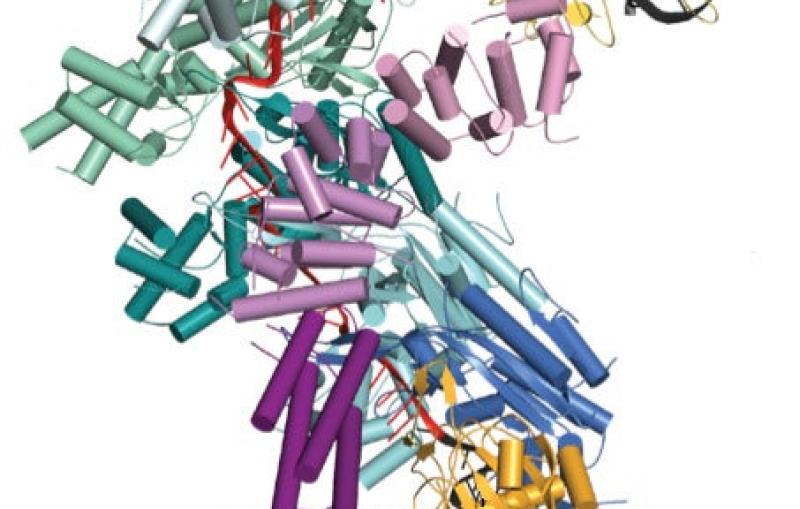
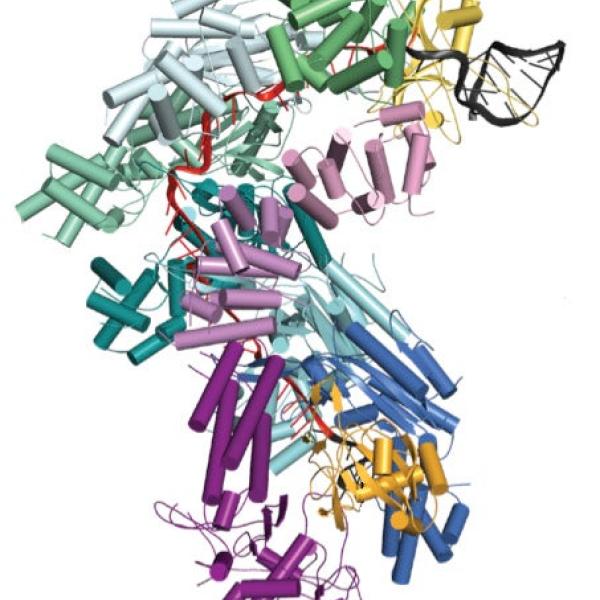
Research reveals that the bacterial immune system can better destroy viral attackers by saving genetic records of previously encountered viruses.

Feature

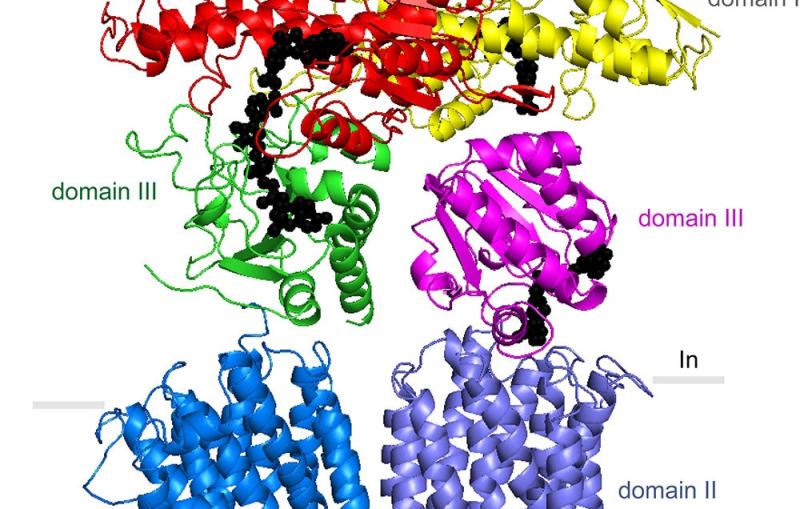
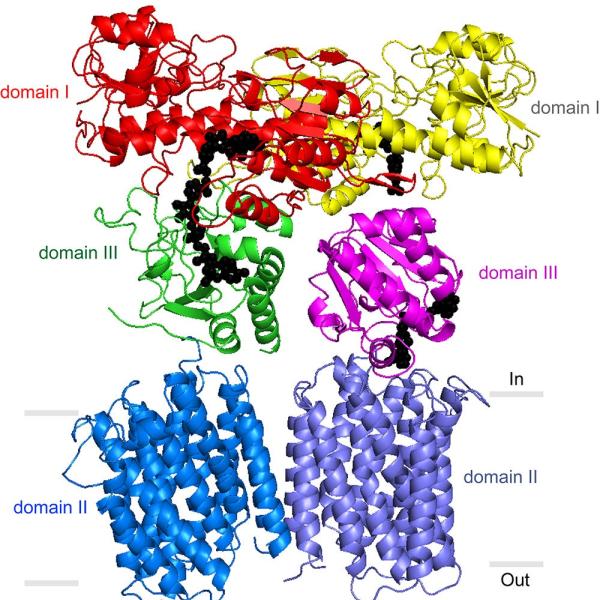
Research performed in part at SLAC has provided new insights into how "TH proteins" couple two important processes needed to maintain healthy cells.

Feature

He’s known for exploring fundamental properties of novel materials on the nanoscale, and for developing new tools for the exploration.

Stanford and SLAC Professor Tony Heinz
Feature

In an important step toward handling the nation’s uranium milling legacy, researchers try to understand why contamination at remediated uranium processing sites continues to...

Feature

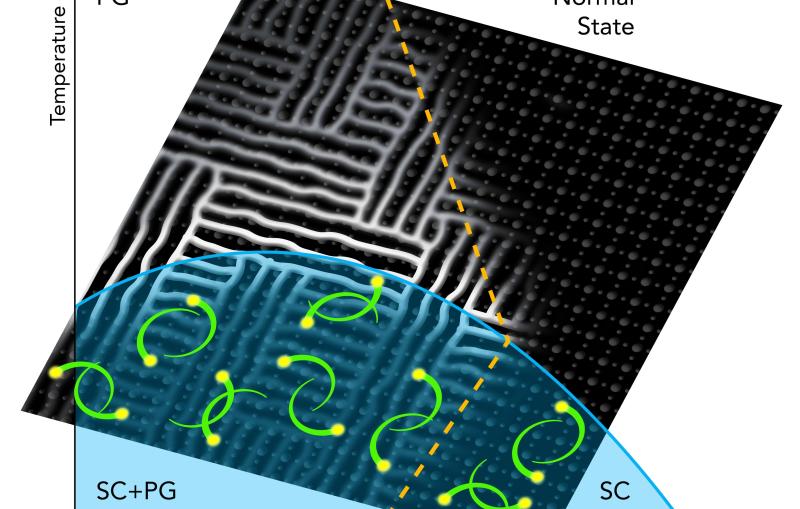
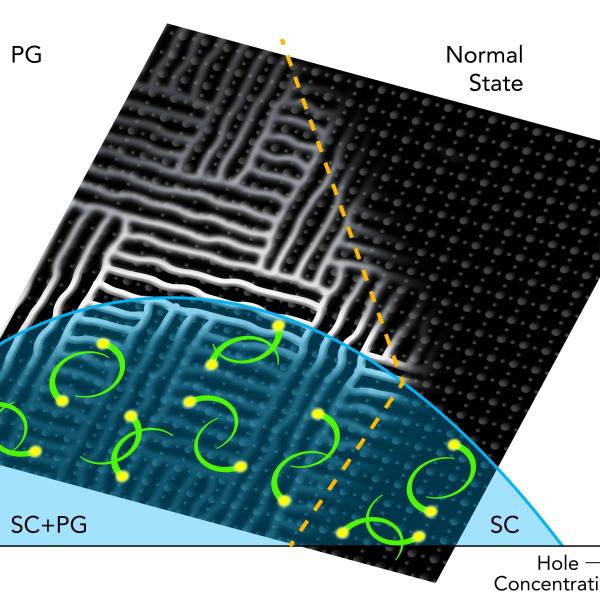
SLAC study shows the so-called ‘pseudogap’ hoards electrons that otherwise might pair up to carry current through a material with 100 percent efficiency.

Feature

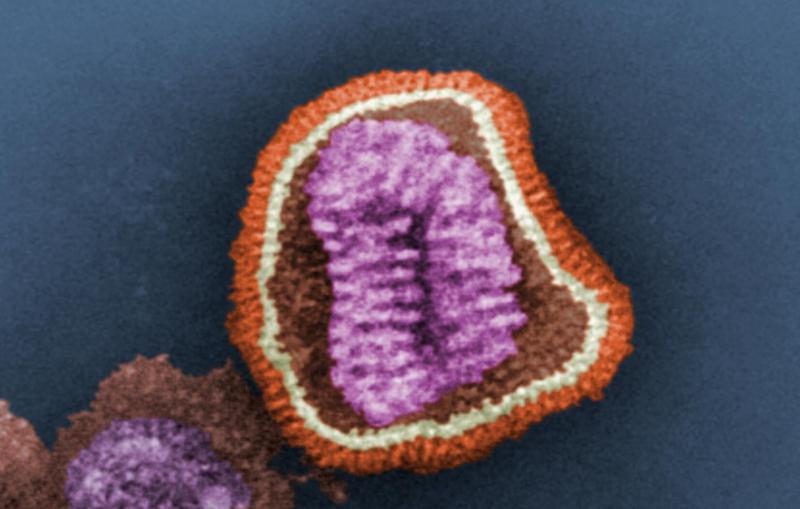
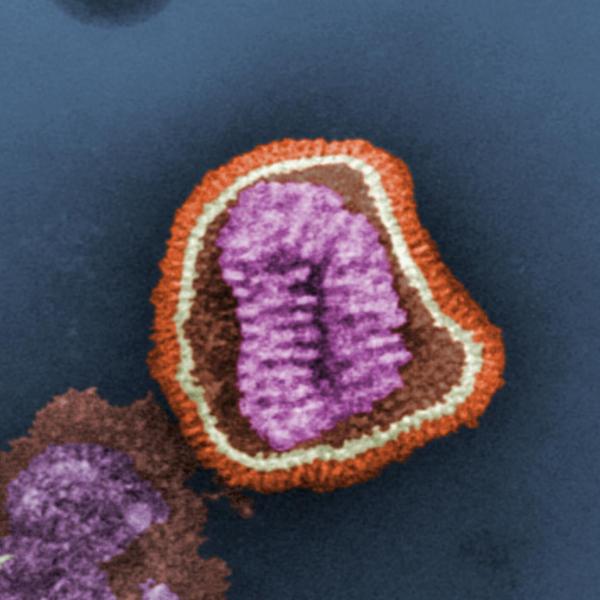
Understanding details of a flu antibody offers new insight for future structure-based drug discovery and novel avenues for designing vaccines.

A false color image of an influenza virus particle
Feature

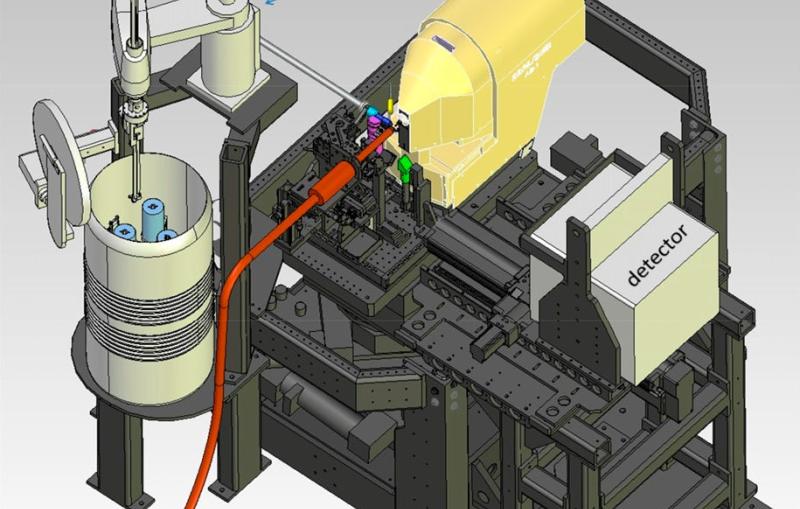
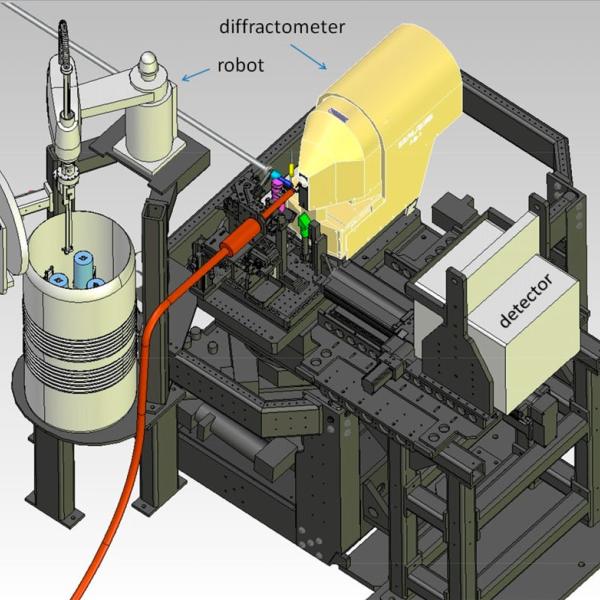
Scientists at the Department of Energy’s SLAC National Accelerator Laboratory are combining the speed and precision of robots with one of the brightest X-ray...

This illustration shows the components in an experimental setup used in crystallography experiments at SLAC's Linac Coherent Light Source X-ray laser.