SLAC topics

Stanford Synchrotron Radiation Lightsource (SSRL) RSS feed

SSRL is a pioneering synchrotron radiation facility known for outstanding science, technological innovation and user support. It provides extremely bright X-rays that scientists use for a wide range of research that probes matter on the scales of atoms and molecules.
Visit SSRL website

Browse tagged content

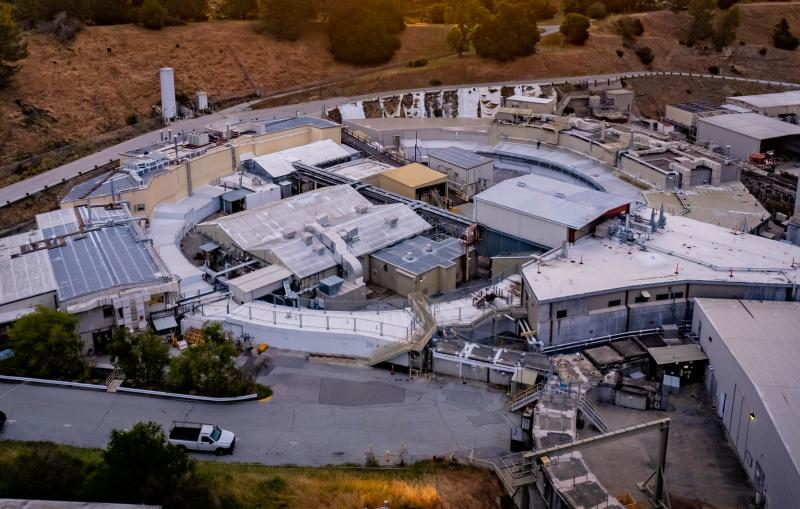
Aerial view of Stanford Synchrotron Radiation Lightsource (SSRL)
News Release

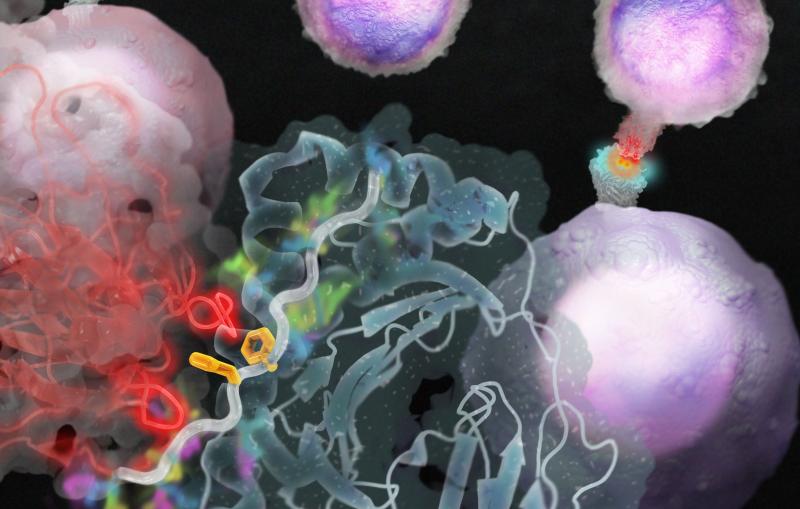
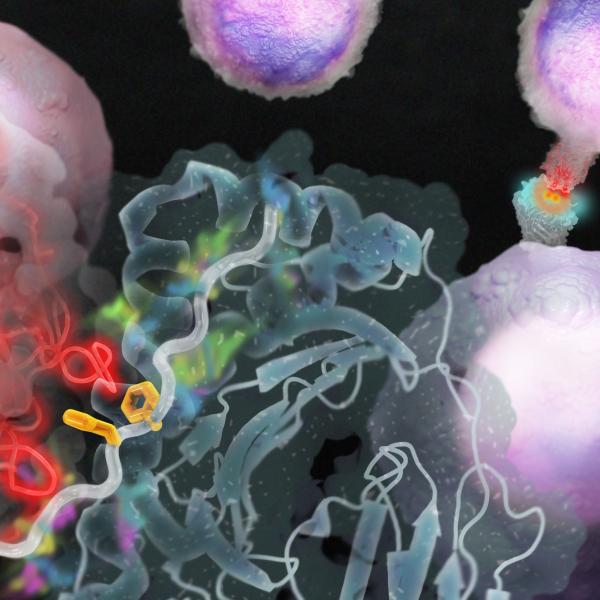
By finding surprising similarities in the way immune system defenders bind to disease-causing invaders, a new study may help scientists develop new treatments.

Conceptual art - see caption
Feature

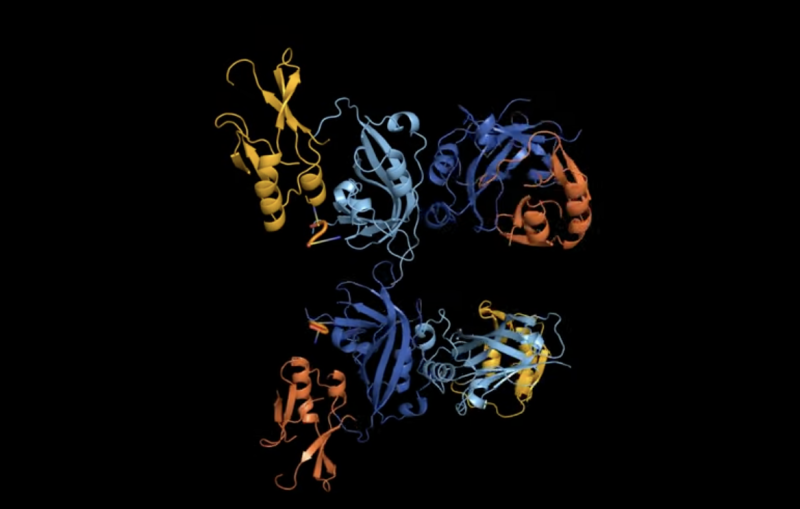
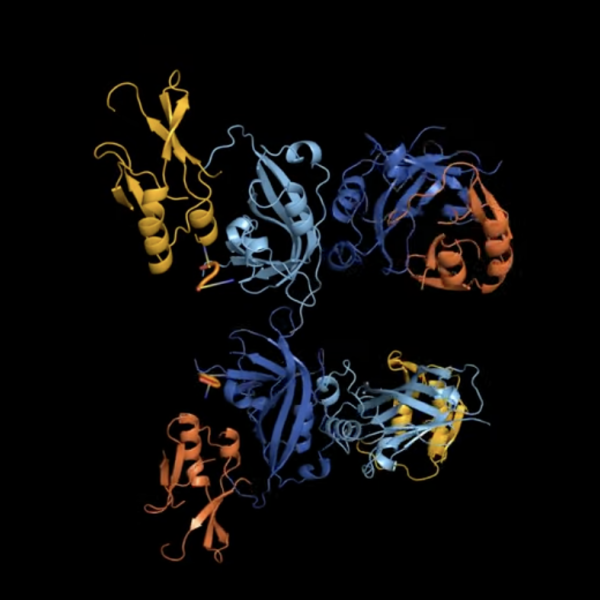
Researchers have discovered that an Ebola virus protein can transform into three distinct structures with different functions. This rather uncommon property provides new clues...

ebola protein
Feature

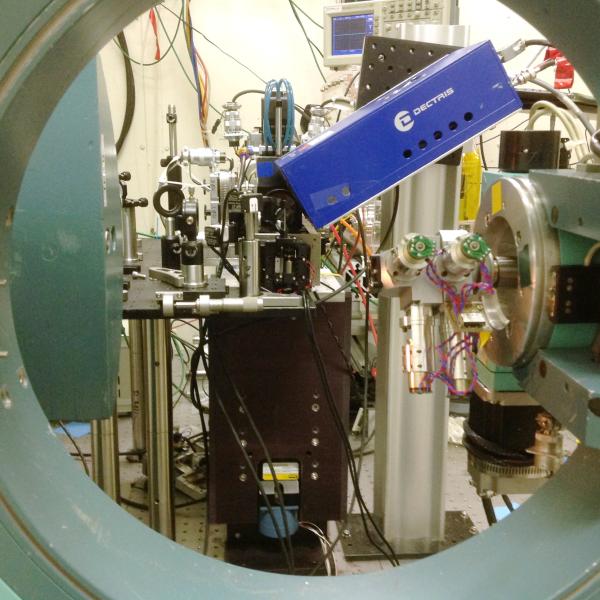
In a recent experiment at SLAC's Stanford Synchrotron Radiation Lightsource, scientists "tickled" atoms to explore the flow of heat and energy across materials at...

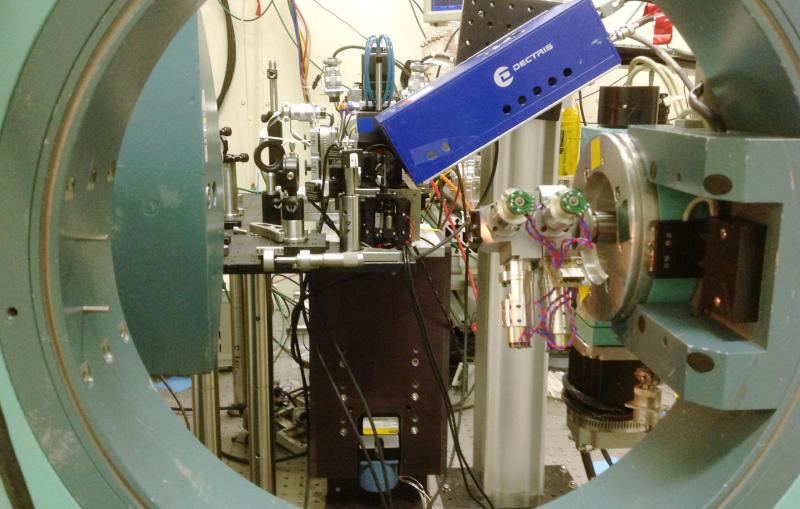
Photo - A view of a materials science experimental setup at SLAC's Stanford Synchrotron Radiation Lightsource (SSRL). The circular instrument that frames this photo is part of a diffractometer that was used to align samples and a detector with X-rays.
Feature

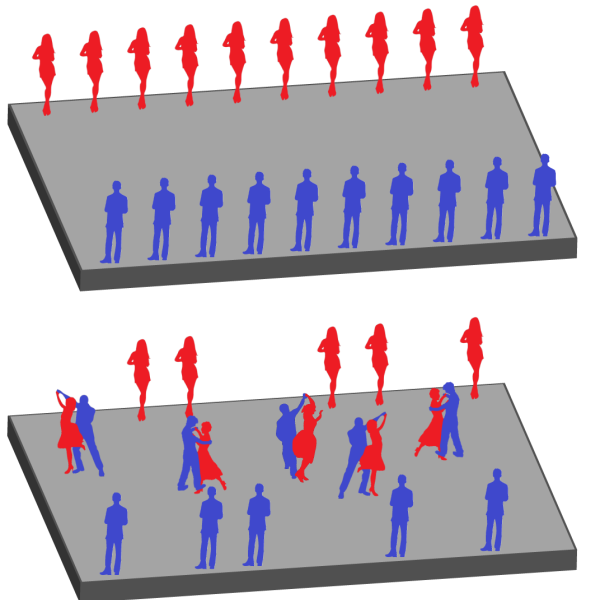
Scientists at SLAC and Stanford show how high-temperature superconductivity emerges out of magnetism in an iron pnictide, a class of materials with great potential...

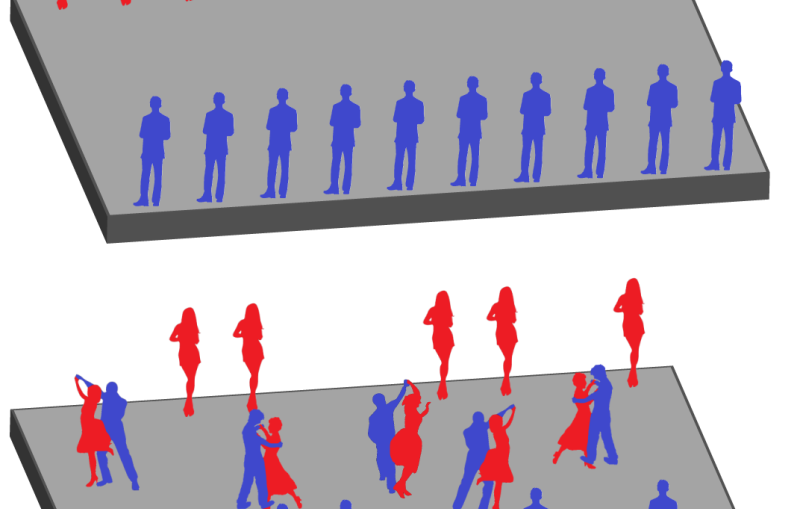
An illustration of electrons pairing up like dancers at a party
Feature

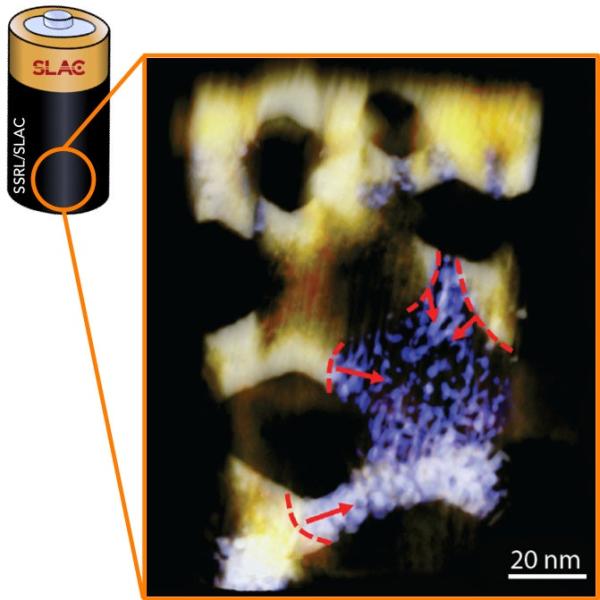
Windows that darken to filter out sunlight in response to electric current, function much like batteries. Now, X-ray studies at SLAC provide a crystal-clear...

lithium ions interact with an ultrathin sheet of nickel oxide
Feature

SLAC researchers have found a new way to transform graphite into diamond. The approach may have implications for industrial applications ranging from cutting tools...

Feature

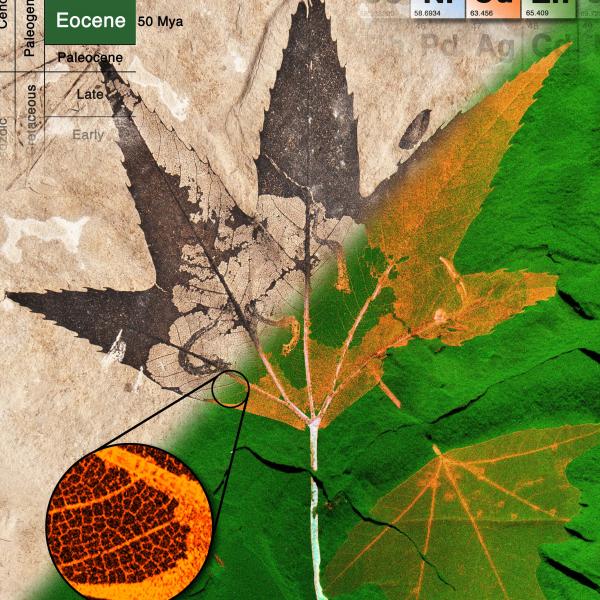
X-ray studies conducted at SLAC and in the United Kingdom have resurrected the detailed chemistry of 50-million-year-old leaves from fossils found in the western...

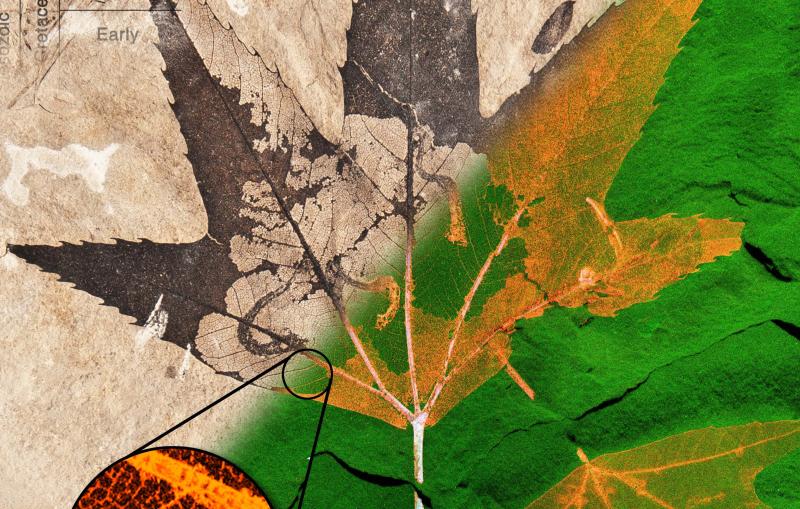
A composite optical and X-ray image (red is copper, green is zinc, blue is nickel) of a 50-million-year-old leaf fossil. Trace metals correlate with the leaf's original biological structures. Also visible are ancient caterpillar feeding tubes.
News Release

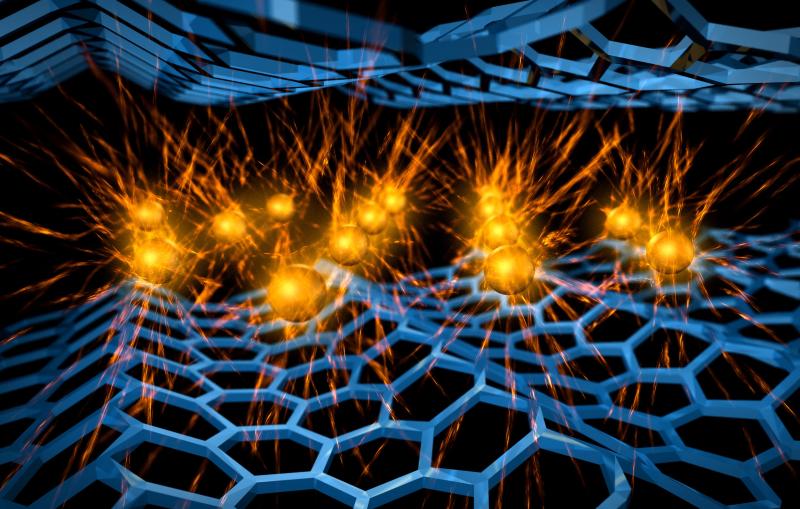
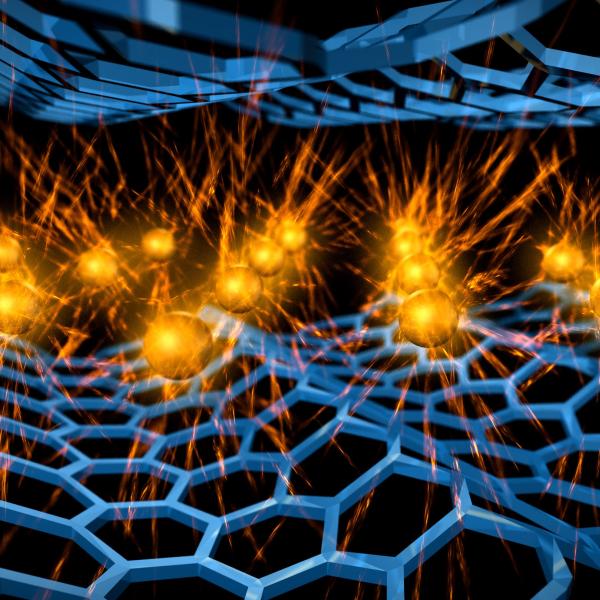
Scientists have discovered a potential way to make graphene – a single layer of carbon atoms with great promise for future electronics – superconducting...

Superconducting Graphene Layers
Feature

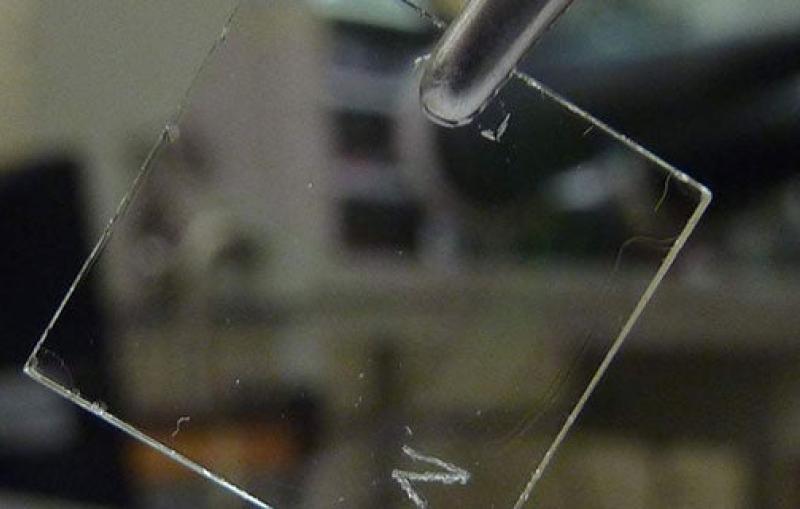
Teams from Stanford, SLAC and the University of Nebraska-Lincoln collaborate to make thin, transparent semiconductors that could become the foundation for cheap, high-performance displays.

See caption
Feature

A discovery by SLAC researchers into how chemical reactions take place on a platinum catalyst could lead to more efficient, less costly fuel cells.

Photo – SLAC researchers Hernan Sanchez Casalongue (left) and Hirohito Ogasawara
Feature

Anna Llordes from Berkeley Lab's Molecular Foundry uses SSRL's Beam Line 11-3 for clues about where the smart films her group creates for windows...

Lawrence Berkeley Lab chemist Anna Llordés with a sample of "smart" material for testing at SSRL Beam Line 11-3
Feature

Scientists working at SLAC, Stanford, Oxford, Berkeley Lab and in Tokyo have discovered a new type of quantum material whose lopsided behavior may lend...

Yulin Chen (Brad Plummer/SLAC)