
SLAC topics

Stanford Institute for Materials & Energy Sciences (SIMES) RSS feed

SIMES researchers study complex, novel materials that could transform the energy landscape by making computing much more efficient or transmitting power over long distances with no loss, for instance.
Visit SIMES website

Browse tagged content below

Polarons, bubbles of distortion in a perovskite lattice.
Feature

SIMES Researcher Developed Innovative Printing Process

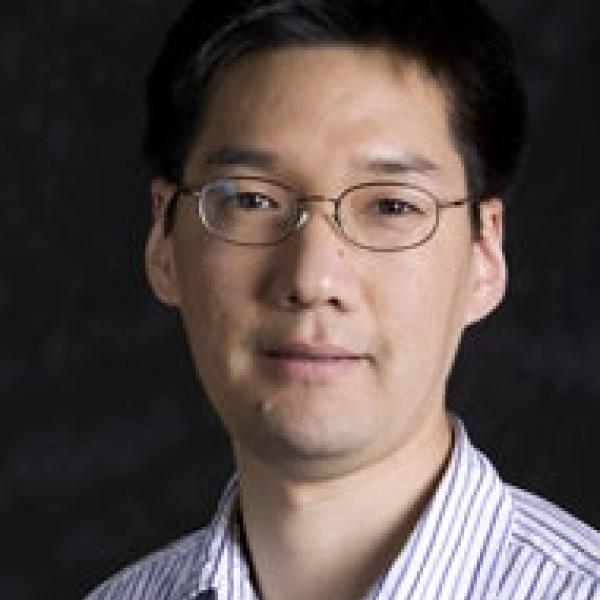
Image - Ying Diao
Feature

Researchers have taken a big step toward accomplishing what battery designers have been trying to do for decades – design a pure lithium anode.

Feature

Sulfur Cathode Experiments Test Chemistry Beyond Conventional Lithium-Ion

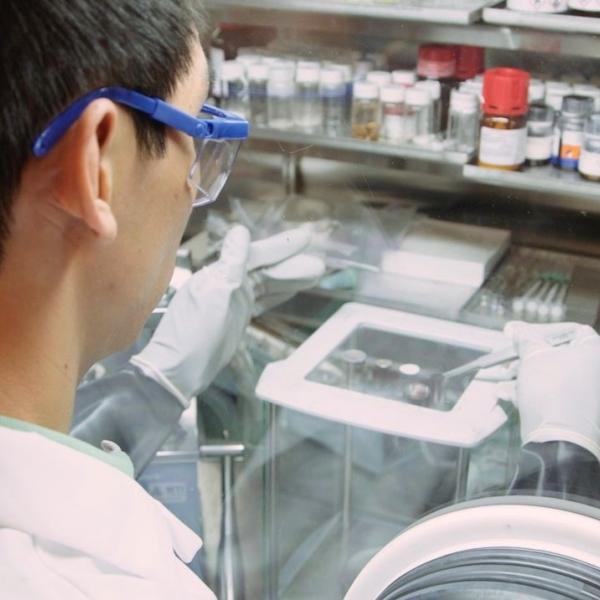
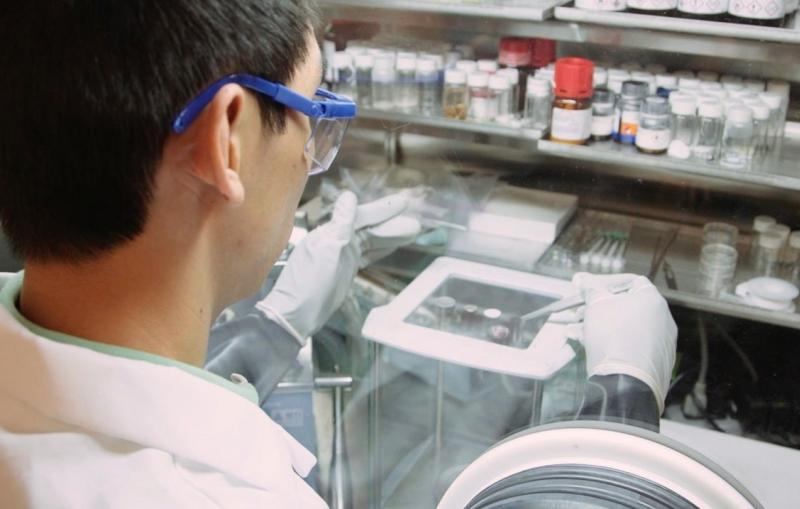
Photo - scientist preparing a dime-sized prototype battery
News Release

Using high-brilliance X-rays, researchers track the process that fuel cells use to produce electricity, knowledge that will help make large-scale

Feature

Researchers from Oxford, SIMES and Berkeley Lab say cadmium arsenide could yield practical devices with the same extraordinary electronic properties as 2-D graphene.

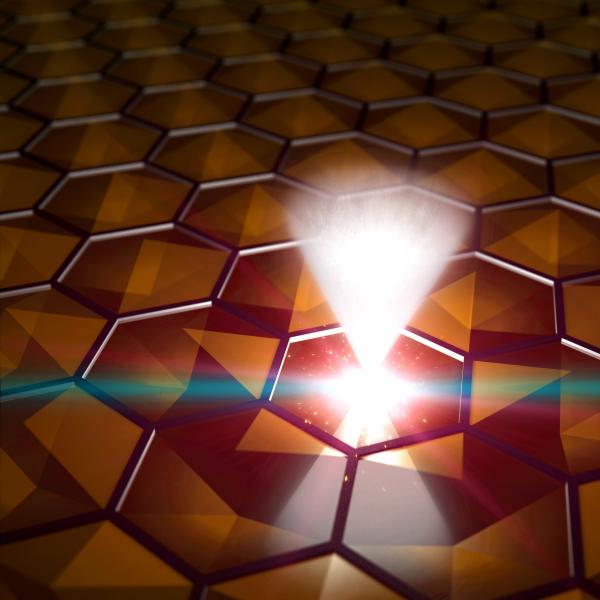
This illustration depicts fast-moving, massless electrons inside the material.
Feature

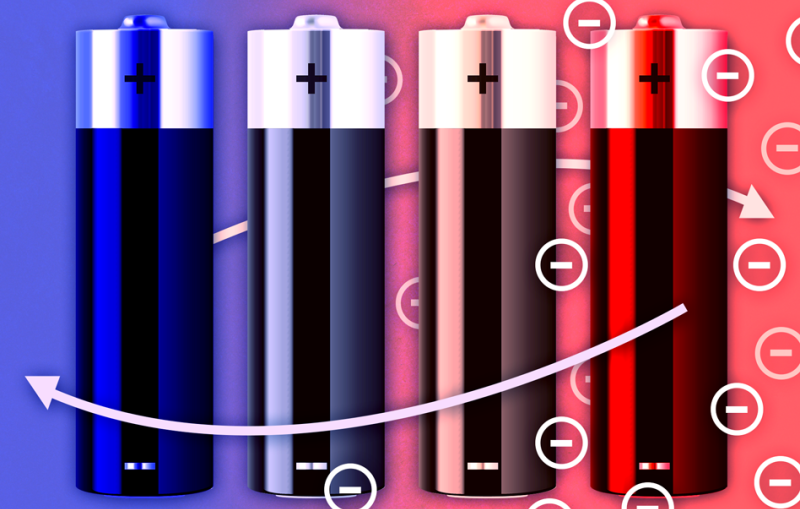
A new battery design harnesses waste heat in a four-step process: heating, charging, cooling and discharging.

Feature

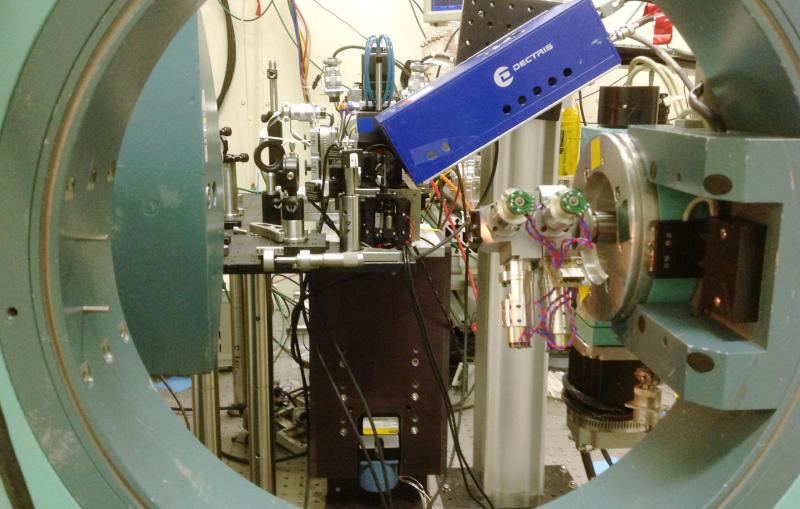
In a recent experiment at SLAC's Stanford Synchrotron Radiation Lightsource, scientists "tickled" atoms to explore the flow of heat and energy across materials at...

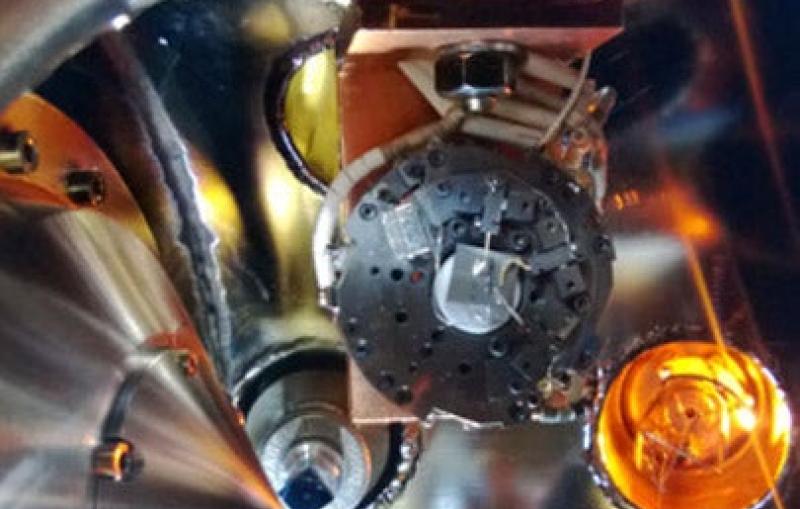
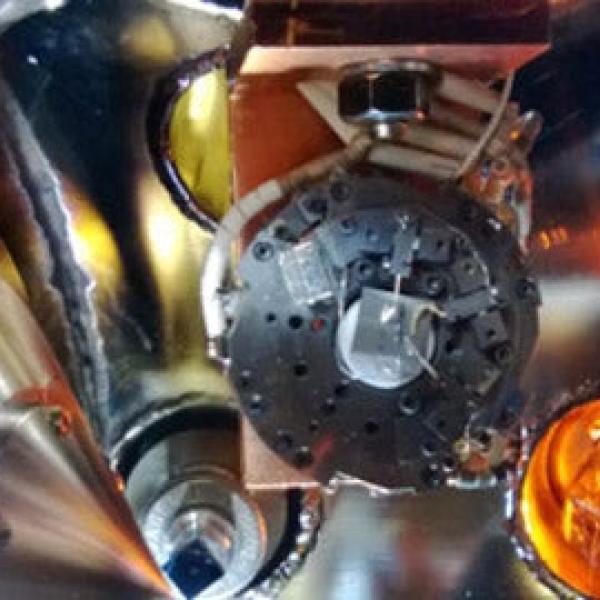
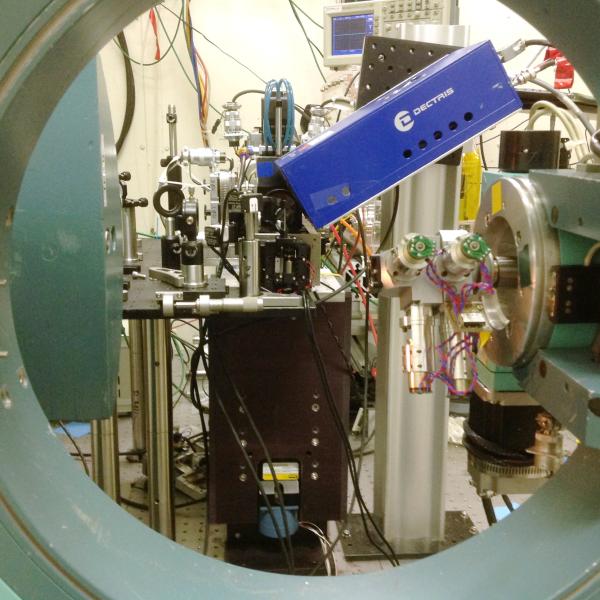
Photo - A view of a materials science experimental setup at SLAC's Stanford Synchrotron Radiation Lightsource (SSRL). The circular instrument that frames this photo is part of a diffractometer that was used to align samples and a detector with X-rays.
Feature

SLAC-led researchers have made the first direct measurements of a small, extremely rapid atomic rearrangement that dramatically changes the properties of many important materials.

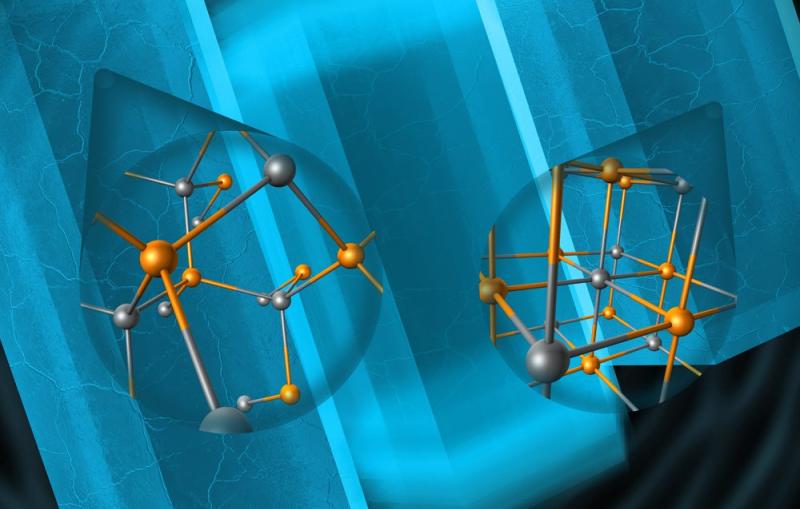
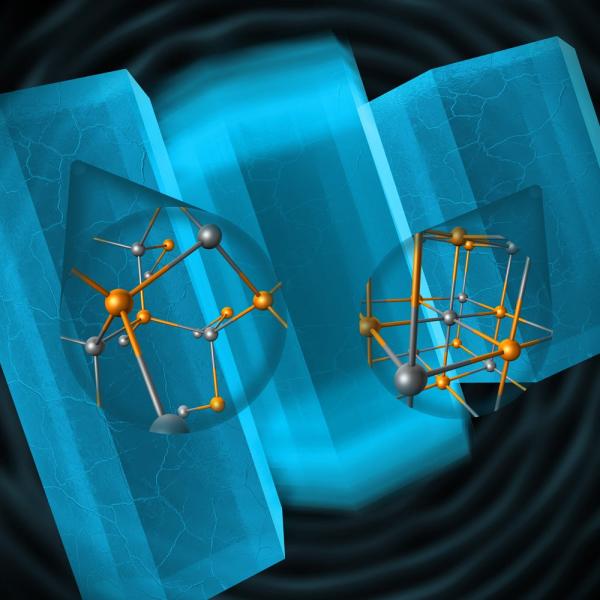
The transformation of cadmium sulfide nanocrystals
Feature

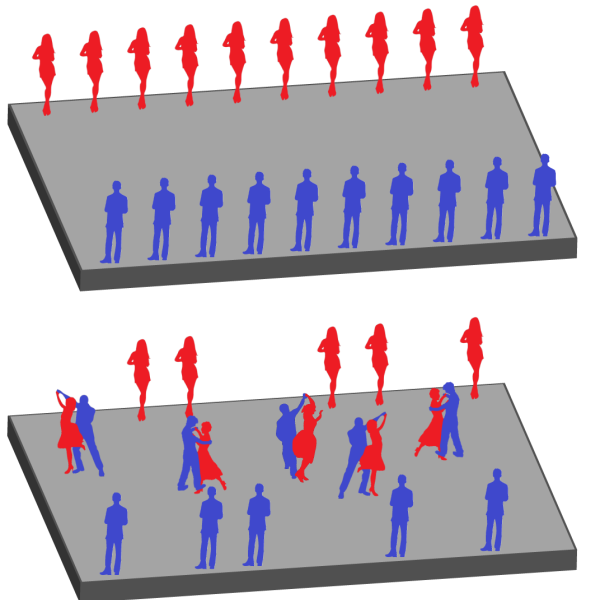
Scientists at SLAC and Stanford show how high-temperature superconductivity emerges out of magnetism in an iron pnictide, a class of materials with great potential...

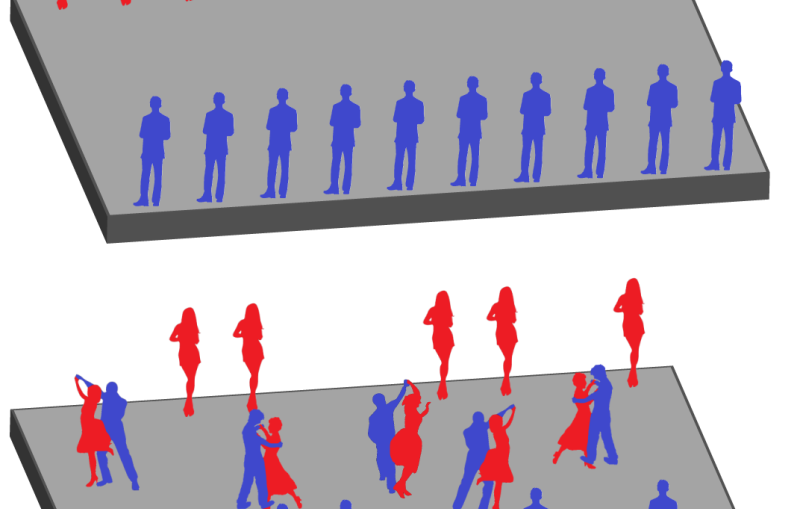
An illustration of electrons pairing up like dancers at a party
Feature

SLAC's Siegfried Glenzer has been selected to receive an Ernest Orlando Lawrence Award, presented by the U.S. Secretary of Energy to honor scientists across...

Photo - Siegfried Glenzer
Feature

A new theory and computer simulation by SLAC and Stanford researchers rule out high-energy magnetic interactions as a major factor in making copper oxide...

Photo - Researchers at SLAC
Feature

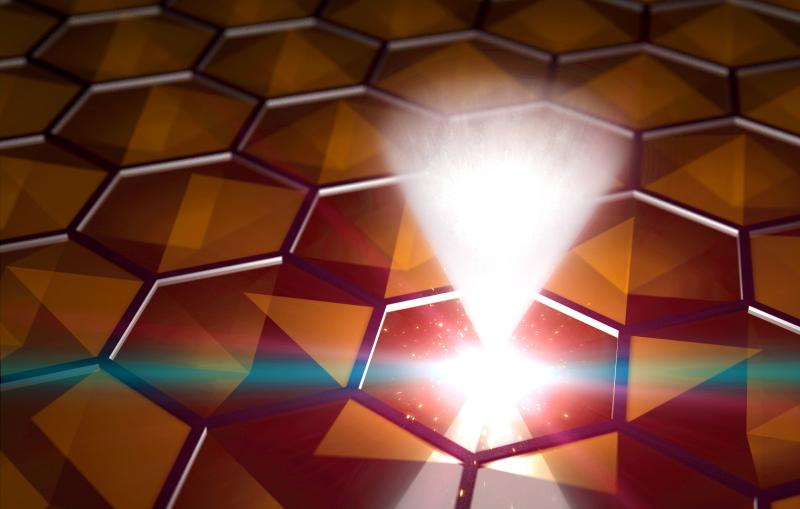
SLAC researchers have found a new way to transform graphite into diamond. The approach may have implications for industrial applications ranging from cutting tools...