SLAC topics

Science news RSS feed

The latest news about SLAC research, science programs, facilities and people. 

More on our News Center and Media Resources pages

Browse tagged content

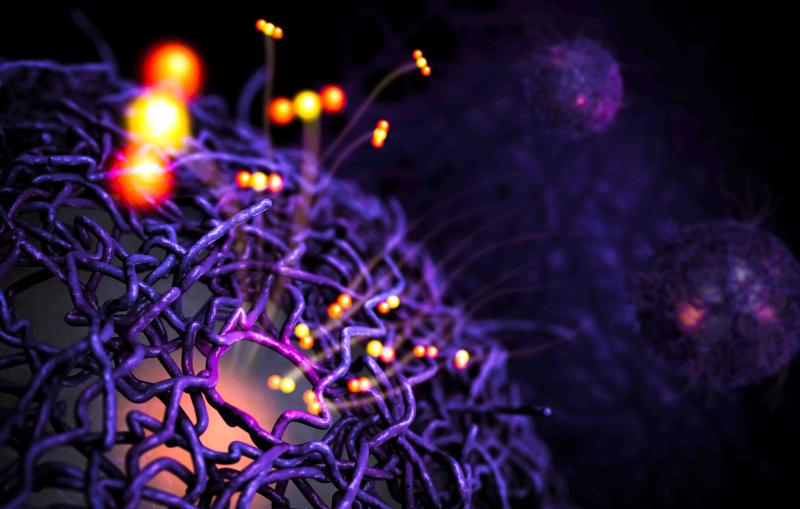
Scientists create artificial catalysts inspired by living enzymes
Feature

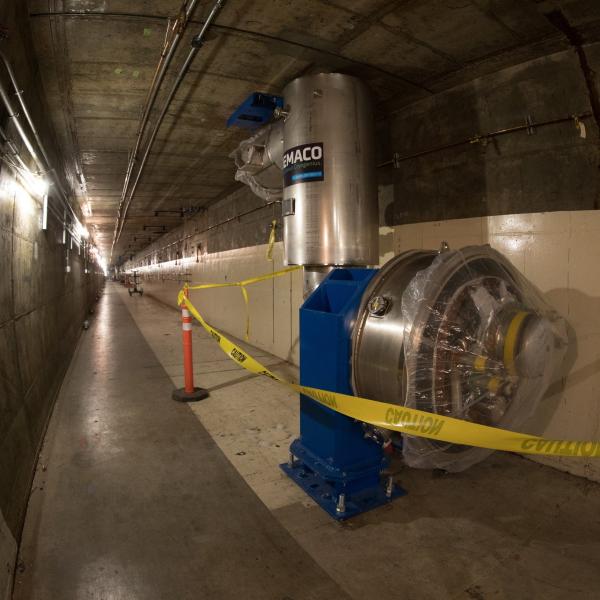
A makeover of the historic Beam Switch Yard prepares the lab for the installation of the LCLS X-ray laser upgrade.

photo of BSY - see caption
Feature

The award recognizes the Stanford/SLAC professor’s pioneering work in the fields of energy and nanomaterials science.

Photo - Yi Cui SLAC/Stanford professor
Feature

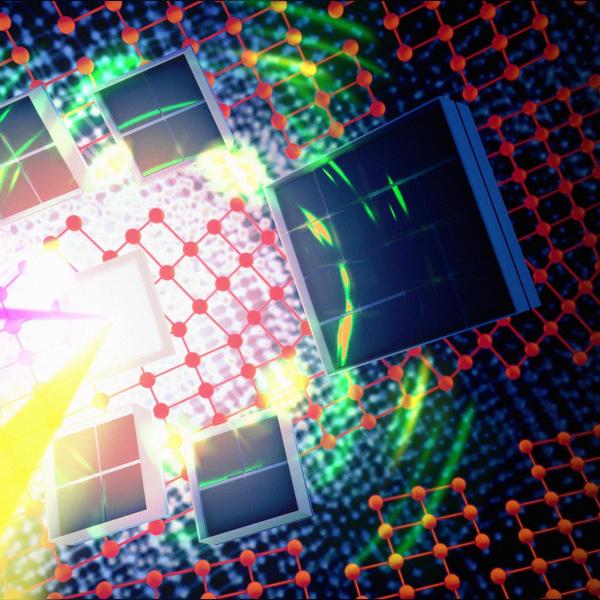
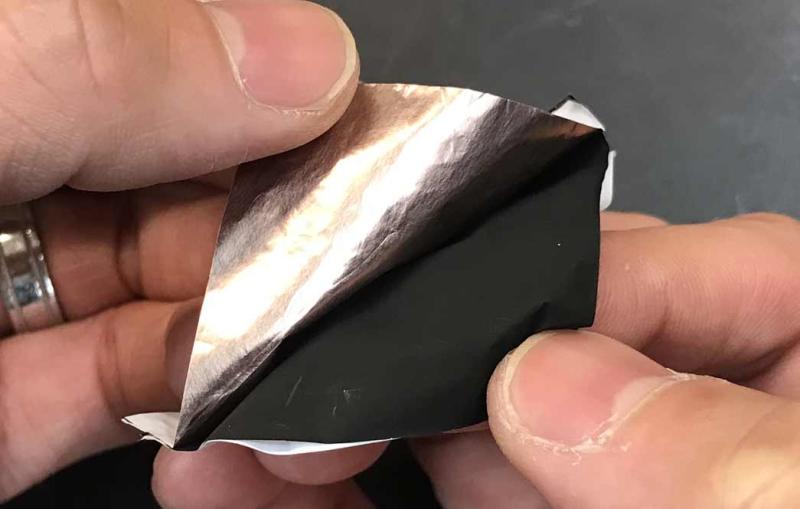
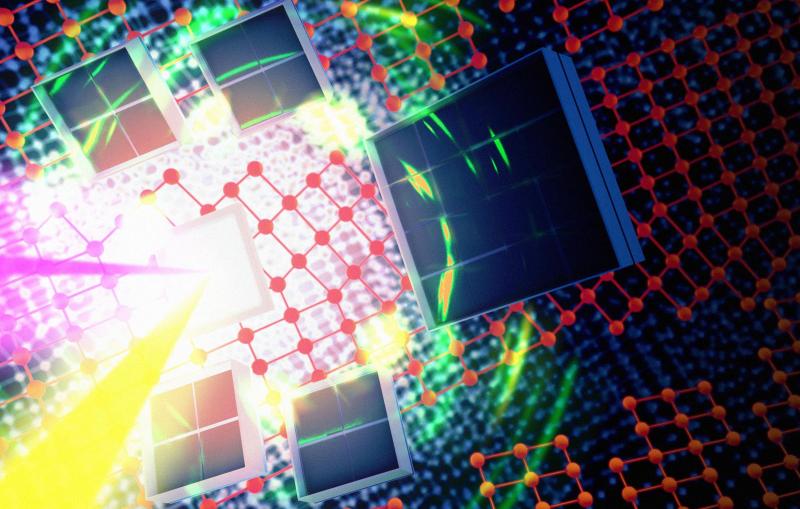
An international team of researchers fabricated an atomically thin material and measured its exotic and durable properties that make it a promising candidate for...

Feature

A new X-ray laser technique allows scientists to home in on these single-electron triggers to better understand organic molecules that respond to light, including...

Thymine
Feature

With SLAC’s X-ray laser and synchrotron, scientists measured exactly how much energy goes into keeping this crucial bond from triggering a cell's death spiral.

An optical laser (green) excites the iron-containing active site of the protein cytochrome c, and then an X-ray laser (white) probes the iron.
Feature

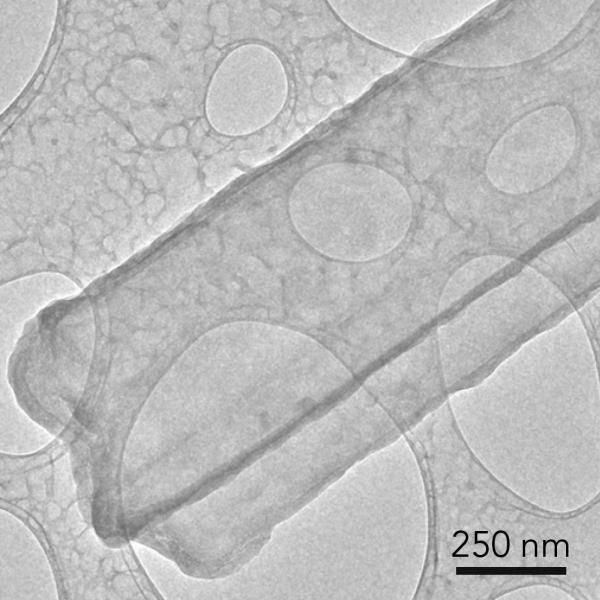
The method dramatically reduces the amount of virus material required and allows scientists to get results several times faster.

Surface structure of the bovine enterovirus 2
Feature

A recent discovery by scientists from the SUNCAT Center for Interface Science and Catalysis could lead to a new, more sustainable way to make...

Feature

Propagating “charge density wave” fluctuations are seen in superconducting copper oxides for the first time.

Illustration of electronic behavior in copper oxide materials
Feature

A decade-long search ends at the Stanford Synchrotron Radiation Lightsource, where researchers from The Scripps Research Institute emerge with a clear picture of how...

illustration of Lassa virus protein molecular structure
News Release

When scientists at the Department of Energy’s SLAC National Accelerator Laboratory focused the full intensity of the world’s most powerful X-ray l

molecular black hole
Feature

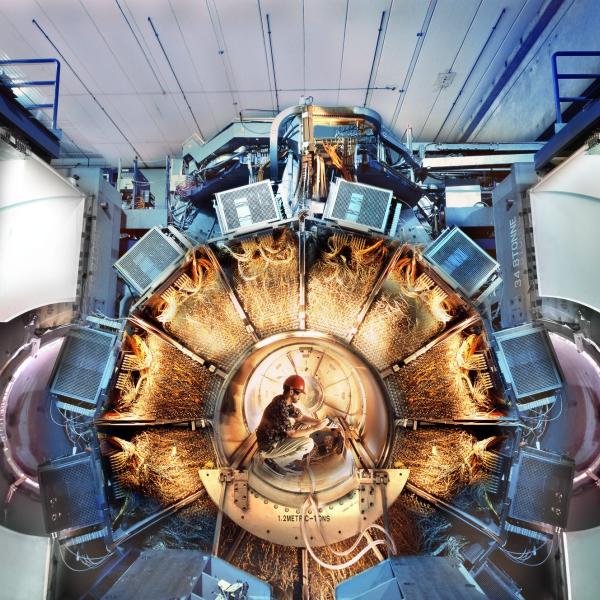
The Heavy Photon Search at Jefferson Lab is looking for a hypothetical particle from a hidden “dark sector.”

Heavy Photon Search.
Feature

Frederico Fiuza and his team are conducting thorough investigations of plasma physics to discern the fundamental processes that accelerate particles.