X-ray studies have produced surprising insights into the workings of a hormone receptor associated with blood pressure regulation that could be a target for...
Stanford and SLAC researchers are leading a multi-year effort to produce nitrogen-based fertilizers in a sustainable way, by inventing a solar-powered chemistry technology that...
Scientists at SLAC and Stanford have identified active carbon catalysts and developed an electrochemical cell designed to purify water in small villages.
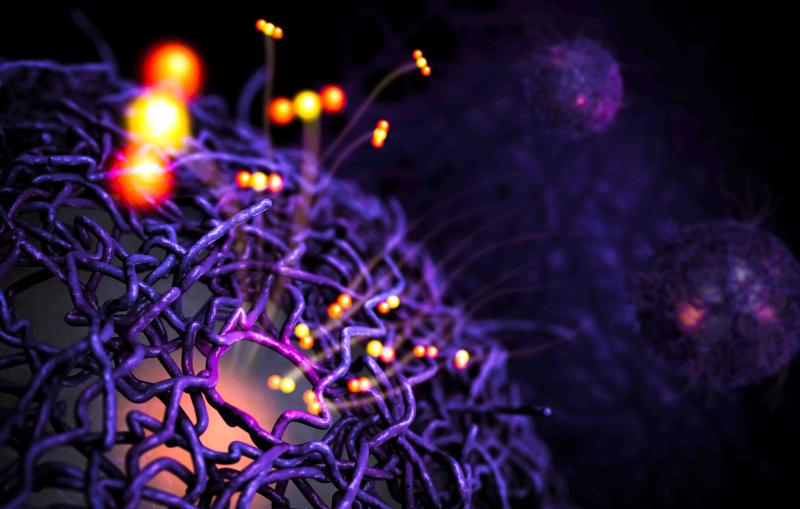
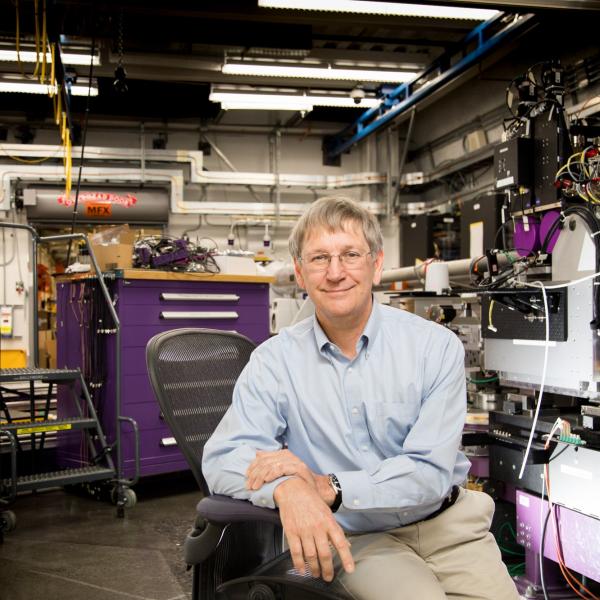
X-ray studies have produced surprising insights into the workings of a hormone receptor associated with blood pressure regulation that could be a target for new medicines related to cardiovascular conditions, neuropathic pain and tissue growth.
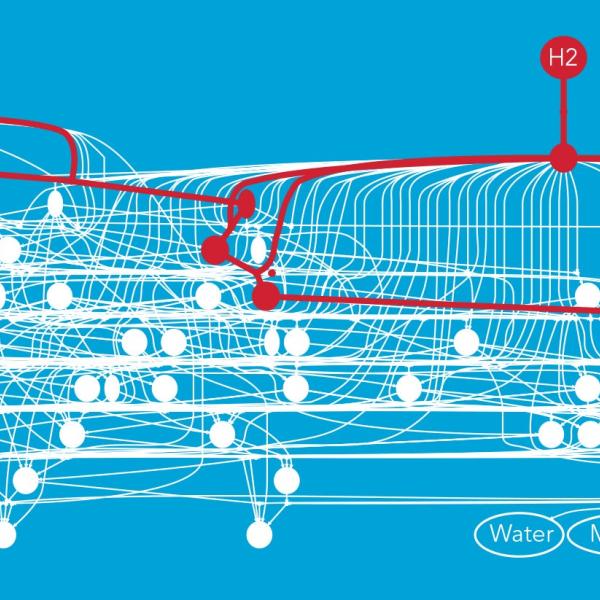
Stanford and SLAC researchers are leading a multi-year effort to produce nitrogen-based fertilizers in a sustainable way, by inventing a solar-powered chemistry technology that can make it right on the farm and apply it directly to crops, drip-irrigation style.
Scientists at SLAC and Stanford have identified active carbon catalysts and developed an electrochemical cell designed to purify water in small villages.
After losing its first match of the day to the defending champions, The Harker School’s team won 10 consecutive rounds to claim victory in the annual SLAC Regional DOE Science Bowl.
H. Pierre Noyes, the first director of SLAC's Theory Group, died in Stanford on Sept. 30, 2016, at age 92. Noyes, a theoretical physicist, leaves behind a legacy of distinctive academic work and activism.
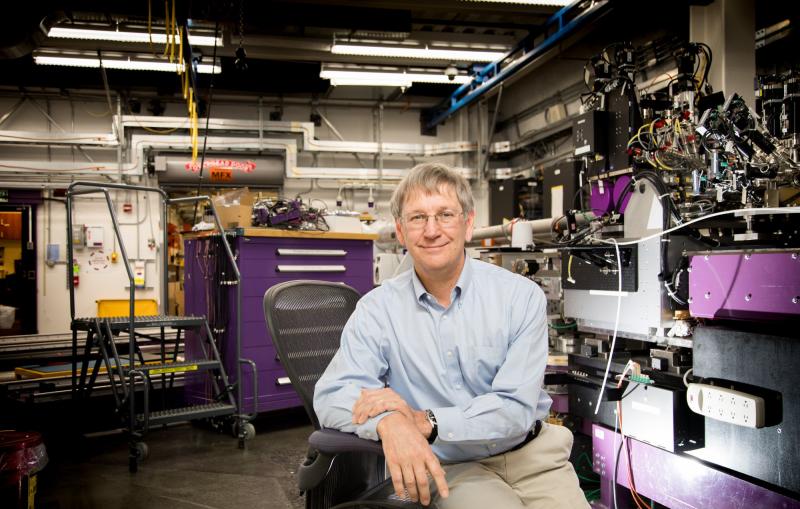
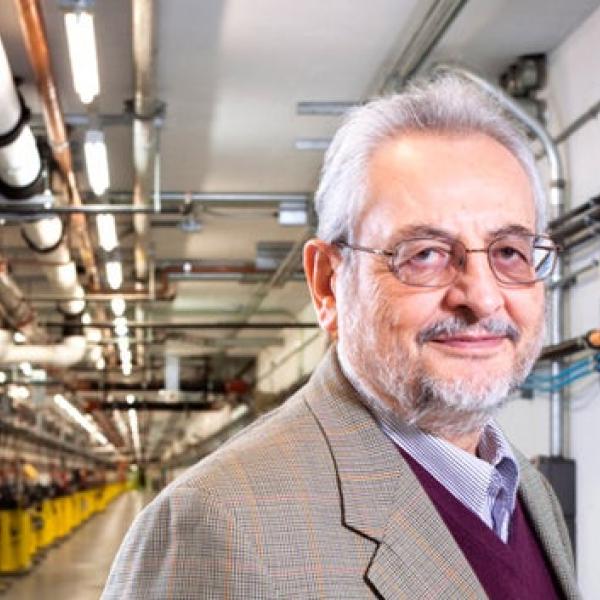
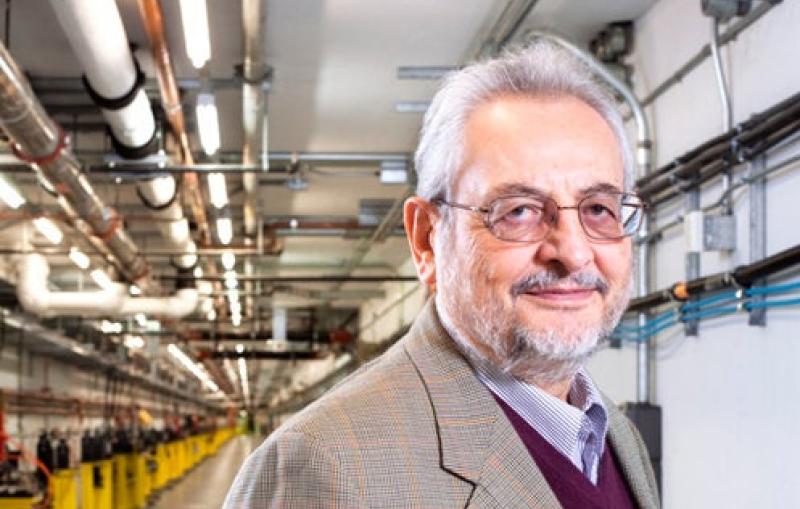
Kelly Gaffney is the director of SSRL, SLAC's synchrotron that produces extremely bright x-rays as a resource for researchers to study our world at the atomic and molecular level of energy production, environmental remediation, nanotechnology, new materials and medicine.