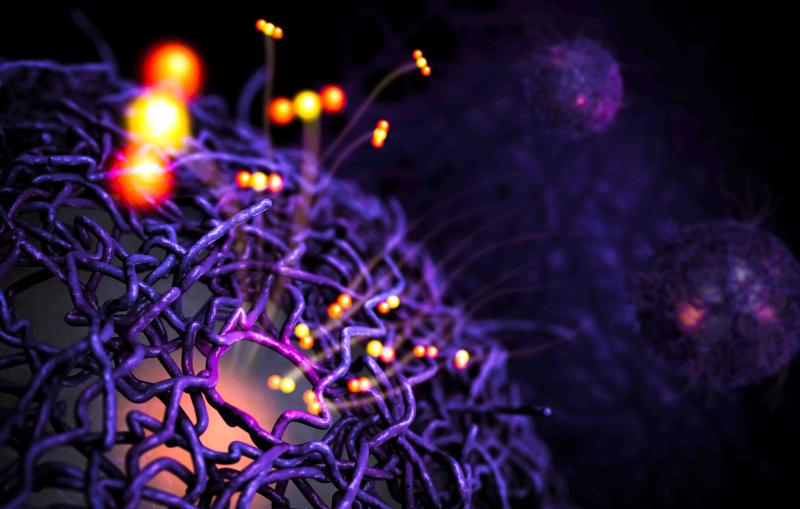
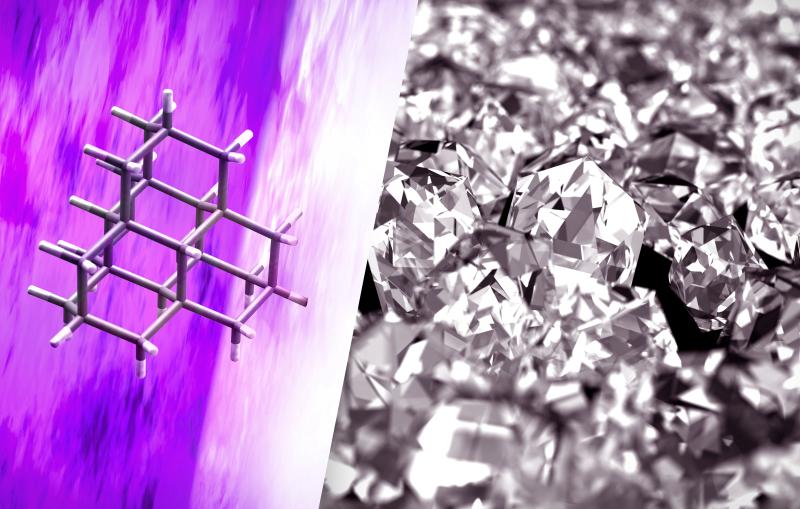
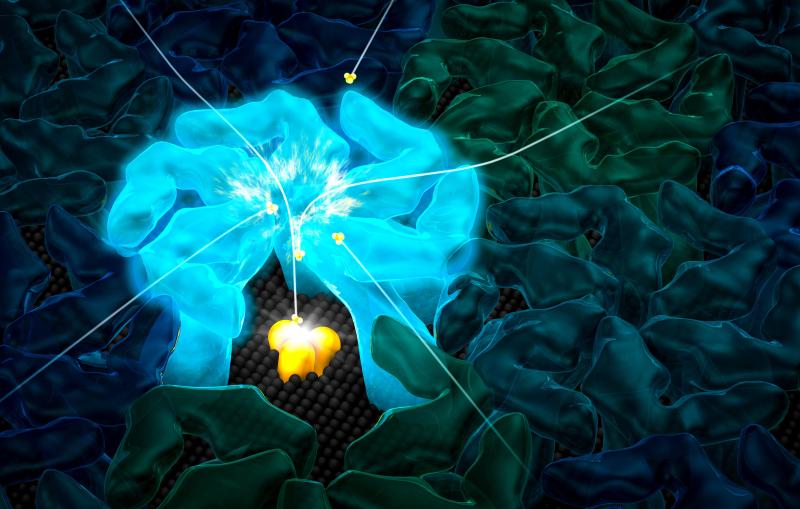
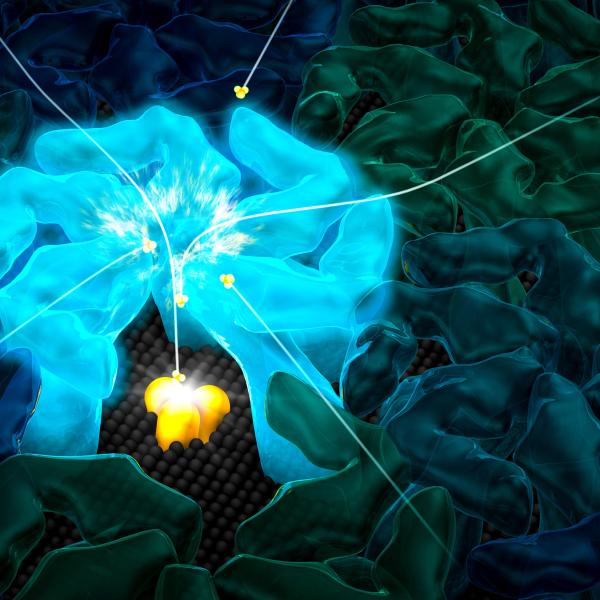
Experiments with 'molecular anvils' mark an important advance for mechanochemistry, which has the potential to make chemistry greener and more precise.
The goal of these X-ray studies is to find ways to improve manufacturing of specialized metal parts for the aerospace, aircraft, automotive and healthcare...
The staff scientist at the Stanford Synchrotron Radiation Lightsource discusses his research and teaching, which includes training an international group of students to conduct...
These stripes of electron spin and charge are exciting because of their possible link to a phenomenon that could transform society by making electrical...
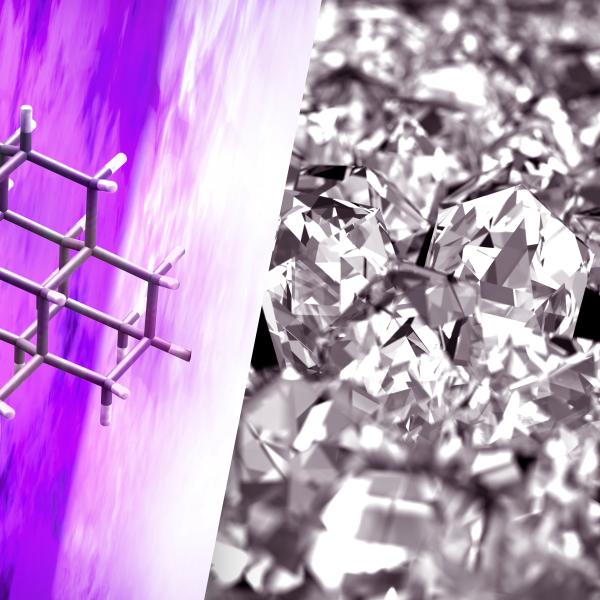
Experiments with 'molecular anvils' mark an important advance for mechanochemistry, which has the potential to make chemistry greener and more precise.
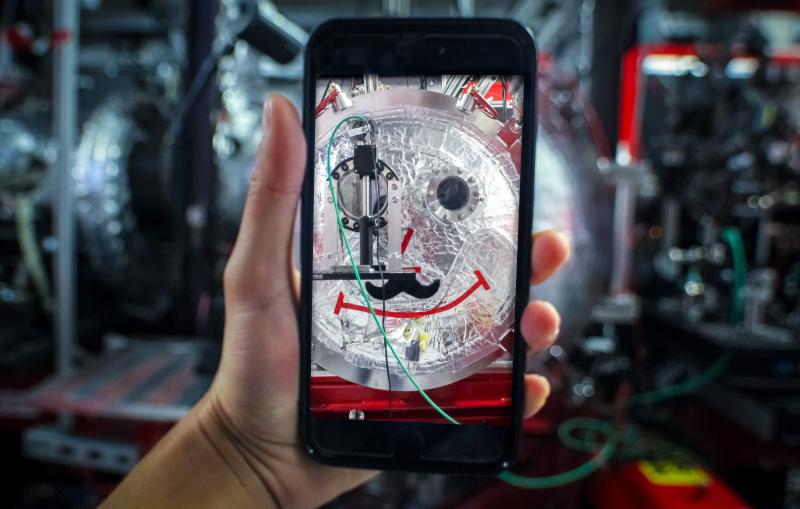
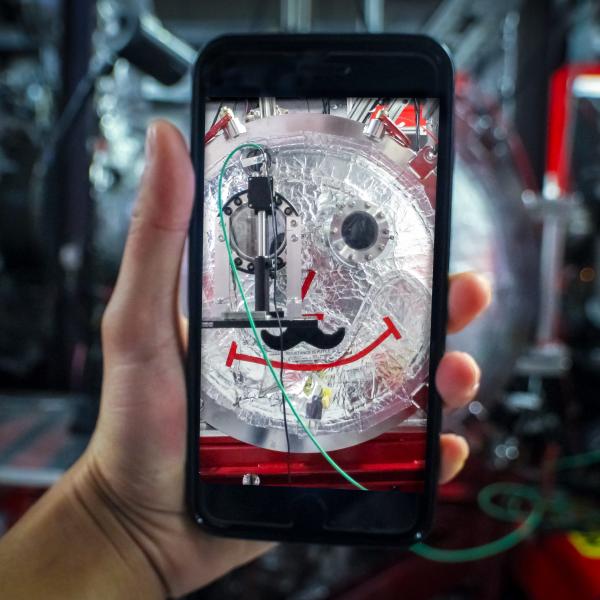
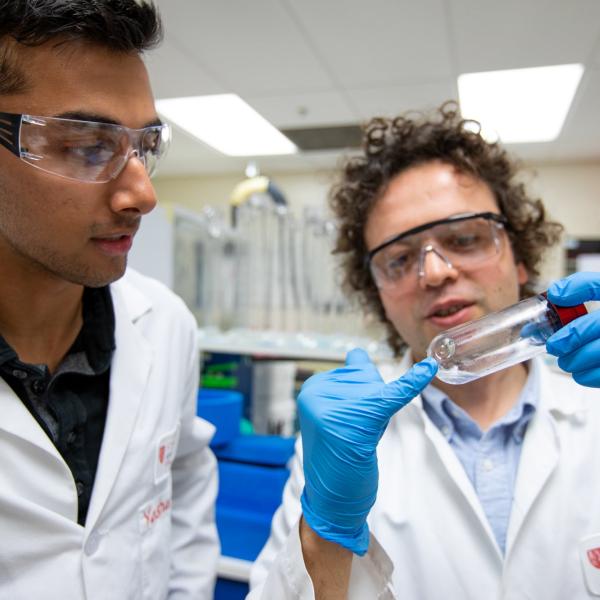
The goal of these X-ray studies is to find ways to improve manufacturing of specialized metal parts for the aerospace, aircraft, automotive and healthcare industries.
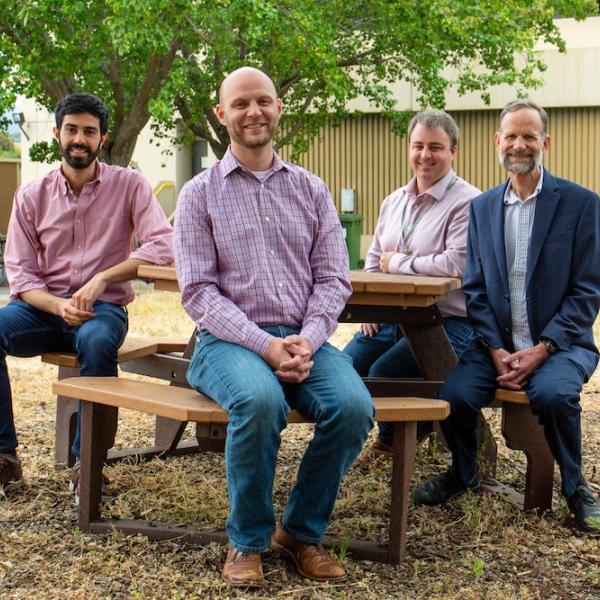
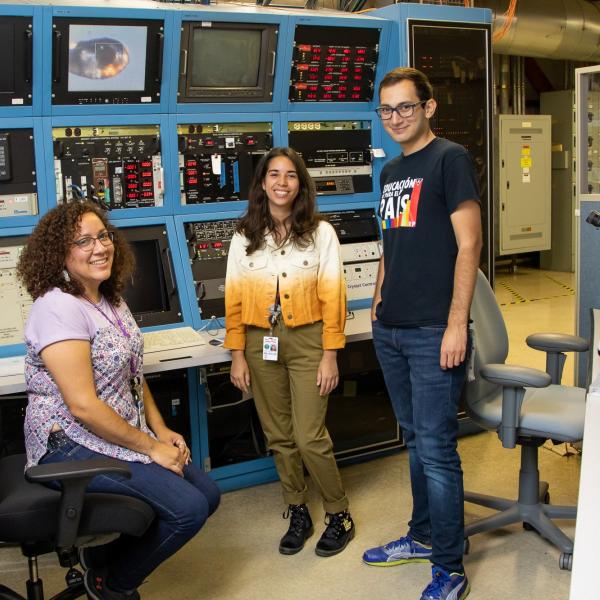
The staff scientist at the Stanford Synchrotron Radiation Lightsource discusses his research and teaching, which includes training an international group of students to conduct geobiology experiments at the synchrotron from an island about 350 miles away.
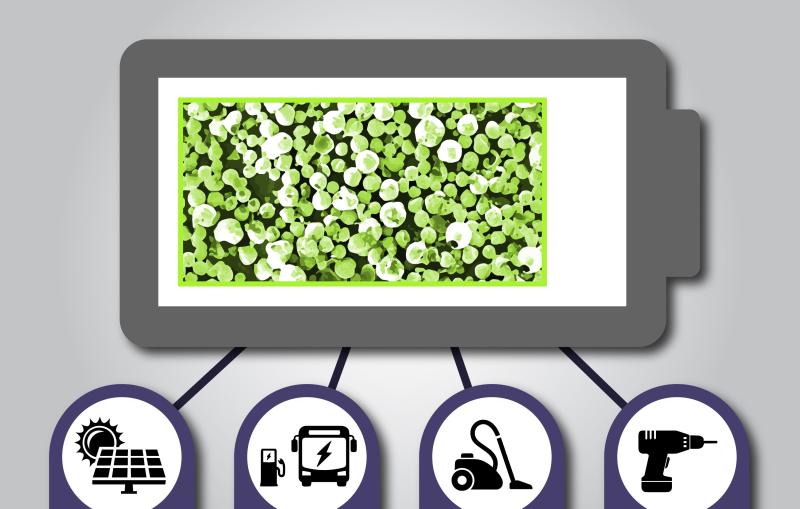
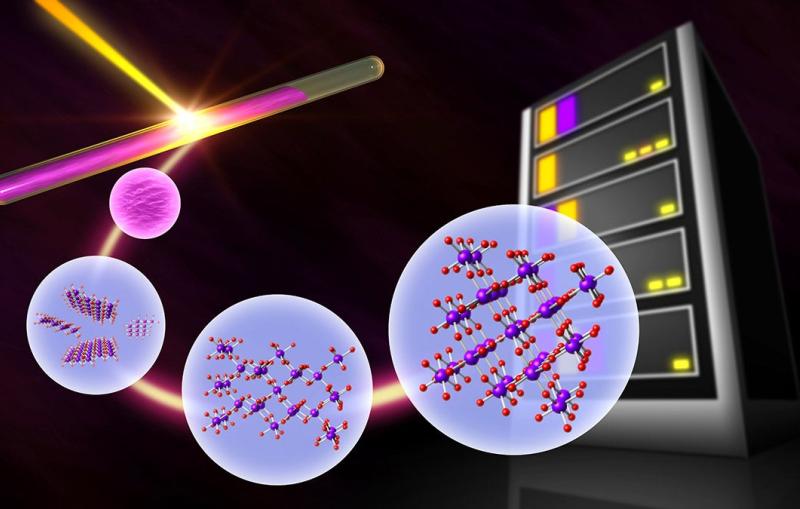
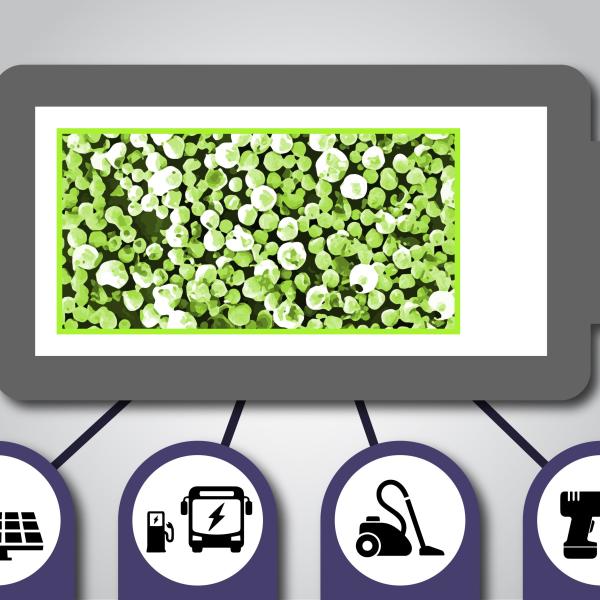
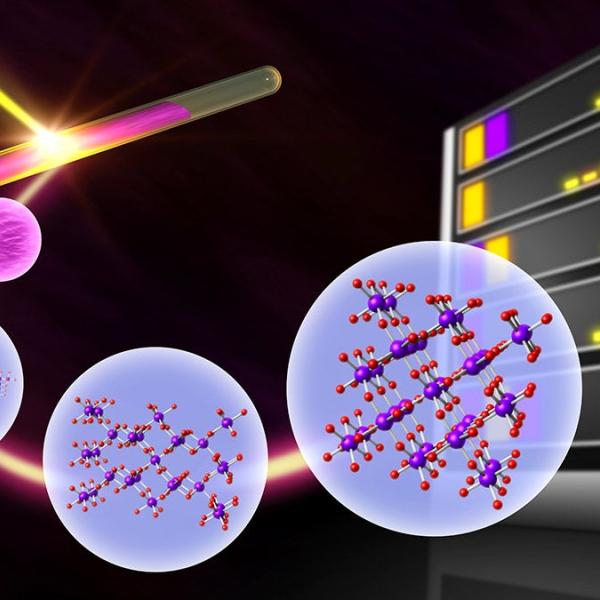
They created a comprehensive picture of how the same chemical processes that give these cathodes their high capacity are also linked to changes in atomic structure that sap performance.
These stripes of electron spin and charge are exciting because of their possible link to a phenomenon that could transform society by making electrical transmission nearly 100 percent efficient.