SLAC topics

Science news RSS feed

The latest news about SLAC research, science programs, facilities and people. 

More on our News Center and Media Resources pages
Browse tagged content

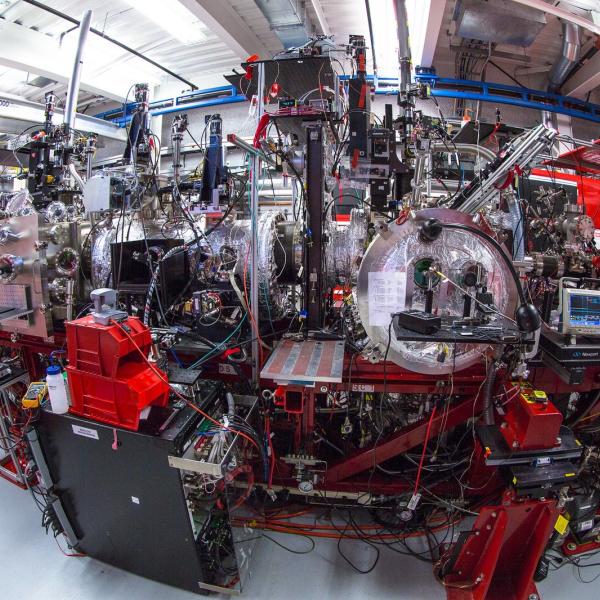
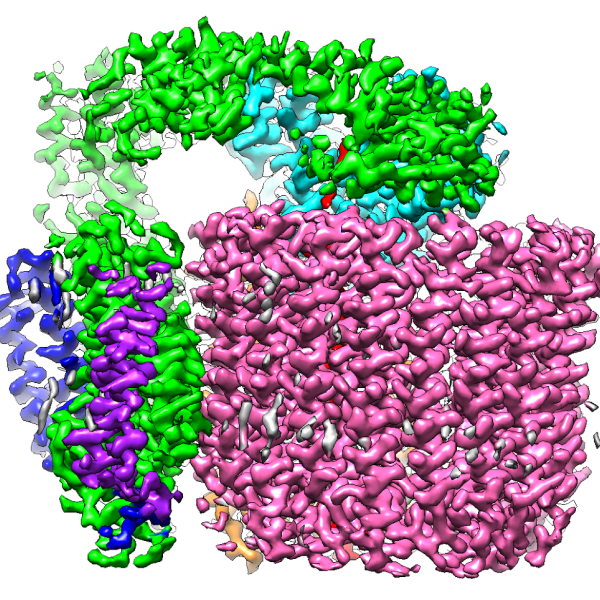
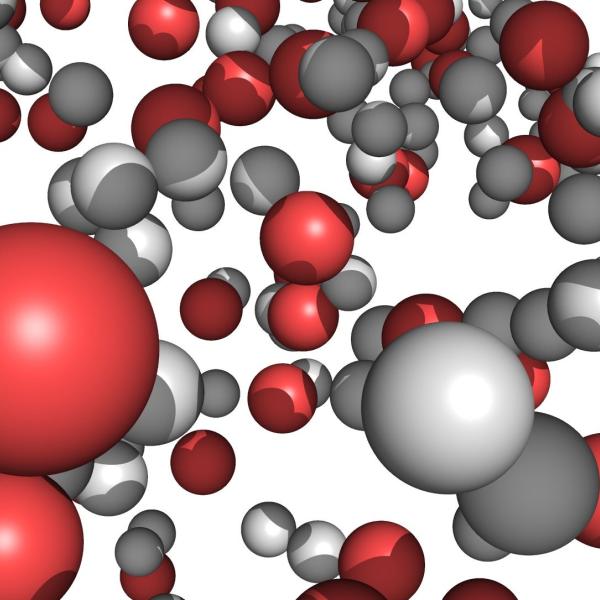
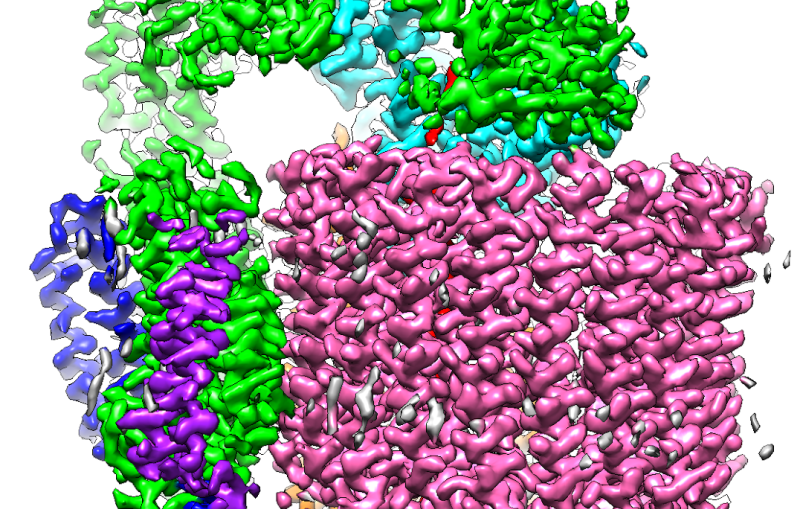
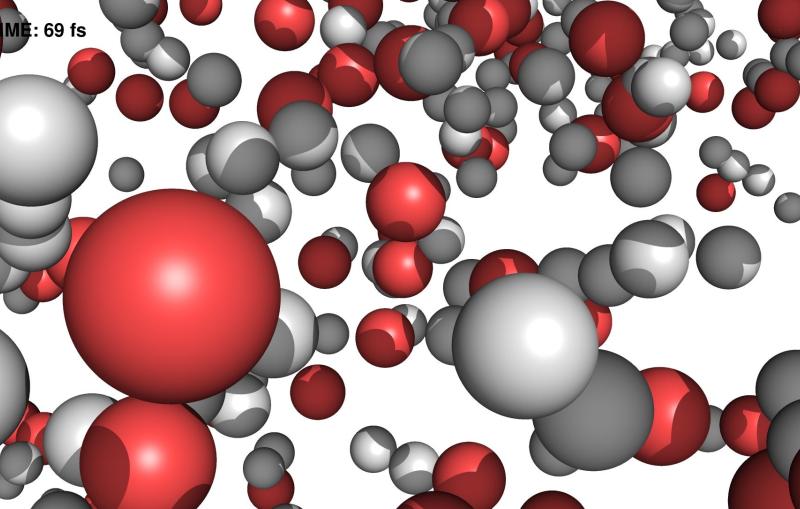
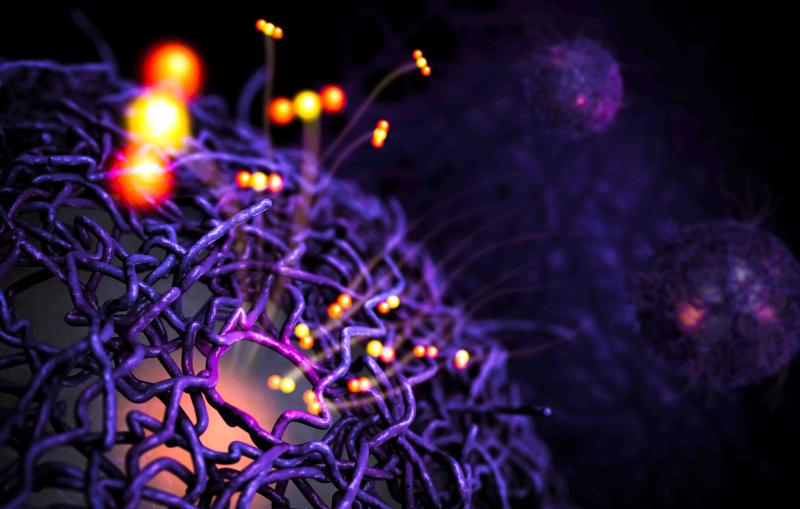
Scientists create artificial catalysts inspired by living enzymes
Feature

Research with SLAC’s X-ray laser simulates what happens when a meteor hits Earth’s crust. The results suggest that scientists studying impact sites have been...

Feature

Clothing made from a reversible fabric, developed in part by SIMES researchers, could warm or cool wearers and keep them comfortable, bringing down buildings’...

Feature

A new way to observe this deformation as it happens can help study a wide range of phenomena, from meteor impacts to high-performance ceramics...

Image depicting an experiment at LCLS that shocks a tantalum sample
Feature

Analysis of data from the BaBar experiment rules out theorized particle’s explanation for muon mystery.

BaBar experiment detector
Feature

The cryogenic plant responsible for keeping LCLS-II’s superconducting linear accelerator at just a few degrees above absolute zero recently received its first warm helium...

Feature

In October, SLAC installed the first of LCLS-II’s cryogenic “feed caps” and “end caps.”

News Release

Remarkable cryo-EM images that reveal details down to the individual atom will yield new insights into why high-energy batteries fail.

A lithium metal dendrite, taken with cryogenic electron microscopy or cryo-EM
Feature

The astrophysicist is recognized for her leadership, mentorship and innovative work in understanding how galaxies form.

Feature

The Advanced LIGO gravitational wave detectors have announced their first observation of a binary neutron star coalescence.

Feature

Lithium ion batteries may remain tops for sheer performance, but when cost-per-storage is factored in, a design based on sodium ions offers promise; research...

Feature

The X-ray scientist is honored for 20 years of beamline and instrumentation design, operation and scientific support at SLAC’s synchrotron.

Matthew Latimer receives the Farrel W. Lytle Award.
Feature
VIA Symmetry Magazine

A Radio for Dark Matter

Instead of searching for dark matter particles, a new device will search for dark matter waves.

Dark Matter Radio Team