SLAC develops materials to improve the performance of batteries, fuel cells and other energy technologies and set the stage for technologies of the future.
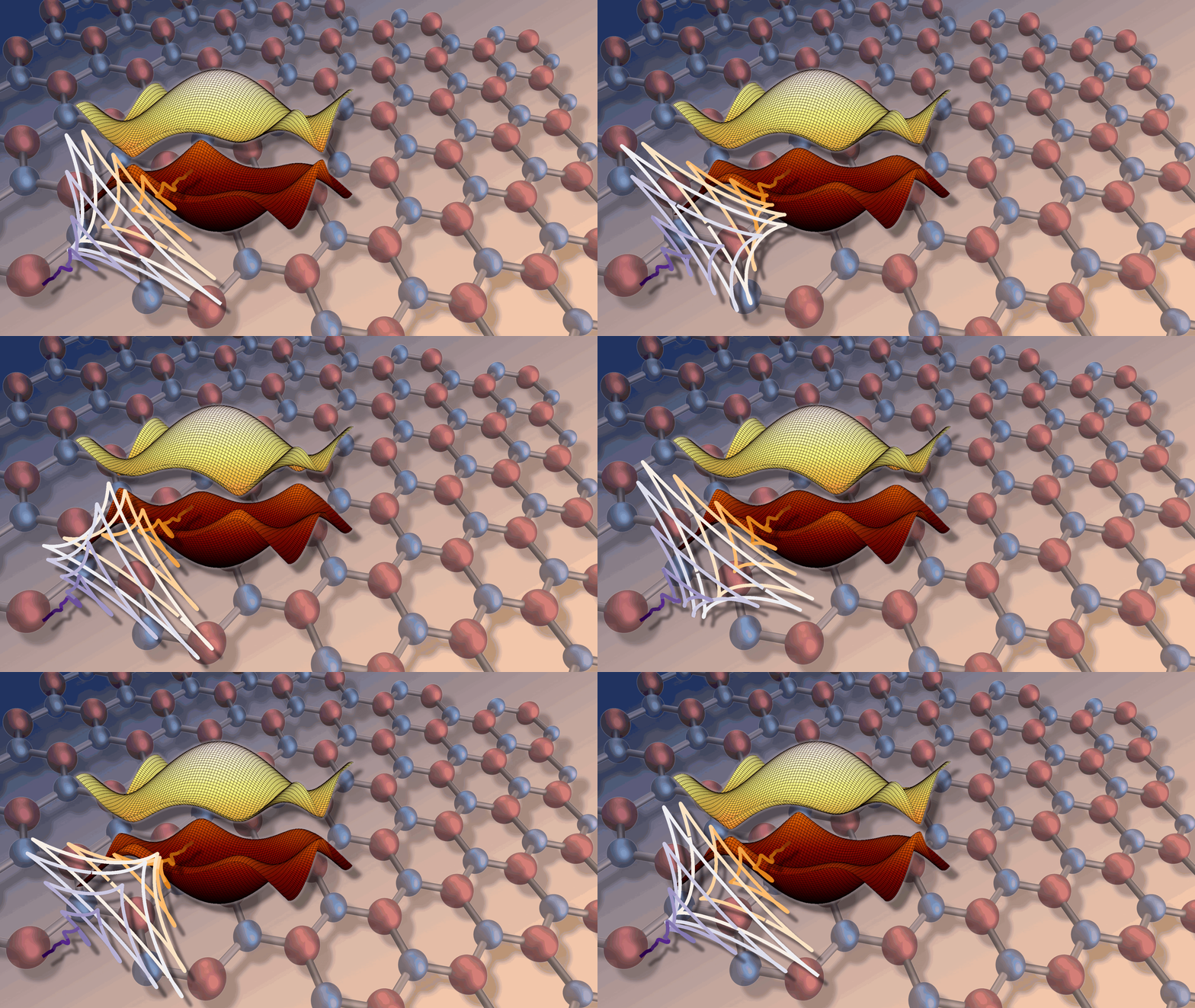
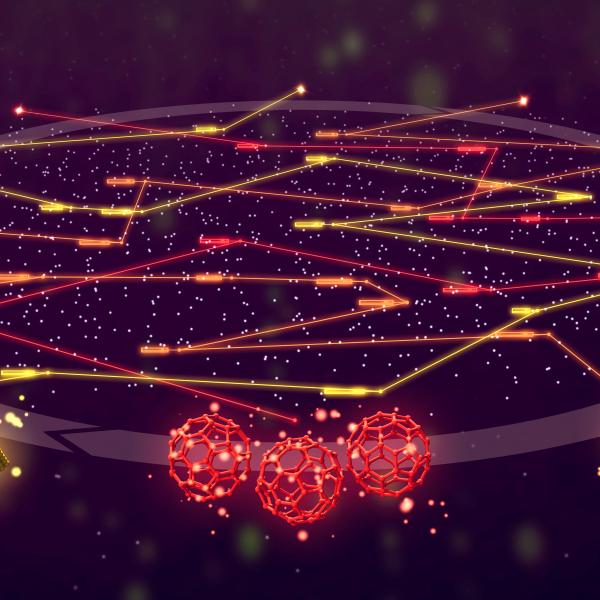
The method could lead to the development of new materials with tailored properties, with potential applications in fields such as climate change, quantum computing...
The SLAC/Stanford researcher is a leading materials scientist and entrepreneur whose research is paving the way for better batteries, cleaner power grids.
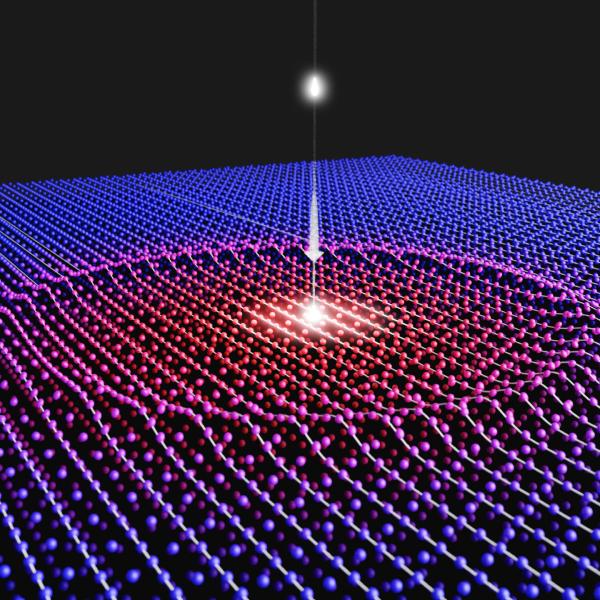
Researchers have uncovered new insights about tungsten's ability to conduct heat, which could lead to materials advancements for fusion reactor and aerospace technologies.
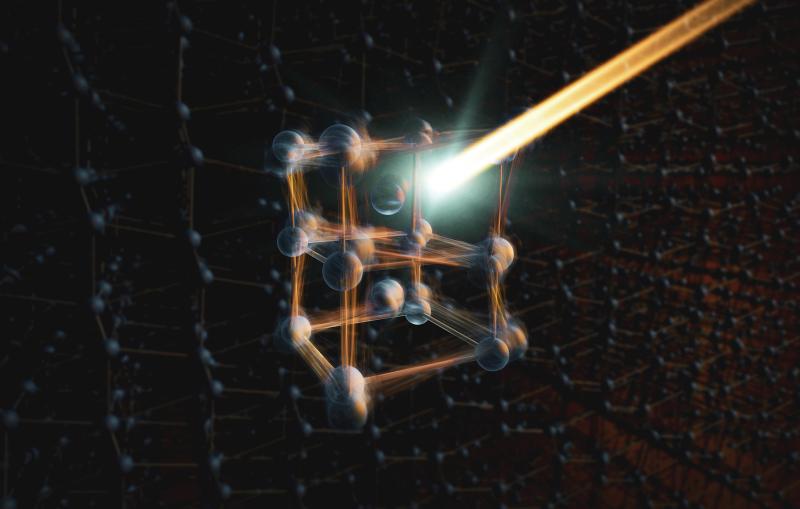
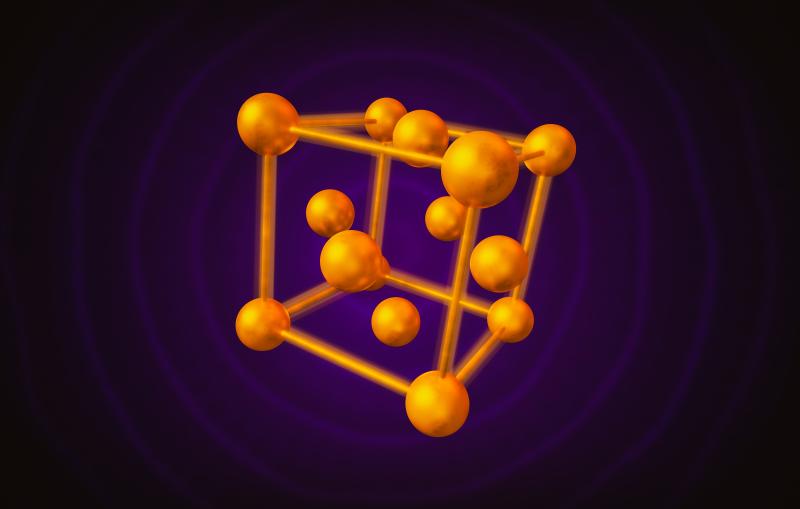
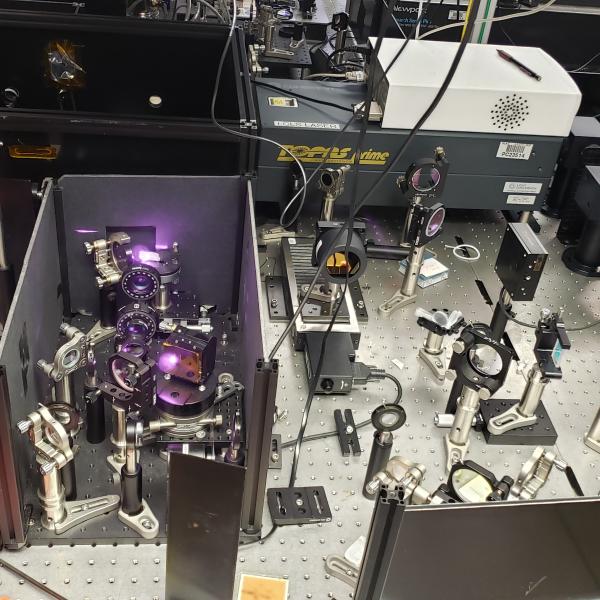
The research could lead to a better understanding of how metals behave under extreme conditions, which will aid in the development of more resilient...
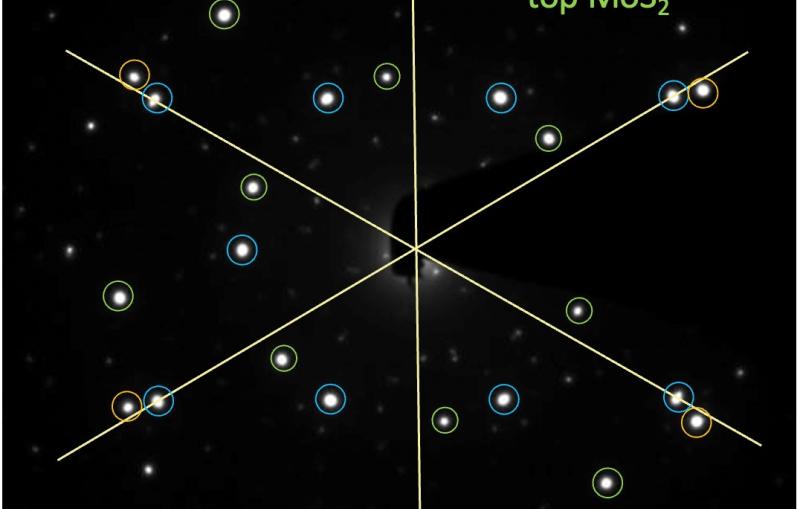
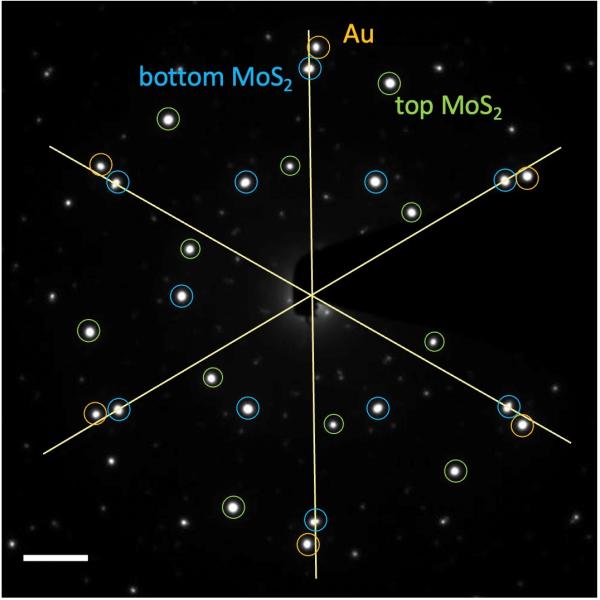
Researchers have discovered that crystals can twist when they are sandwiched between two substrates – a critical step toward exploring new material properties for...
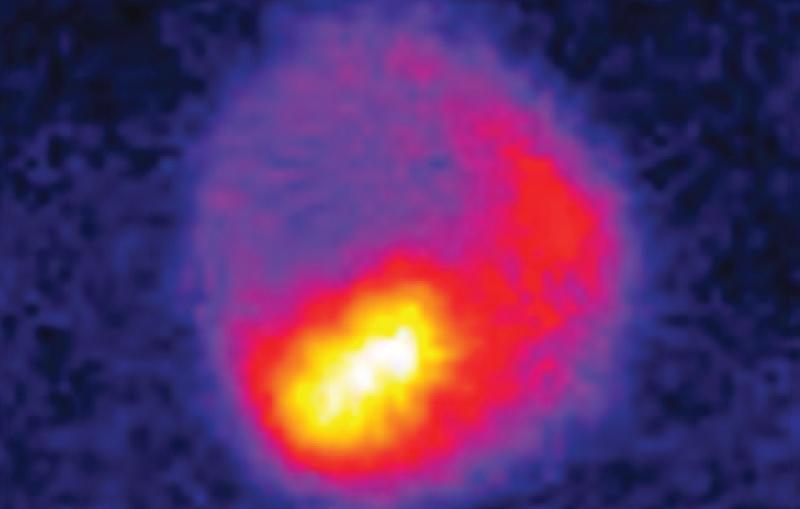
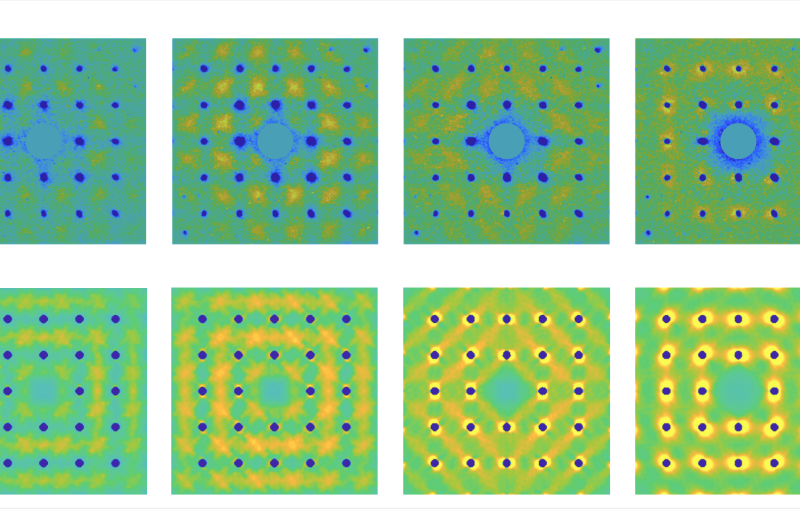
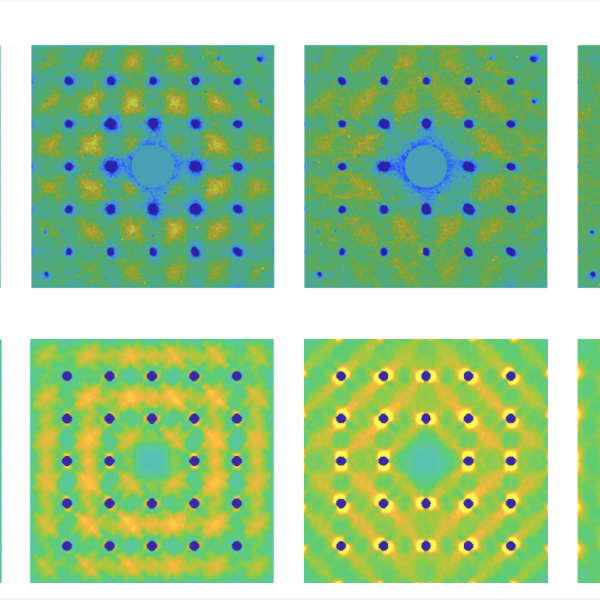
Scientists demonstrated a materials characterization technique can be successful at a new type of facility, and they used it at LCLS to discover a hidden materials phase.
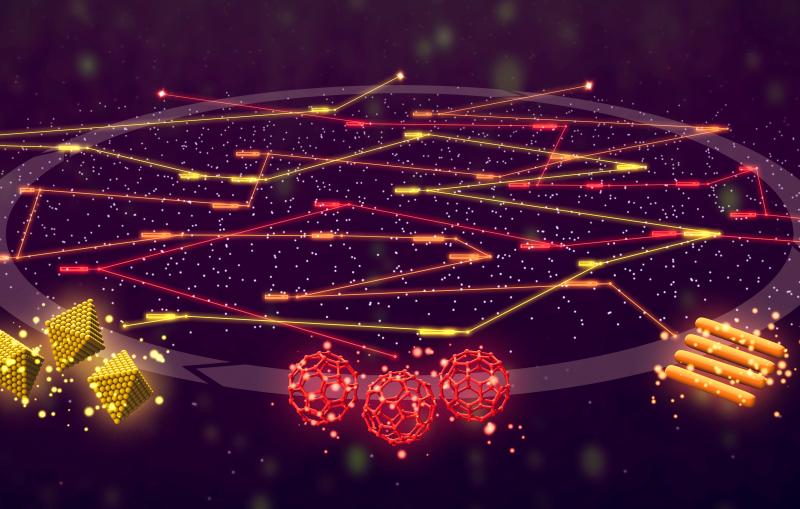
The method could lead to the development of new materials with tailored properties, with potential applications in fields such as climate change, quantum computing and drug design.
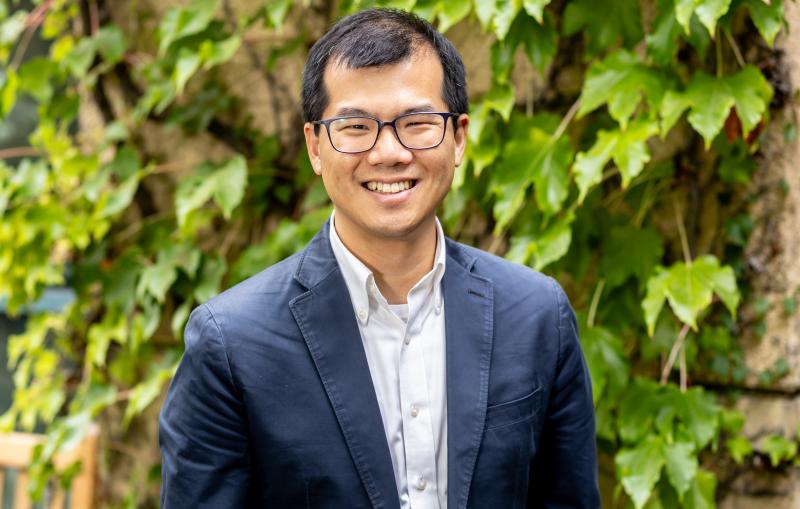
The SLAC/Stanford researcher is a leading materials scientist and entrepreneur whose research is paving the way for better batteries, cleaner power grids.
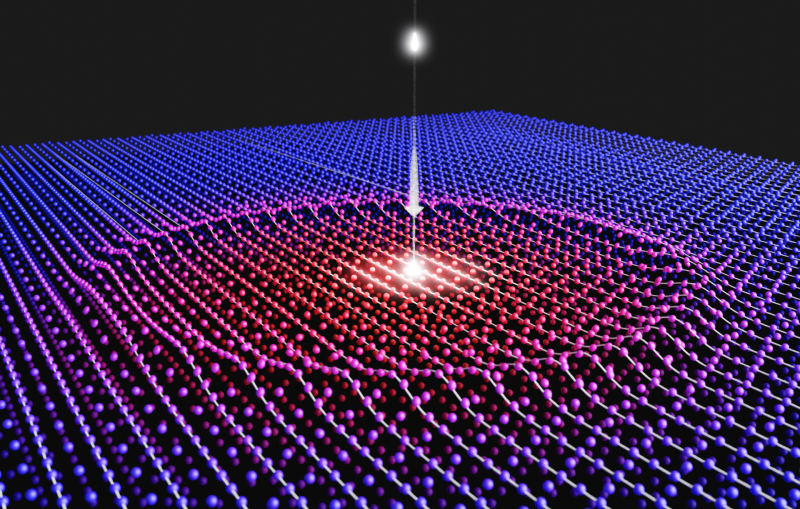
Researchers have uncovered new insights about tungsten's ability to conduct heat, which could lead to materials advancements for fusion reactor and aerospace technologies.
The research could lead to a better understanding of how metals behave under extreme conditions, which will aid in the development of more resilient materials.
Researchers have discovered that crystals can twist when they are sandwiched between two substrates – a critical step toward exploring new material properties for electronics and other applications.