SLAC topics

Linac Coherent Light Source (LCLS) RSS feed

The Linac Coherent Light Source at SLAC, the world’s first hard X-ray free-electron laser, takes X-ray snapshots of atoms and molecules at work, revealing fundamental processes in materials, technology and living things.

Visit LCLS website

Browse tagged content

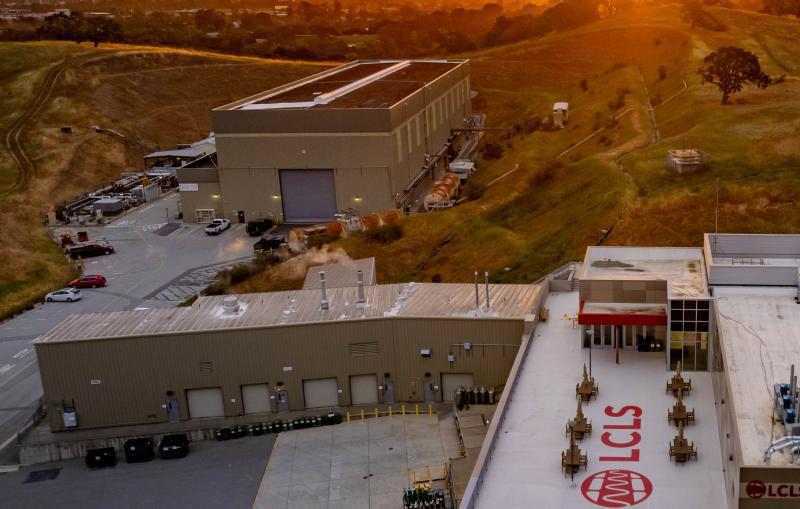
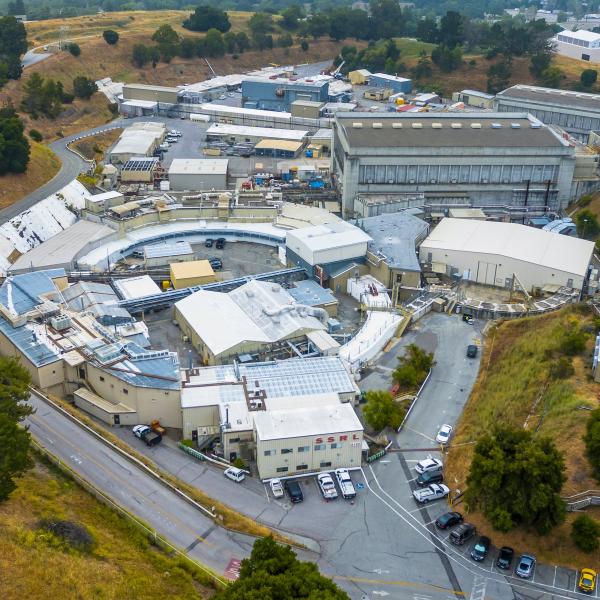
Rooftop view of Linac Coherent Light Source (LCLS)
Feature

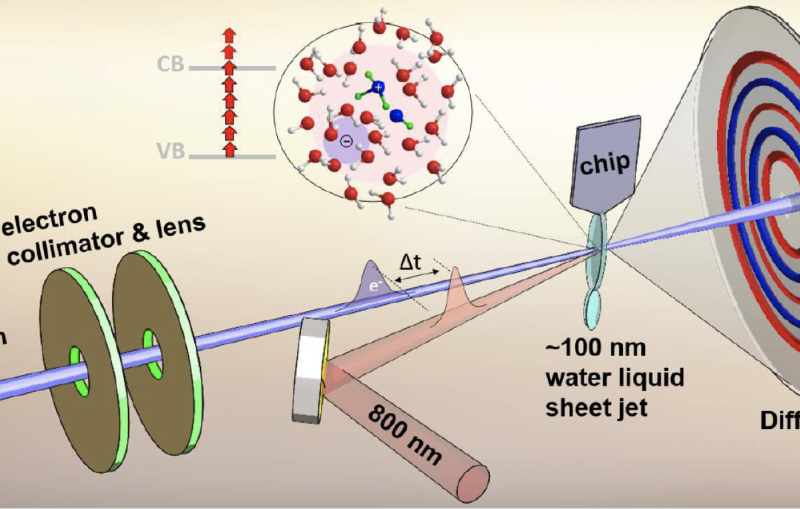
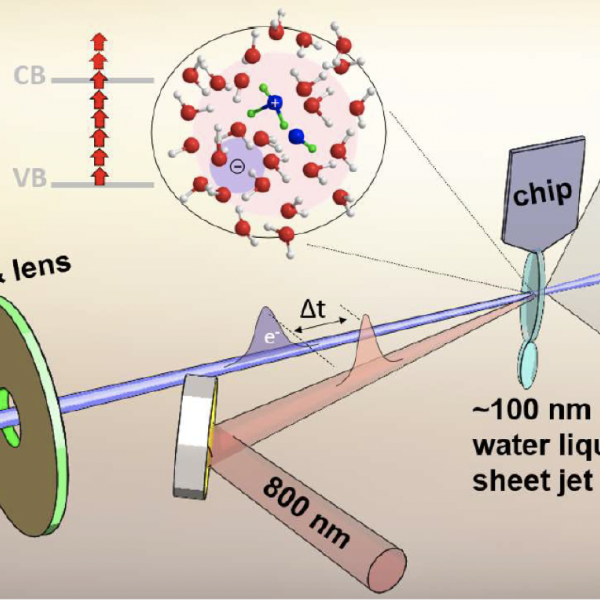
This is the first direct observation of a hydroxyl-hydronium complex – important for a wide range of chemical and biological processes from the tails...

ued ionized water
Feature

Their work helps reveal the inner workings of cells and the behavior of matter under extreme pressures and temperatures.

Feature

Three physicists talk about how they got started, their work at SLAC and what they would say to others considering a career in STEM.

Isleydys Silva Torrecilla, Emmanuel Aneke and Bhavna Nayak
News Release

The work sheds light on the web of hydrogen bonds that gives water its strange properties, which play a vital role in many chemical...

UED Water
Feature

Teaching machine learning the basics of accelerator physics is particularly useful in situations where actual data don’t exist.

SSRL
Feature

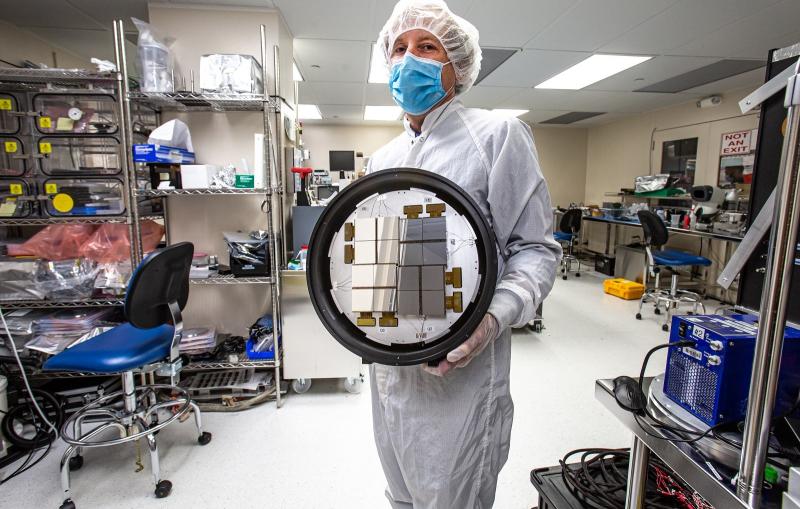
She toured the lab’s powerful X-ray laser, looked at the construction of the world’s largest digital camera, and discussed climate research, industries of the...

Secretary Granholm virtual visit
Feature

The Horizon Prizes celebrate the most exciting, contemporary chemical science at the cutting edge of research and innovation.

ultrafast X-ray scattering
Feature

From the invisible world of elementary particles to the mysteries of the cosmos, recipients of this prestigious award for early career scientists explore nature...

Panofsky fellows
Feature

Edward Hohenstein, Emma McBride and Caterina Vernieri study what happens to molecules hit by light, recreate extreme states of matter like those inside stars...

Early Career Awardees 2021
Feature

Derived from microscopic algae, the rare, light-driven enzyme converts fatty acids into starting ingredients for solvents and fuels.

Illustration of molecular structure of an enzyme that is powered by sunlight
Feature

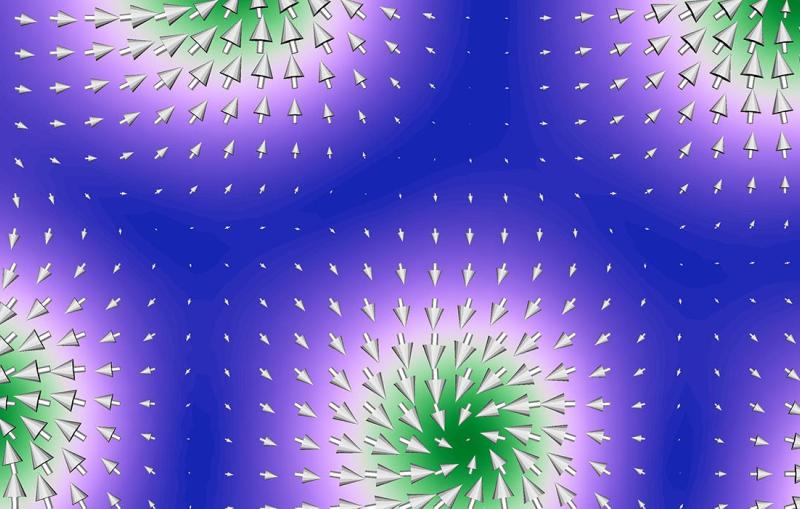
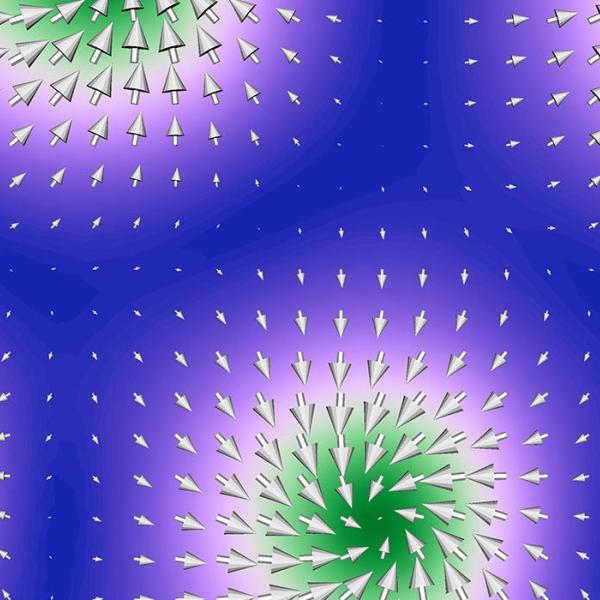
Exploring and manipulating the behavior of polar vortices in materials may lead to new technology for faster data transfer and storage.

polar vortices
Feature

SSRL and LCLS scientists will help visiting research teams solve their experimental challenges, then apply what they’ve learned to help others work more efficiently.

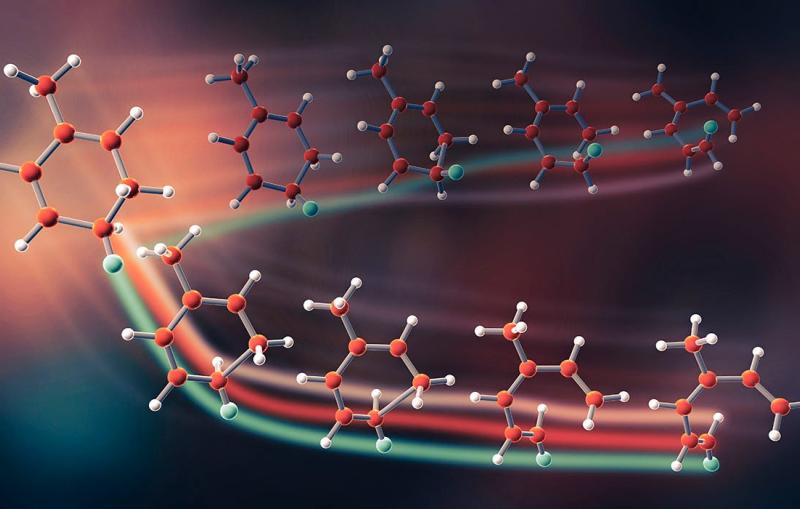
Diagram of a complex molecule