SLAC topics

Linac Coherent Light Source (LCLS) RSS feed

The Linac Coherent Light Source at SLAC, the world’s first hard X-ray free-electron laser, takes X-ray snapshots of atoms and molecules at work, revealing fundamental processes in materials, technology and living things.

Visit LCLS website

Browse tagged content

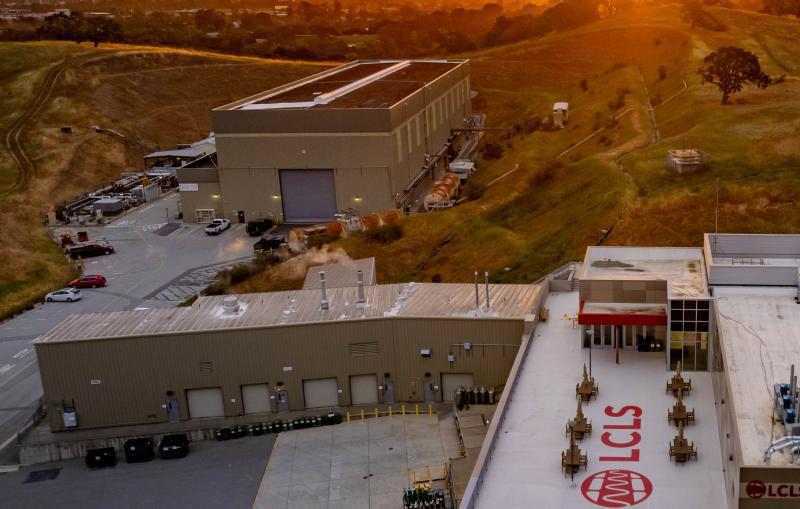
Rooftop view of Linac Coherent Light Source (LCLS)
Feature

The Small Business Innovation Research Program brings government and private industry together to develop next-generation X-ray optics for LCLS-II.

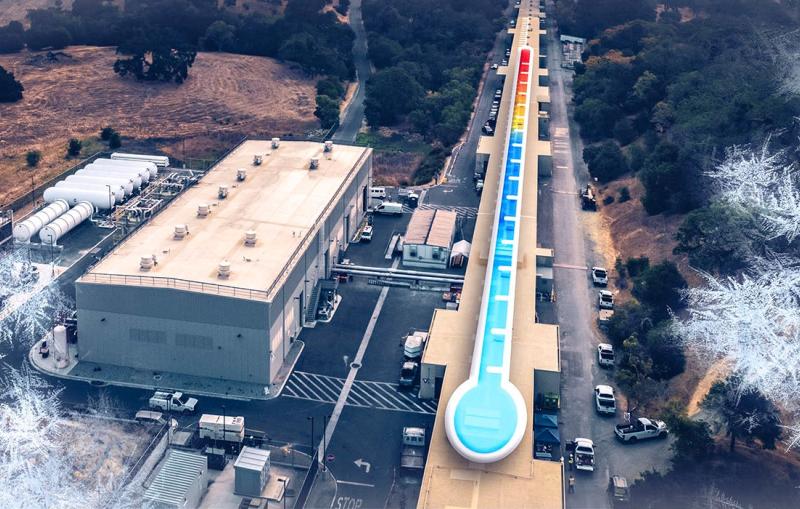
A narrow two-mile long building stretches through trees and foothills.
SLAC Science Explained

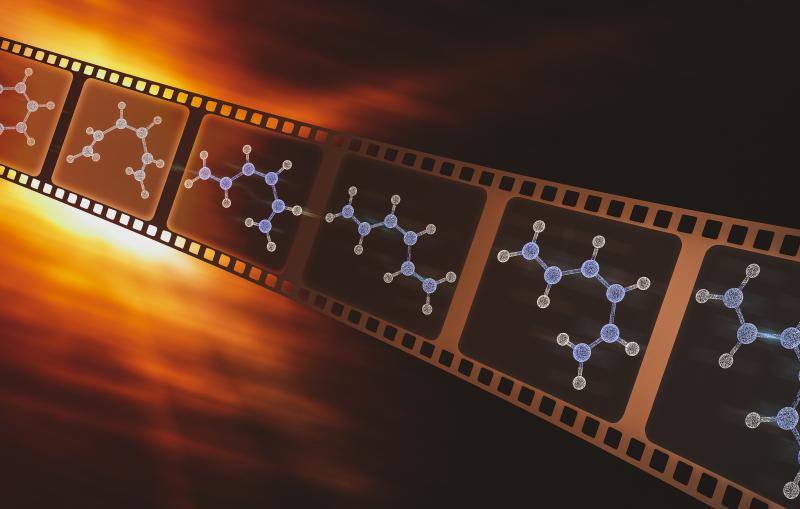
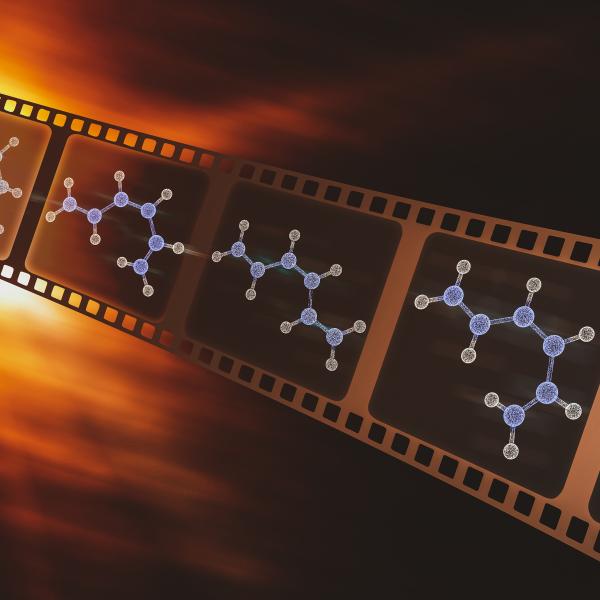
Molecular movie-making is both an art and a science; the results let us watch how nature works on the smallest scales.

Molecular movie filmstrip.
Feature

After decades of experience in the DOE lab system and as director of a leading synchrotron light source, he’s back to where he earned...

Stephen Streiffer
Feature

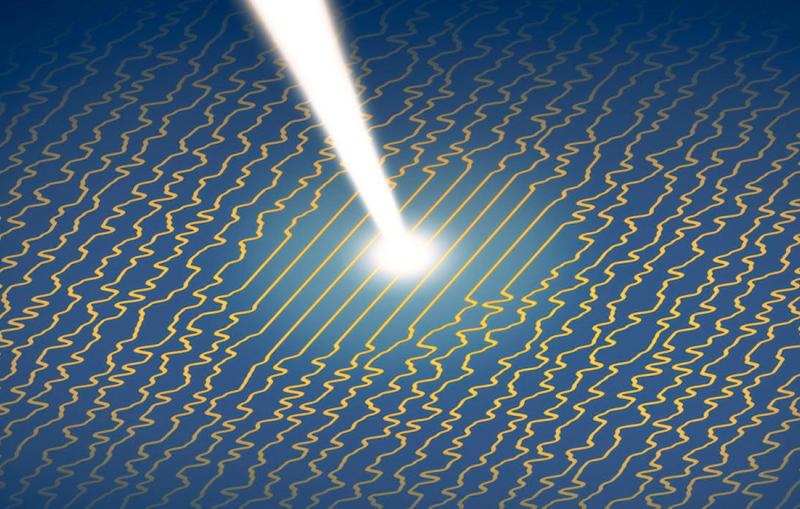
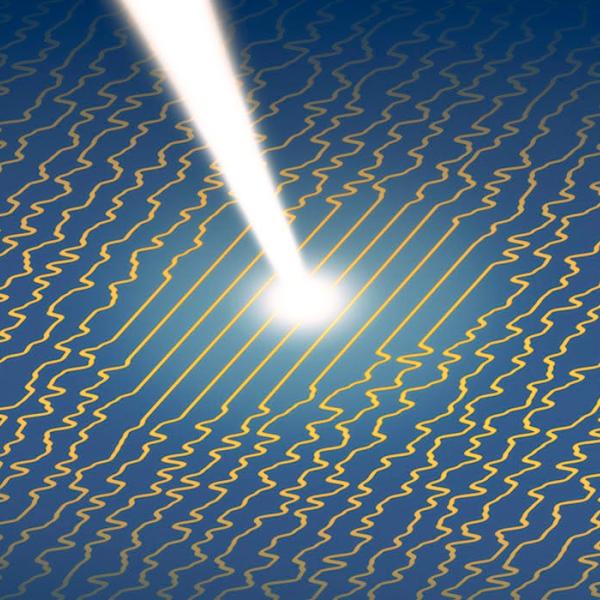
Scientists discover superconductivity and charge density waves are intrinsically interconnected at the nanoscopic level, a new understanding that could help lead to the next...

A beam of light lands on a series of squiggly lines. Where the beam lands, the lines are straight.
News Release

The facility, LCLS-II, will soon sharpen our view of how nature works on ultrasmall, ultrafast scales, impacting everything from quantum devices to clean energy.

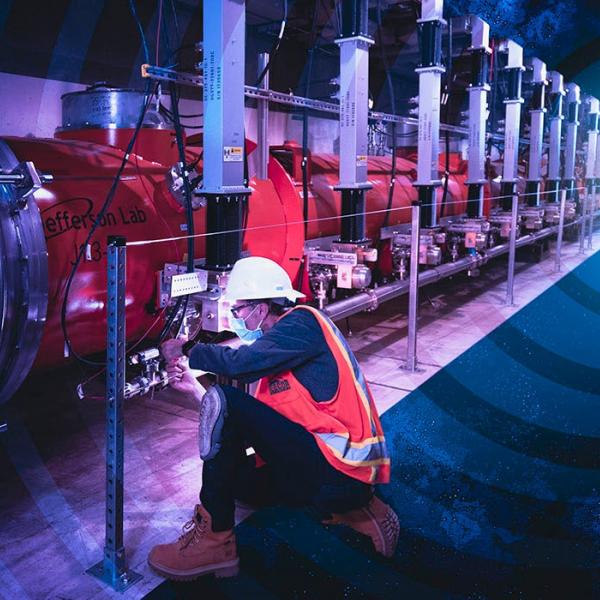
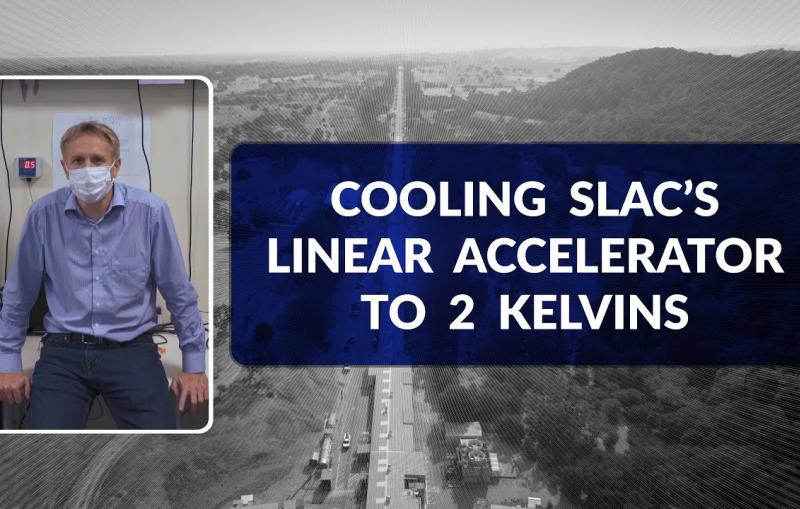
LCLS-II cooldown
Animation
Now that the cavities have been cooled, the next step is to pump them with more than a megawatt of...
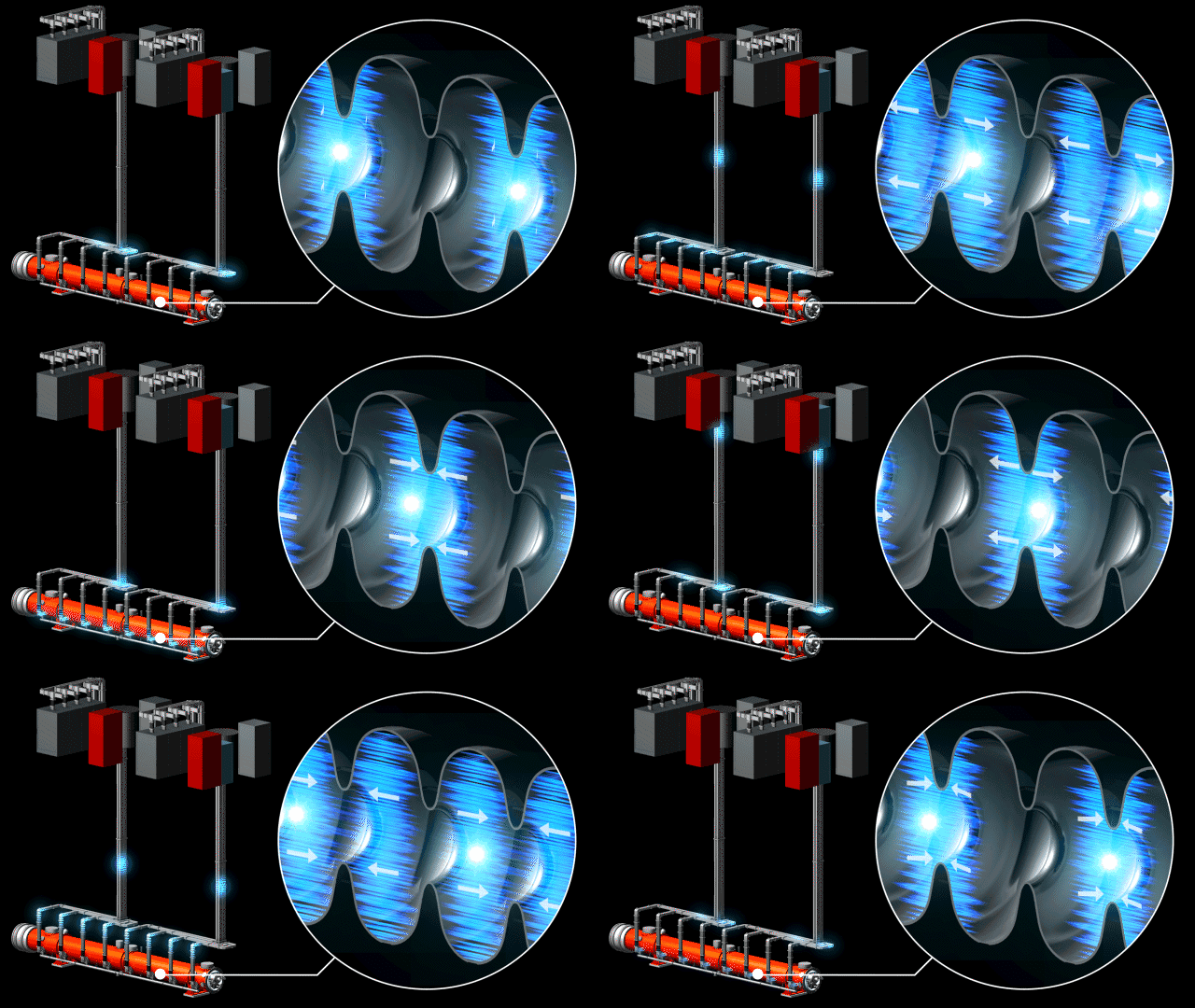
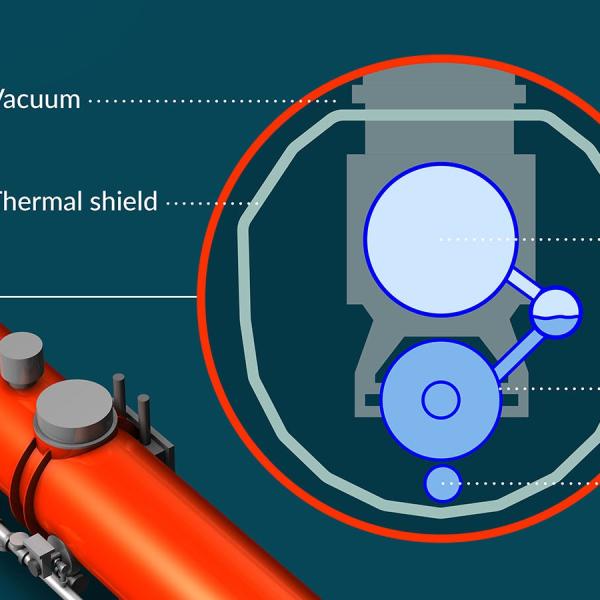
Cryomodule cavity animation
Illustration

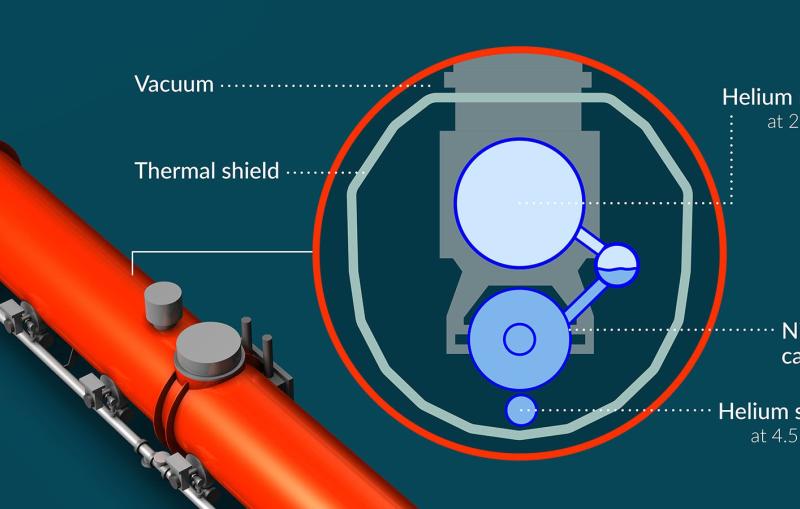
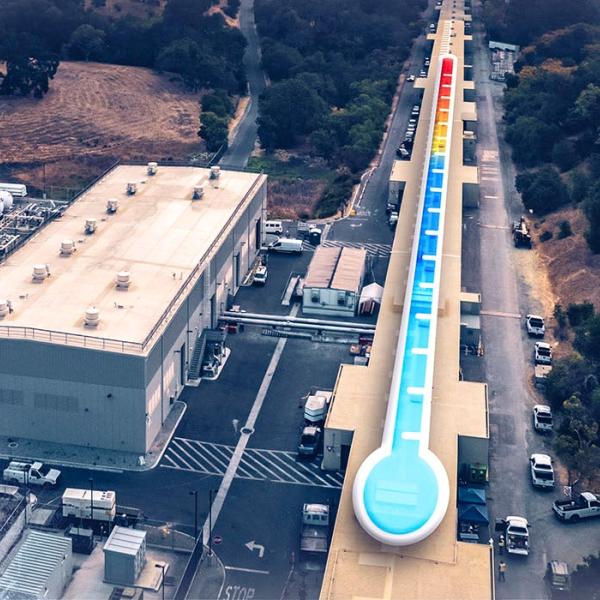
A half-mile-long stretch of tunnel in Menlo Park, California is now colder than most of the universe.
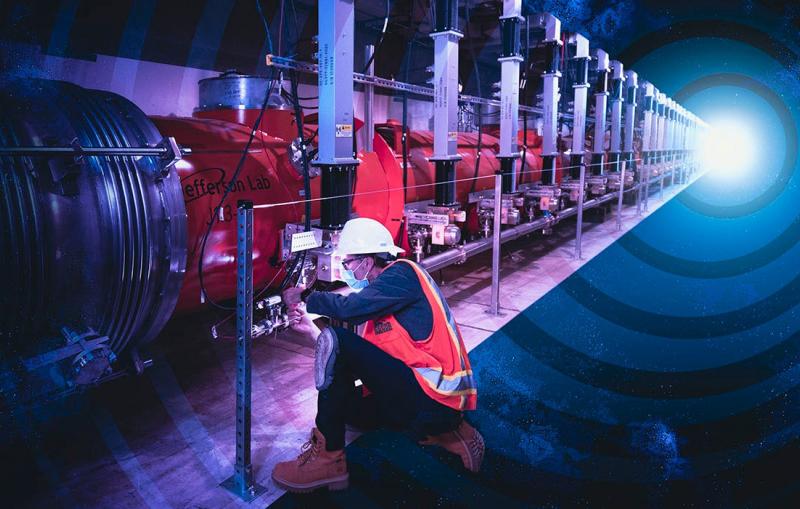
LCLS-II cooldown
Animation

The linac is equipped with two world-class helium cryoplants.

Cryoplant flow animation
Video

SLAC Recent History (1990s-today SLAC Linac Coherent Light Source) – The creation of a powerful X-ray laser. 

SLAC Recent History: The creation of a powerful X-ray laser
Video
Feature

Researchers discover that a spot of molecular glue and a timely twist help a bacterial enzyme convert carbon dioxide into carbon compounds 20 times...

An illustration shows the pocket in an enzyme called ECR where the carbon fixing reaction takes place.
Feature

The leaders of SLAC's Technology Innovation Directorate discuss how their group supports the lab's most innovative projects.

TID senior managers
Feature

SLAC’s Matt Garrett and Susan Simpkins talk about tech transfer that brings innovations from the national lab to the people, including advances for medical...

Tech Transfer