


SLAC topics

Energy science RSS feed

 One of the most urgent challenges of our time is discovering how to generate the energy and products we need sustainably – in a way that doesn’t compromise the well-being of future generations by depleting limited resources or accelerating climate change.

Related Link: Energy sciences

Browse tagged content below

How electrons flow in the oxygen-evolving complex of Photosystem II.
Feature

The software tool sorts through messy data to reveal what’s really going on with solar panels on cloudy and sunny days.

This is a graphic representation of solar power system data. The data is processed by algorithms, which turn the data into specific power loss causes.
News Brief

SLAC and its partners have released a free, easy-to-use platform for understanding and managing electric grids. 

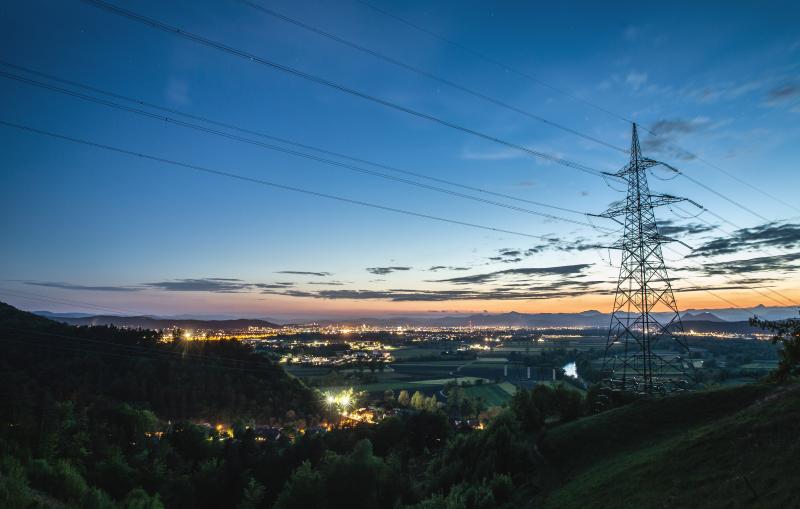
View of a city at twilight with a power transmission tower in foreground
News Brief

The team reduced the amount of expensive platinum group metals needed to make an effective cell and found a new way to test future...

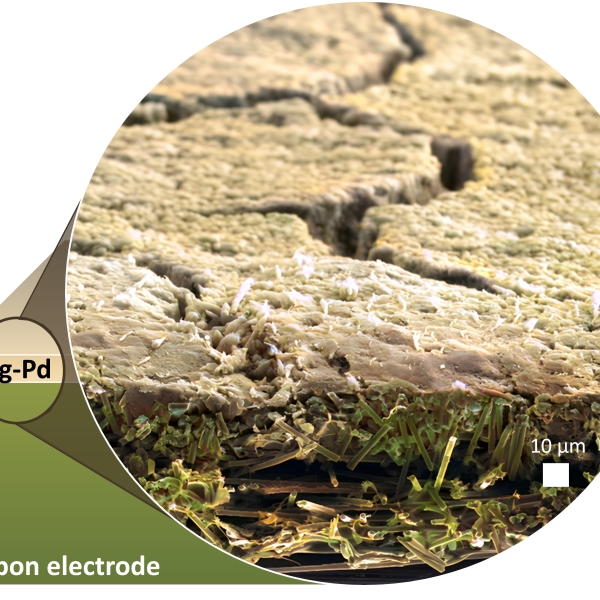
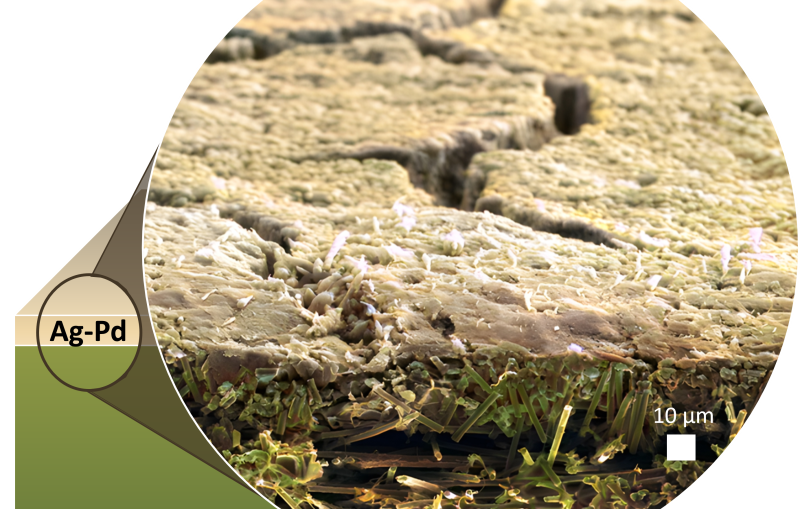
An illustration of a thin film resembling dry, cracked earth.
News Brief

The American Physical Society recognized the SLAC and Stanford physicist for decades of groundbreaking work studying the strange behavior of electrons at the interfaces...

Photo - Harold Hwang
Feature

A groundbreaking study shows defects spreading through diamond faster than the speed of sound 

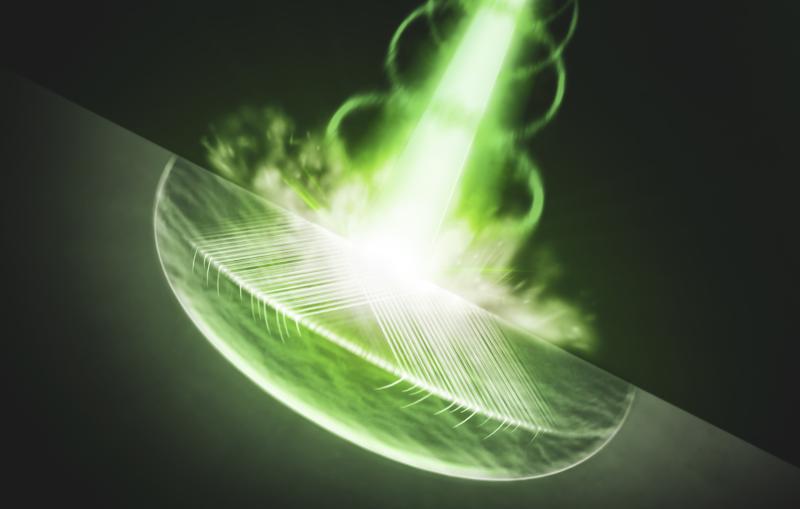
Shocking a diamond with a high-power laser produced defects that propagated faster than the speed of sound.
News Release

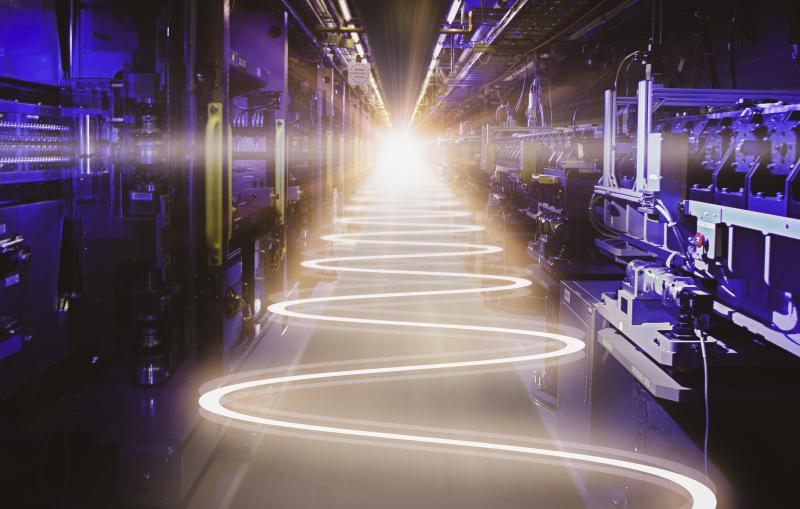
With up to a million X-ray flashes per second, 8,000 times more than its predecessor, it transforms the ability of scientists to explore atomic-scale...

LCLS-II first light
Feature

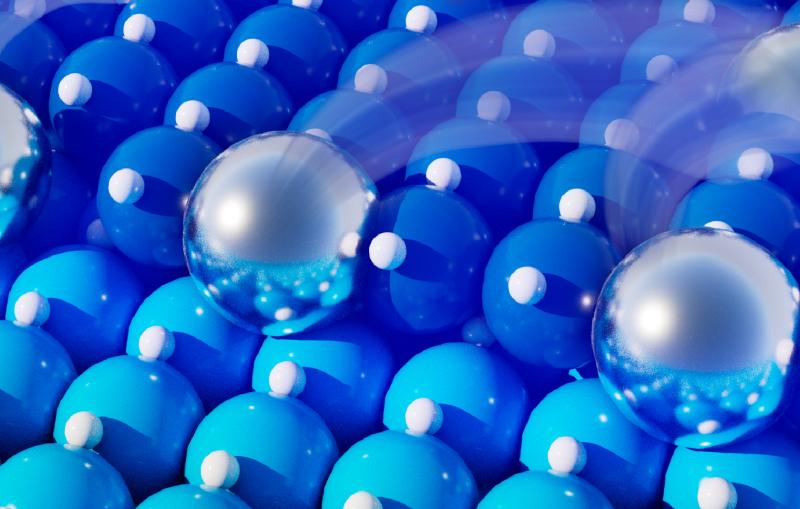
Researchers demonstrate a way to remove the potent greenhouse gas from the exhaust of engines that burn natural gas.  

Illustration of bubbles of methane on surface of catalyst
Feature

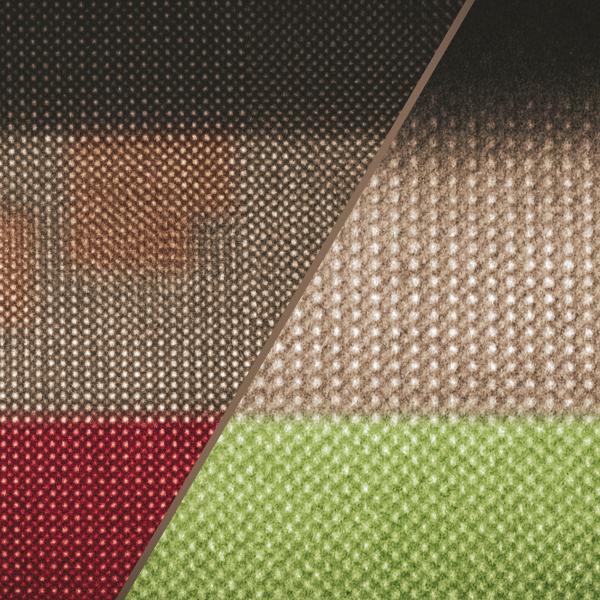
It irons out wrinkles in thin films of these novel superconductors so scientists can see their true nature for the first time. 

Colorized electron microscope images reveal defects in the atomic structure of a nickelate superconductor (right) compared to a defect-free structure (right)
Feature

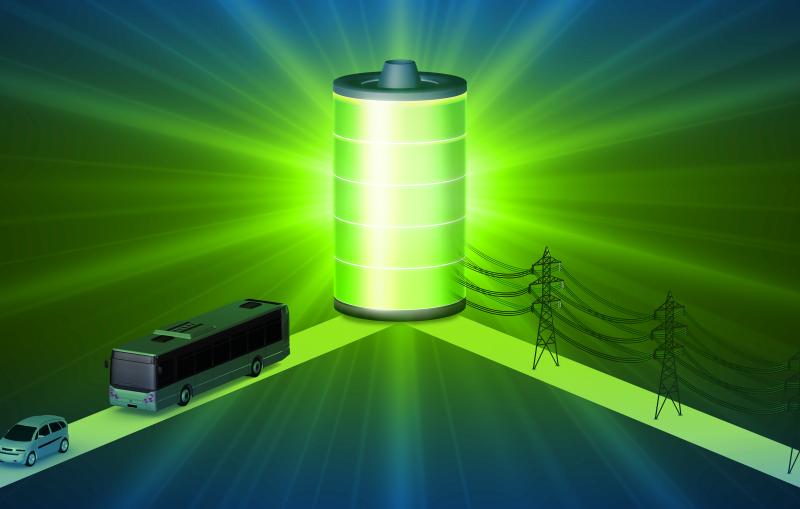
Batteries come in many shapes and sizes, but their materials can be hard to source. SLAC researchers are trying to build them with more...

This is a graphic representation of a battery and the things that batteries can power
Feature

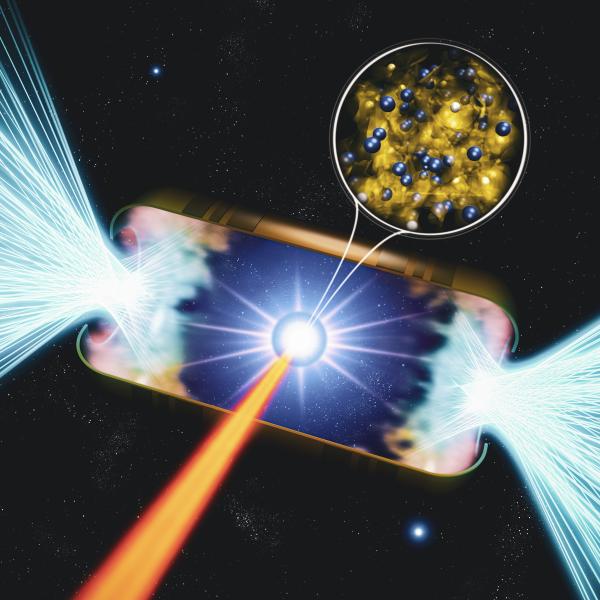
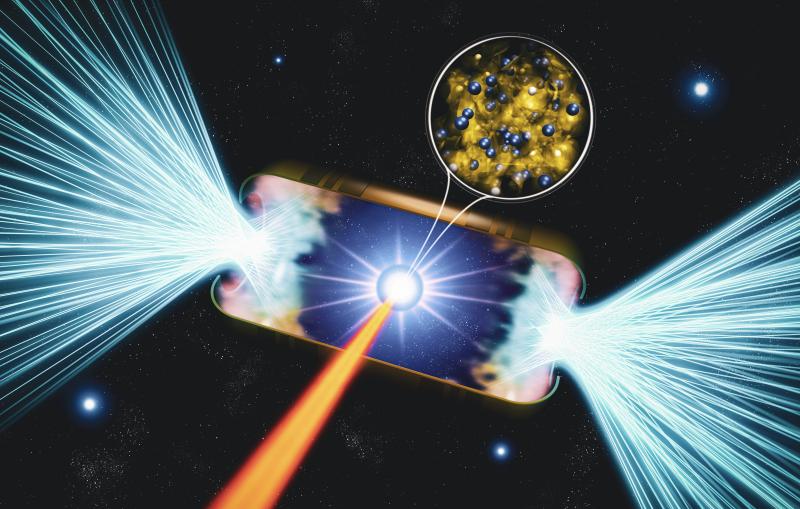
The results offer important implications for astrophysics and nuclear fusion research.

NIF experiment
News Release

After decades of effort, scientists have finally seen the process by which nature creates the oxygen we breathe using SLAC’s X-ray laser.

Photosystem II
Animation

In photosystem II, the water-splitting center cycles through four stable states
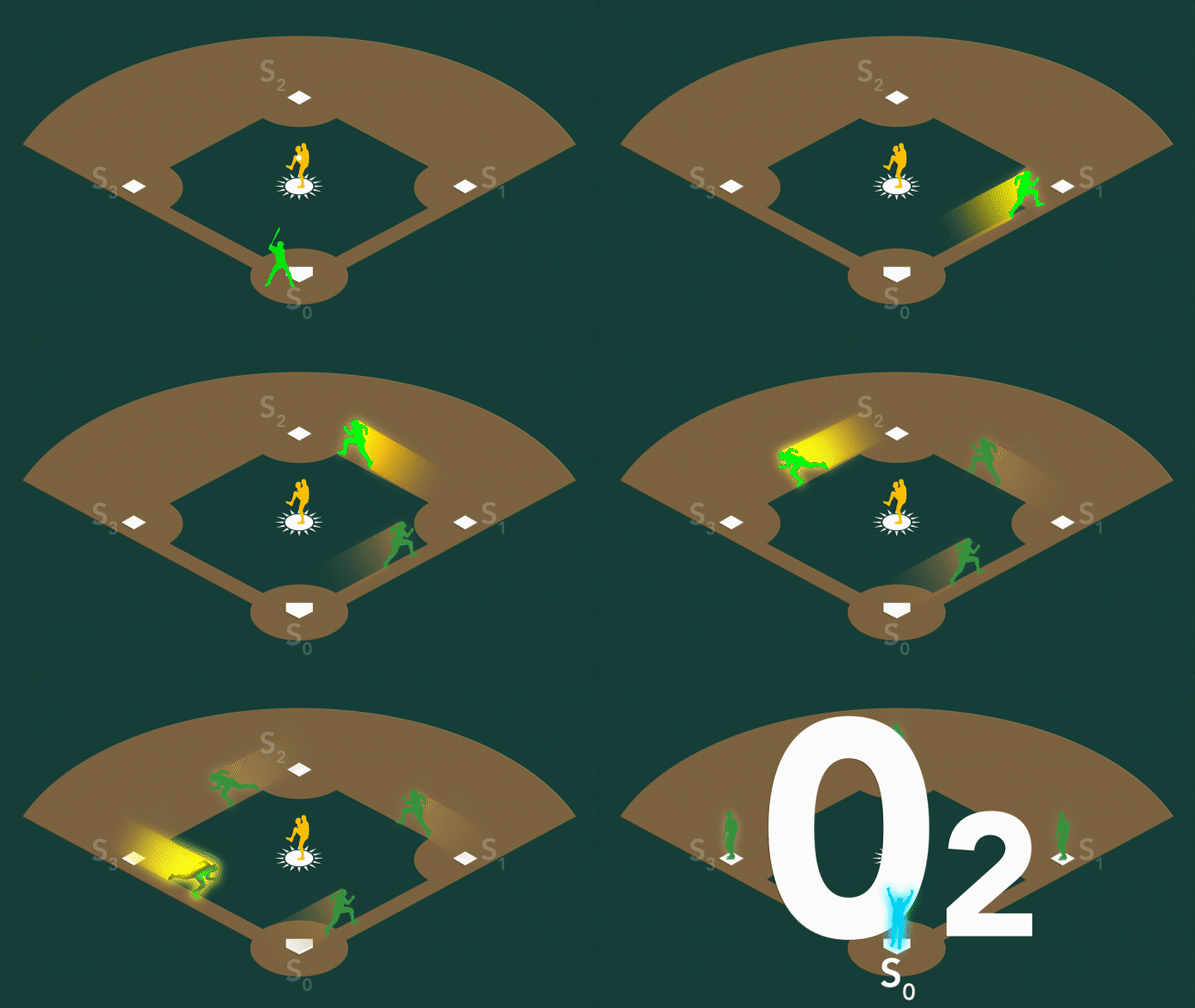
Photosystem II baseball