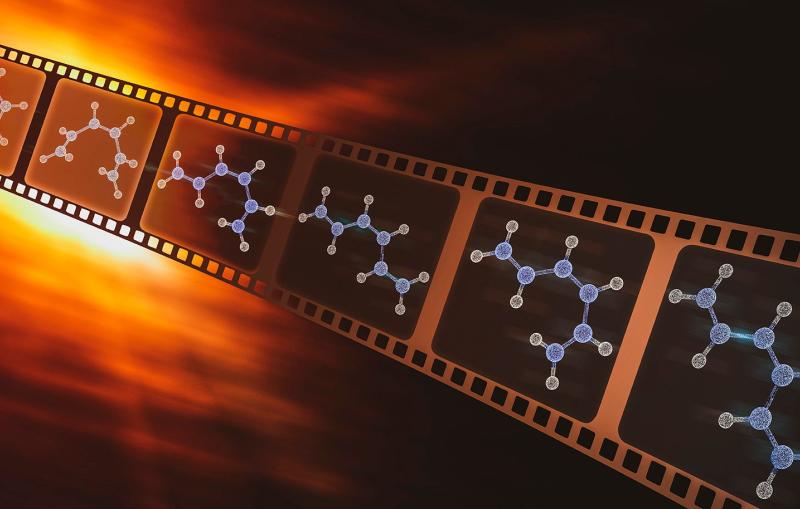
See content related to electron diffraction and electron microscopy techniques here below.
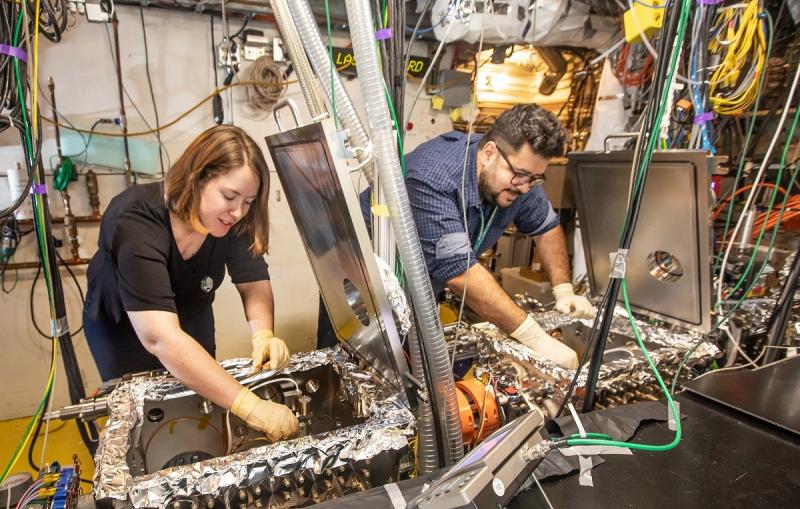
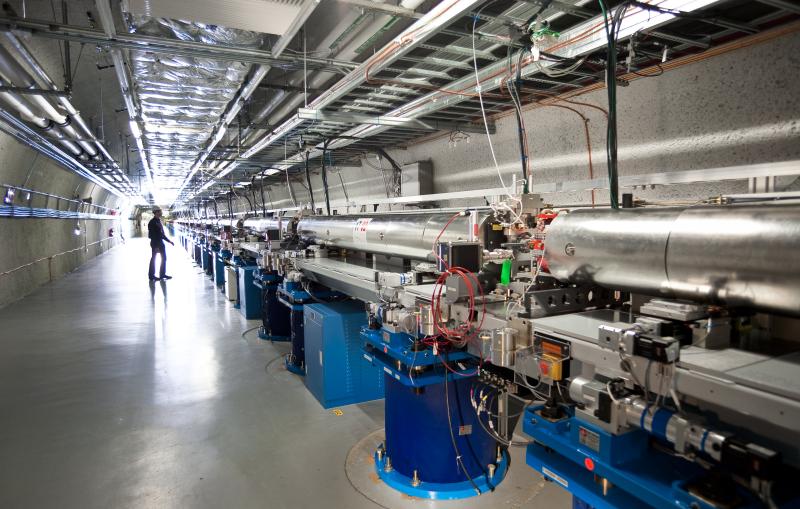
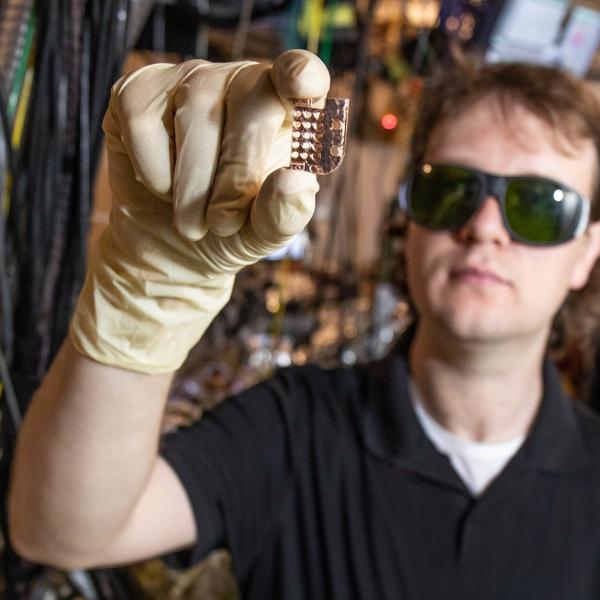
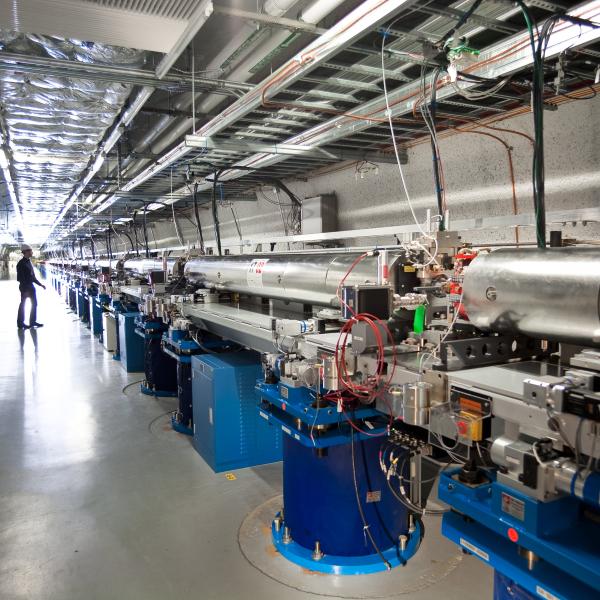
SLAC’s Emma Snively and Mohamed Othman at the lab’s high-speed “electron camera,” an instrument for ultrafast electron diffraction (MeV-UED).
(Jacqueline Orrell/SLAC National Accelerator Laboratory)
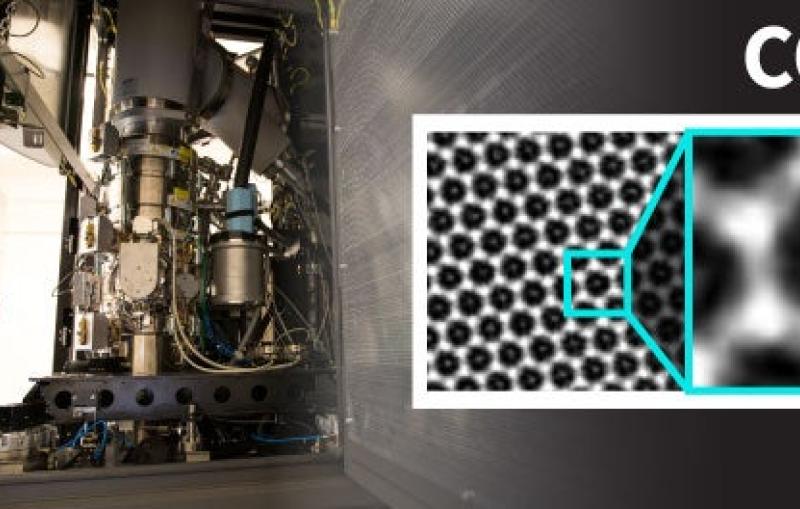
A new twist on cryo-EM imaging reveals what’s going on inside MOFs, highly porous nanoparticles with big potential for storing fuel, separating gases and...
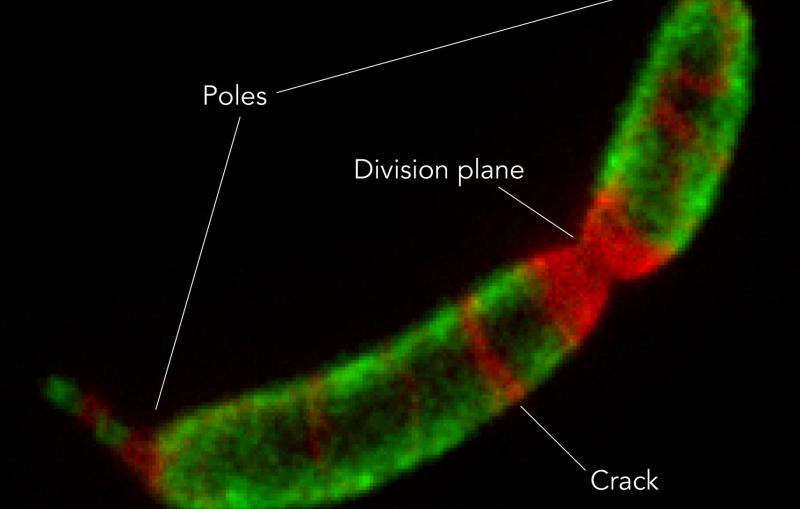
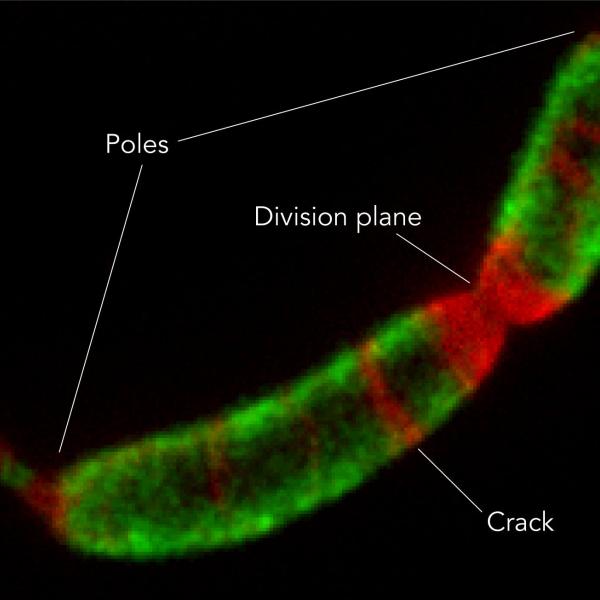
A close-up look at how microbes build their crystalline shells has implications for understanding how cell structures form, preventing disease and developing nanotechnology.
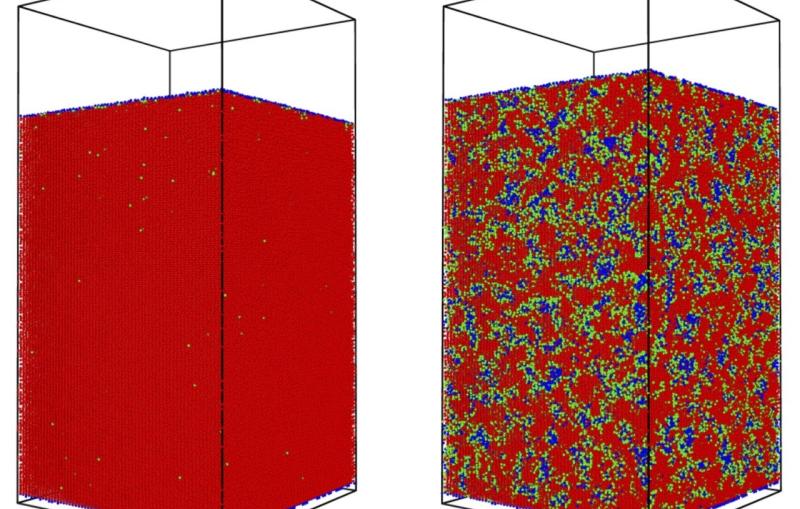
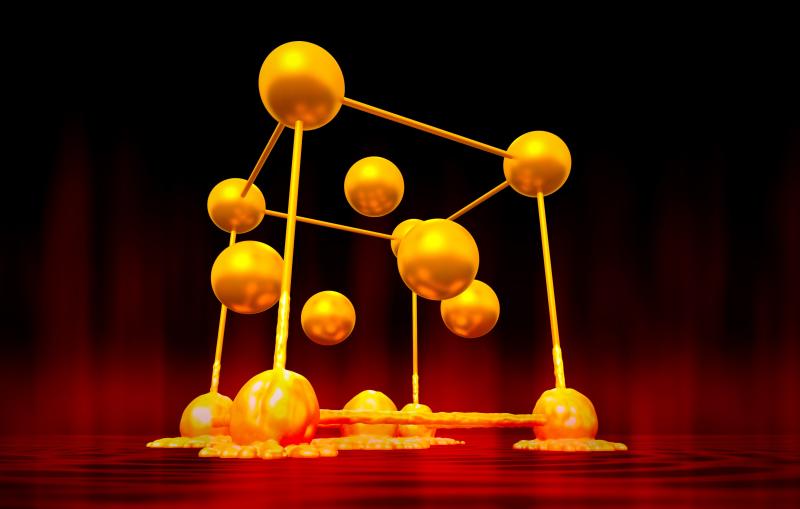
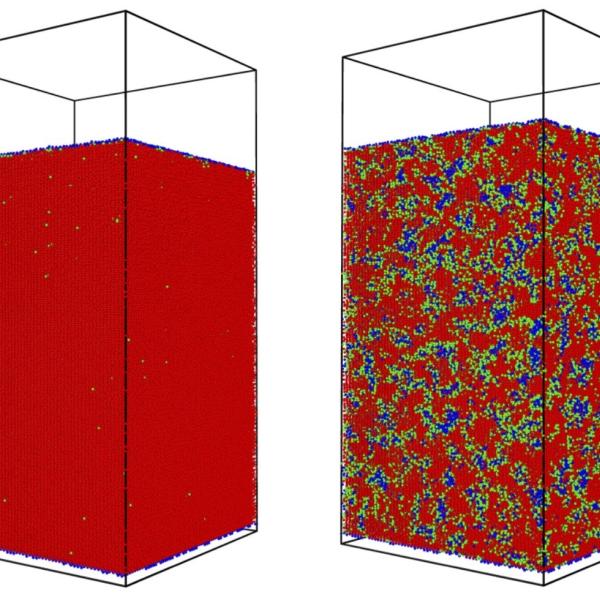
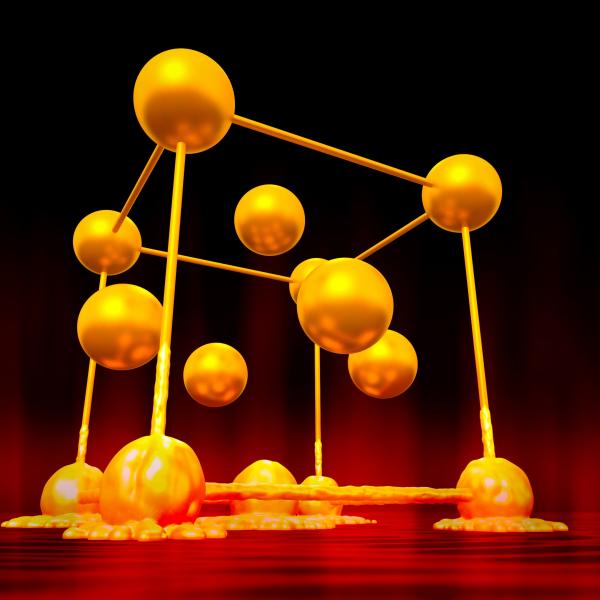
SLAC’s high-speed ‘electron camera’ shows for the first time the coexistence of solid and liquid in laser-heated gold, providing new clues for designing materials...
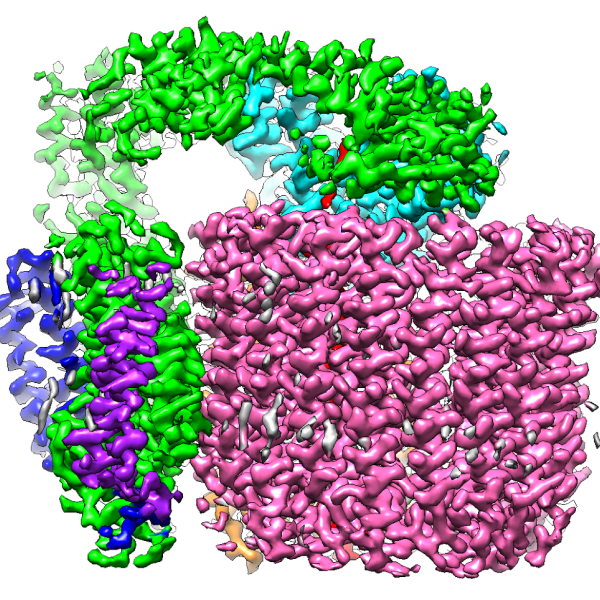
The National Institutes of Health center on the SLAC campus will make this revolutionary technology available to scientists nationwide and teach them how to...
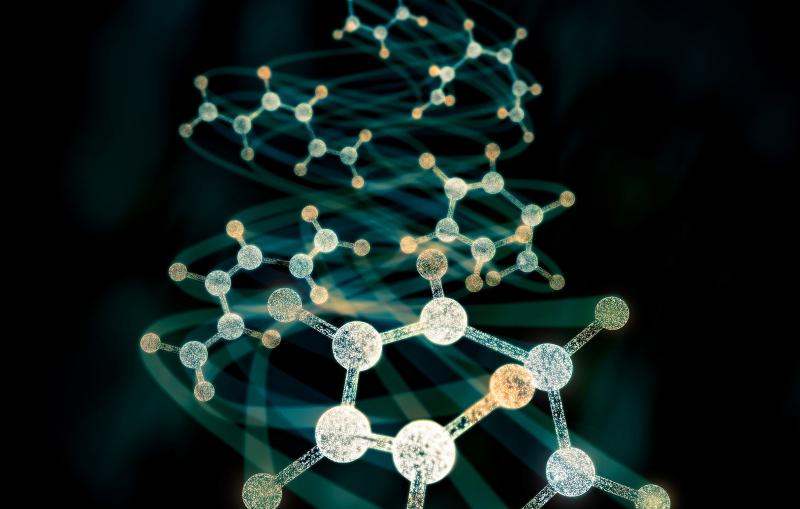
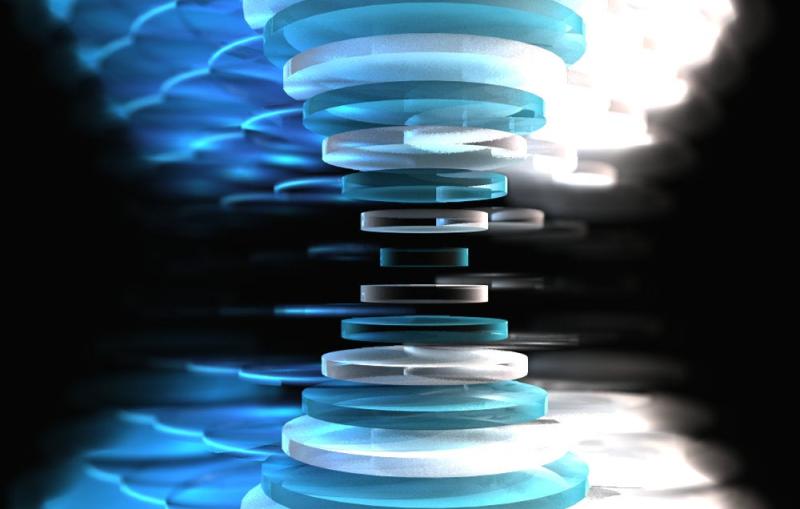
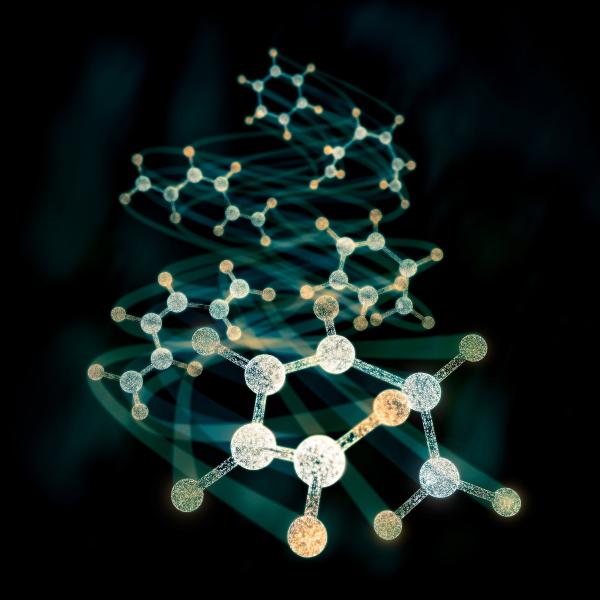
A team including SLAC researchers has measured the intricate interactions between atomic nuclei and electrons that are key to understanding intriguing materials properties, such...
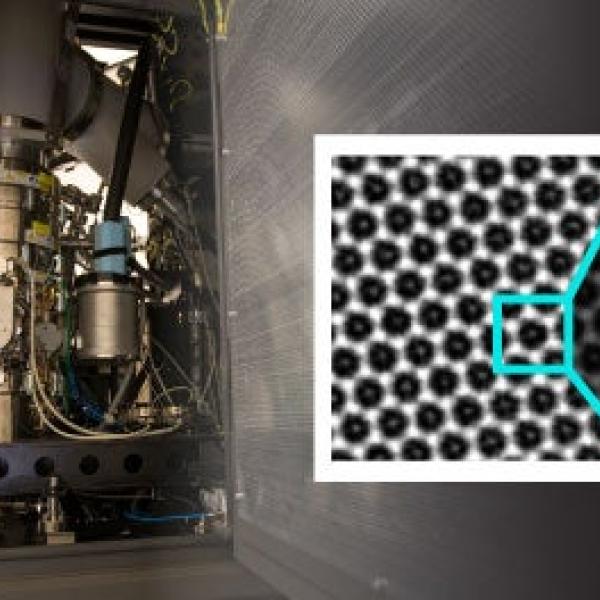
A new twist on cryo-EM imaging reveals what’s going on inside MOFs, highly porous nanoparticles with big potential for storing fuel, separating gases and removing carbon dioxide from the atmosphere.
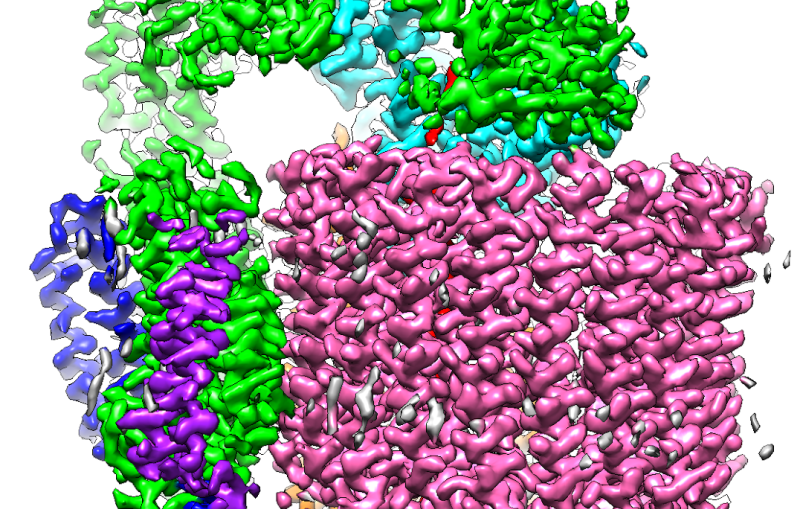
A close-up look at how microbes build their crystalline shells has implications for understanding how cell structures form, preventing disease and developing nanotechnology.
SLAC’s high-speed ‘electron camera’ shows for the first time the coexistence of solid and liquid in laser-heated gold, providing new clues for designing materials that can withstand extreme conditions.
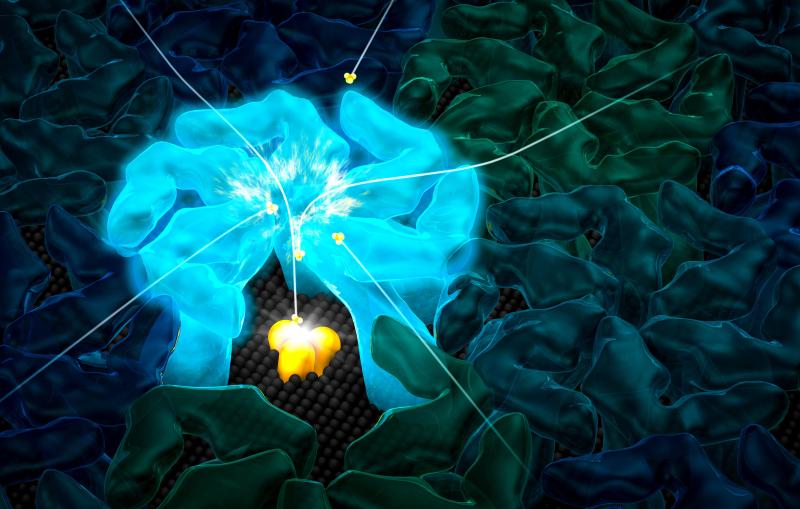
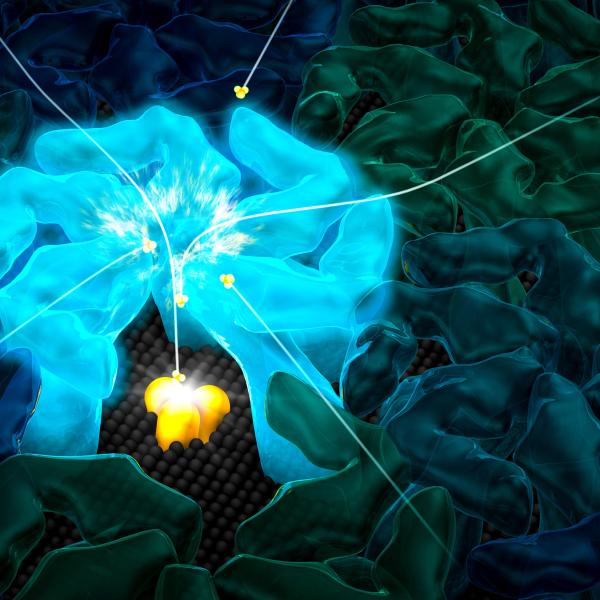
Tiny pores in the shells of archaea microbes attract ammonium ions that are their sole source of energy, allowing them to thrive where this food is so scarce that scientists can’t even detect it.
The National Institutes of Health center on the SLAC campus will make this revolutionary technology available to scientists nationwide and teach them how to use it to study 3D structures of biological machines and molecules.
A team including SLAC researchers has measured the intricate interactions between atomic nuclei and electrons that are key to understanding intriguing materials properties, such as high-temperature superconductivity.