A new program led by SLAC and Sandia national laboratories connects investors and entrepreneurs with Department of Energy scientists to launch startups in key...
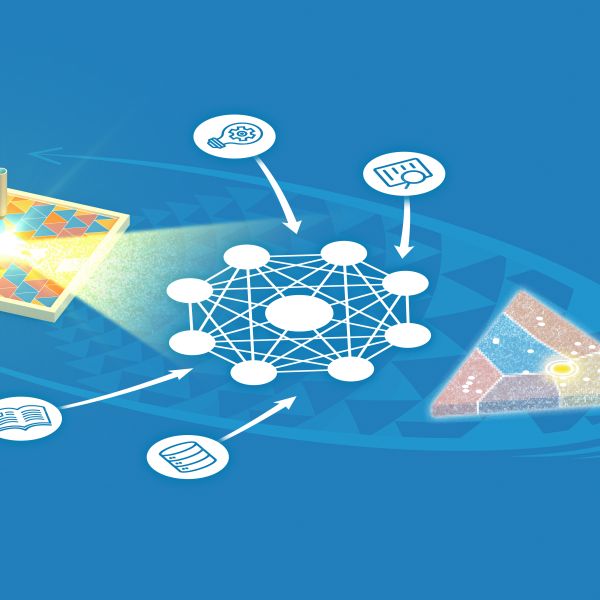
The lab’s contributions to the national AI initiative are bolstered by its breakthrough scientific tools, unprecedented data and unique partnerships that help illuminate nature...
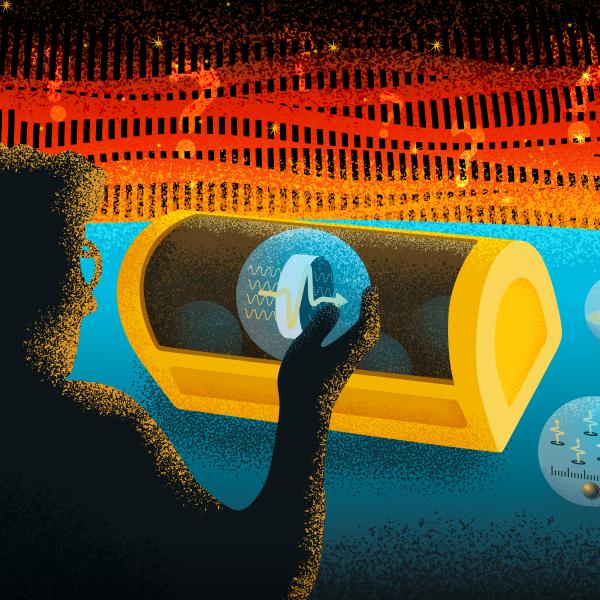
As QuantISED enters its next phase in its effort to develop quantum technologies capable of exploring some of the universe’s biggest unanswered questions, scientists...
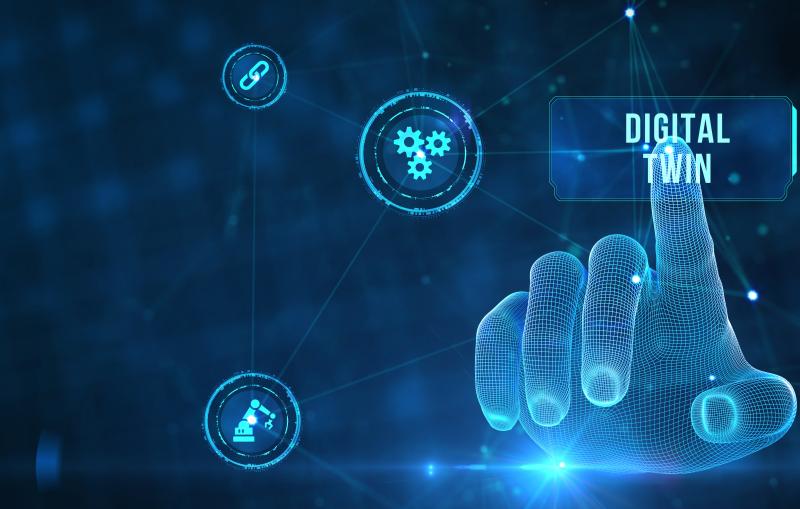
The SLAC team is developing digital twins – powered by AI and high-performance computing – to help quickly shape high-quality particle beams for the...
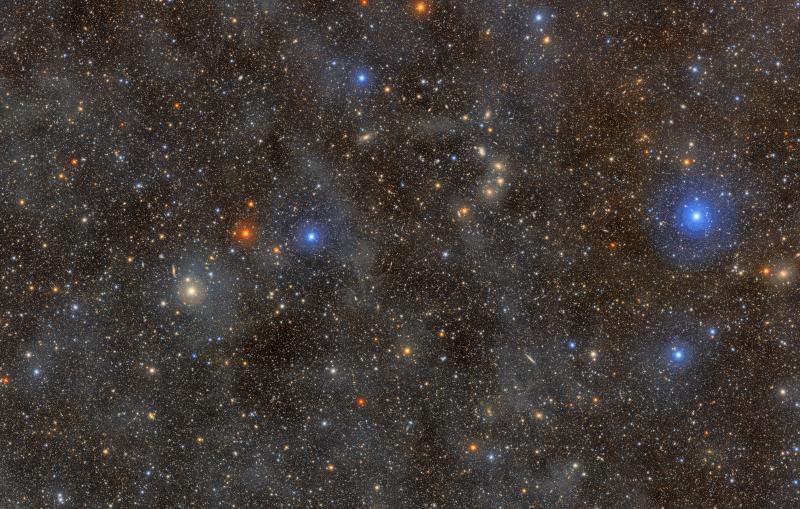
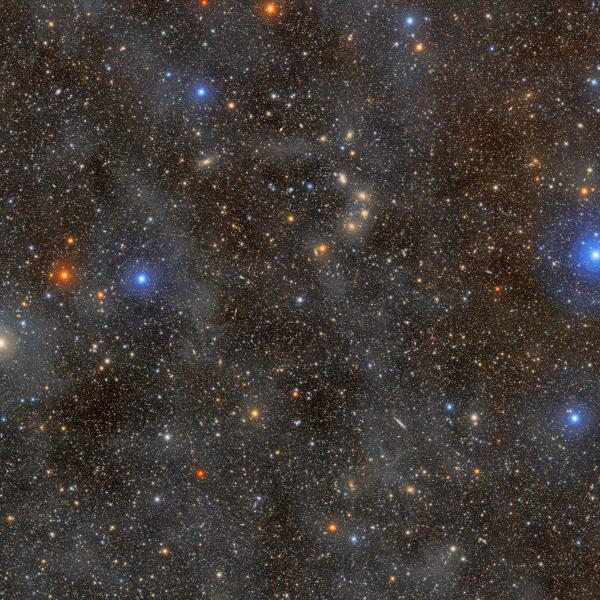
He met with SLAC staff and toured the lab’s cutting-edge facilities, diving into world-leading research in X-ray and ultrafast science, artificial intelligence, astrophysics and...
Announced by the DOE today, the funded project will explore the use of Super Intelligence to accelerate our understanding of a process central to energy and chemical production. SLAC will also play a key role in eight other Genesis Mission...
A new program led by SLAC and Sandia national laboratories connects investors and entrepreneurs with Department of Energy scientists to launch startups in key technology areas.
The lab’s contributions to the national AI initiative are bolstered by its breakthrough scientific tools, unprecedented data and unique partnerships that help illuminate nature from the expansion of the universe to the motions of electrons.
As QuantISED enters its next phase in its effort to develop quantum technologies capable of exploring some of the universe’s biggest unanswered questions, scientists reflect on what the first round made possible and what comes next.
The SLAC team is developing digital twins – powered by AI and high-performance computing – to help quickly shape high-quality particle beams for the lab’s X-ray and ultrafast facilities.
He met with SLAC staff and toured the lab’s cutting-edge facilities, diving into world-leading research in X-ray and ultrafast science, artificial intelligence, astrophysics and more.