SLAC topics

Dark matter RSS feed

One of modern science’s biggest mysteries is dark matter, an invisible form of matter that shapes galaxy rotation and bends rays of light. No one knows what dark matter is, but scientists are carrying out a number of experiments to learn more.

Related links:
Physics of the universe
Astrophysics and cosmology

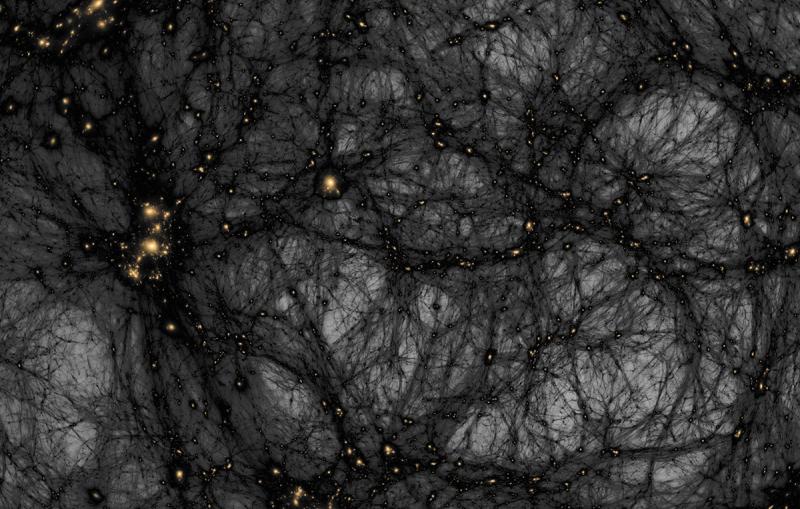
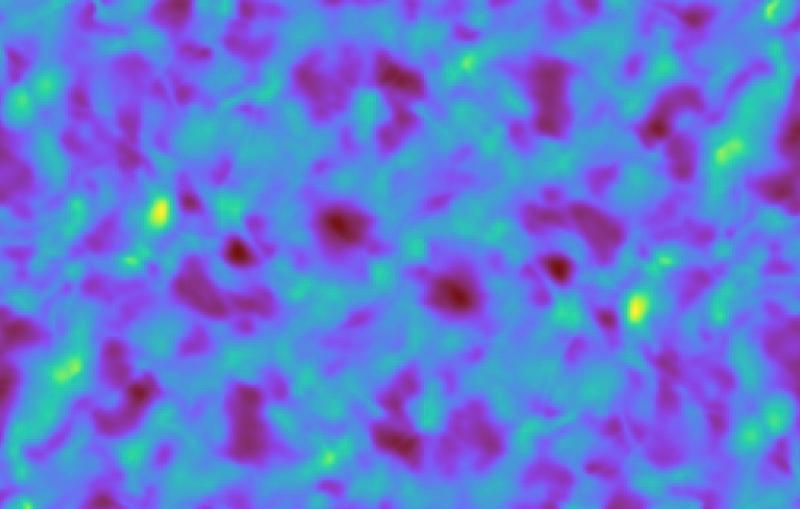
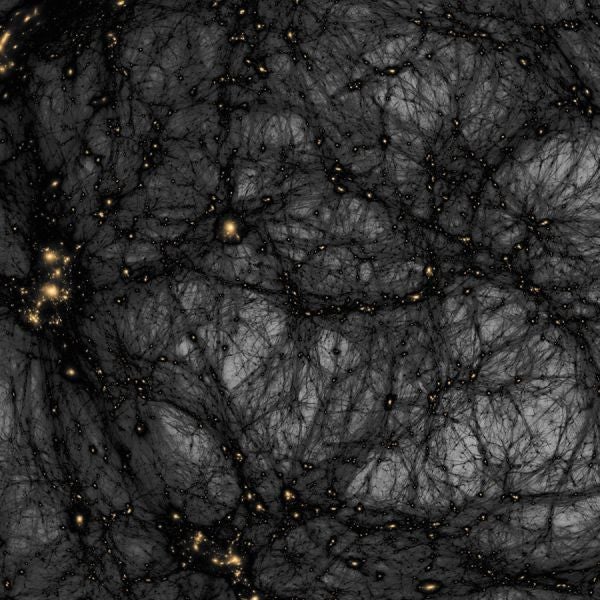
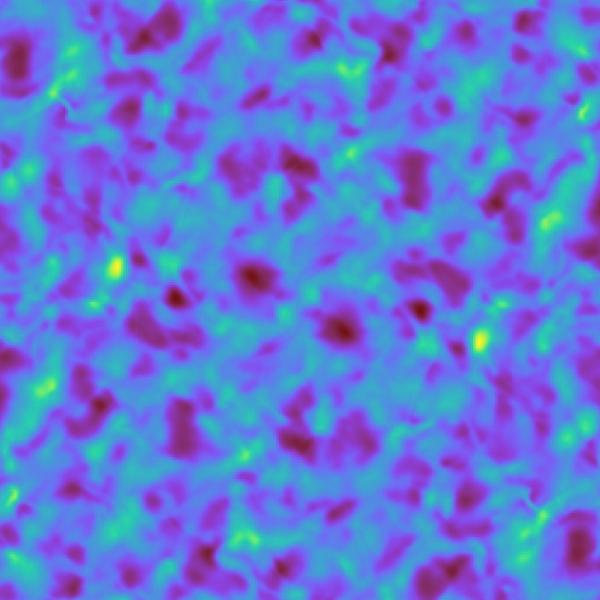
Formation of dark matter structures.
Feature

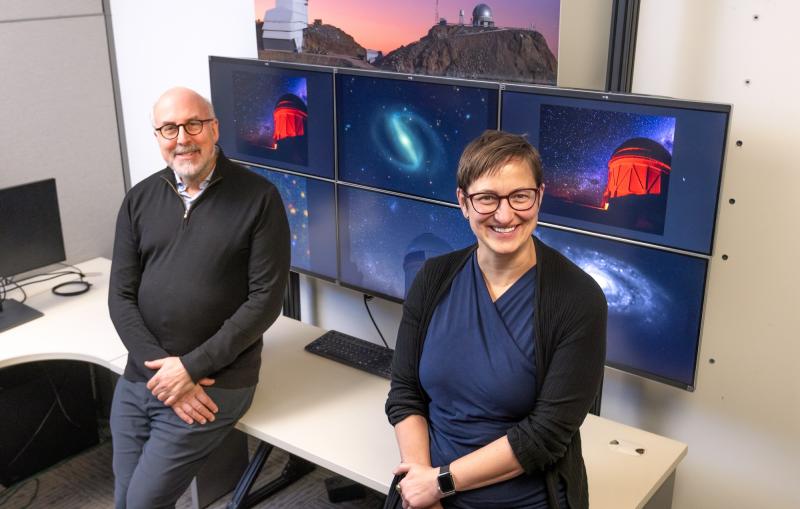
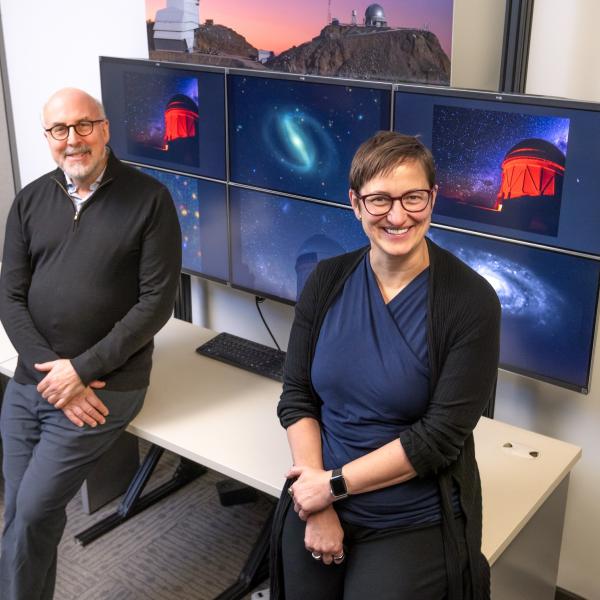
Cosmologists Josh Frieman and Risa Wechsler look back on the Dark Energy Survey, sharing how it’s paving the way for Rubin Observatory to dig...

Josh Frieman and Risa Wechsler
News Brief

The latest results combined weak lensing and galaxy clustering and incorporated four dark energy probes from a single experiment for the first time.

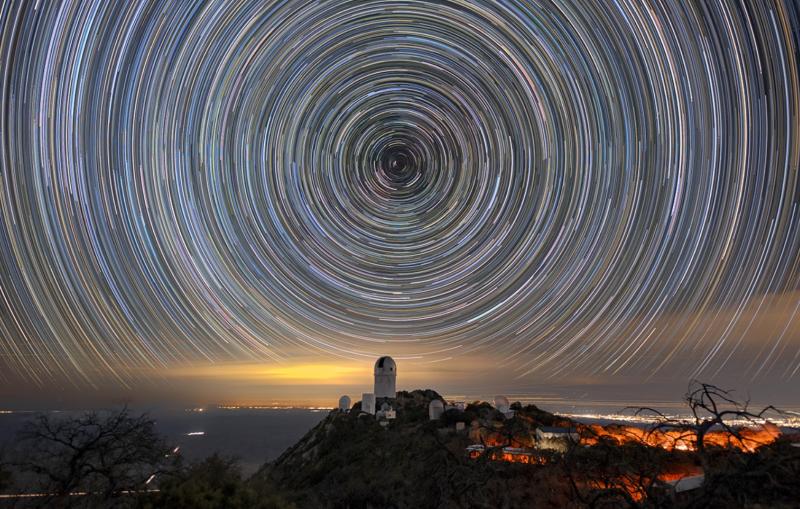
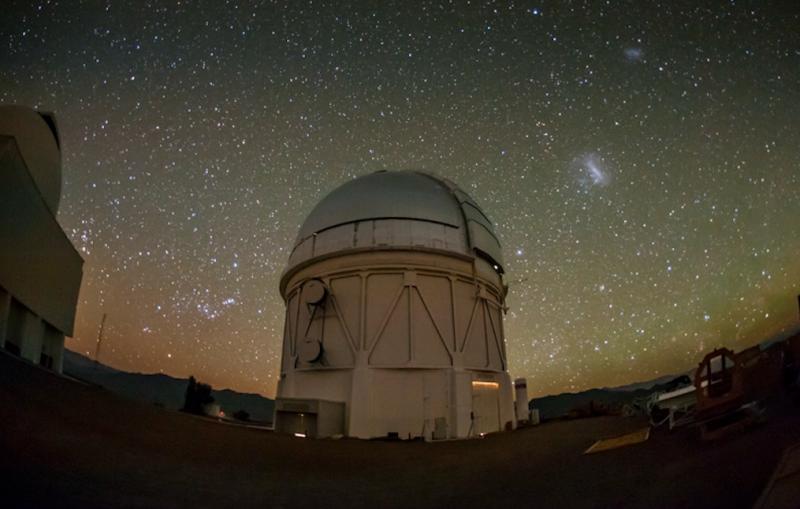
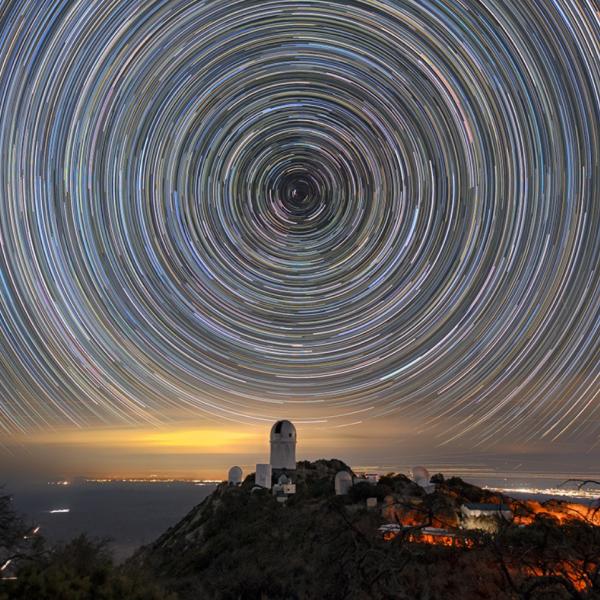
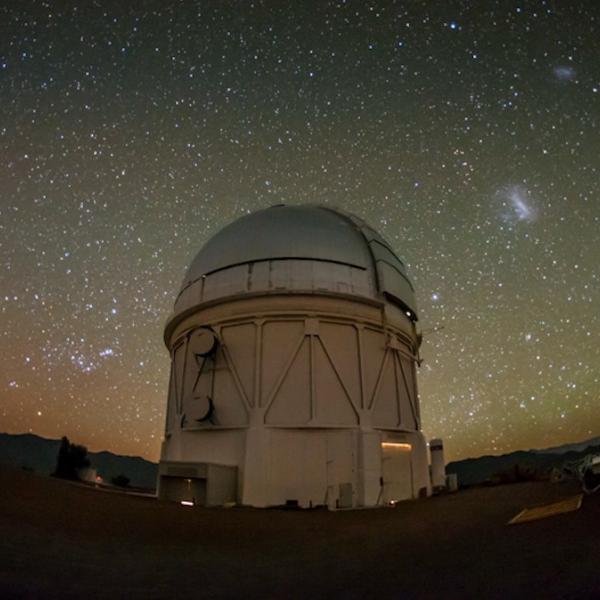
Photo of the Cerro Tololo Inter-American Observatory (CTIO) in the Chilean Andes at night.
News Release

In the largest dataset ever collected by a dark matter detector, LUX-ZEPLIN's latest results provide the strongest constraints on low-mass WIMPs and detect boron-8...

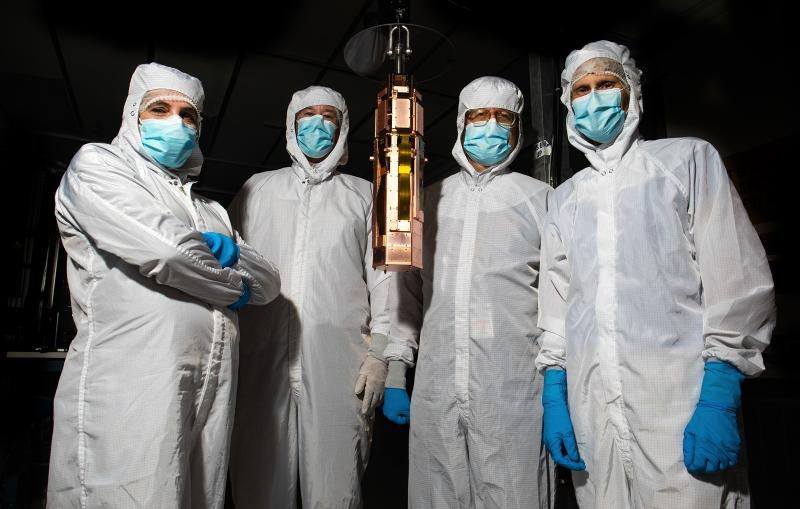
Overhead view looking down into a white structure with dozens of orange circular components arranged radially.
Feature

Her work will advance a next-generation experiment in the hope of detecting this mysterious ingredient of the universe.

Portrait of Ann Wang
Feature

With survey operations set to begin this fall, the Rubin control room at SLAC will serve as a key hub for training and remote...

First Photons in the Rubin control room at SLAC
SLAC Science Explained

Quantum sensing uses quantum phenomena to detect extremely subtle signals or changes that are beyond the reach of many traditional sensors.

Graphic with an astronaut on the moon with signal moving
Multimedia

His visit highlighted the breadth of our world-class research and the people and collaborations that make it possible. A key theme of the day...

U.S. Deputy Secretary of Energy Danly watches a simulation of dark matter.
Multimedia

On Monday, scientists and engineers reacted to the first images from the NSF–DOE Vera C. Rubin Observatory, marking a historic milestone.

Scientists reacting to presentation
Feature

Two decades ago, Stanford and SLAC took a gamble on an unproven telescope design. Now it's on the verge of paying off.

NSF–DOE Vera C. Rubin Observatory
News Release

The state-of-the-art ‘big-data facility’ unveils its first images and video, bringing the night sky to life like never before.

This image combines 678 separate images taken by NSF–DOE Vera C. Rubin Observatory in just over seven hours of observing time. Combining many images in this way clearly reveals otherwise faint or invisible details, such as the clouds of gas and dust that comprise the Trifid nebula (top) and the Lagoon nebula, which are several thousand light-years away from Earth
Video

A view of Cerro Pachón at sunset in 2024 shows the Rubin Observatory with Gemini South and SOAR in the distance, ahead of Rubin’s...

Front Page Rubin Cerro Pachón
Video
Video

A drone circles the Rubin Observatory at sunset in 2024, just before it begins a 10-year survey of the southern sky.

Front Page Rubin Summit
Video