SLAC topics

Condensed-matter physics RSS feed

Condensed matter physics is the study of substances in a solid state. It explores the structure and properties of complex materials at nanoscales, such as superconductors, diamondoids and other quantum materials.  
Browse tagged content

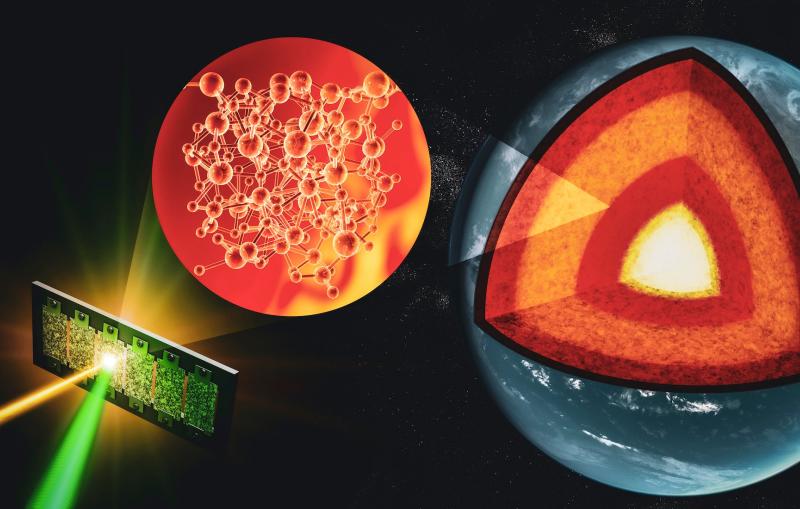
atomic arrangements of liquid silicates at the extreme conditions found in the core-mantle boundary.
Feature

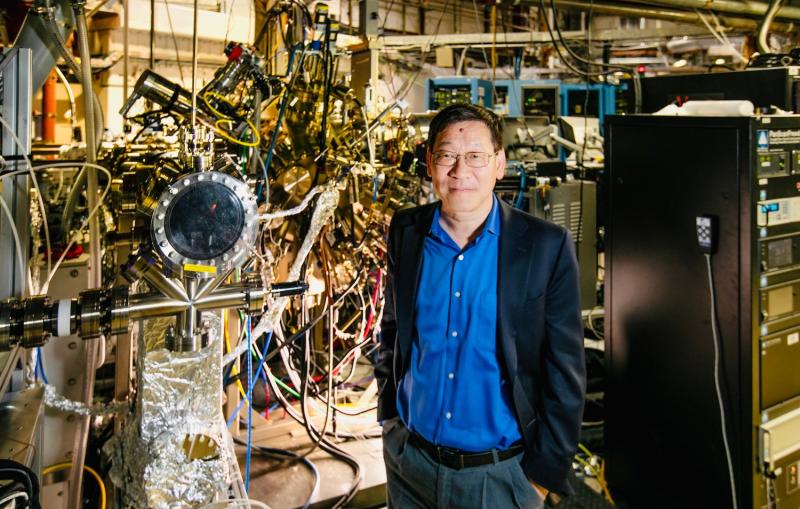
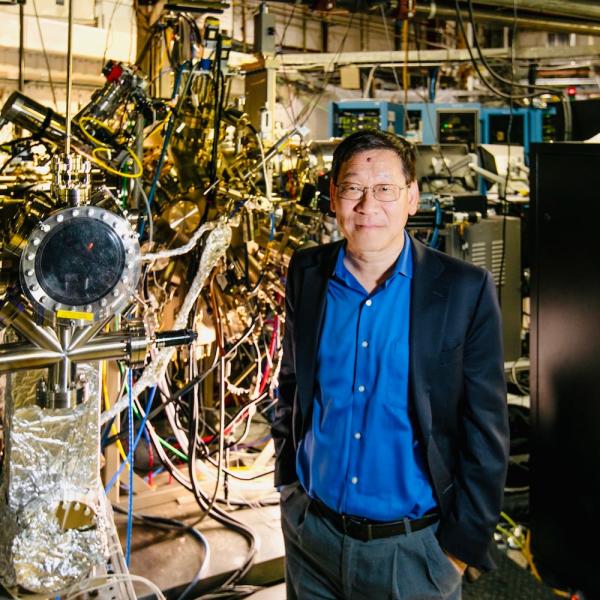
For decades Z-X Shen has ridden a wave of curiosity about the strange behavior of electrons that can levitate magnets.

Portrait of Stanford and SLAC Professor Z-X Shen
Feature

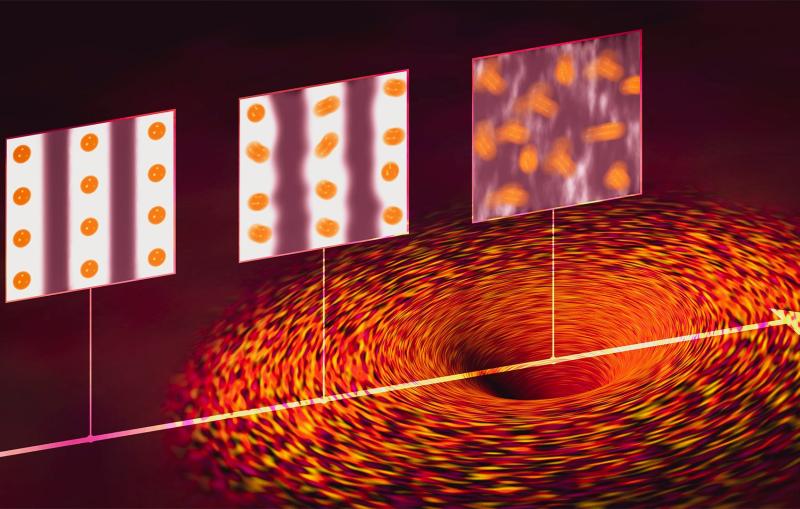
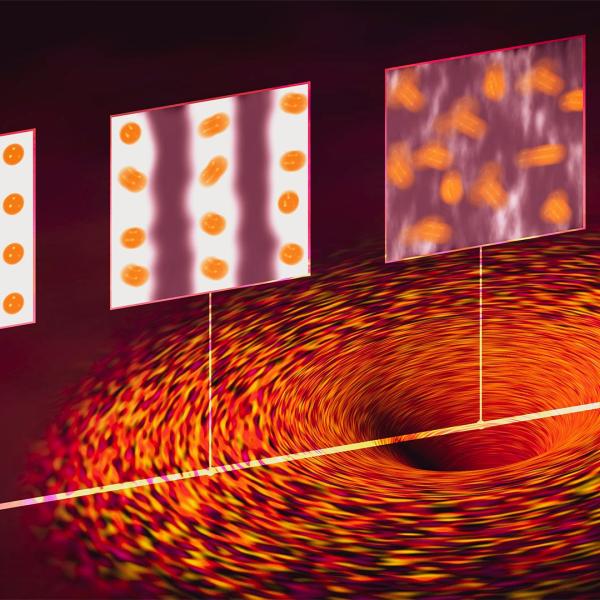
Theory suggests that quantum critical points may be analogous to black holes as places where all sorts of strange phenomena can exist in a...

Illustration of changes in charge stripes as a superconductor approaches a quantum critical point
Feature

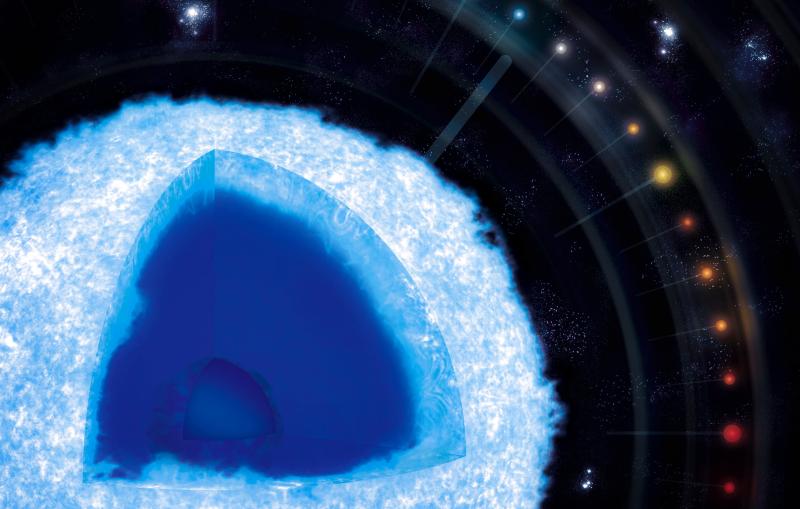
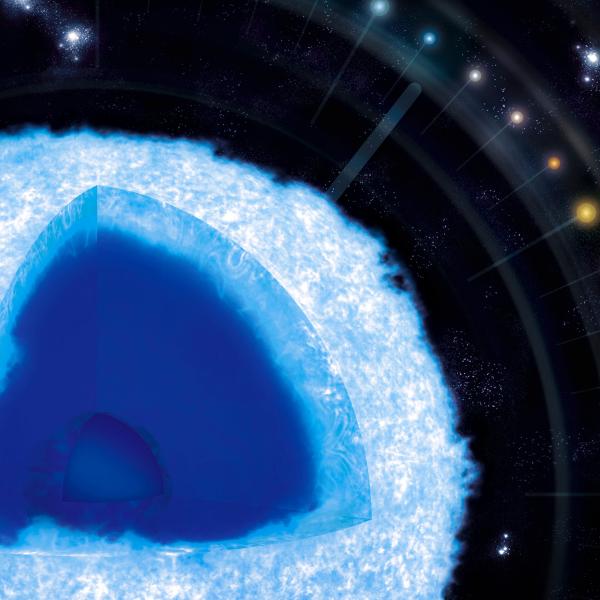
Researchers developed a way to measure the basic properties of matter at the highest pressures thus far achieved in a controlled laboratory experiment.

White dwarf
Feature

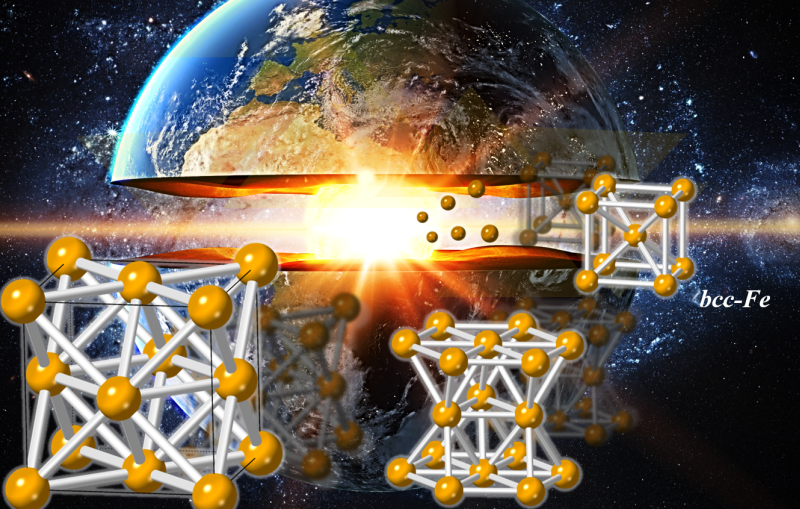
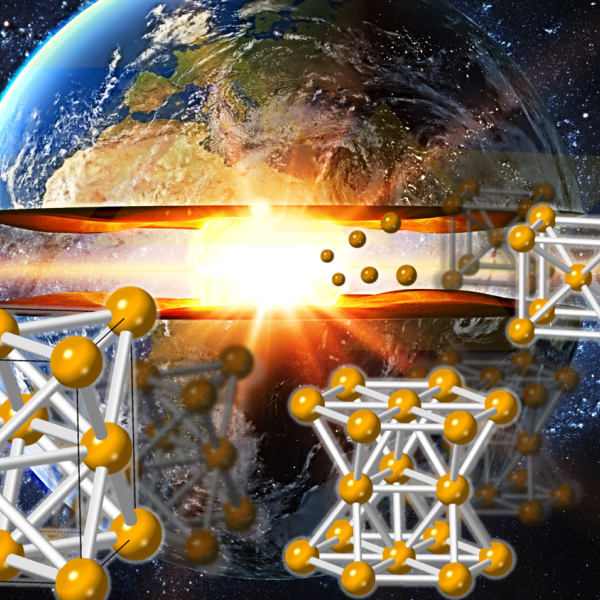
New research could offer insights into the formation of planets like Earth and inform the design of more resilient materials.

Iron impact header
Feature

It could offer insights into the evolution of planetary systems and guide scientists hoping to harness nuclear fusion as a new source of energy.

Scattered photons
Feature

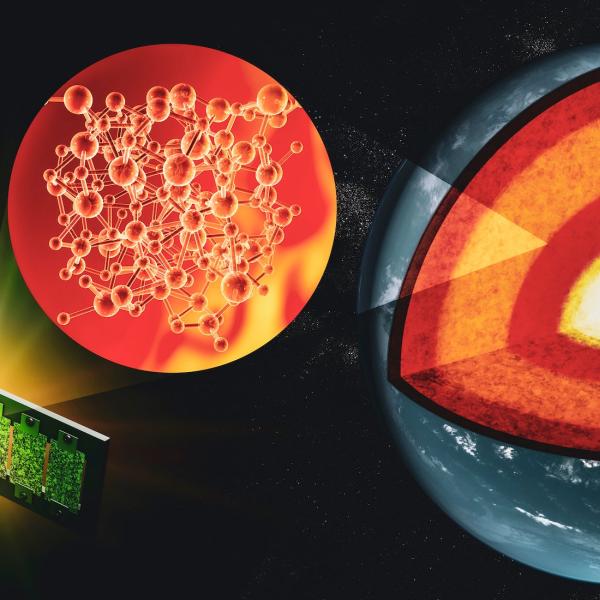
Learning how liquid silicates behave at these extreme temperatures and pressures has been a longstanding challenge in the geosciences.

atomic arrangements of liquid silicates at the extreme conditions found in the core-mantle boundary.
Feature

The advance opens a path toward a new generation of logic and memory devices that could be 10,000 times faster than today's.

Fanciful illustration based on electron orbitals
Feature

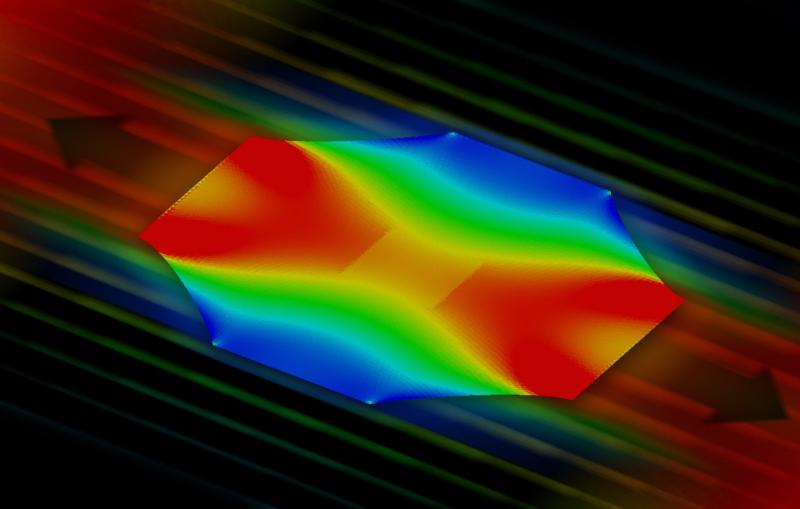
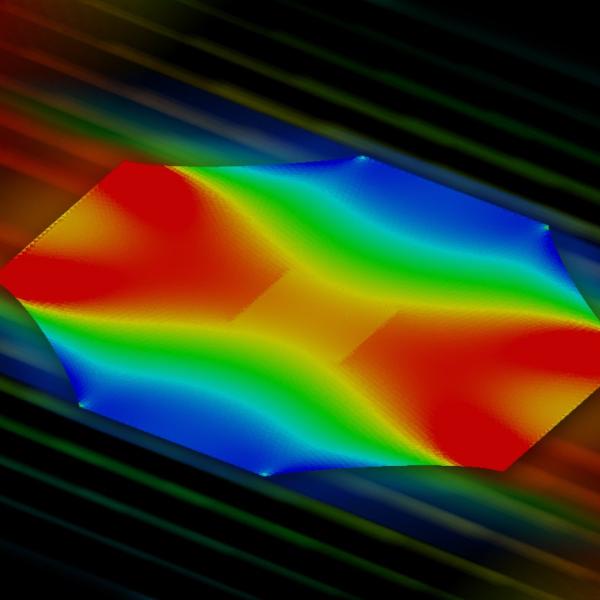
Turning a brittle oxide into a flexible membrane and stretching it on a tiny apparatus flipped it from a conducting to an insulating state...

Close up of strain pattern produced by stretching membrane
News Brief

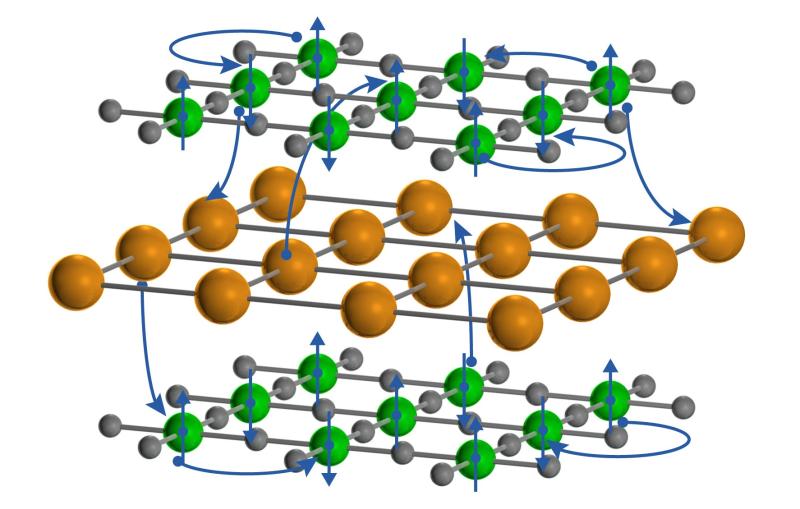
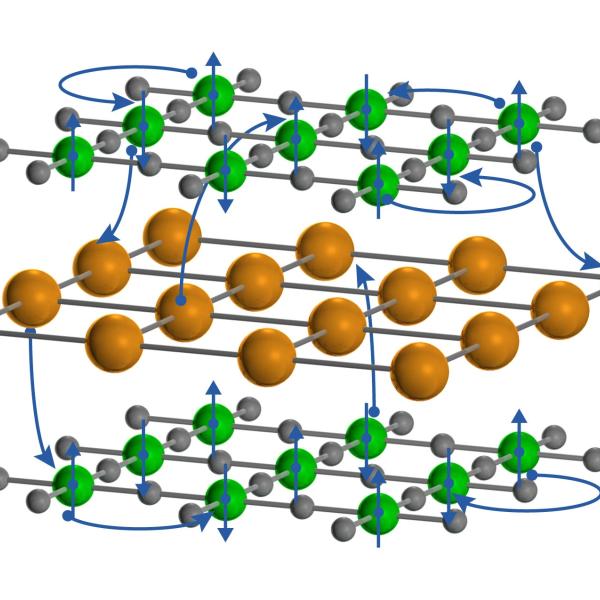
Discovered at SLAC and Stanford, this new class of unconventional superconductors is starting to give up its secrets – including a surprising 3D metallic...

Graphic showing electronic structure of nickelate superconductor
Feature

It reveals an abrupt transition in cuprates where particles give up their individuality. The results flip a popular theory on its head.

Illustration of abrupt transition in normal state of a cuprate
News Brief

Computer simulations yield a much more accurate picture of these states of matter.

Illustration of a Monte Carlo simulation
Feature

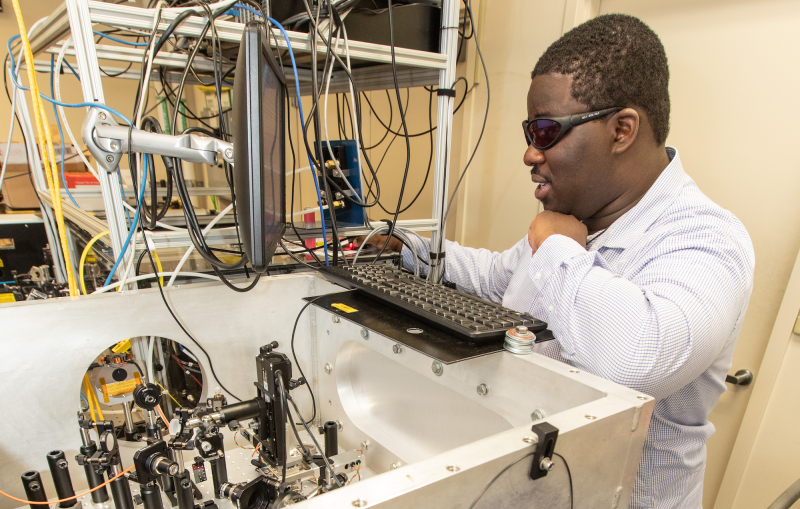
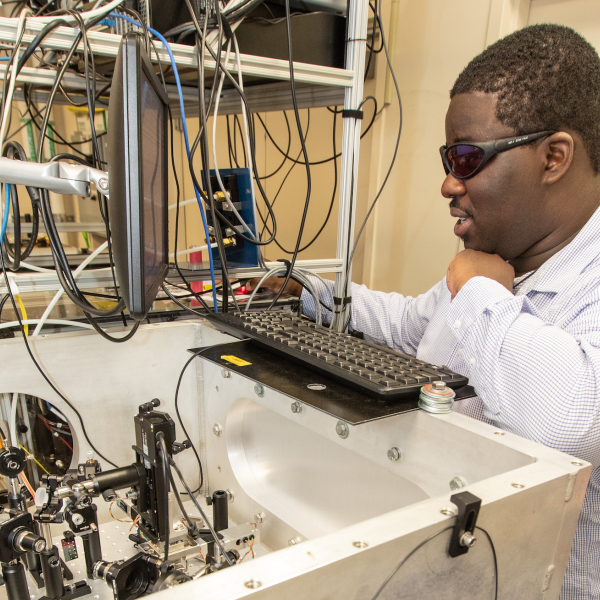
Chemist Ben Ofori-Okai investigates what happens to matter under extreme conditions at microscopic scales to better understand its behavior at massive scales, such as...

Ben Ofori-Okai