

SLAC topics

Biological sciences RSS feed

Tiny microbes and molecular machines have an outsized impact on human health, and they play key roles in the vast global cycles that shape climate and make carbon and nitrogen available to all living things. 

Related link:
Science of life

Browse tagged content
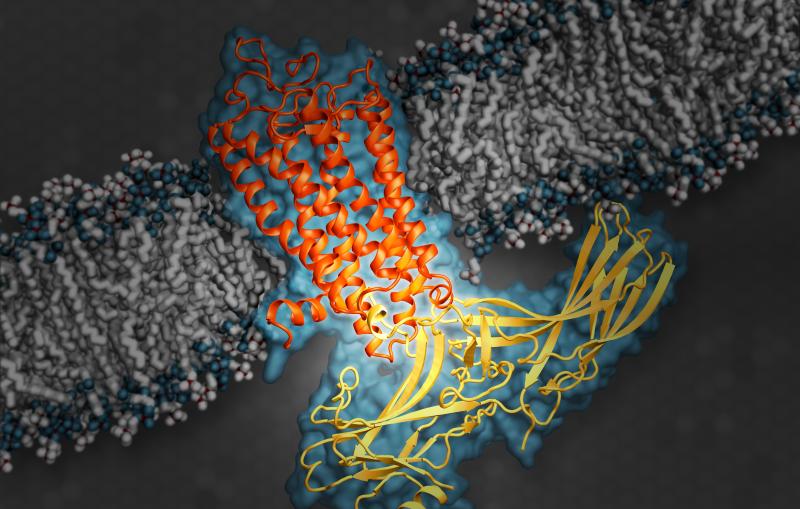
This illustration shows arrestin, an important type of signaling protein
News Brief

A new understanding of the nucleation process could shed light on how the shells help microbes interact with their environments, and help people design...

Illustration of tiles forming a microbial shell
News Brief

What they learned could lead to a better understanding of how antibiotics are broken down in the body, potentially leading to the development of...

News Brief

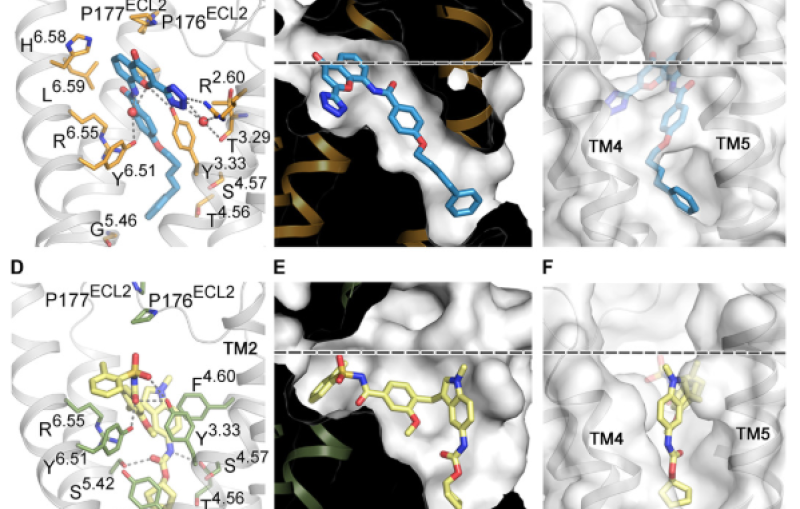
A new study uncovers how a critical protein binds to drugs used to treat asthma and other inflammatory diseases.

Anti-asthmatic drugs
Feature

A better understanding of ‘checkpoint proteins,’ which protect cancer cells against immune system strikes, could lead to the development of more effective drugs.

VISTA
Feature

Molecular movie-making is both an art and a science; the results let us watch how nature works on the smallest scales.

Molecular movie frames for the light-triggered transition of the ring-shaped 1,3-CHD molecule.
Feature

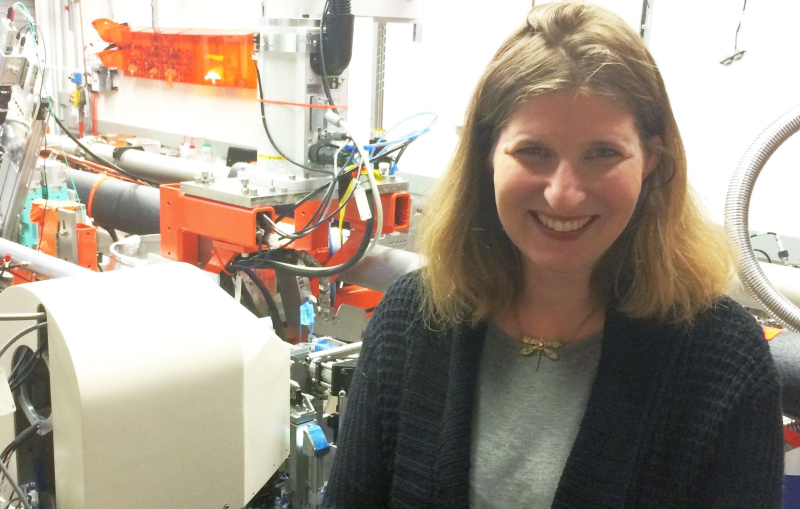
She is recognized for two decades of innovation and excellence at the Stanford Synchrotron Radiation Lightsource.

Aina Cohen
Feature

A new study shows how soccer ball-shaped molecules burst more slowly than expected when blasted with an X-ray laser beam.

Buckyballs
Feature

Using SLAC’s X-ray synchrotron SSRL, Wang improves fundamental knowledge about how cells communicate, which could enable the development of more effective drugs.

Xinru Wang
Feature

Combined with the lab’s LCLS X-ray laser, it’ll provide unprecedented atomic views of some of nature’s speediest processes.

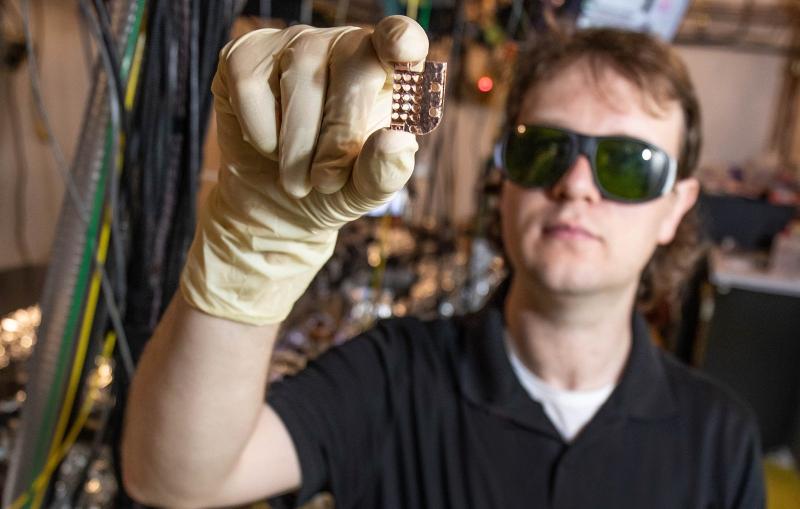
Alex Reid, ultrafast electron diffraction (UED)
Feature

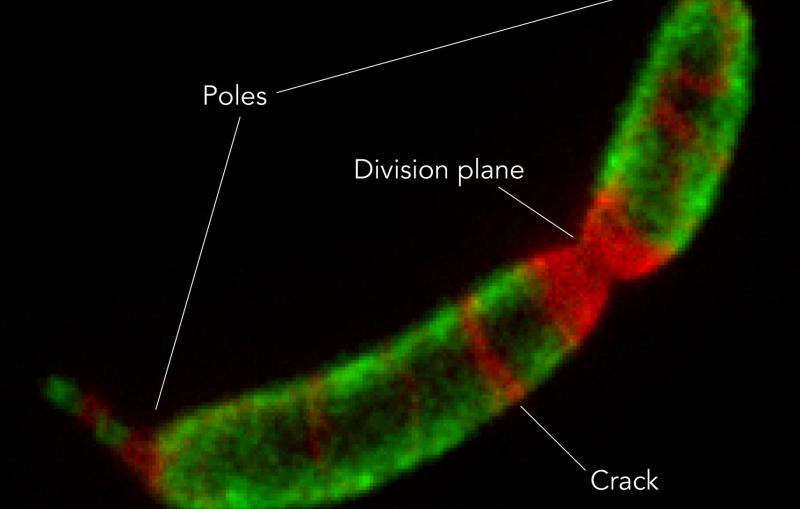
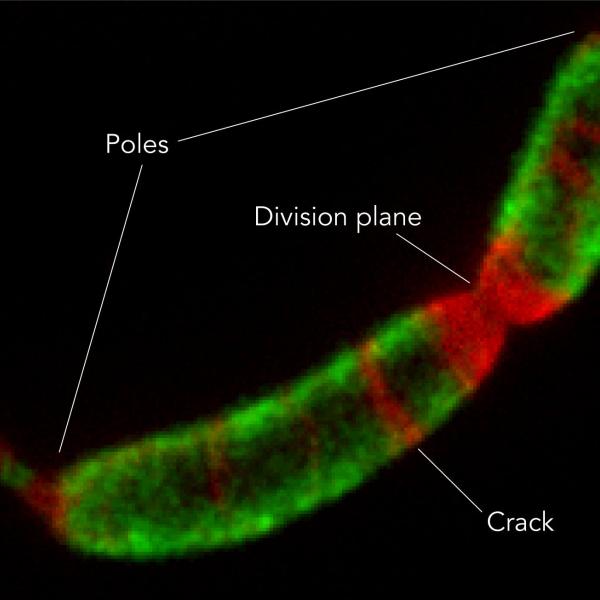
A close-up look at how microbes build their crystalline shells has implications for understanding how cell structures form, preventing disease and developing nanotechnology.

Image of microbe showing areas where its crystalline shell is growing
News Release

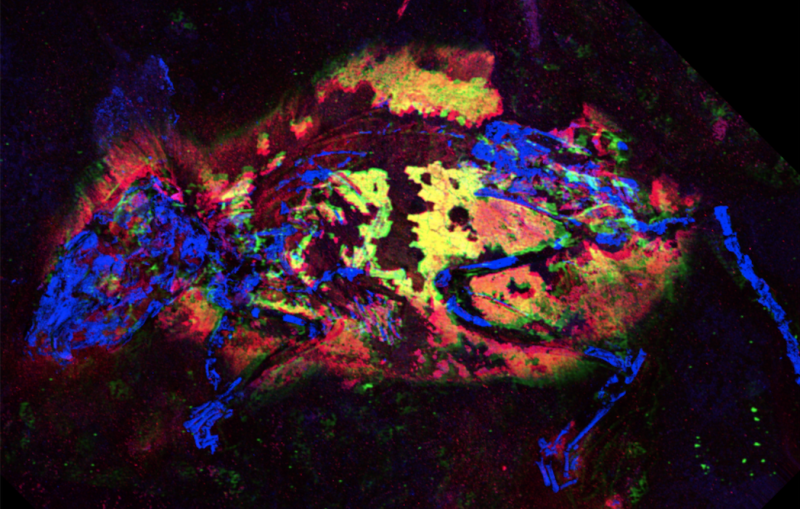
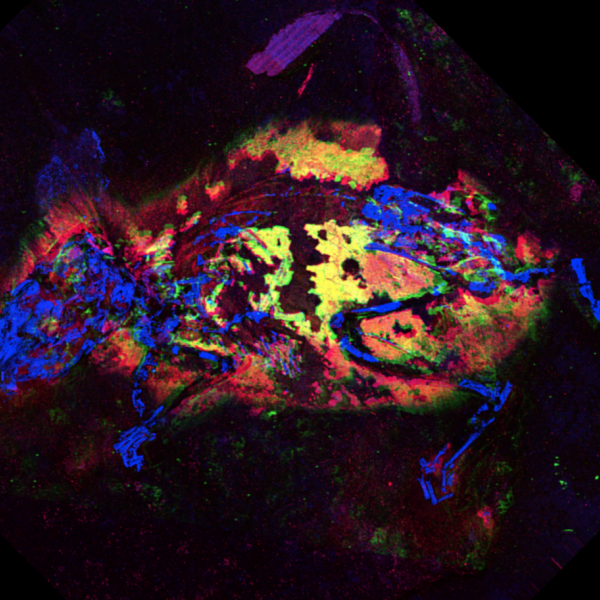
X-rays reveal an extinct mouse was dressed in brown to reddish fur on its back and sides and had a tiny white tummy.

mighty mouse false color
Feature

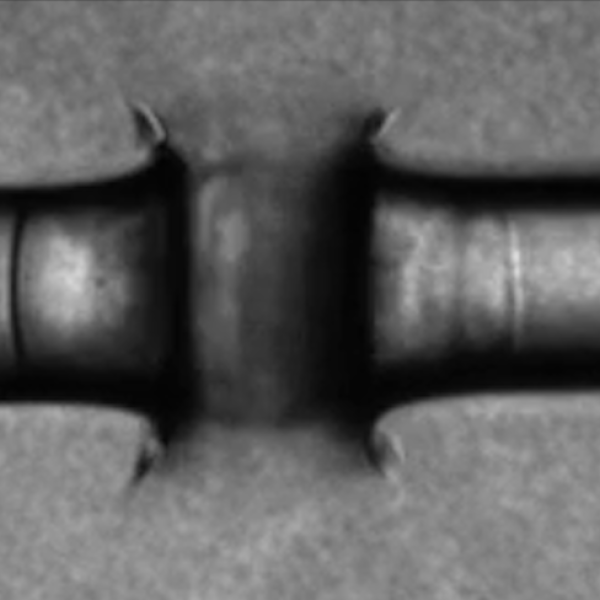
Researchers produced an underwater sound with an intensity that eclipses that of a rocket launch while investigating what happens when they blast tiny jets...

Underwater sound