
SLAC topics

Batteries RSS feed

Batteries and similar devices accept, store, and release electricity on demand. Scientists are using new tools to better understand the electrical and chemical processes in batteries to produce a new generation of highly efficient, electrical energy storage. 

Related links:   
Energy & sustainability news collection 
Energy sciences 
DOE explains...batteries

Browse tagged content

Illustration from SLAC Public Lecture series titled Improving batteries from the atoms up.

The new SLAC-Stanford Battery Center creates a generational opportunity enabling translational research in electrochemical science and technology bridging across fundamental science to deployment.
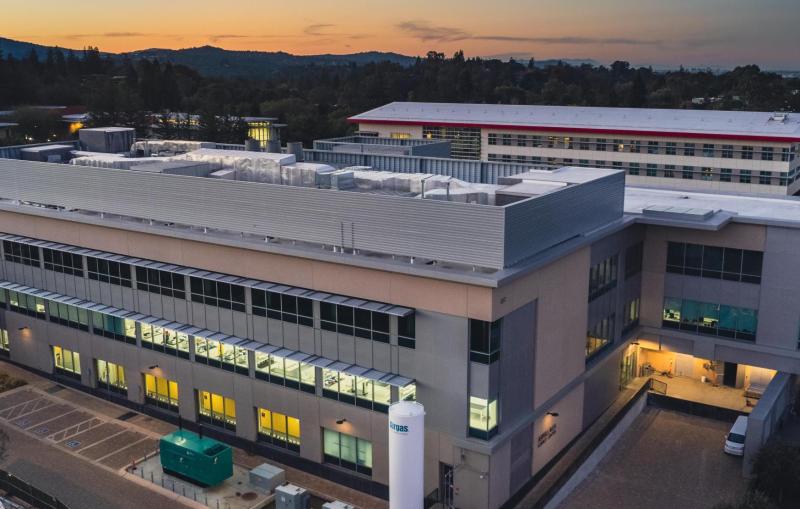

Arrillaga Science Center
News Brief

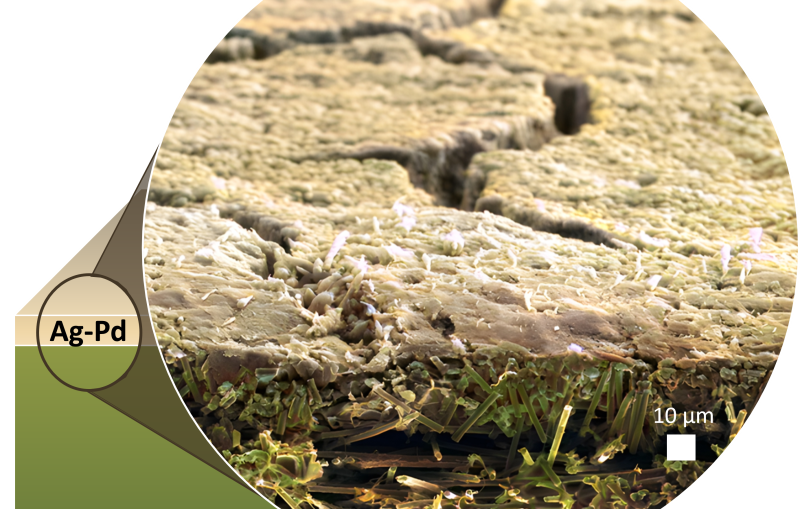
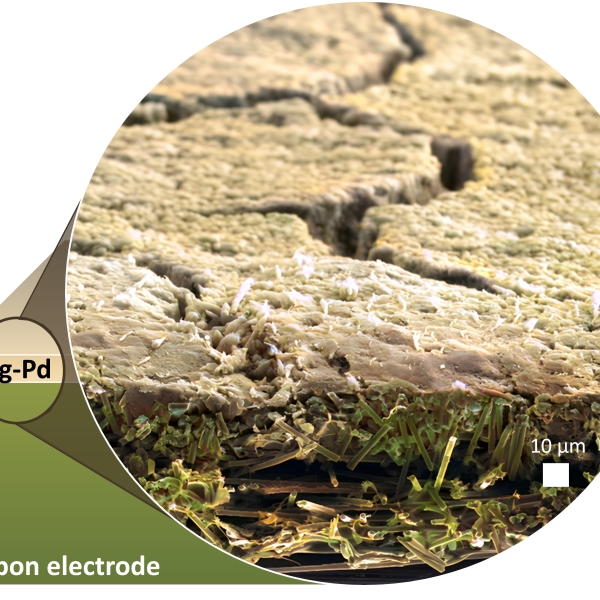
The team reduced the amount of expensive platinum group metals needed to make an effective cell and found a new way to test future...

An illustration of a thin film resembling dry, cracked earth.
News Release

With up to a million X-ray flashes per second, 8,000 times more than its predecessor, it transforms the ability of scientists to explore atomic-scale...

LCLS-II first light
Feature

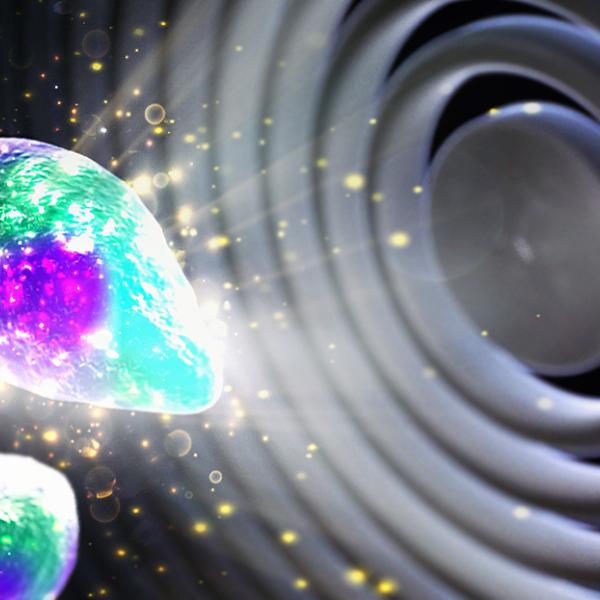
Analyzing X-ray movies with computer vision reveals how nanoparticles in a lithium-ion battery electrode work.

Illustration of battery electrode nanoparticles being imaged by X-rays
Feature

Leora Dresselhaus-Marais, Claudio Emma,  Bernhard Mistlberger and Johanna Nelson Weker will pursue cutting-edge research into decarbonizing steel production, theoretical physics, generating more intense particle...

This photo shows all four recipients from SLAC and Stanford of the DOE's 2023 Early Career Award
Feature

Batteries come in many shapes and sizes, but their materials can be hard to source. SLAC researchers are trying to build them with more...

This is a graphic representation of a battery and the things that batteries can power
News Release

New SLAC-Stanford Battery Center bridges the gaps between discovering, manufacturing and deploying innovative energy storage solutions. 

Illustration showing a battery researcher at left, a battery at center and a grid of battery applications at right.
Illustration

The new SLAC-Stanford Battery Center aims to bridge the gaps between discovering, manufacturing and deploying innovative energy storage solutions. 

Illustration showing a battery researcher at left, a battery at center and a grid of battery applications at right.
news collection

Two of the most urgent challenges of our time – clean energy and sustainability – require investigation at the atomic level.

Aerial image of workers installing solar panels on a home.
Feature

A polymer-based electrolyte makes for batteries that keep working – and don’t catch fire – when heated to over 140 degrees F. 

A white disc of battery material catches fire.
Illustration

Studies of atomic-level processes that drain battery life and efficiency help improve battery performance. 

Studies of atomic-level processes that drain battery life and efficiency help improve battery performance.
Past Event

Presented by Yi Cui, SLAC/Stanford University. To transform our energy sources to carbon neutrality, we need to power as much of modern society as...

public lecture art charging ahead: batteries of the future