
SLAC topics

Batteries RSS feed

Batteries and similar devices accept, store, and release electricity on demand. Scientists are using new tools to better understand the electrical and chemical processes in batteries to produce a new generation of highly efficient, electrical energy storage. 

Related links:   
Energy & sustainability news collection 
Energy sciences 
DOE explains...batteries

Browse tagged content

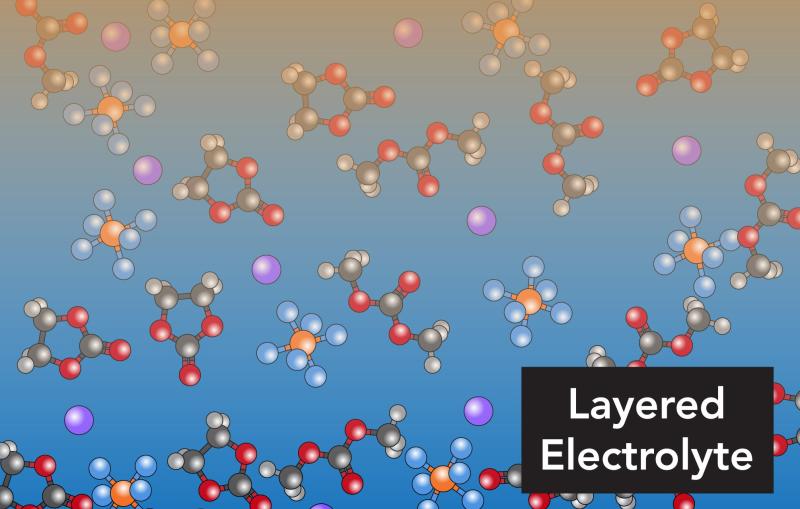
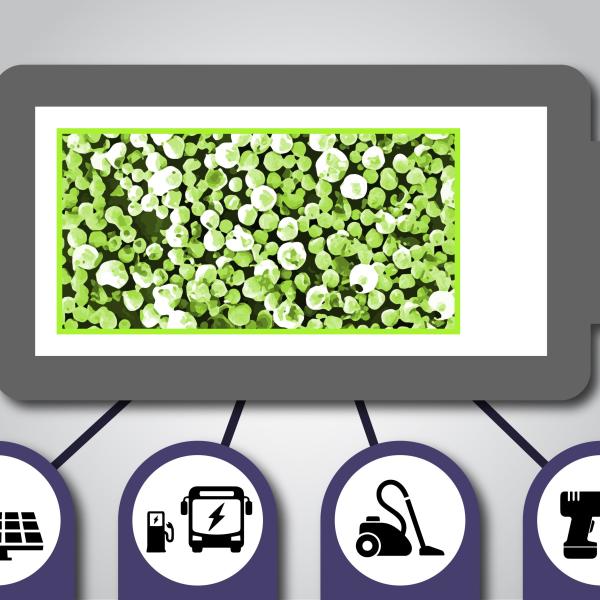
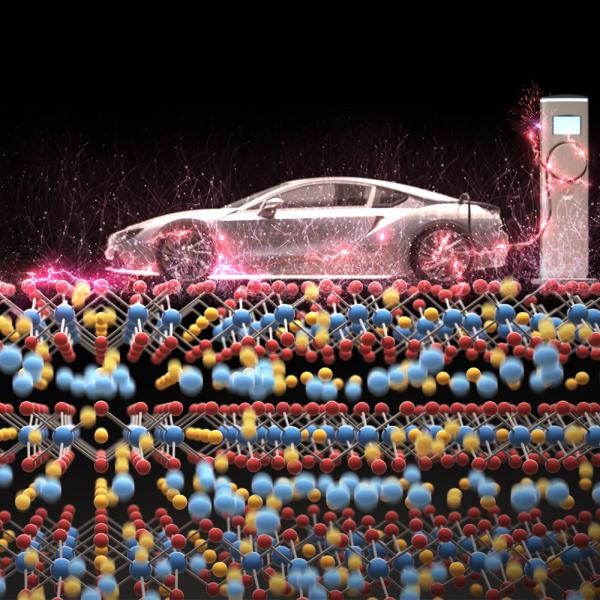
Illustration from SLAC Public Lecture series titled Improving batteries from the atoms up.
News Release

They created a comprehensive picture of how the same chemical processes that give these cathodes their high capacity are also linked to changes in...

Electrode structure for lithium ion battery.
News Release

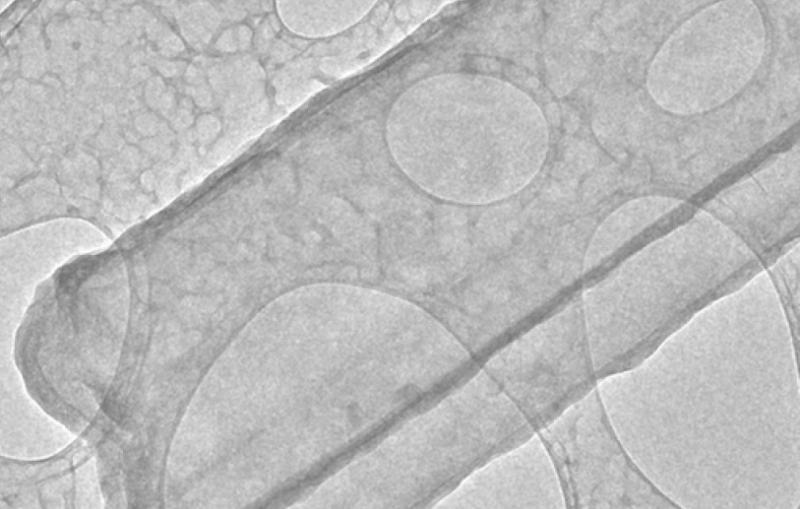
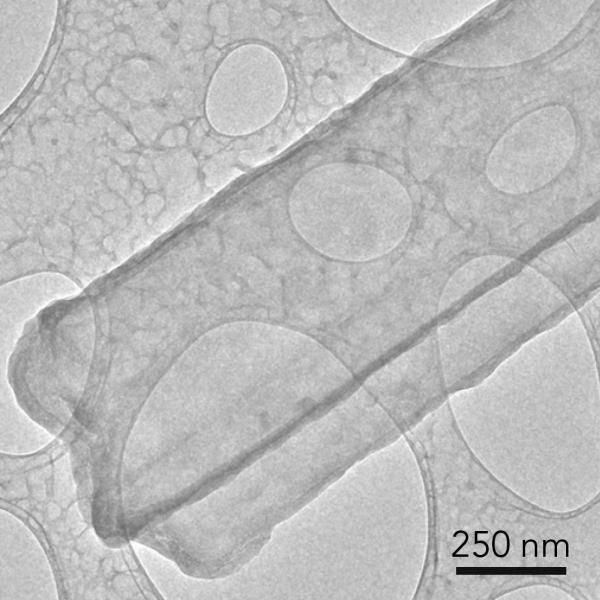
Remarkable cryo-EM images that reveal details down to the individual atom will yield new insights into why high-energy batteries fail.

A lithium metal dendrite, taken with cryogenic electron microscopy or cryo-EM
Feature

The award recognizes the Stanford/SLAC professor’s pioneering work in the fields of energy and nanomaterials science.

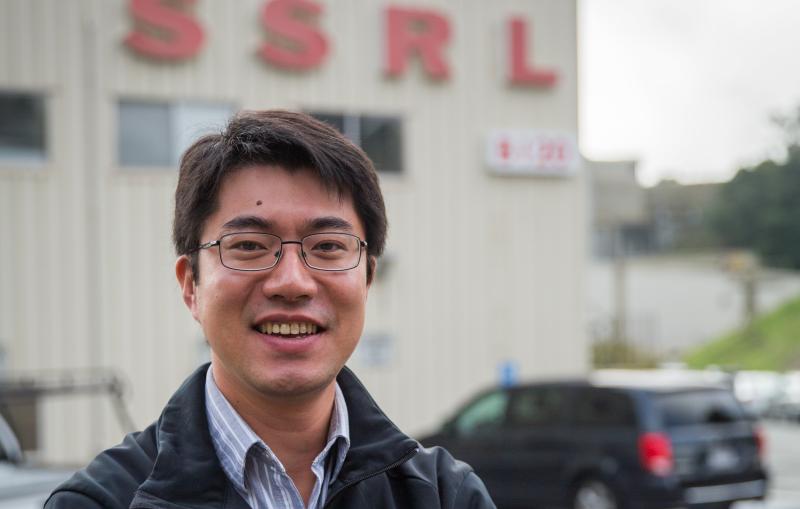
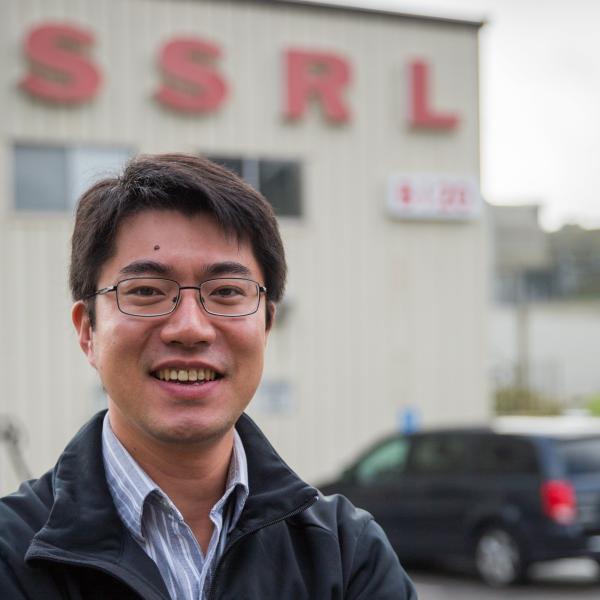
Photo - Yi Cui SLAC/Stanford professor
Feature

Liu acknowledged for wide-ranging work in energy materials, catalysis, carbon sequestration, material in extreme conditions and scientific big data mining.

News Release

An interdisciplinary team has developed a way to track how particles charge and discharge at the nanoscale, an advance that will lead to better...

Feature

The White House announced $50 million in funding for ‘Battery500’, a five year effort, as part of a package of initiatives to accelerate adoption...

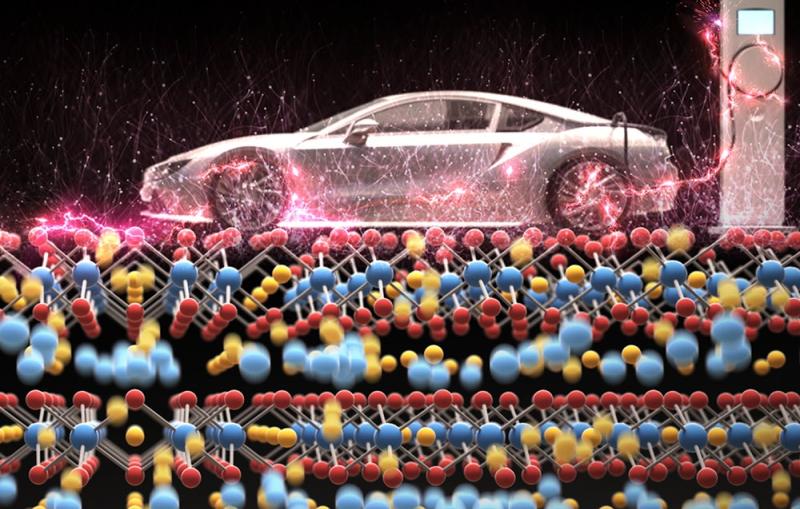
An electric vehicle at a charging station
Feature

Yi Cui and colleagues have developed new ways to improve hydrogen production and rechargeable zinc batteries.

Feature

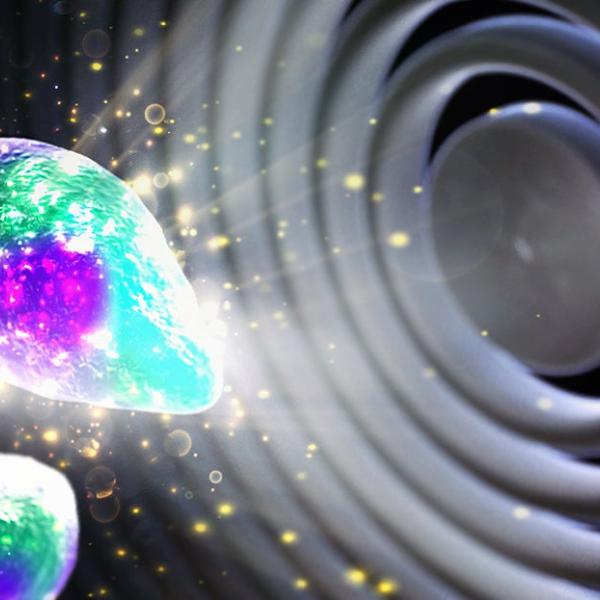
Many technologies rely upon nanomaterials that can absorb or release atoms quickly and repeatedly. New work provides a first look inside these phase-changing nanoparticles.

Video

Public lecture presented by Yi Cui

stillframe reinvinventing batteries
Video
News Release

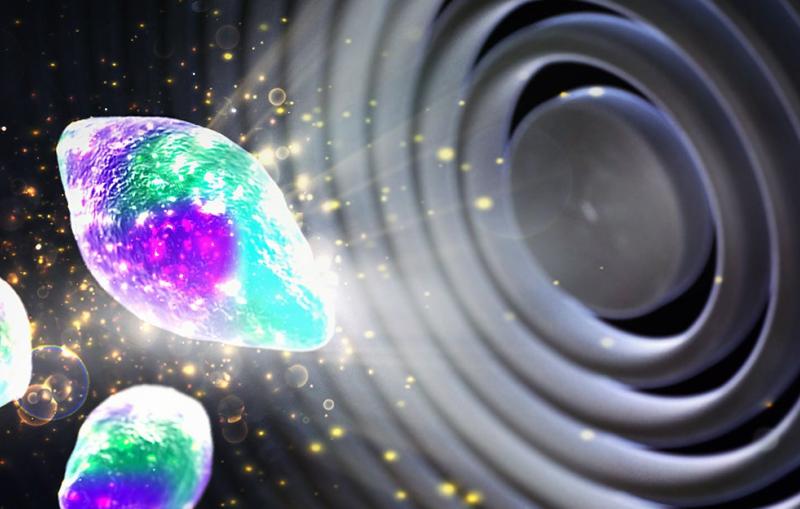
Wrapping silicon anode particles in custom-fit graphene cages could solve two major obstacles to using silicon in high-capacity lithium ion batteries.

Illustration of silicon particles with and without graphene cages
News Release

Menlo Park, Calif.

Feature

Stanford researchers have developed the first lithium-ion battery that shuts down before overheating, then restarts immediately when the temperature cools. The research was supported...