SLAC’s astrophysicists and cosmologists pursue top-priority research on topics including dark matter and dark energy, the formation of galaxies and cosmic evolution.
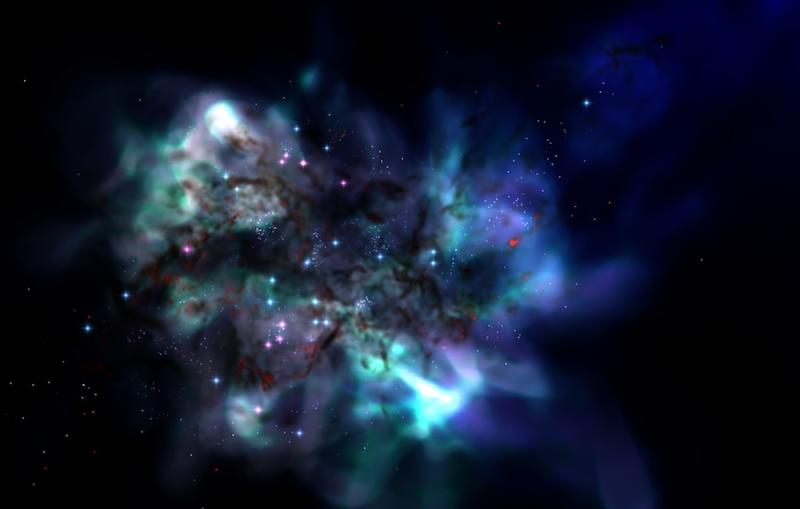
Dwarf Galaxy 3.
(Visualization by Ralf Kaehler and Tom Abel. Simulation by John Wise, Tom Abel/The Kavli Foundation/SLAC National Accelerator Laboratory/Stanford University)
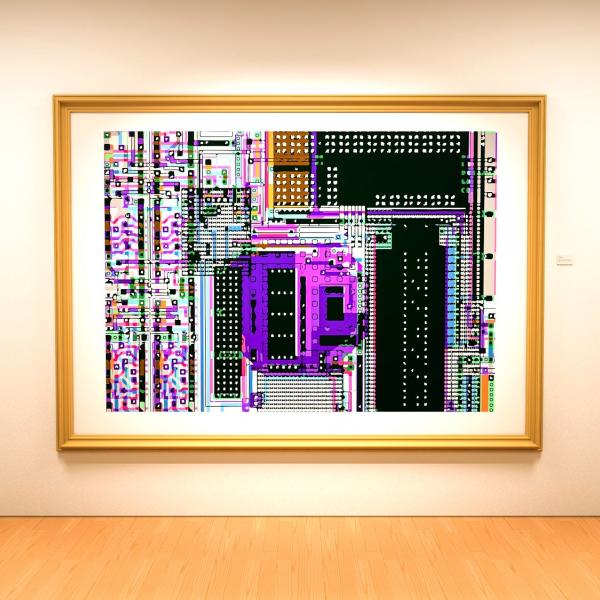
A team of electrical designers develops specialized microchips for a broad range of scientific applications, including X-ray science and particle physics.
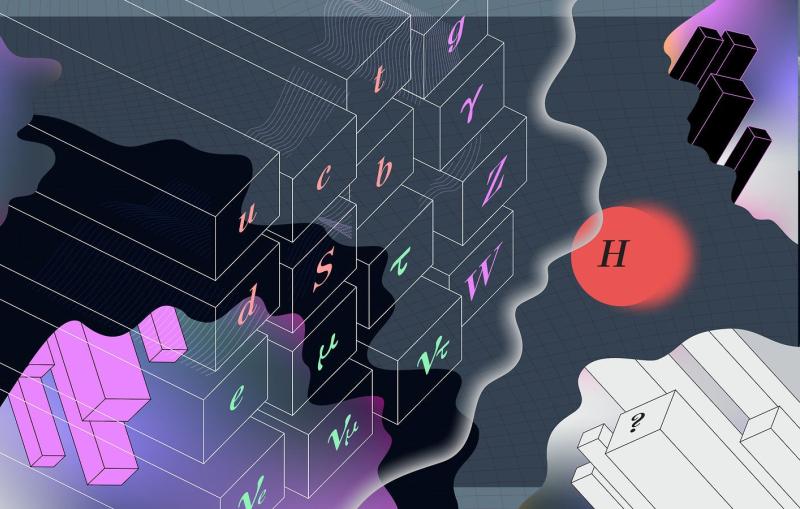
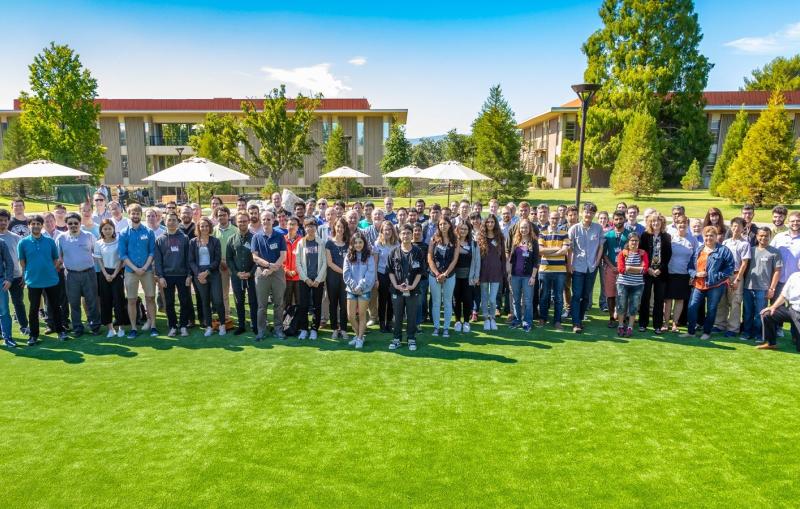
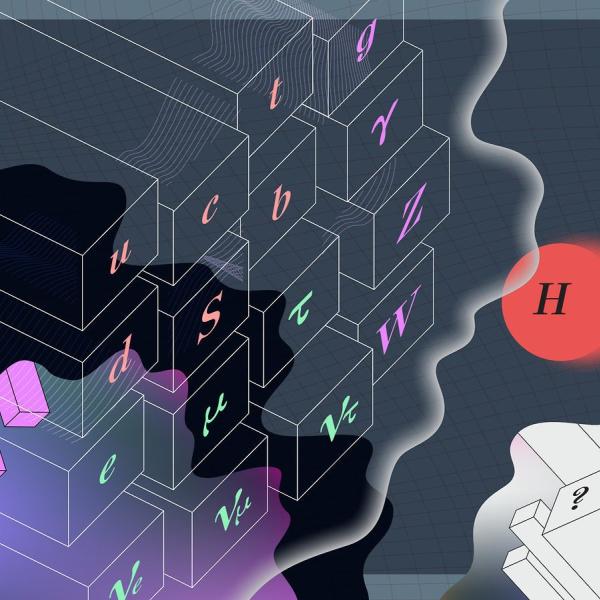
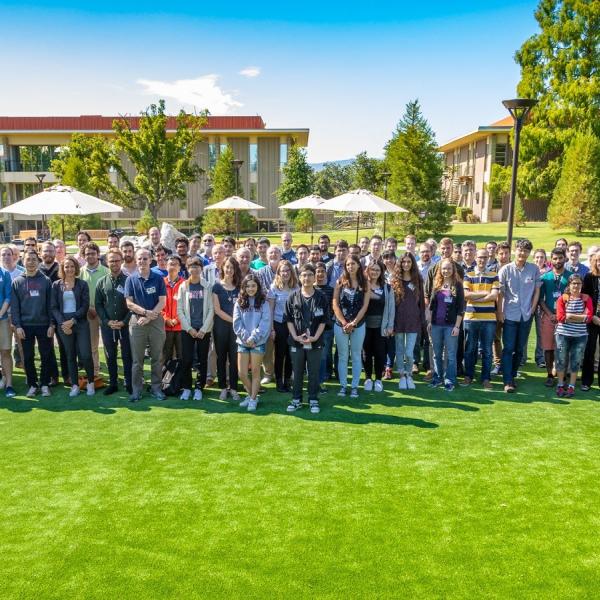
The event attracted 124 participants and explores the successes and challenges of the theory that describes subatomic particles and fundamental forces.
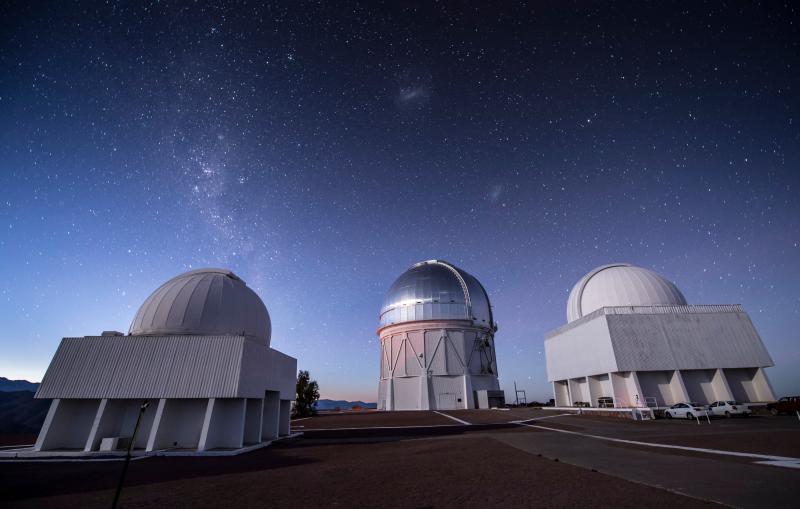
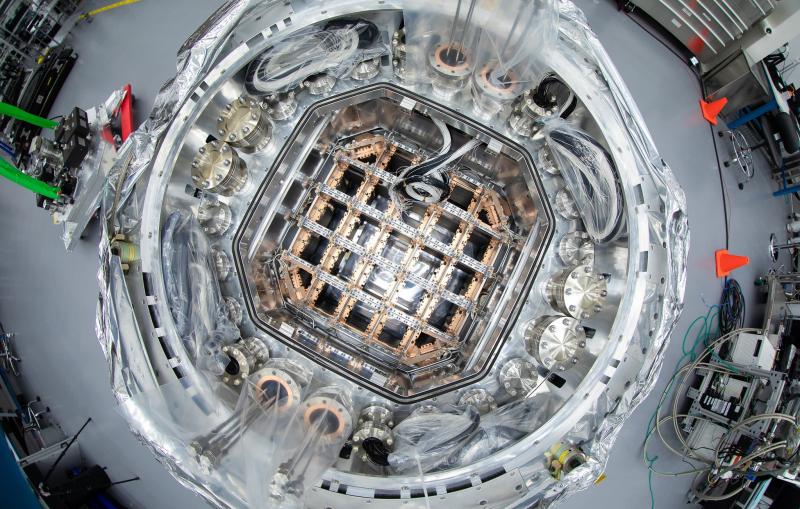
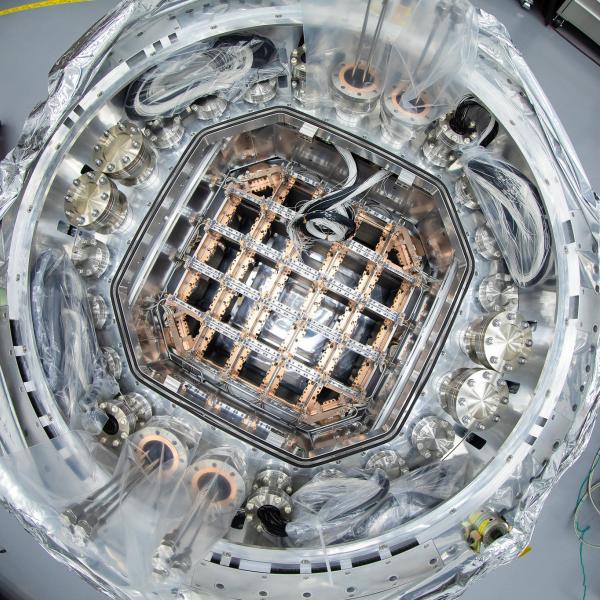
The LSST cryostat, now fully assembled, will keep the camera’s image sensors continuously cooled to minus 150 degrees Fahrenheit for crisp, high-sensitivity views of...
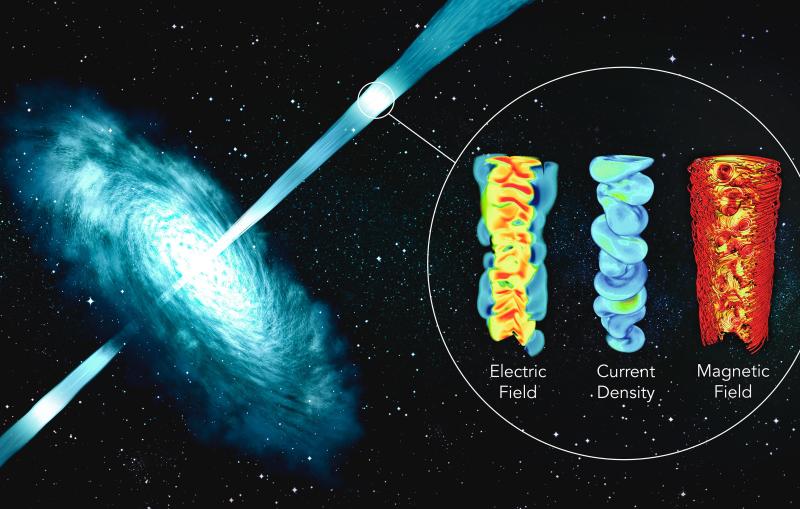
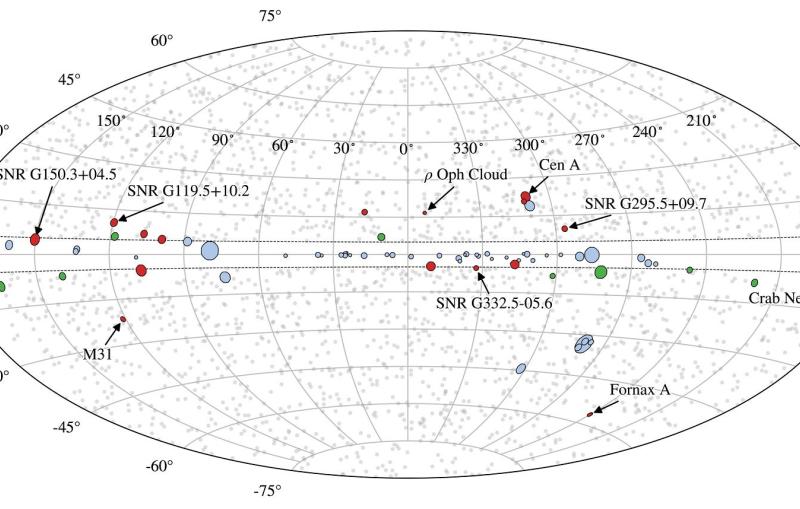
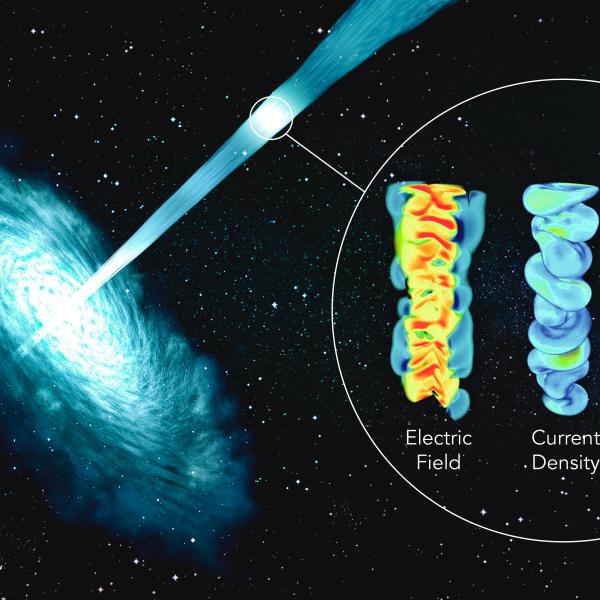
SLAC scientists find a new way to explain how a black hole’s plasma jets boost particles to the highest energies observed in the universe. The results could also prove useful for fusion and accelerator research on Earth.
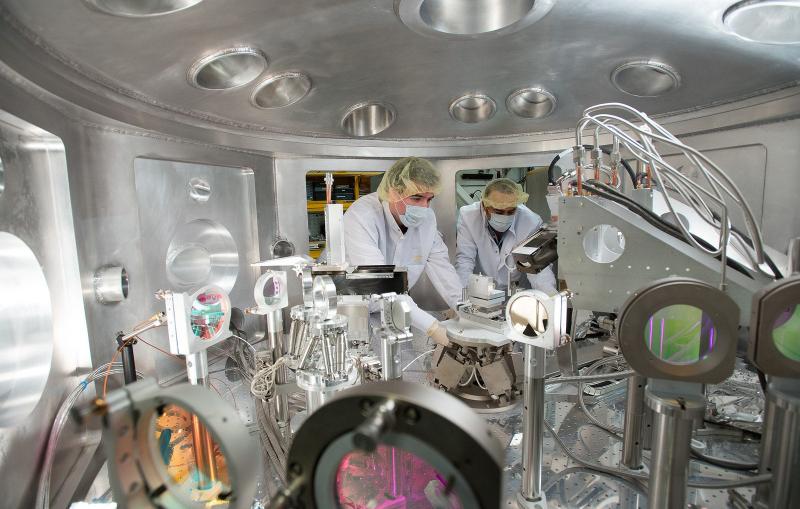
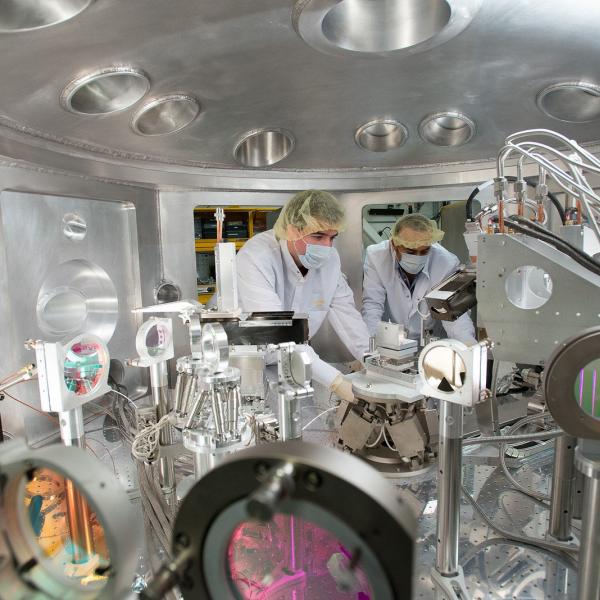
In a first, researchers measure extremely small and fast changes that occur in plasma when it’s zapped with a laser. Their technique will have applications in astrophysics, medicine and fusion energy.
A team of electrical designers develops specialized microchips for a broad range of scientific applications, including X-ray science and particle physics.
The event attracted 124 participants and explores the successes and challenges of the theory that describes subatomic particles and fundamental forces.
The LSST cryostat, now fully assembled, will keep the camera’s image sensors continuously cooled to minus 150 degrees Fahrenheit for crisp, high-sensitivity views of the night skies.