SLAC topics

Astrophysics and cosmology RSS feed

SLAC’s astrophysicists and cosmologists pursue top-priority research on topics including dark matter and dark energy, the formation of galaxies and cosmic evolution. 

Related link:
Astrophysics and cosmology

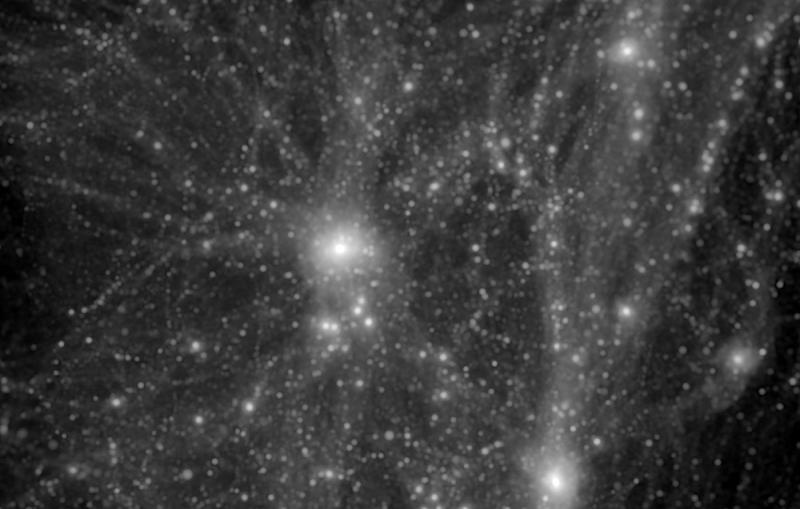
Dwarf Galaxy 3.
Feature

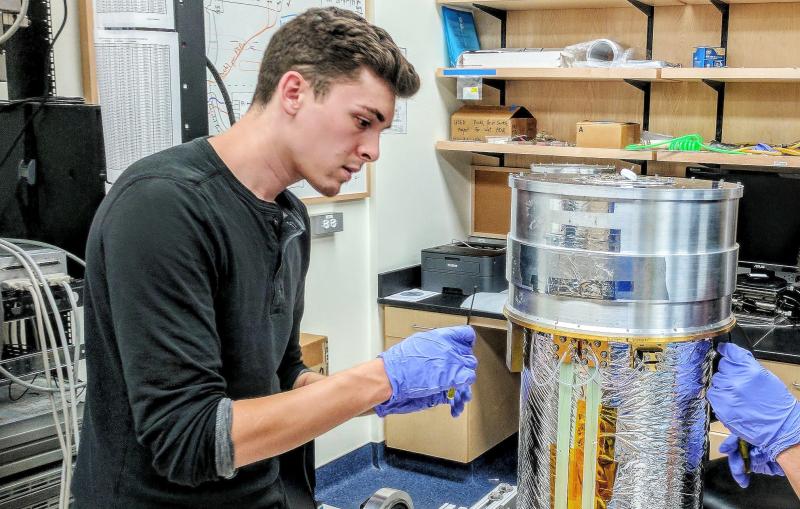
Four large meshes made from 2 miles of metal wire will extract potential signals of dark matter particles.

LZ Grids Weaving
Feature

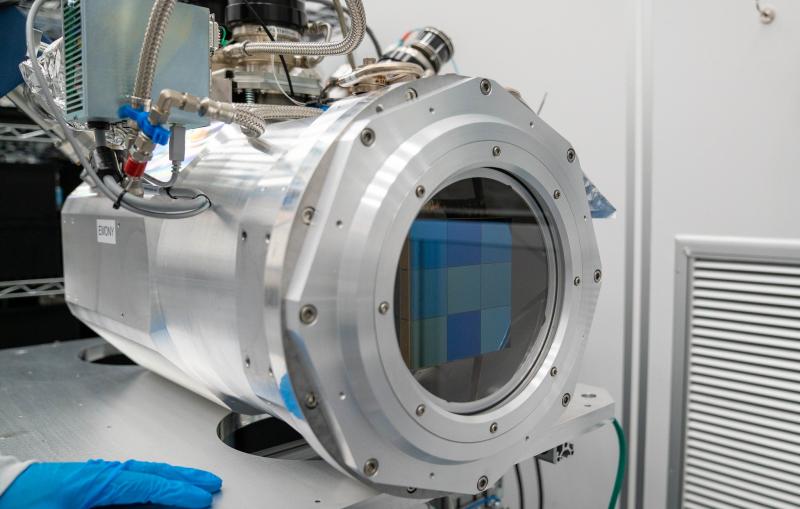
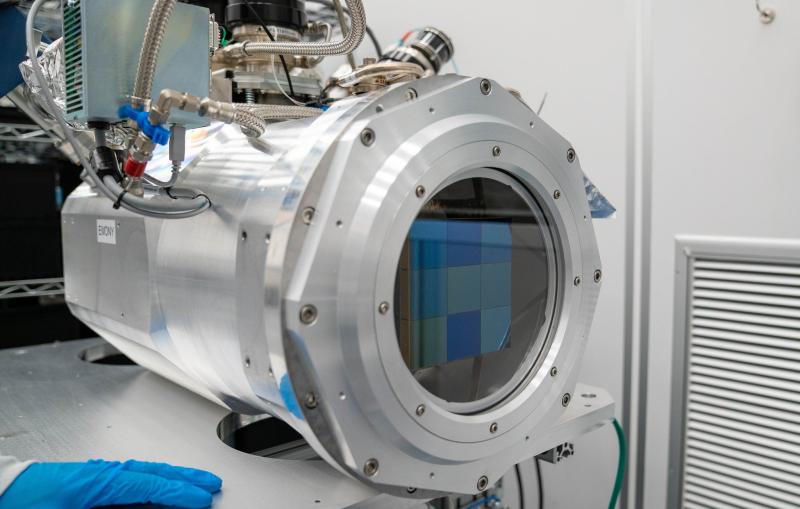
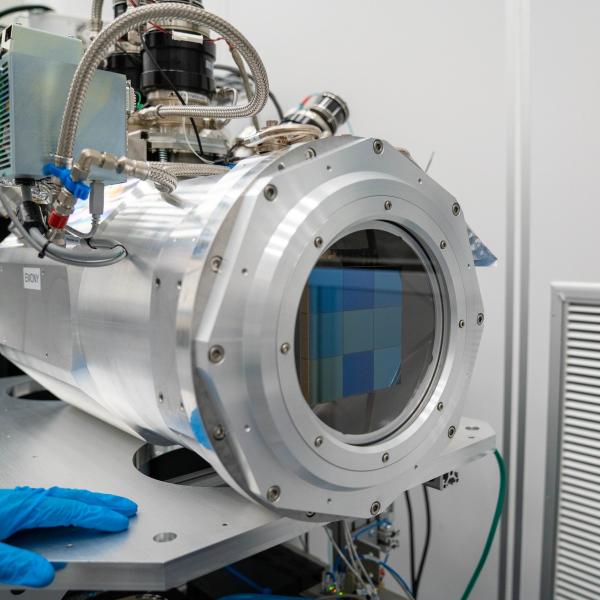
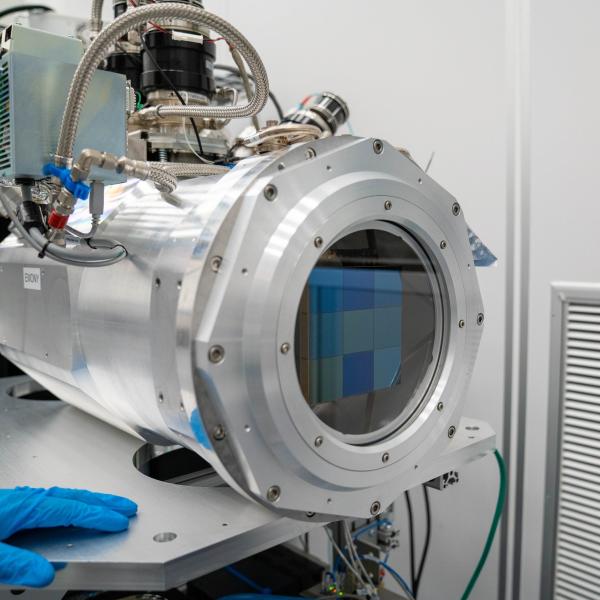
SLAC completed its work on ComCam, a commissioning device to be installed in Chile later this year.

LSST-ComCam
Feature

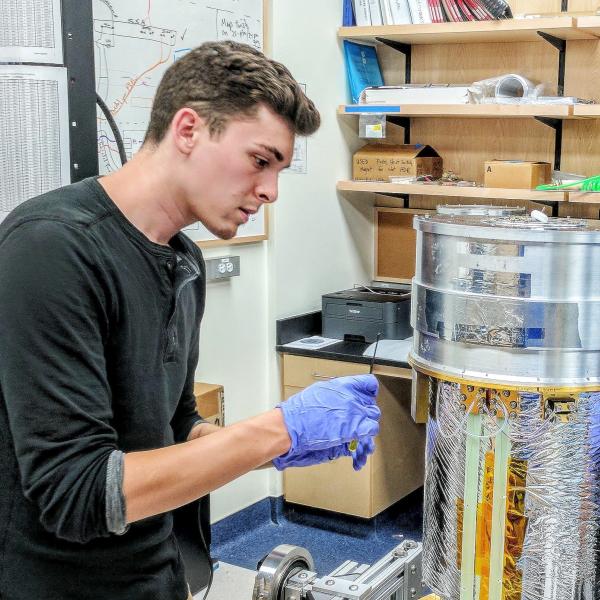
Building the Large Synoptic Survey Telescope also means solving extraordinary technological challenges.

LSST camera engineering
Past Event

A visit to SLAC in October 2018 inspired Nitin Sawhney to create an original audio composition for two short visualization movies on the origins...

Portrait Nitin Sawhney
Video

An Exploration of Art & Physics

Video
Feature

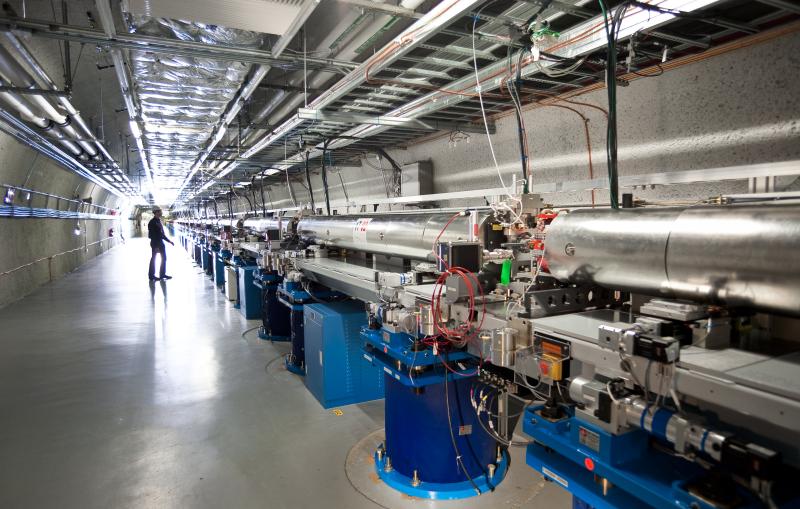
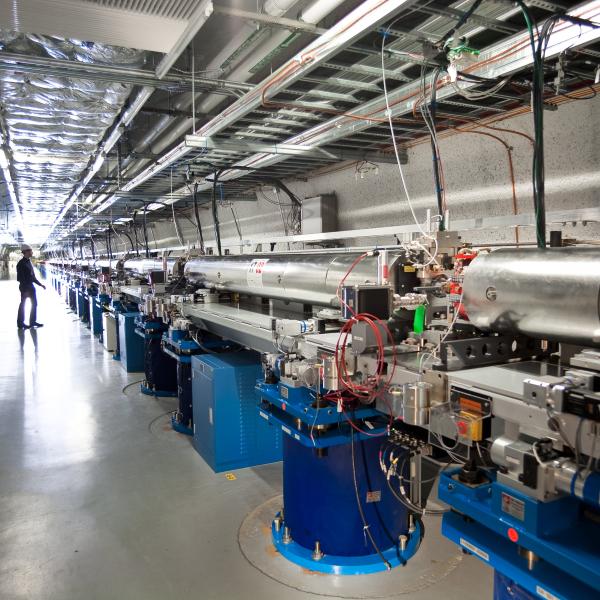
In the decade since LCLS produced its first light, it has pushed boundaries in countless areas of discovery.

Undulator Hall
Feature

The LSST camera integration and testing team inserted a raft of nine imaging sensors into the body of the ComCam. This miniature version of...

Feature

SLAC Director Chi-Chang Kao spoke to the Stanford University Faculty Senate at its Feb. 21 meeting.

Chi-Chang Kao at Stanford Faculty Senate meeting
Feature
VIA Symmetry Magazine

An astronomical data challenge

The Large Synoptic Survey Telescope will track billions of objects for 10 years, creating unprecedented opportunities for studies of cosmic mysteries.

LSST data management.
Feature

Scientists, including researchers at SLAC, have only just begun to study the remarkably detailed map they created of a portion of the sky.

DES End of Observations
News Release

SLAC scientists find a new way to explain how a black hole’s plasma jets boost particles to the highest energies observed in the universe...

Cosmic particle accelerators
Feature
VIA Symmetry Magazine

Gravitational lenses

Predicted by Einstein and discovered in 1979, gravitational lensing helps astrophysicists understand the evolving shape of the universe.