
SLAC topics

Advanced accelerator R and D RSS feed

New technologies, such as "plasma wakefield" accelerators, can boost electrons to very high energies in very short distances. This could lead to linear accelerators that are 100 times more powerful, boosting electrons to a given energy in one hundredth the distance. 

Related link: Advanced accelerators
Browse tagged content below

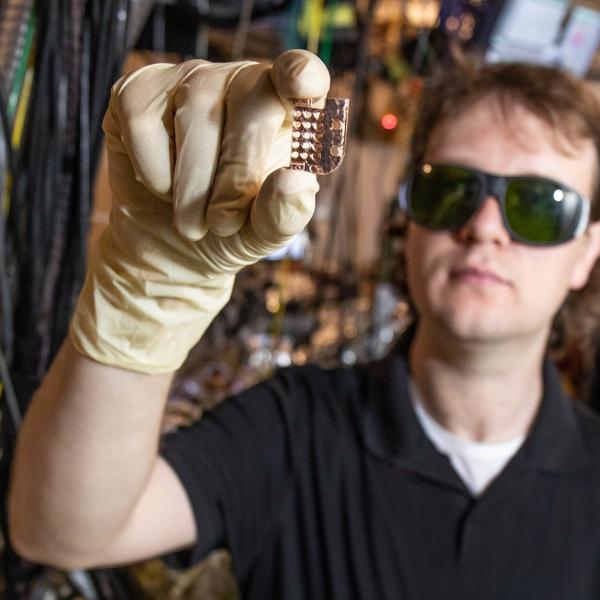
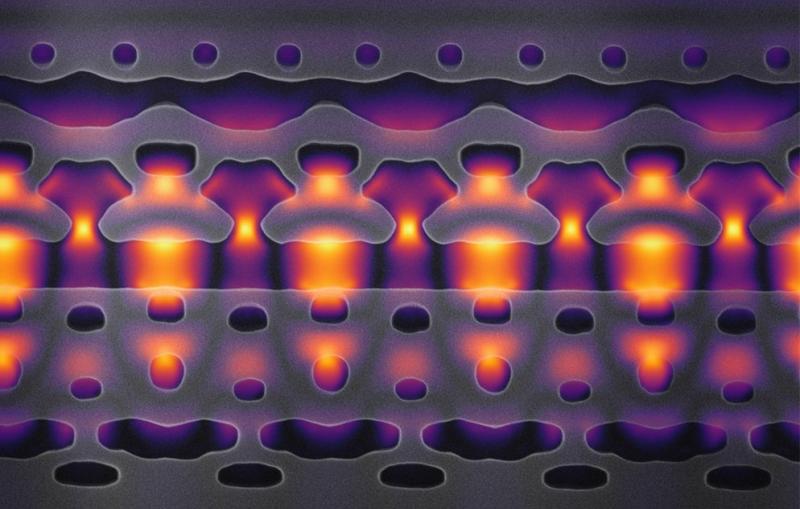
This image, magnified 25,000 times, shows a section of an accelerator-on-a-chip.
Feature

Combined with the lab’s LCLS X-ray laser, it’ll provide unprecedented atomic views of some of nature’s speediest processes.

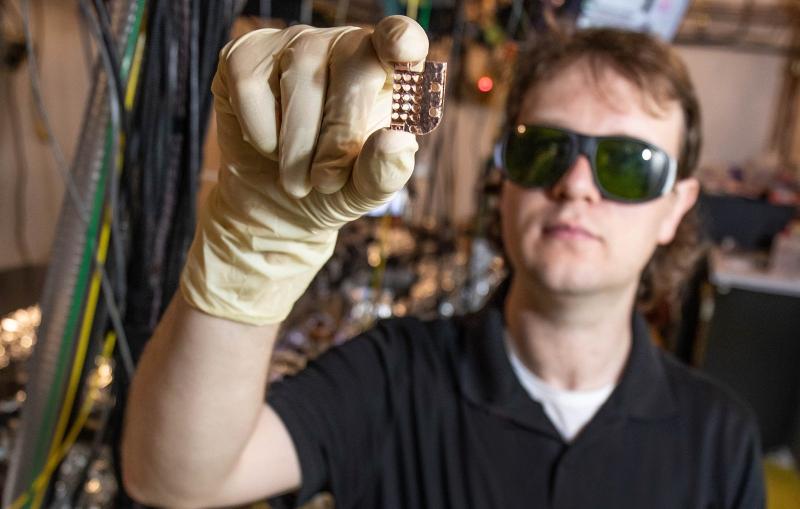
Alex Reid, ultrafast electron diffraction (UED)
Feature

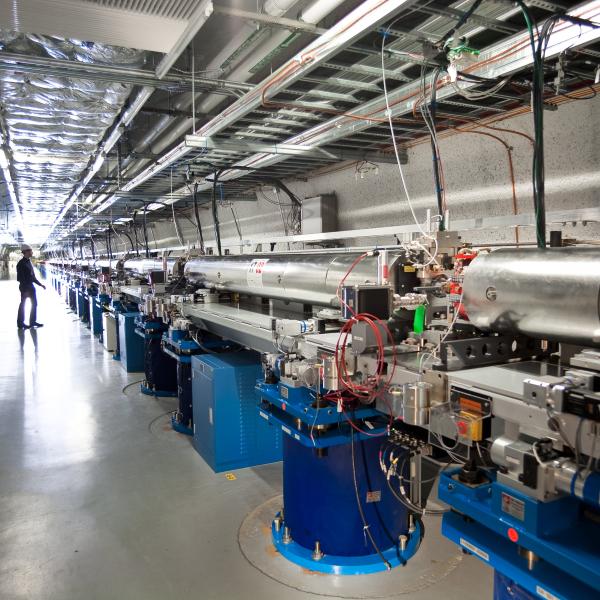
Particle accelerators are some of the most complicated machines in science.

Feature

Its electron beams will drive the generation of up to a million ultrabright X-ray flashes per second.

LCLS-II first electron beam
Feature

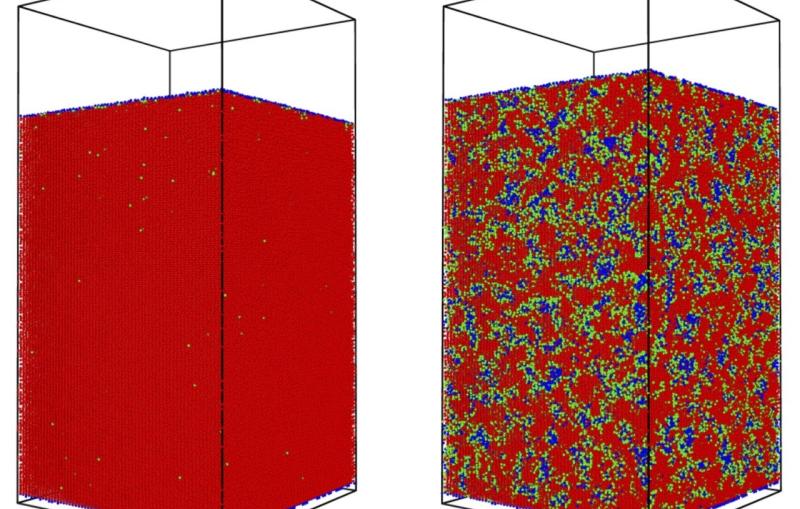
SLAC’s ‘electron camera’ films rapidly melting tungsten and reveals atomic-level material behavior that could impact the design of future reactors.

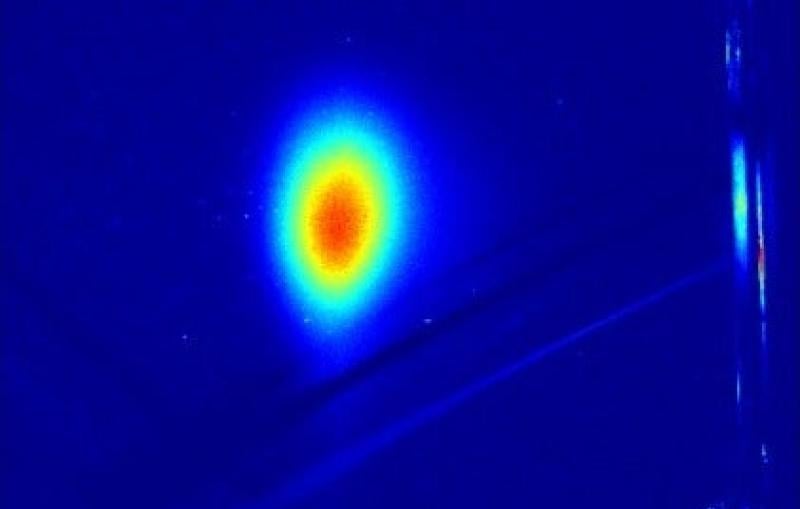
Tungsten melting
Feature

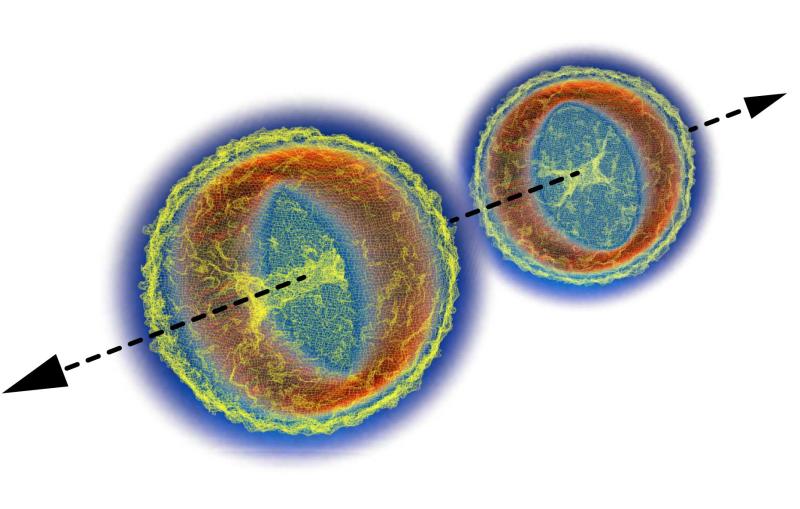
The approach could advance our understanding of fundamental forces under extreme conditions with applications from astrophysics to fusion research.

QED extreme
News Release

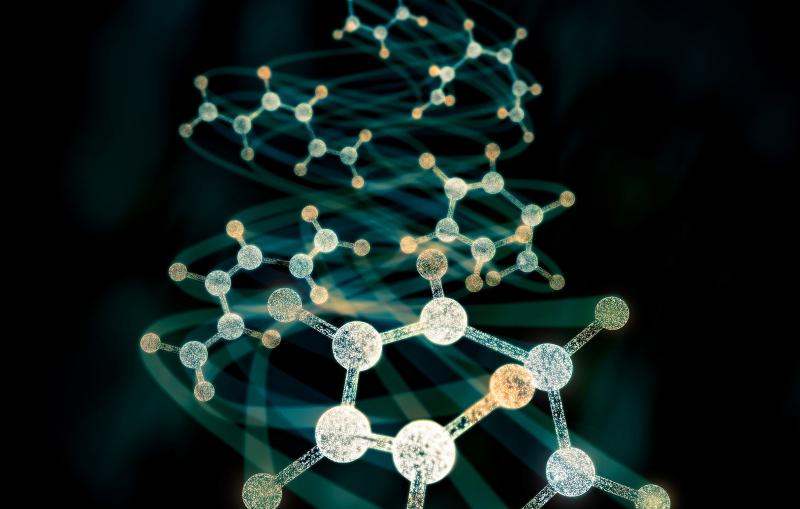
First direct look at how atoms move when a ring-shaped molecule breaks apart could boost our understanding of fundamental processes of life.

Molecular Movie in HD Art
Feature

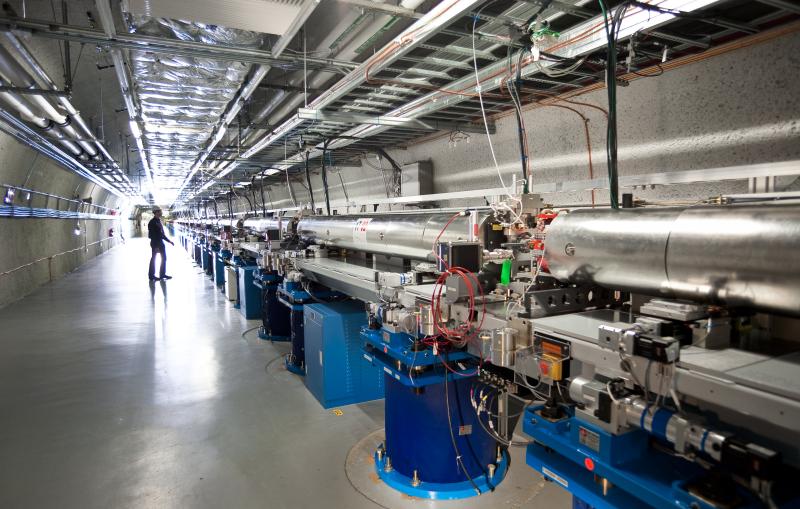
In the decade since LCLS produced its first light, it has pushed boundaries in countless areas of discovery.

Undulator Hall
Feature

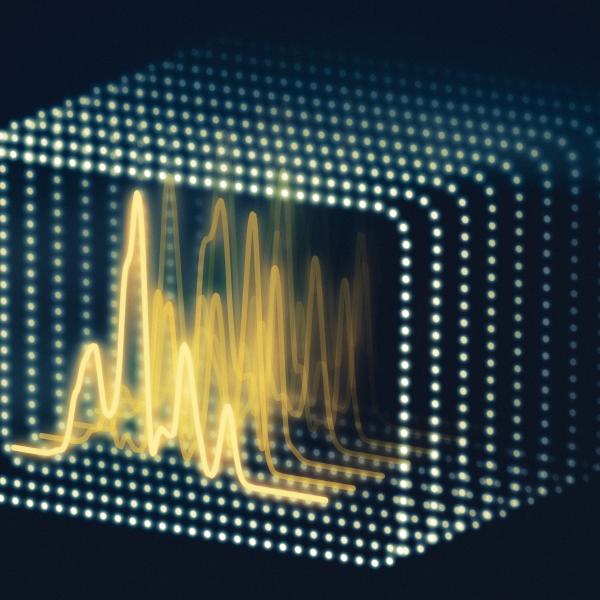
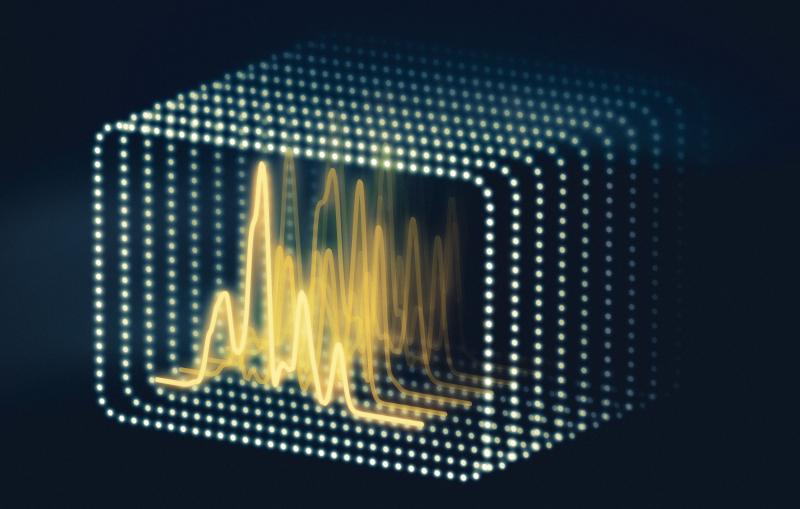
SLAC researchers say their new method could make it easier to study interactions of ultrabright X-rays with matter

Ghost imaging illustration
Feature

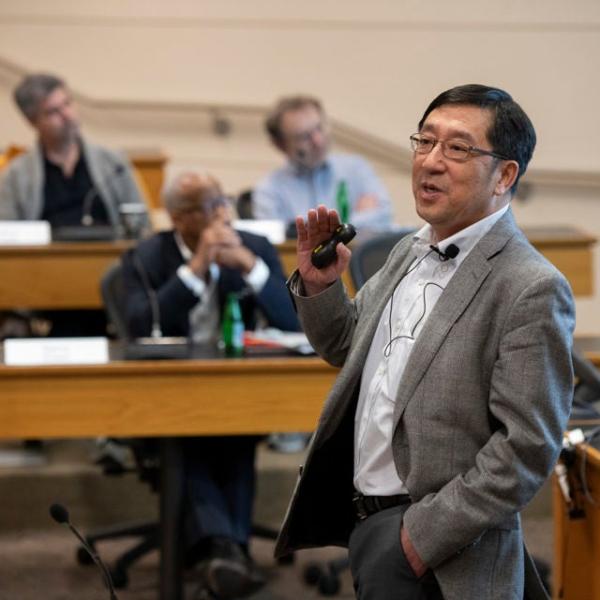
SLAC Director Chi-Chang Kao spoke to the Stanford University Faculty Senate at its Feb. 21 meeting.

Chi-Chang Kao at Stanford Faculty Senate meeting
Video

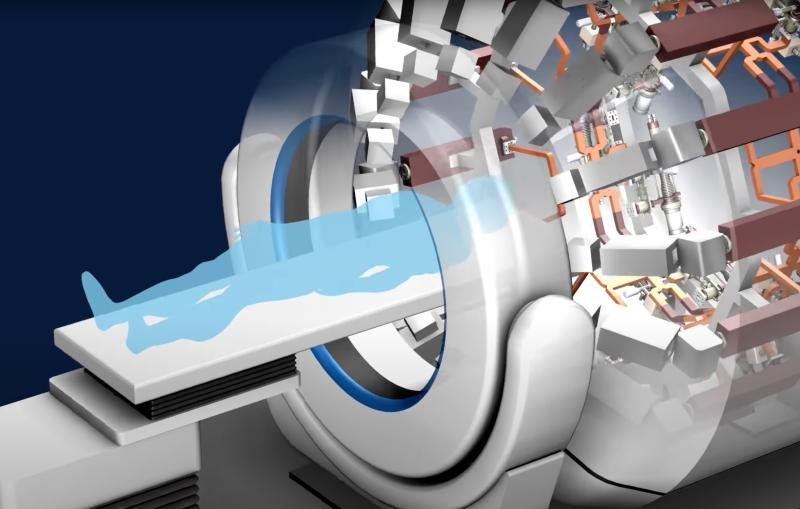
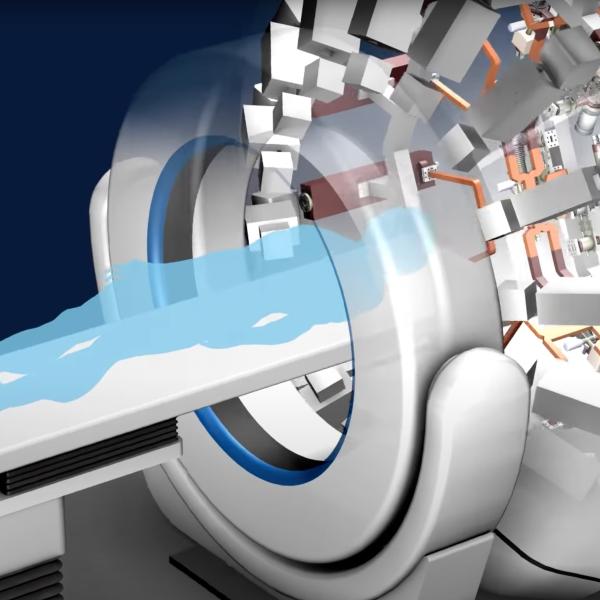
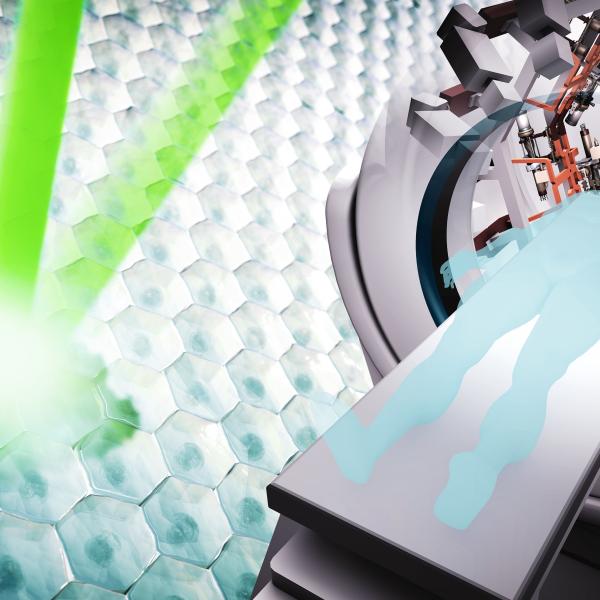
This animation shows the proposed design of a future device for X-ray therapy, which researchers hope will be able to deliver radiation powerful enough...

Proposed design of a future device for X-ray therapy
Video
News Release

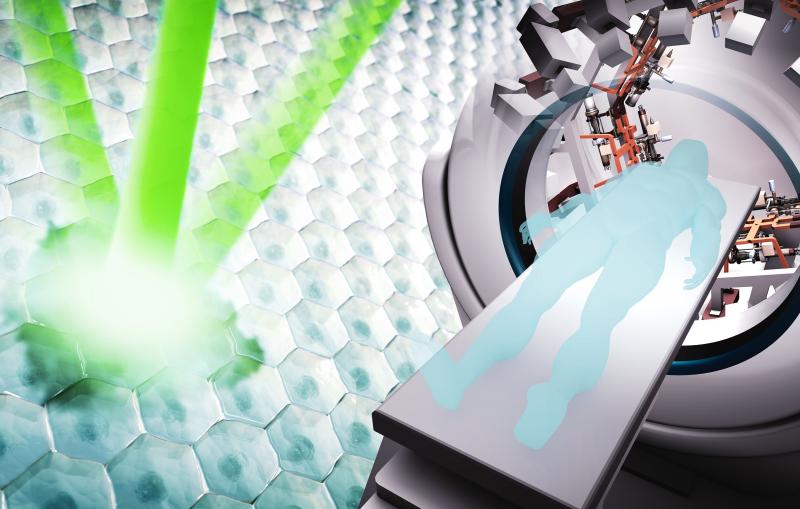
SLAC and Stanford researchers secure support for two projects that share one goal: to reduce the side effects of radiation therapy by vastly shrinking...

Researchers at SLAC and Stanford are developing new accelerator-based technology that aims to speed up cancer radiation therapy.
Feature

An advisory committee is evaluating proposals for first experiments at SLAC’s future FACET-II accelerator facility.

FACET-II First Electrons