SLAC topics

Advanced accelerator R and D RSS feed

New technologies, such as "plasma wakefield" accelerators, can boost electrons to very high energies in very short distances. This could lead to linear accelerators that are 100 times more powerful, boosting electrons to a given energy in one hundredth the distance. 

Related link: Advanced accelerators

Browse tagged content below

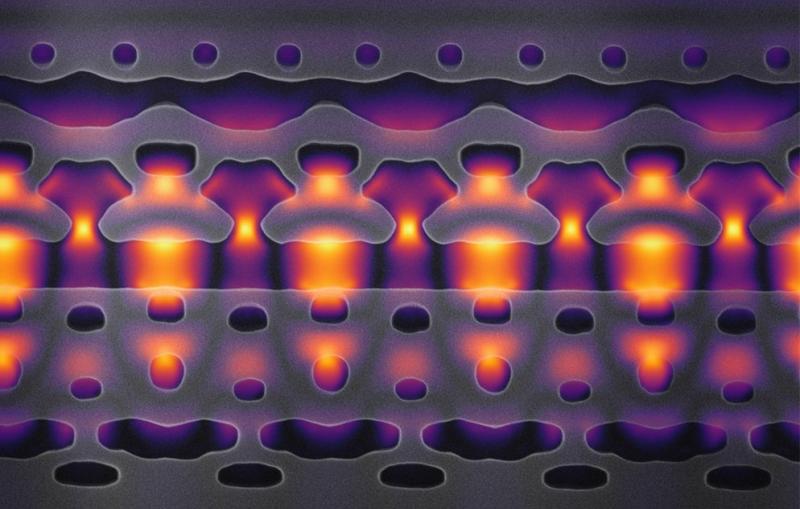
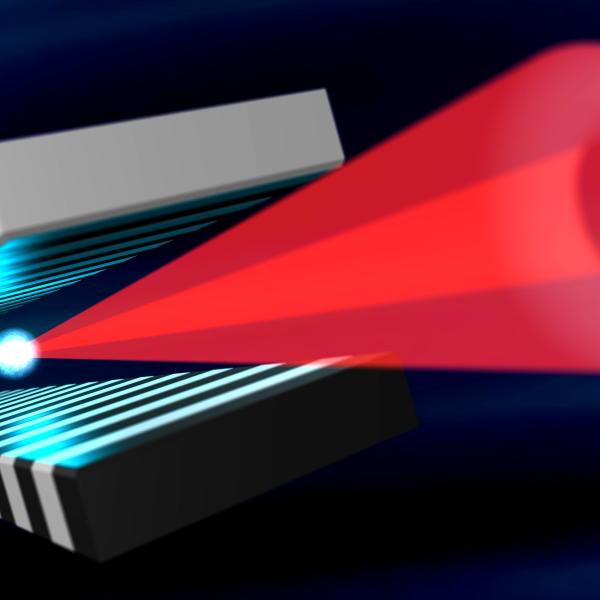
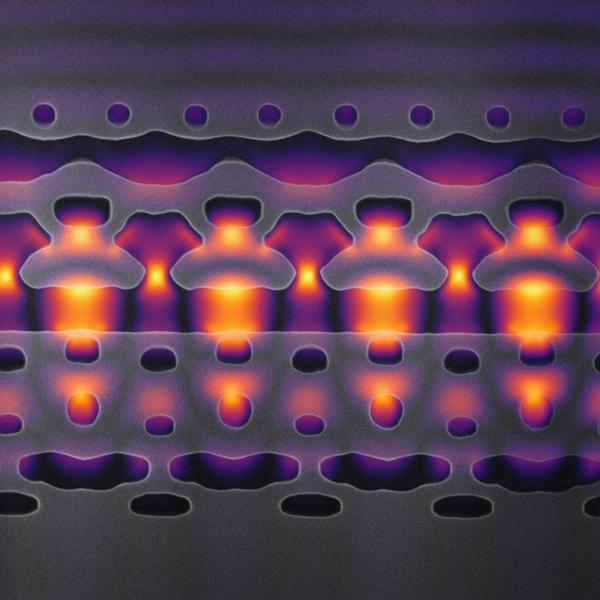
This image, magnified 25,000 times, shows a section of an accelerator-on-a-chip.
Feature

The technique could improve the efficiency of data collection and pave the way for new kinds of experiments.

undulatorhall
News Release

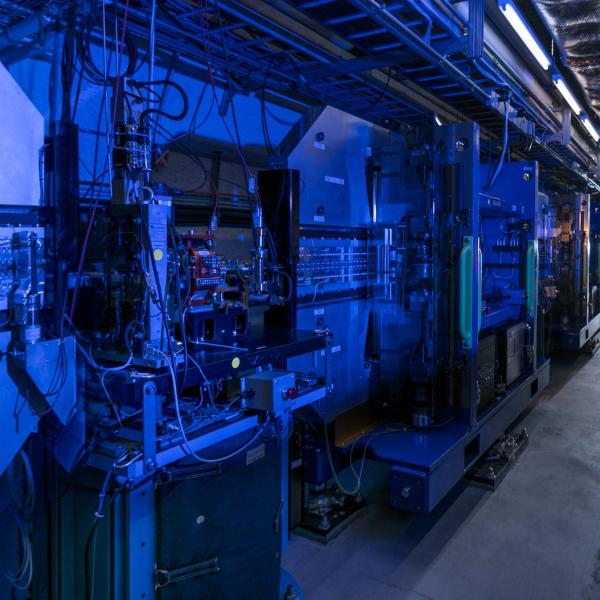
Marking the beginning of the LCLS-II era, the first phase of the major upgrade comes online.

New undulator hall
Feature

The prestigious awards provide at least $2.5 million over five years in support of their work in understanding photochemical reactions and improving accelerator beams.

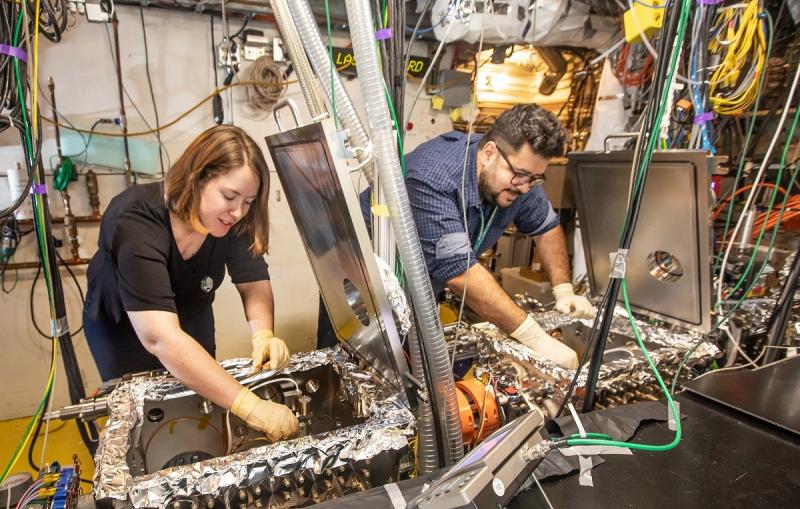
SLAC staff scientists Amy Cordones-Hahn and Brendan O'Shea
Feature

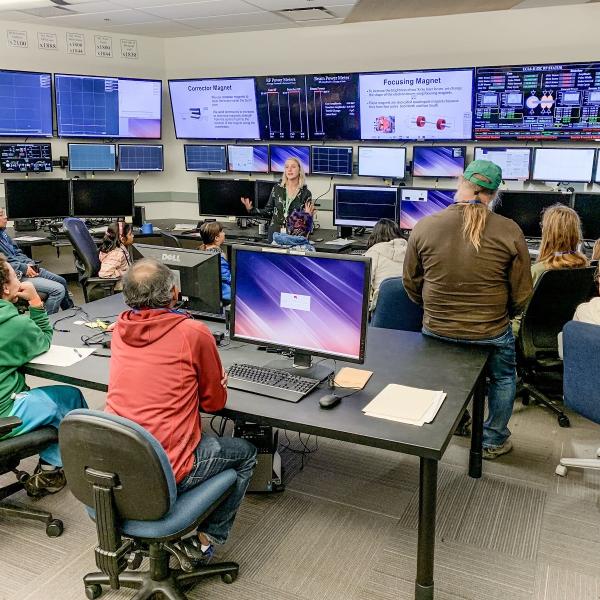
It combines human knowledge and expertise with the speed and efficiency of “smart” computer algorithms.

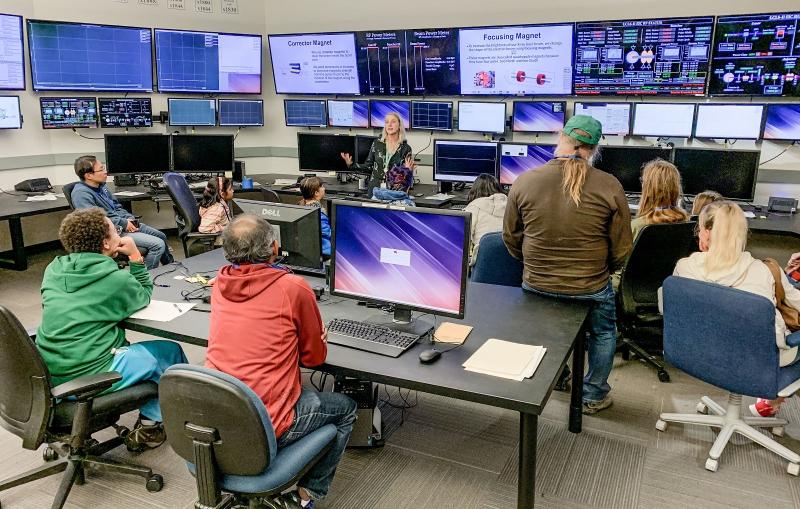
Accelerator Control Room
Feature

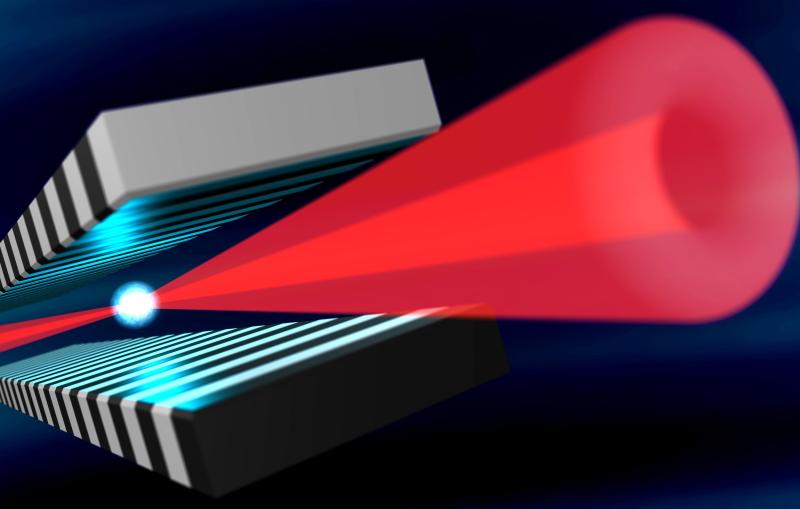
New research shows that when a bunch of electrons zooms through the middle of a ring-shaped laser beam, the bunch can wind up with...

donut laser
Feature

Researchers have squeezed a high-energy electron beam into tight bundles using terahertz radiation, a promising advance in watching the ultrafast world of atoms unfold.

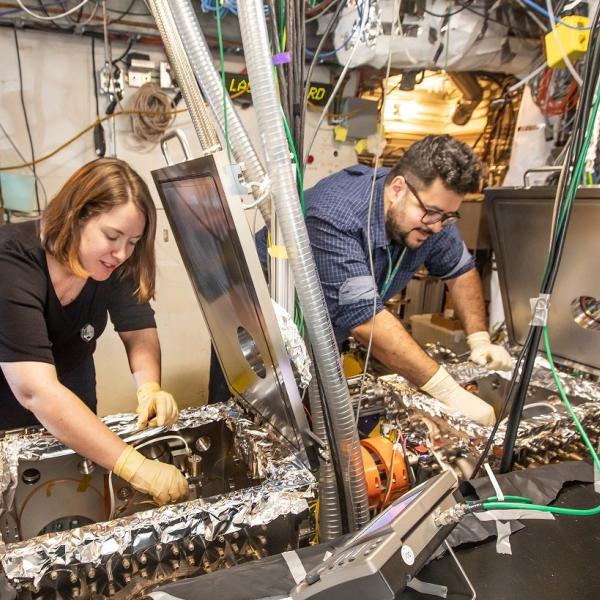
SLAC’s Emma Snively and Mohamed Othman at the lab’s high-speed “electron camera."
Feature

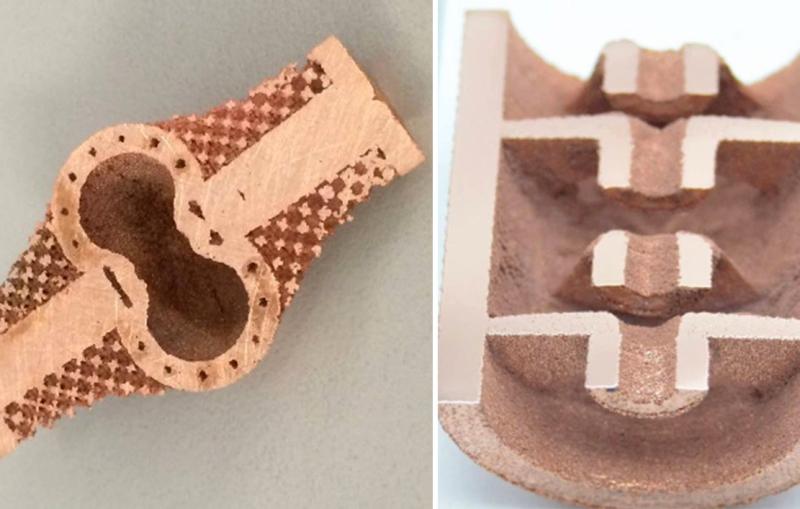
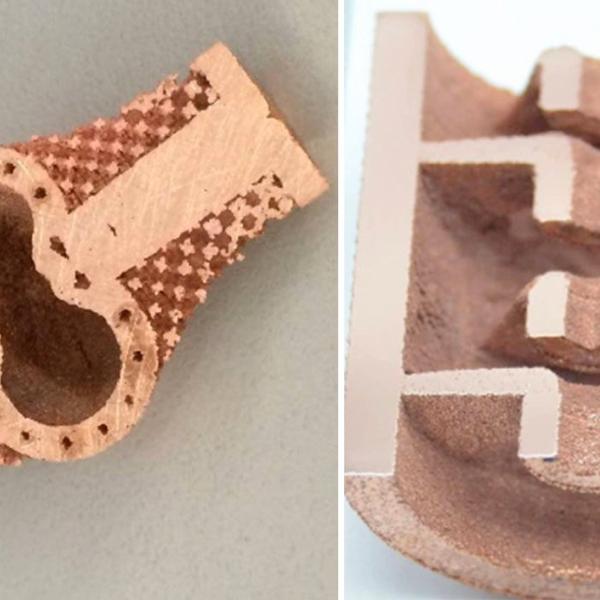
SLAC scientists and collaborators are developing 3D copper printing techniques to build accelerator components.

3D-printed copper components
Feature

Just as engineers once compressed some of the power of room-sized mainframes into desktop PCs, so too have the researchers shown how to pack...

This image, magnified 25,000 times, shows a section of an accelerator-on-a-chip.
News Release

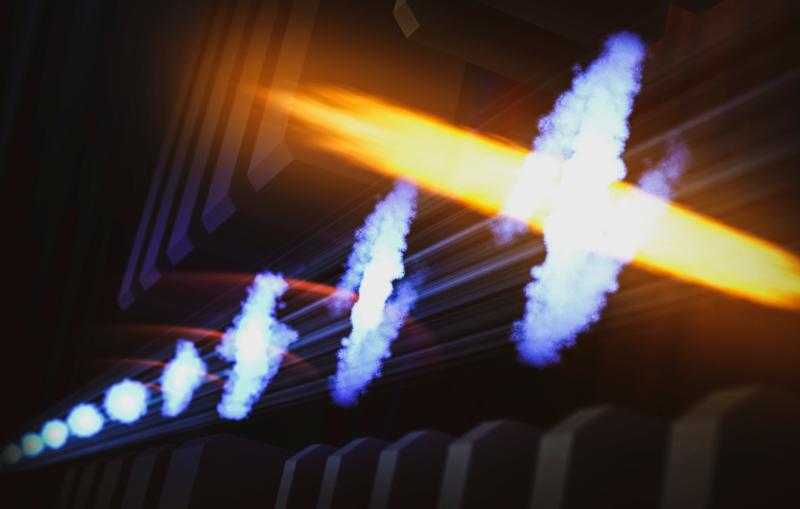
Called XLEAP, the new method will provide sharp views of electrons in chemical processes that take place in billionths of a billionth of a...

XLEAP illustration.
Feature

The next revolutionary X-ray laser in a class of its own, LCLS-II, is under construction at SLAC, with support from four other DOE national...

Feature

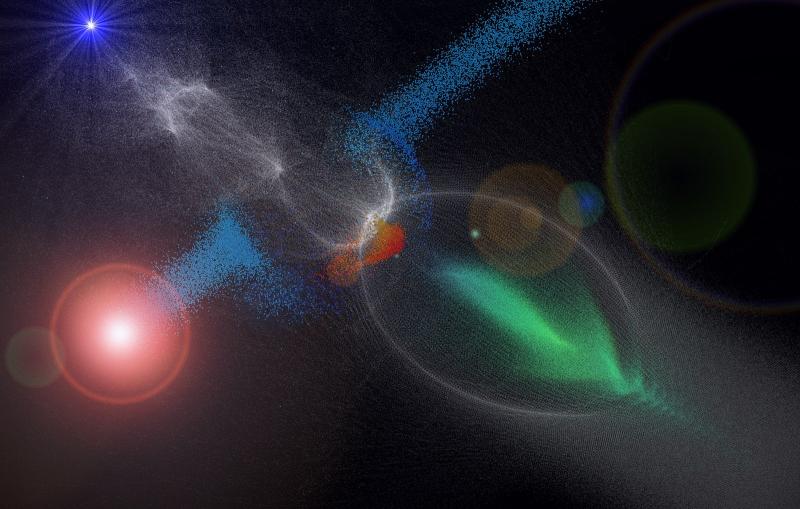
At SLAC’s FACET facility, researchers have produced an intense electron beam by 'sneaking’ electrons into plasma, demonstrating a method that could be used in...

Trojan horse illustration
Feature

The SLAC scientists will each receive $2.5 million for their research on fusion energy and advanced radiofrequency technology.

Gleason-Gamzina-ECA2019