Learn about our science, people, facilities and partners. Discover our history and vision for the future.
Who we are
We explore radically new ideas with an entrepreneurial mindset.
Get an overview of research at SLAC: X-ray and ultrafast science, particle and astrophysics, cosmology, particle accelerators, biology, energy and technology.
Revealing nature’s fastest processes with X-rays, lasers and electrons
Studying the particles and forces that knit the cosmos together
Building smaller, faster, more powerful accelerators for all
Understanding the machinery of life at its most basic level
Inventing new tools for science and society
Finding clean, sustainable solutions for the world’s energy challenges
SLAC science explained
Cut through the jargon while exploring our research.
Learn more about the places where science happens at SLAC: our major facilities, institutes and centers.
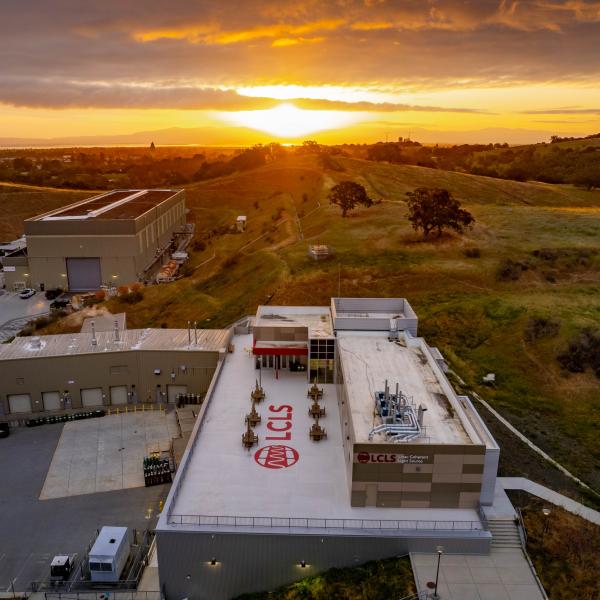
Linac Coherent Light Source
Stanford Synchrotron Radiation Lightsource
Facility for Advanced Accelerator Experimental Tests
Cryogenic Electron Microscopy
Stanford Institute for Materials & Energy Science
Kavli Institute for Particle Astrophysics & Cosmology
Stanford PULSE Institute
Center for Interface Science & Catalysis
NSF-DOE Vera C. Rubin Observatory LSST
SLAC & Stanford build the world’s largest digital camera for the Legacy Survey of Space and Time (LSST).
Find a career, partner with us or apply to use our tools and facilities.
Apply to become a user of our scientific research facilities and instruments.
Careers at SLAC
Join our united workforce.
Get the latest news about the lab, our science and discoveries. Explore SLAC events and learn how to participate.
This joint publication of SLAC and Fermilab is your view into the world of particle physics.
Reinventing the way we break down plastic waste
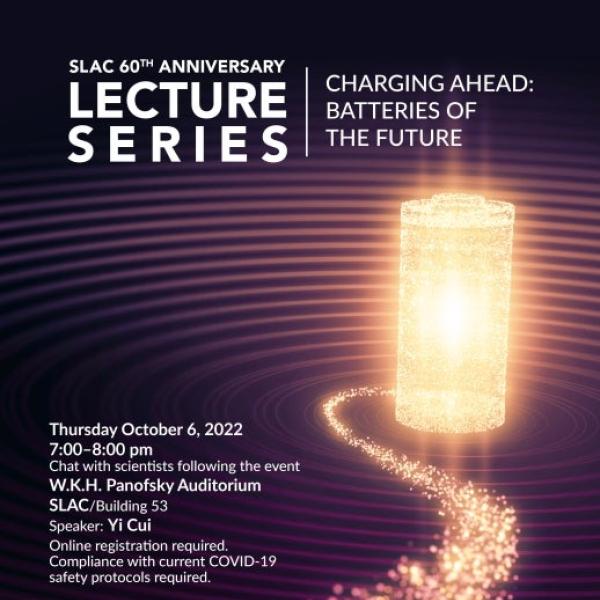
Thursday, March 26, 20267:00–8:00 p.m. PDT
Arrival and inspection of the L3 lens of the LSST Camera
Researchers made the first microscopic movies of liquids getting vaporized by SLAC’s X-ray free-electron laser LCLS.
Cryo-EM image processing workshop at SSRL
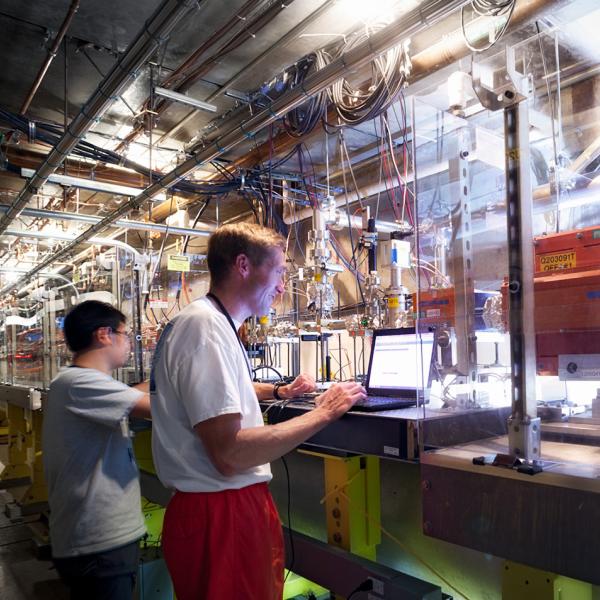
Roberto Alonso Mori (right) and Dimosthenis Sokaras work on a spectrometer at SLAC's Stanford Synchrotron Radiation Lightsource.
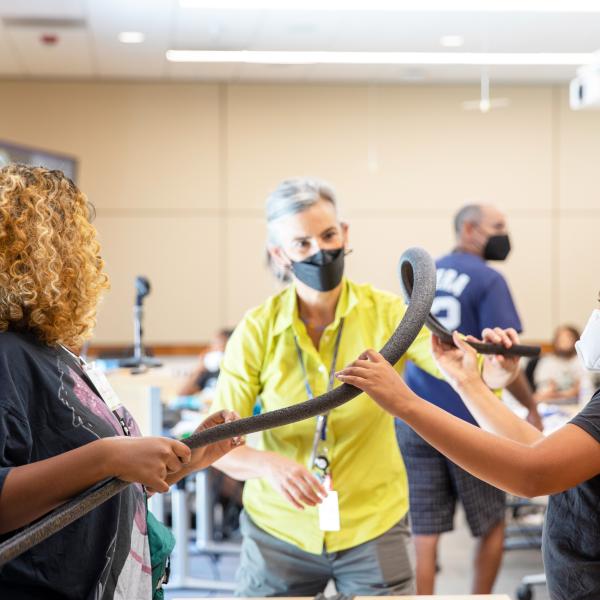
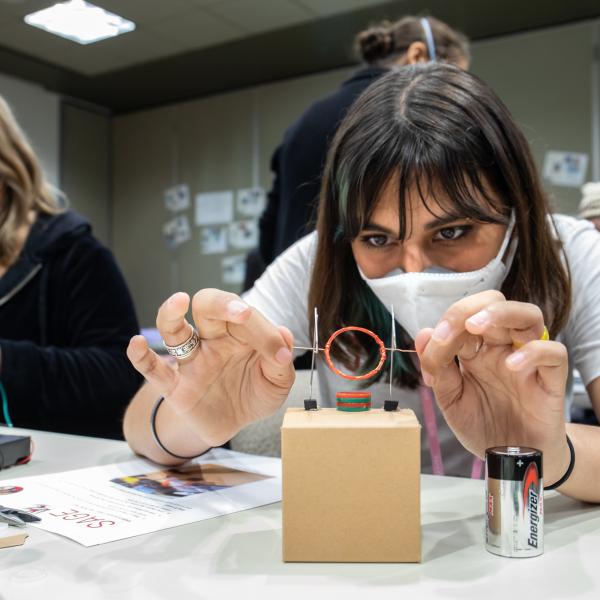
Cryo-EM and SSRL training workshop at SLAC.
Chandra Curry at the Matter in Extreme Conditions experimental hutch 6 at LCLS.
Jeff Tice, background, holds the particle counter while Travis Lange inspects the surface of the r-band optical filter for dust particles.
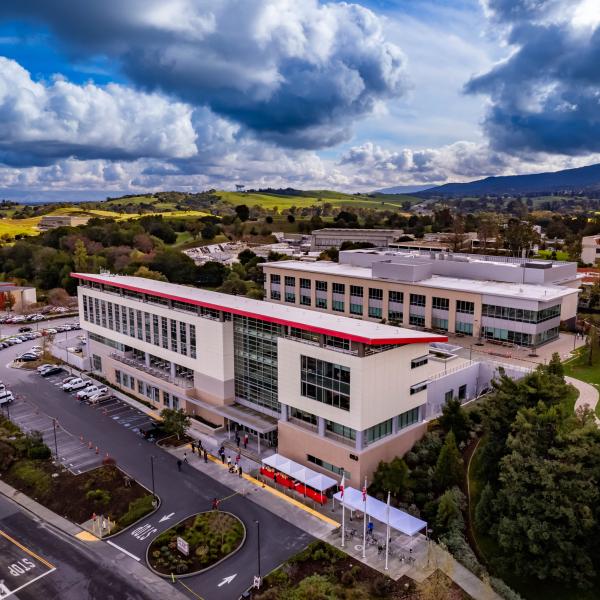
Science and User Support Building to the left and Arrillaga Science Center building to the right from above the Main Quad at SLAC’s campus. Stanford University campus can be seen in the distance.
Stanford’s Roger Kornberg received the 2006 chemistry Nobel for work on RNA transcriptase, shown on screens.
Mechanical engineer Travis Lange carefully watches the installation of the 14th raft tower modules.
Dwarf Galaxy 3