The SIMES researcher was a rare theorist who concerned himself with the implications of his abstract ideas about new quantum states of matter on experiments and future technologies.
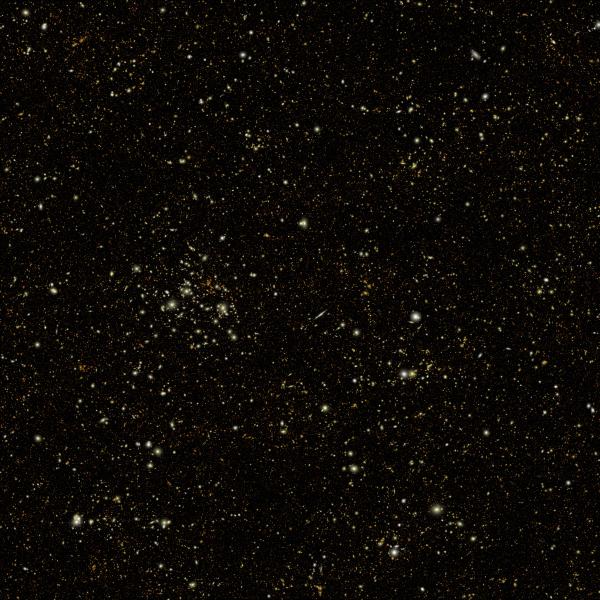
SLAC scientists find a new way to explain how a black hole’s plasma jets boost particles to the highest energies observed in the universe. The results could also prove useful for fusion and accelerator research on Earth.
Over the past few years, Kathleen Ratcliffe and Tien Fak Tan have worked together to help build the superconducting accelerator that will drive new scientific discoveries at SLAC’s X-ray laser.
Scientists discover that triggering superconductivity with a flash of light involves the same fundamental physics that are at work in the more stable states needed for devices, opening a new path toward producing room-temperature superconductivity.
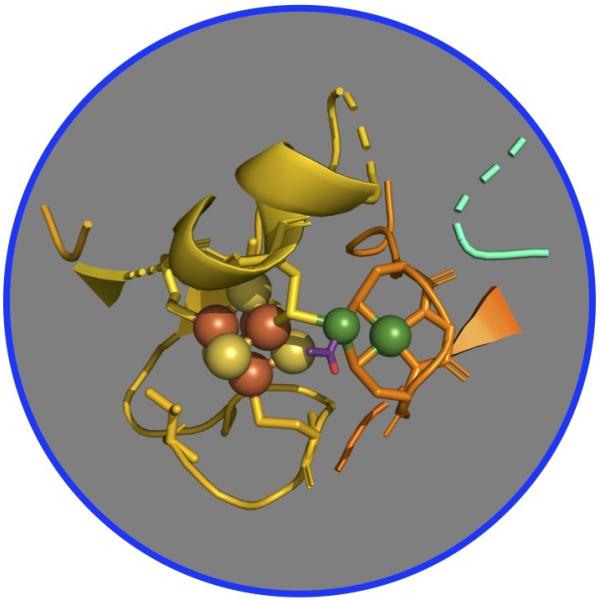
Sandwiching wiggly proteins between two other layers allows scientists to get the most detailed images yet of a protein that’s key to the spread of acute myeloid leukemia.
X-ray laser experiments show that intense light distorts the structure of a thermoelectric material in a unique way, opening a new avenue for controlling the properties of materials.
A cellphone-sized device automatically adjusts a home's power use up or down to save the consumer money and increase the resiliency of the electric grid.
A laser compressing an aluminum crystal provides a clearer view of a material’s plastic deformation, potentially leading to the design of stronger nuclear fusion materials and spacecraft shields.