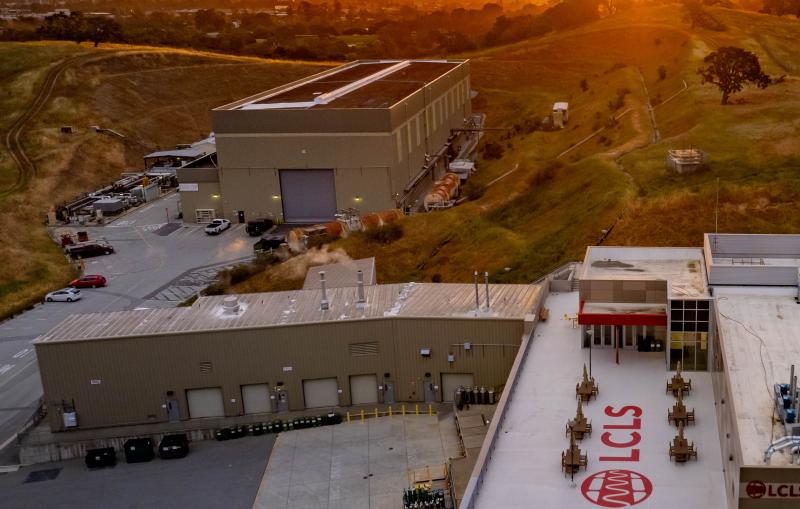
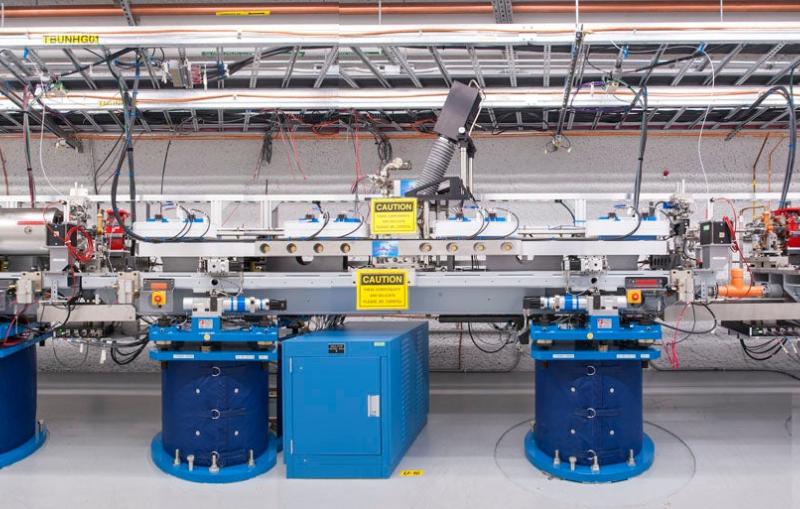
The Linac Coherent Light Source at SLAC, the world’s first hard X-ray free-electron laser, takes X-ray snapshots of atoms and molecules at work, revealing fundamental processes in materials, technology and living things.
With SLAC's Linac Coherent Light Source X-ray laser, timing is everything. Its pulses are designed to explore atomic-scale processes that are measured in femtoseconds...
Menlo Park, Calif. — Researchers using the Linac Coherent Light Source (LCLS) at the U.S. Department of Energy’s (DOE) SLAC National Accelerator Laboratory have...
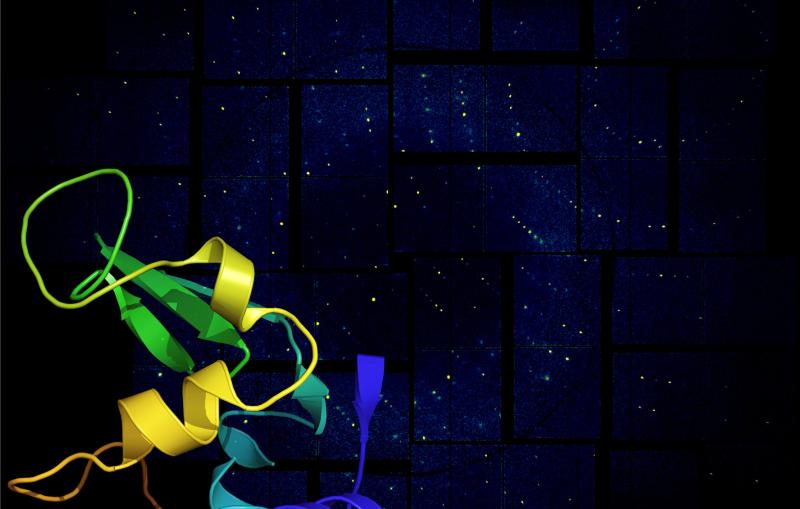
An international team led by the U.S. Department of Energy's (DOE) SLAC National Accelerator Laboratory has proved how the world's most powerful X-ray laser...
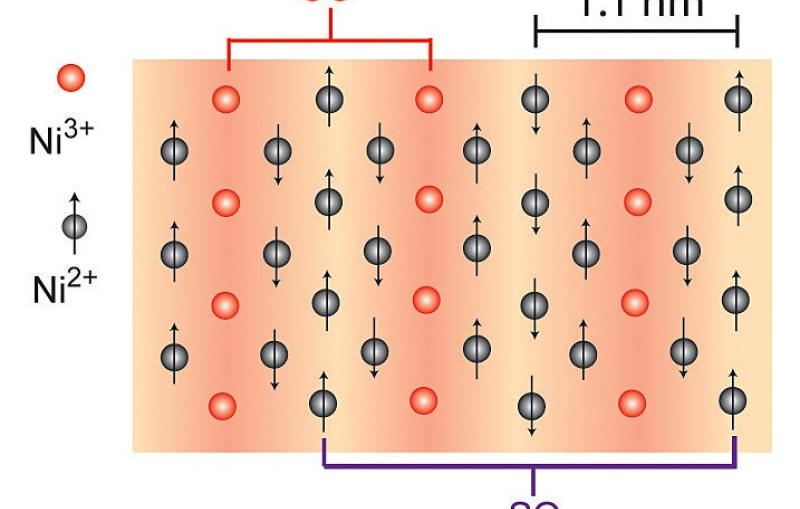
An international team of researchers has used SLAC’s Linac Coherent Light Source (LCLS) to discover never-before-seen behavior by electrons in complex materials with extraordinary...
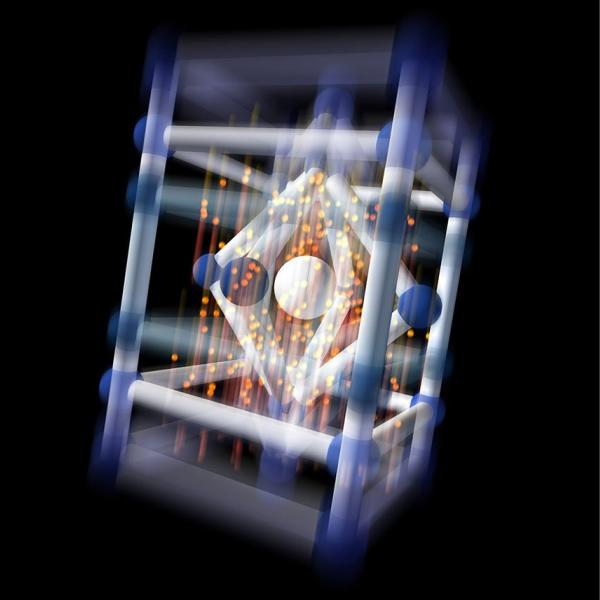
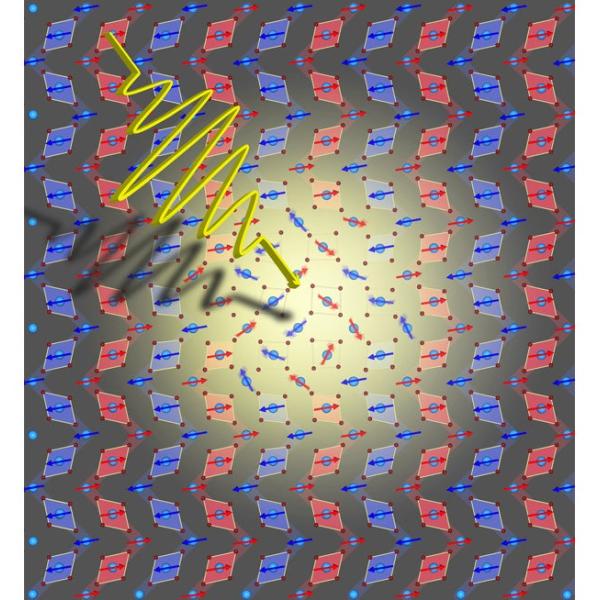
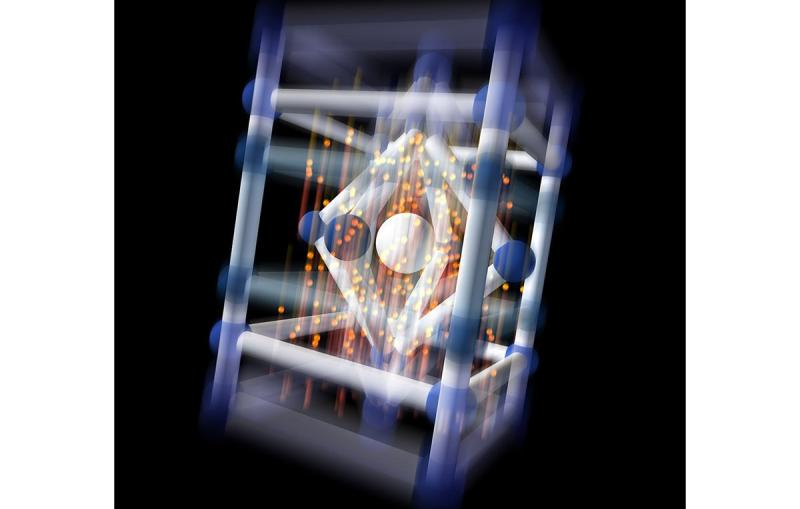
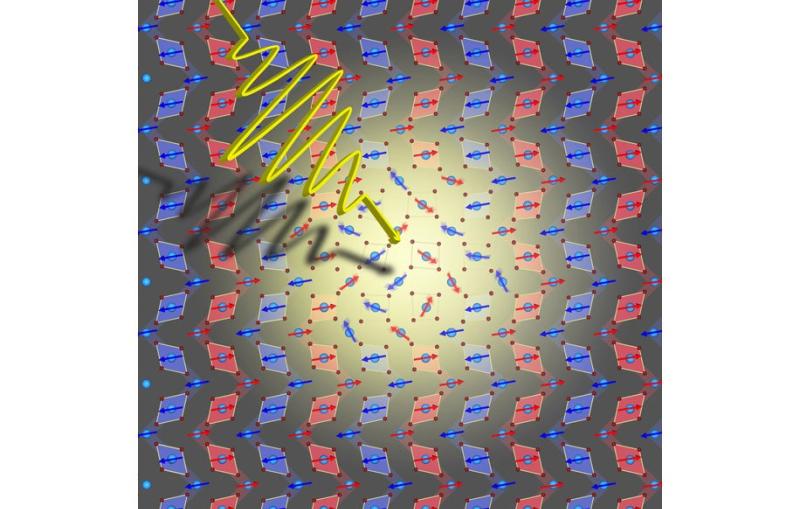
Scientists have found a way to distort the atomic arrangement and change the magnetic properties of an important class of electronic materials with ultra-short...
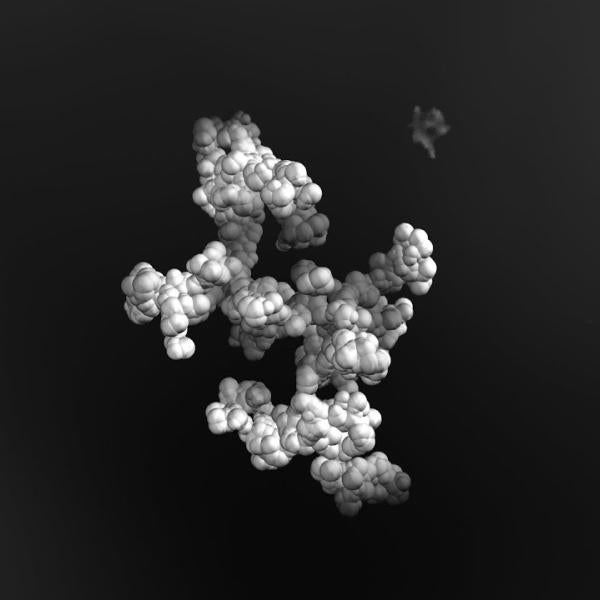
This short conceptual animation depicts how scientists can now simultaneously capture fractal morphology (structure), chemical composition and nanoscale imagery of individual aerosol particles in...
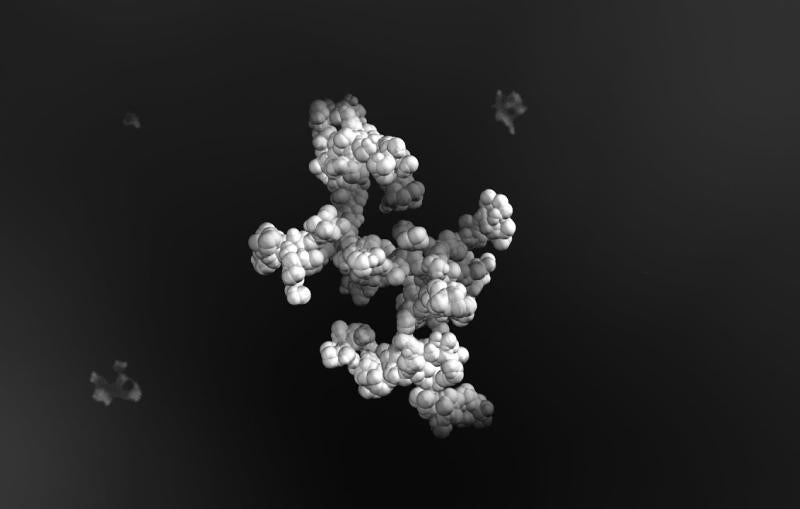
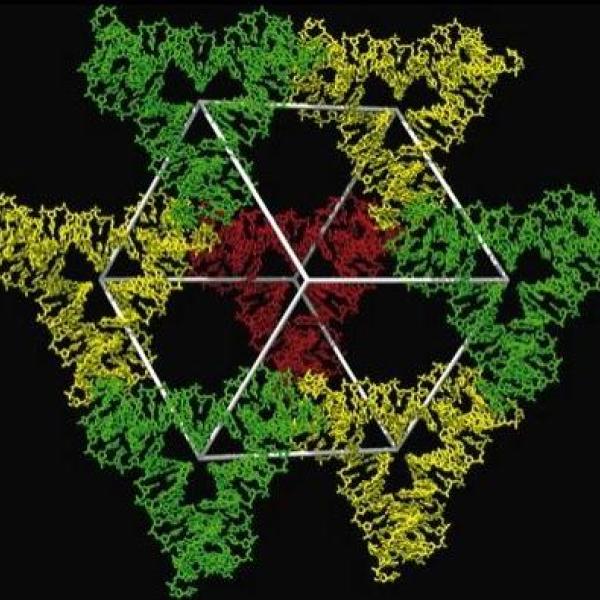
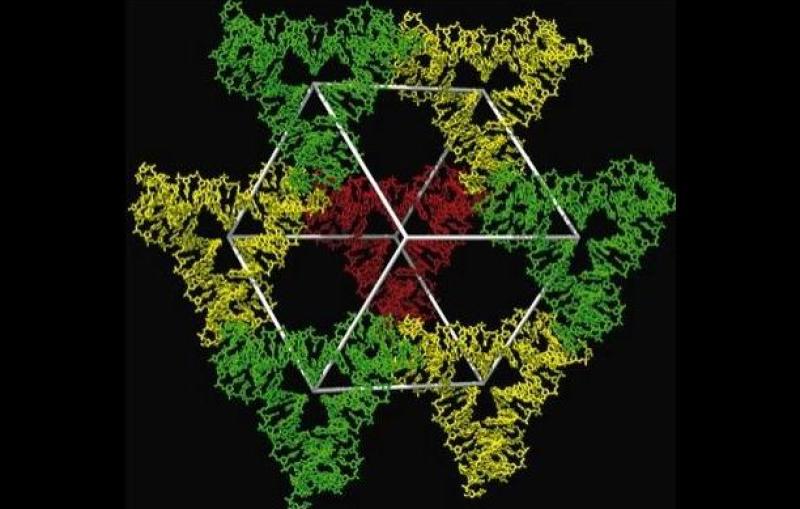
The founding father of DNA nanotechnology – a field that forges tiny geometric building blocks from DNA strands – recently came to SLAC to get a new view of these creations using powerful X-ray laser pulses.
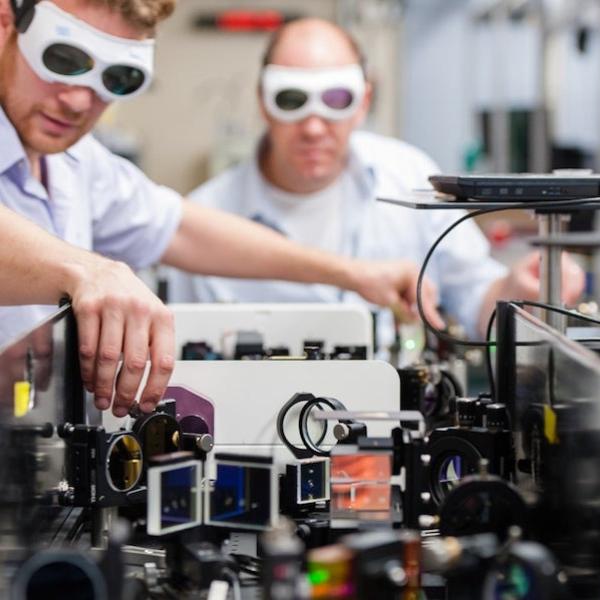
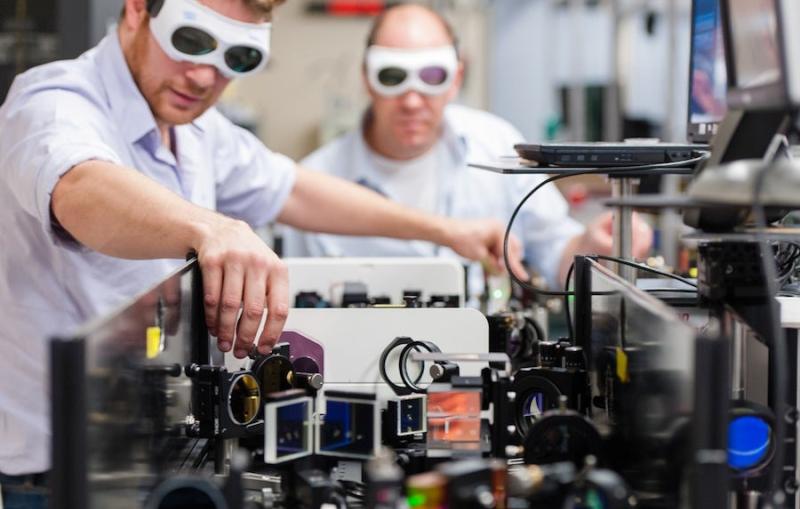
In less than a decade, SLAC has built up an impressive array of dozens of laser systems – and a team of laser scientists and engineers – with capabilities that make it one of the most cutting-edge national laboratories under...
With SLAC's Linac Coherent Light Source X-ray laser, timing is everything. Its pulses are designed to explore atomic-scale processes that are measured in femtoseconds, or quadrillionths of a second.
Menlo Park, Calif. — Opening a new window on the way plants generate the oxygen we breathe, researchers used an X-ray laser at the Department of Energy’s (DOE) SLAC National Accelerator Laboratory to simultaneously look at the structure and chemical...
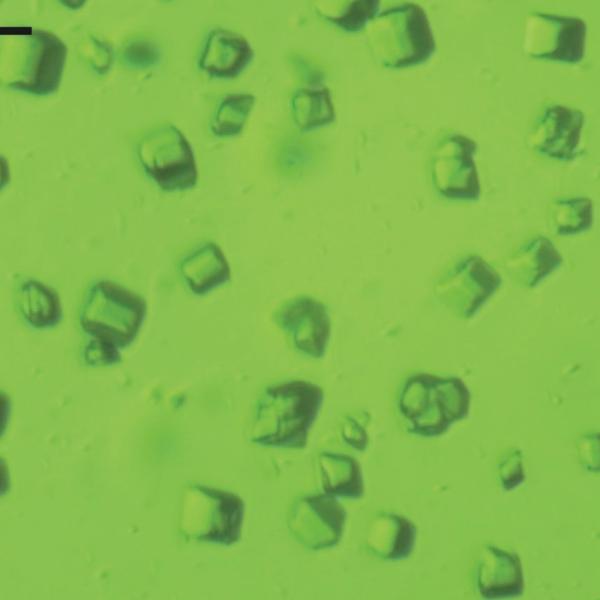
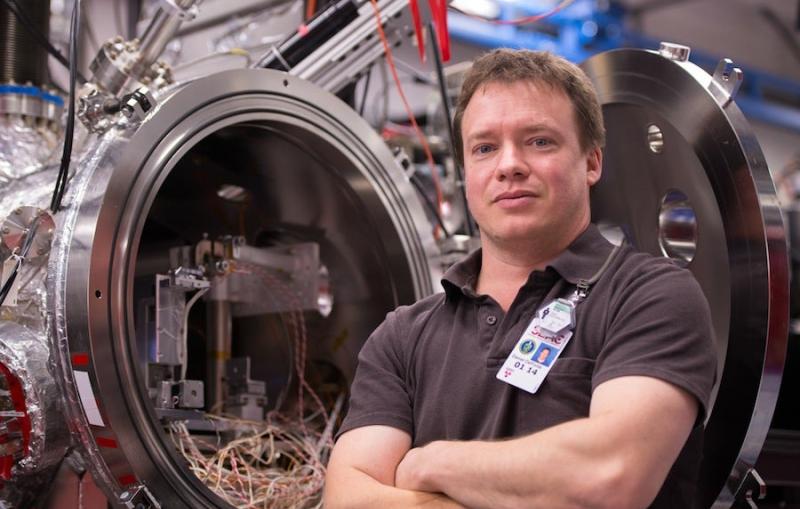
Daniel DePonte, a pioneer in finding ways to serve up a steady and precise supply of crystals, viruses and other precious samples for laser experiments, is the newly hired sample-delivery group leader for SLAC’s Linac Coherent Light Source X-ray laser.
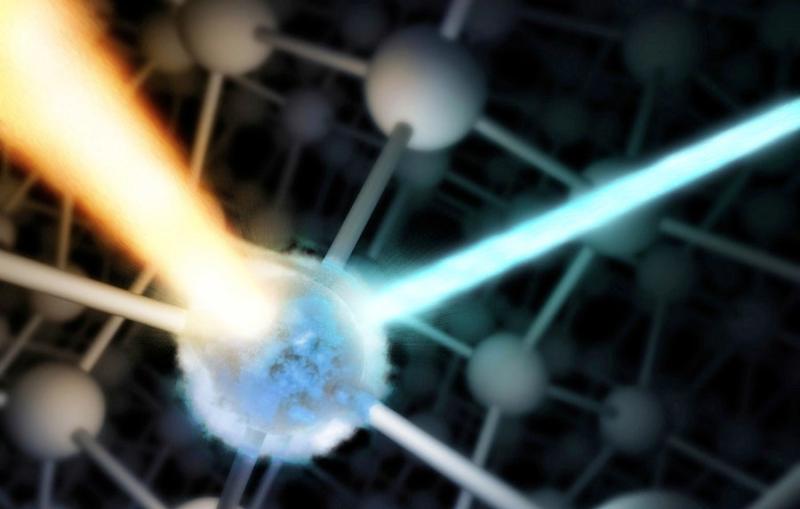
Menlo Park, Calif. — Researchers using the Linac Coherent Light Source (LCLS) at the U.S. Department of Energy’s (DOE) SLAC National Accelerator Laboratory have found a way to strip most of the electrons from xenon atoms, creating a “supercharged,” strongly...
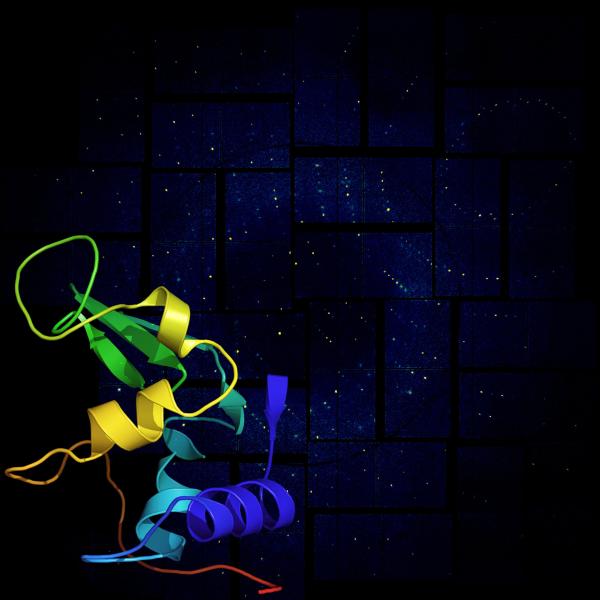
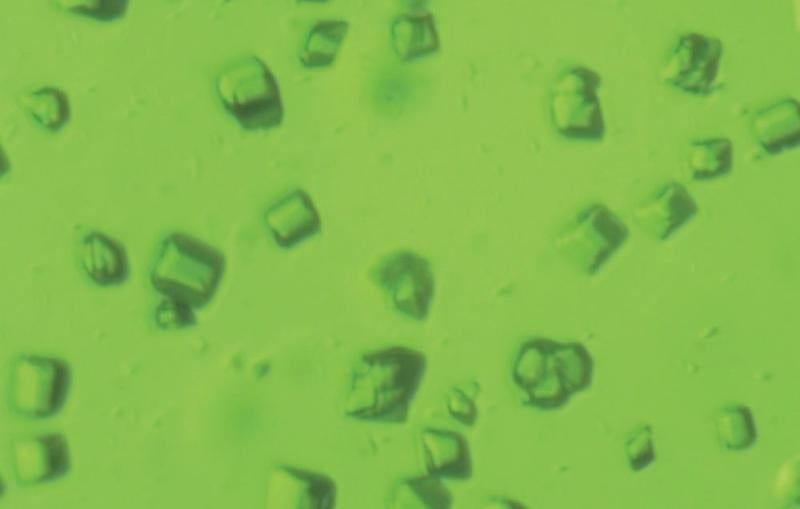
An international team led by the U.S. Department of Energy's (DOE) SLAC National Accelerator Laboratory has proved how the world's most powerful X-ray laser can assist in cracking the structures of biomolecules, and in the processes helped to pioneer critical...
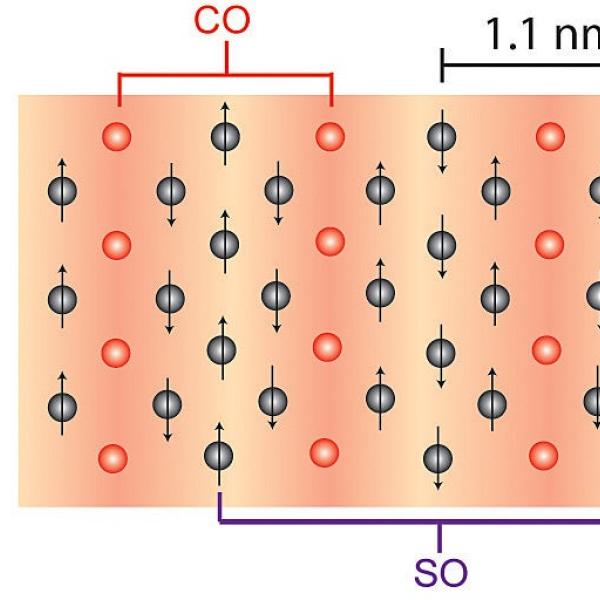
An international team of researchers has used SLAC’s Linac Coherent Light Source (LCLS) to discover never-before-seen behavior by electrons in complex materials with extraordinary properties.
A surprising atomic-scale wiggle underlies the way a special class of materials reacts to light, according to research that may lead to new devices for harvesting solar energy.
Scientists have found a way to distort the atomic arrangement and change the magnetic properties of an important class of electronic materials with ultra-short pulses of terahertz (mid-infrared) laser light without heating the material up.
This short conceptual animation depicts how scientists can now simultaneously capture fractal morphology (structure), chemical composition and nanoscale imagery of individual aerosol particles in flight. These particles, known as "PM2.5" because they are smaller than 2.5 microns in diameter, affect...