



SLAC topics

Science news RSS feed

The latest news about SLAC research, science programs, facilities and people. 

More on our News Center and Media Resources pages
Browse tagged content

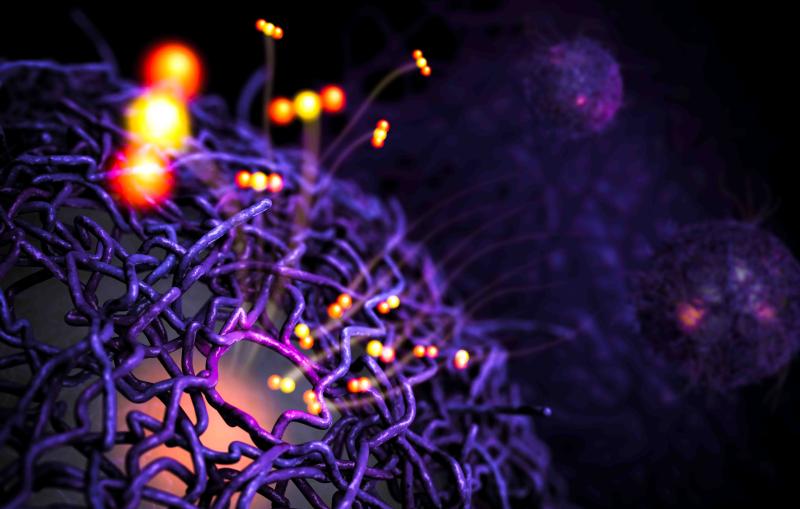
Scientists create artificial catalysts inspired by living enzymes
News Brief

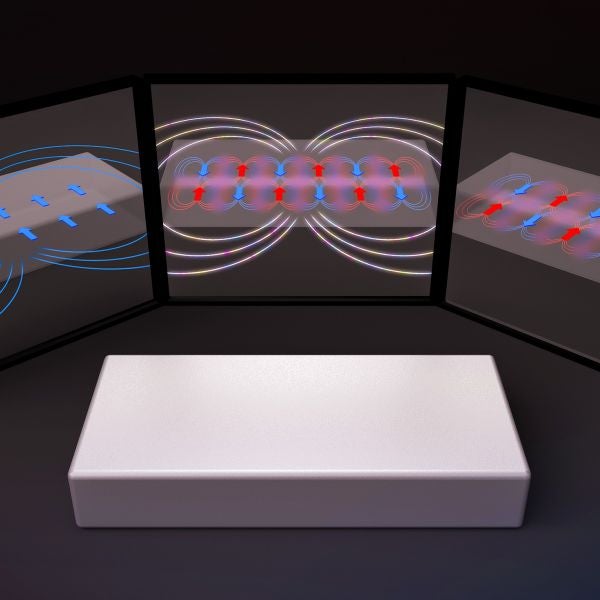
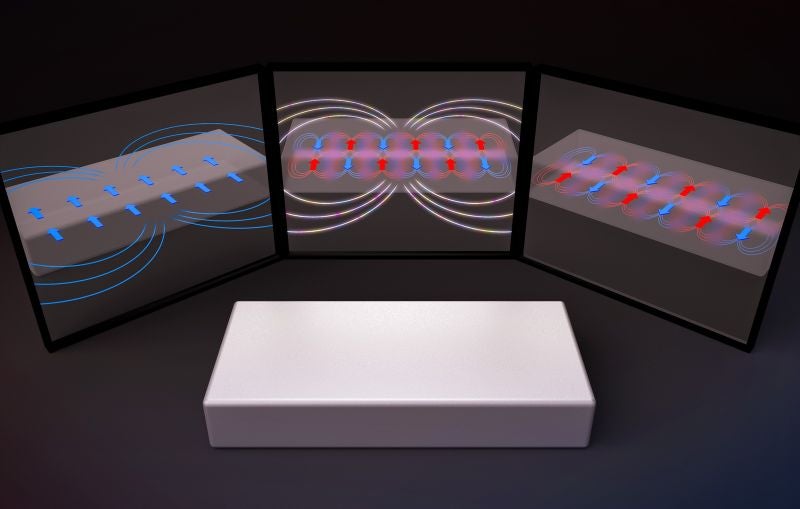
The team is the first to directly observe a unique property in an altermagnetic candidate material, key evidence of a new phase of magnetism.

Three mirrors displaying colorful diagrams with arrows, lines, and circular patterns, positioned above a smooth white rectangular base on a dark background.
News Release

The candidate orbits our sun beyond Pluto, and may be among the largest and brightest objects discovered in this region of the solar system.

Field of stars with a line tracing the path of a dwarf planet through the night sky.
Feature

The machine learning program SPINE has become a backbone of neutrino experiments worldwide, decoding complex detector images to help scientists unlock the secrets of...

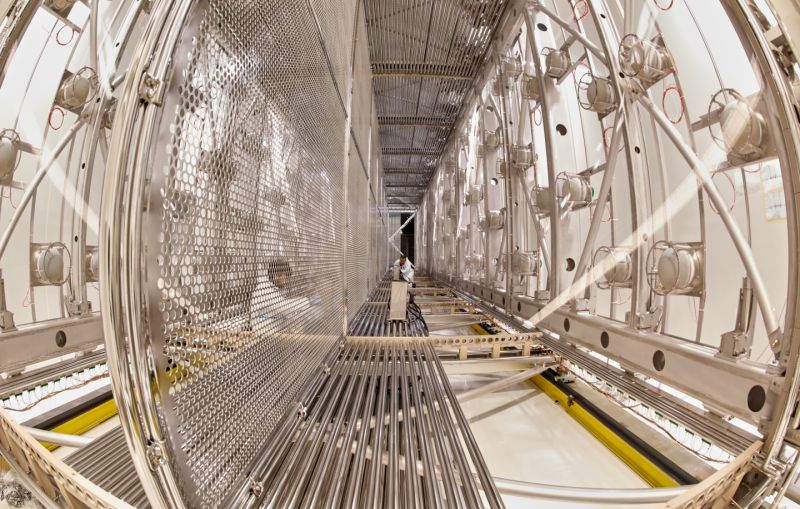
ICARUS
Feature

Researchers at SLAC are using high-energy X-ray pulses probe electronic motion deep within atoms and dense plasmas. 

Aerial View of The Linac Coherent Light Source (LCLS) at SLAC at sunrise.
Feature

Adam Nielander will pursue research on light-powered catalysts for next generation energy technologies

Man in a suit standing
News Release

Tomorrow's innovations will come from autonomous labs that slash discovery time, and SLAC's facilities are taking the lead in a new collaboration with Stanford...

Illustration depicting self-driving lab from accelerator to experiment
News Brief

A SLAC-Stanford team developed a new way to precisely measure just how much energy has dissipated into heat in an electrical system – and...

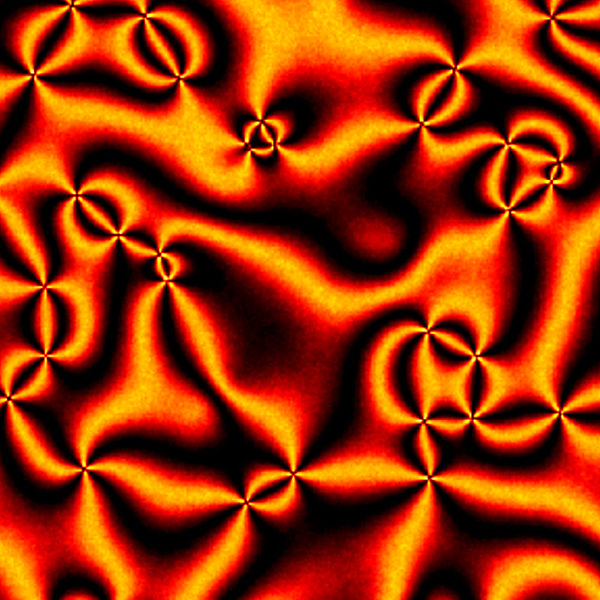
Black swirls and bar-like shapes against an orange background
News Brief

SLAC and Stanford scientists used ultrafast electrons and a laser to reveal an unexpectedly strong optical response to ionization, opening new possibilities for radiological...

An incoming orange beam strikes a layer of purple and green spheres spread horizontally across the image. A blue beam is located to the left of the orange beam.
News Release

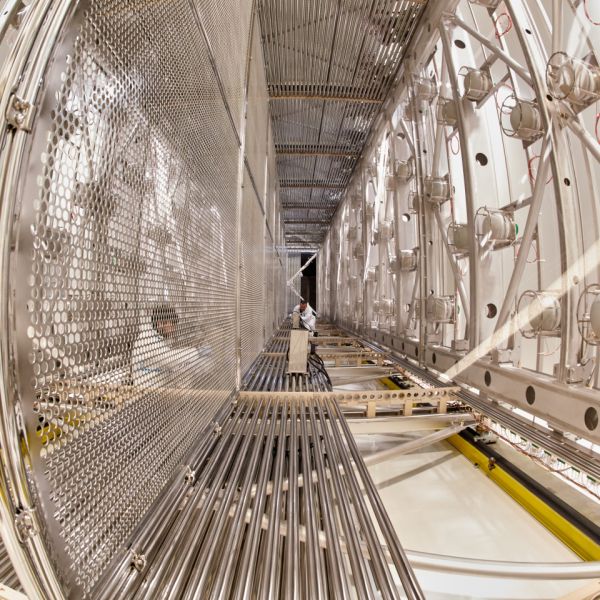
The LUX-ZEPLIN experiment observed a particle interaction that could be interpreted as a signal from WIMPs, a dark matter candidate – but researchers will...

A researcher in protective gear works near a tall, cylindrical scientific instrument with visible wiring. The visible walls surrounding it are reflective Teflon.
News Brief

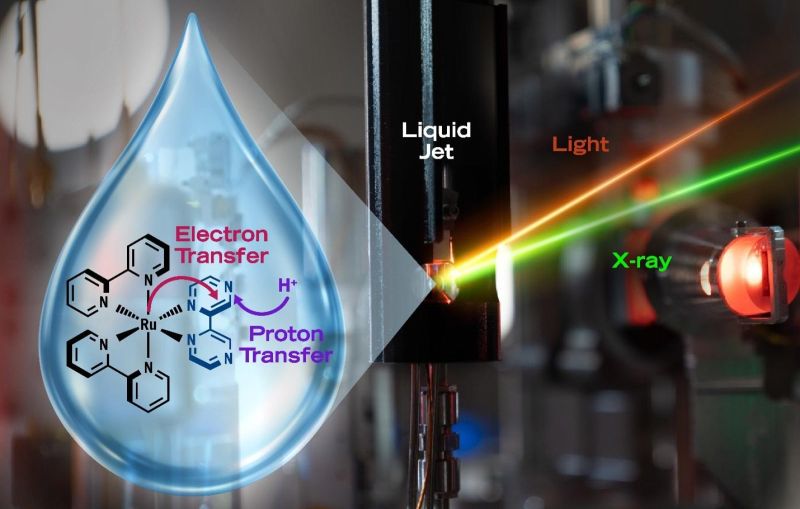
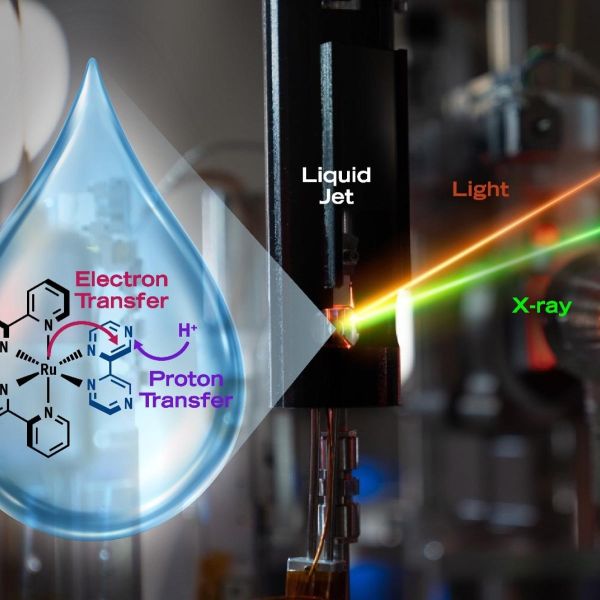
New research reveals how a molecule absorbs light and gains a proton while its watery environment reorganizes in response. 

In background, photo of equipment used in the study. At left in front, drawing of a water droplet with a chemical structure and diagram showing electron and proton transfer.
News Brief

SLAC and Stanford researchers found that compressing solid-state battery material reduced the formation of lithium-filled cracks called dendrites, leading to faster charging and longer...

An orb in light purple against a darker background containing grey, filigreed cracks known as dendrites.
News Brief

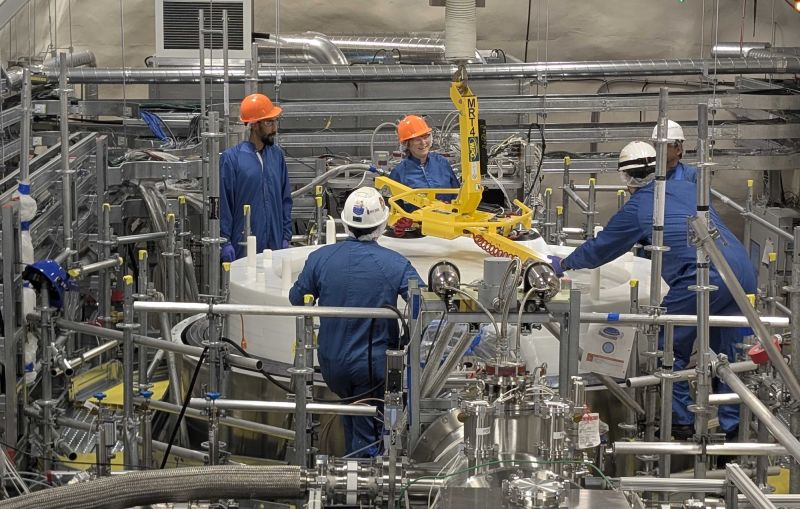
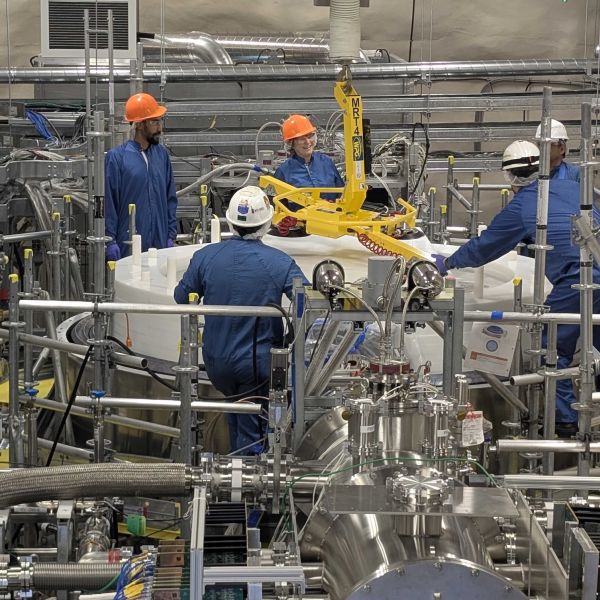
The deep-underground experiment could produce early-scientific results in the search for one of nature’s most elusive substances even, before reaching optimal sensitivity when the...

SuperCDMS shield