SLAC news center
The experiment’s detectors have reached their operating temperature, about a hundred times colder than outer space.



NSF–DOE Vera C. Rubin Observatory Founding Director Tony Tyson included in 2026 TIME100


What’s happening
How scientists are building the AI-powered laboratory

STEM Community Day 2026

Facilities & centers
At our large-scale facilities and specialized centers, scientists take advantage of powerful tools and unique expertise and collaborate with each other across a wide range of disciplines. Working together is what makes science tick.

TMO Hutch


View of SLAC’s Stanford Synchrotron Radiation Lightsource (SSRL)


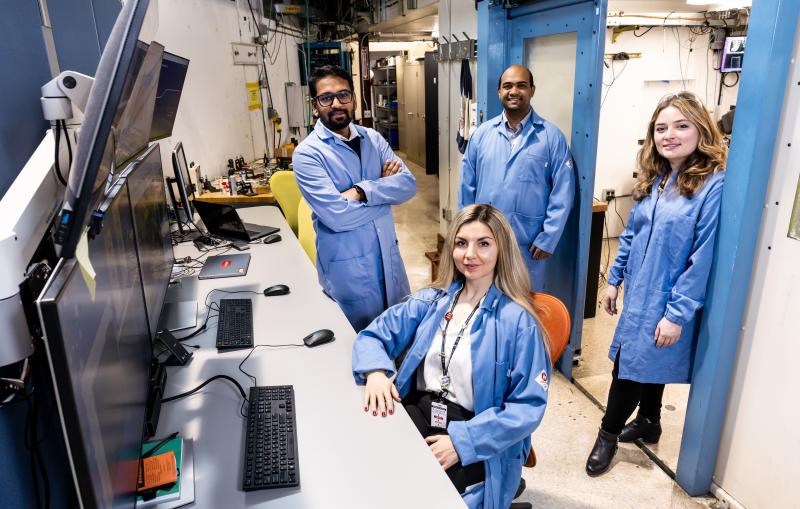
Legacy Survey of Space & Time (LSST) Camera & SLAC Team


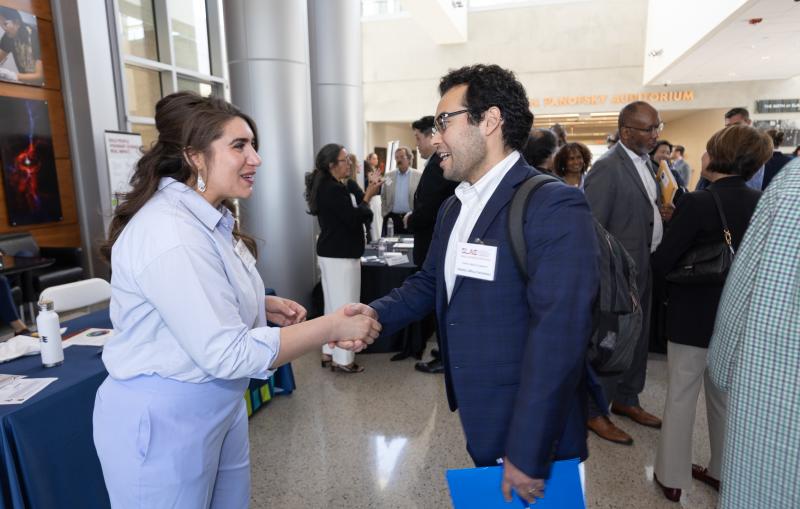
Poster Session at SLAC


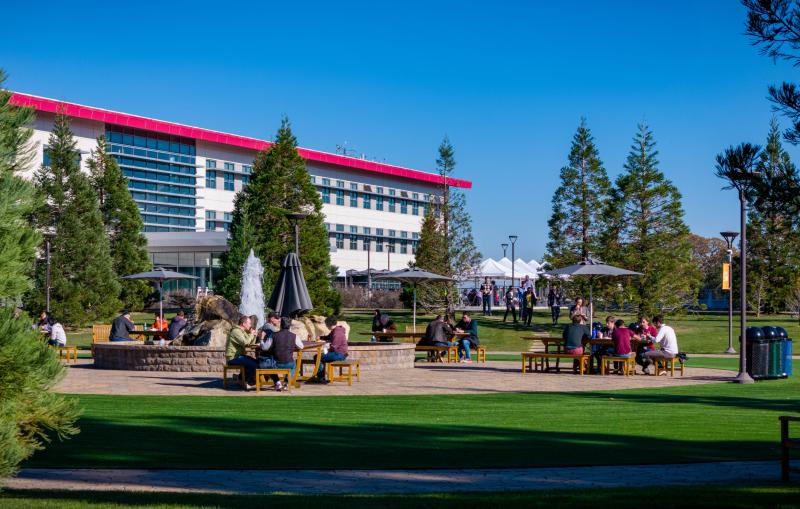
Main Quad Outside of the Science and User Support Building (SUSB)


Technology Innovation Directorate (TID) Computing Systems Group

Astrophysics
NSF–DOE Vera C. Rubin Observatory
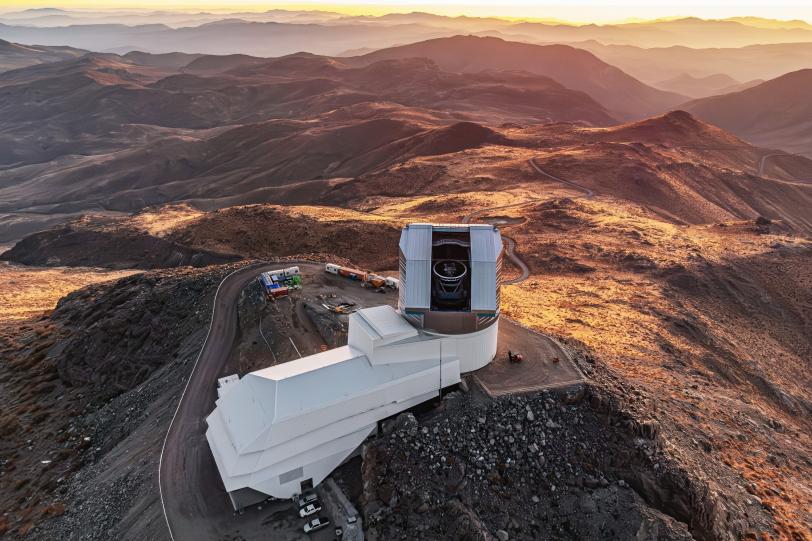
The SLAC-built LSST Camera is the heart of Rubin Observatory located in the Chilean Andes. During the first 10 years of operation, Rubin Observatory will conduct the Legacy Survey of Space and Time (LSST), creating the widest, fastest, and deepest views of the night sky ever observed. It will provide a treasure trove of data, hosted at the U.S. Data Facility at SLAC, that will be available to the scientific community to collectively make discoveries and resolve cosmic mysteries. The Dark Energy Science Collaboration (DESC), also hosted at SLAC with members worldwide, will make high-accuracy measurements of fundamental cosmological parameters using data from the LSST.
Lab DirectorSLAC is a vibrant community of diverse perspectives and expertise, all working together to solve some of the most pressing challenges of our times.”