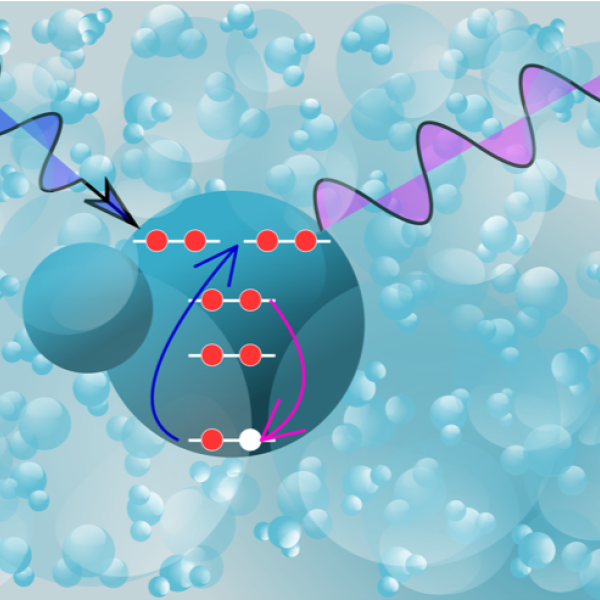
X-ray spectroscopy is an analytical technique that uses X-rays to study the composition of materials. It measures the energies and intensities of X-rays emitted or absorbed by a sample, providing information about the elements present and their chemical states.
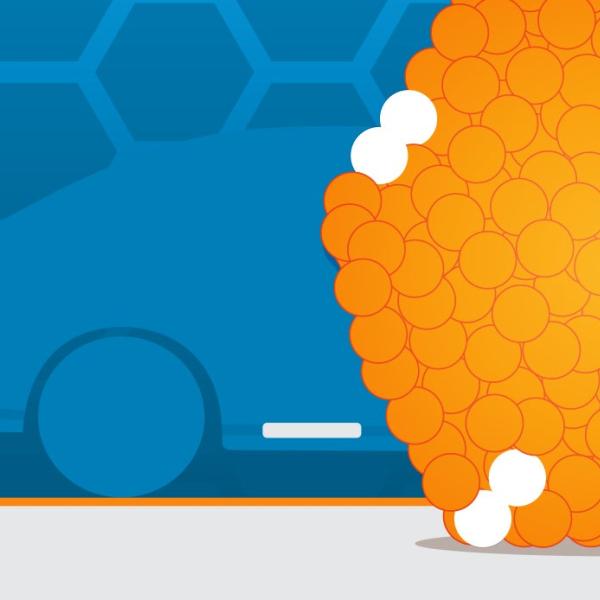
In a new perspective, SLAC and University of Paderborn scientists argue that research at synchrotrons could help improve water-purifying materials in ways that might...
Understanding nature’s process could inform the next generation of artificial photosynthetic systems that produce clean and renewable energy from sunlight and water.
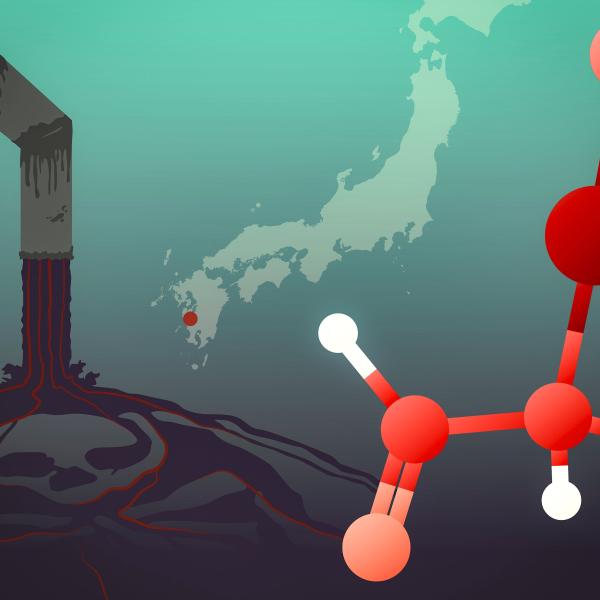
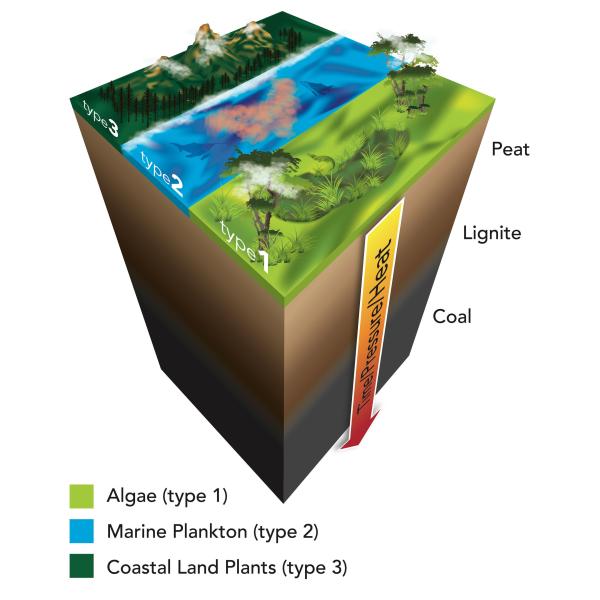
The 1950s and ‘60s poisoning event was long attributed to methylmercury, but studies at SLAC suggest a different compound was to blame. The findings...
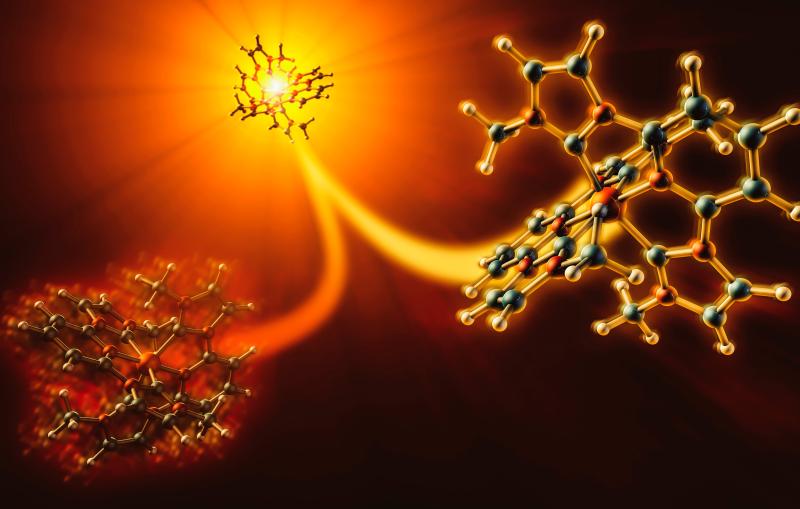
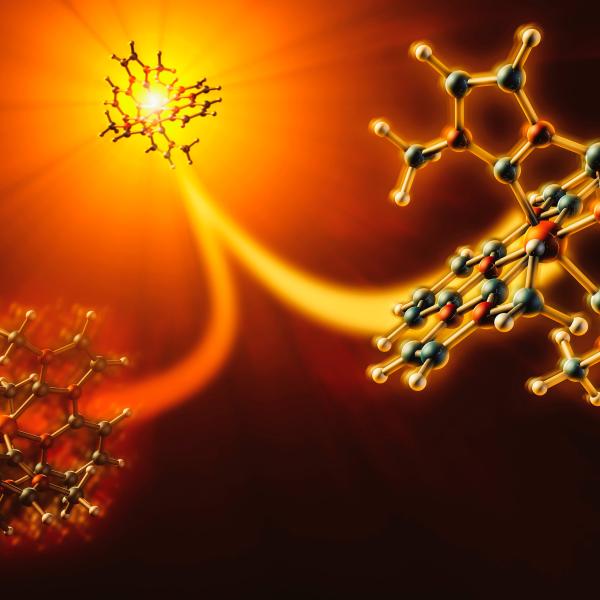
These inexpensive photosensitizers could make solar power and chemical manufacturing more efficient. Experiments at SLAC offer insight into how they work.
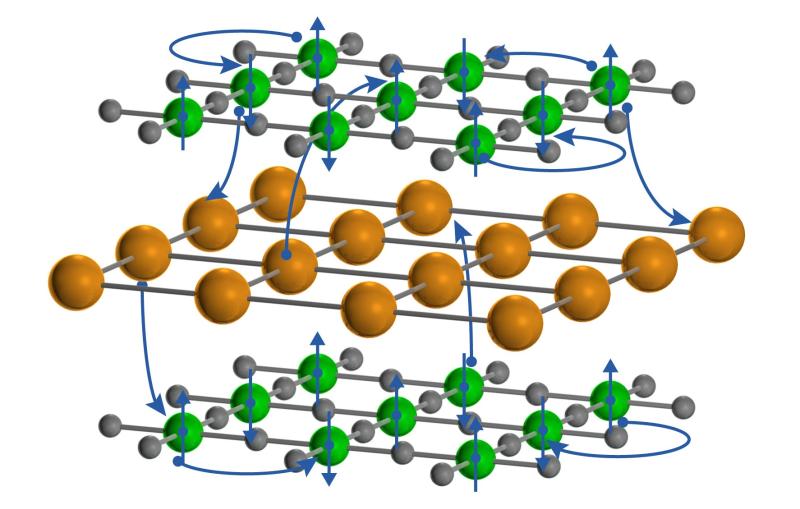
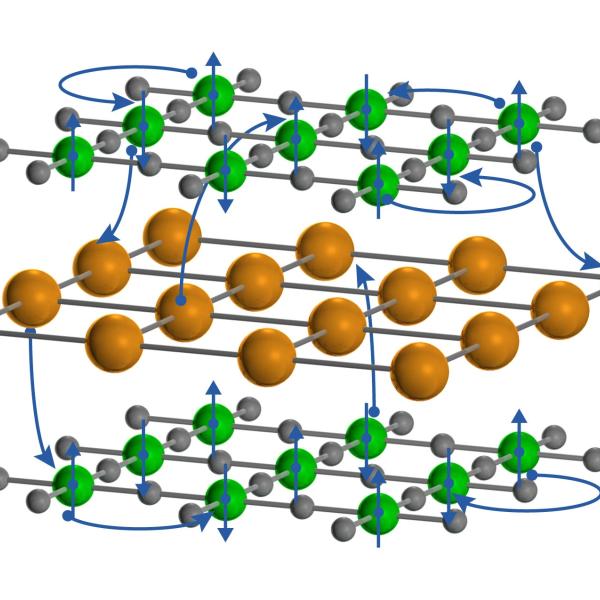
Discovered at SLAC and Stanford, this new class of unconventional superconductors is starting to give up its secrets – including a surprising 3D metallic...
In a new perspective, SLAC and University of Paderborn scientists argue that research at synchrotrons could help improve water-purifying materials in ways that might not otherwise be possible.
They discovered the messy environment of a chemical reaction can actually change the shape of a catalytic nanoparticle in a way that makes it more active.
Understanding nature’s process could inform the next generation of artificial photosynthetic systems that produce clean and renewable energy from sunlight and water.
The 1950s and ‘60s poisoning event was long attributed to methylmercury, but studies at SLAC suggest a different compound was to blame. The findings could reshape toxicologists’ understanding of disease related to mercury poisoning.
These inexpensive photosensitizers could make solar power and chemical manufacturing more efficient. Experiments at SLAC offer insight into how they work.
Discovered at SLAC and Stanford, this new class of unconventional superconductors is starting to give up its secrets – including a surprising 3D metallic state.