SLAC topics

X-ray science RSS feed

X-ray studies at SLAC facilities help scientists understand the fundamental workings of nature by probing matter in atomic detail.

atoms forming a tentative bond
News Release

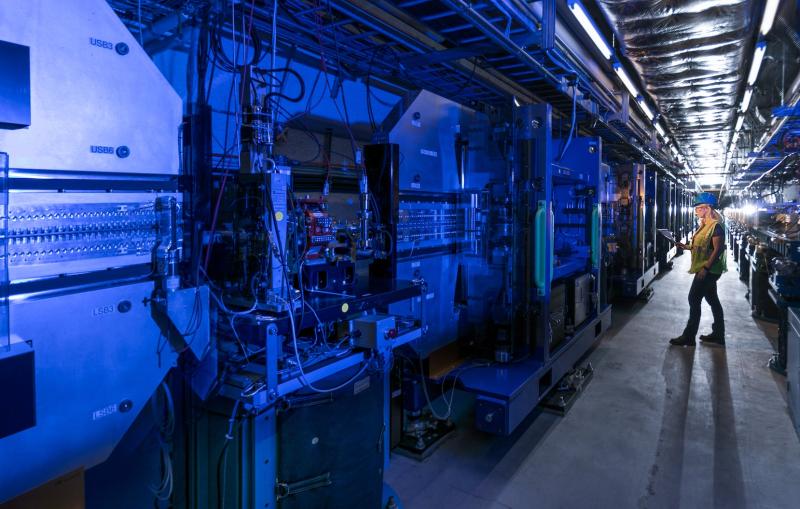
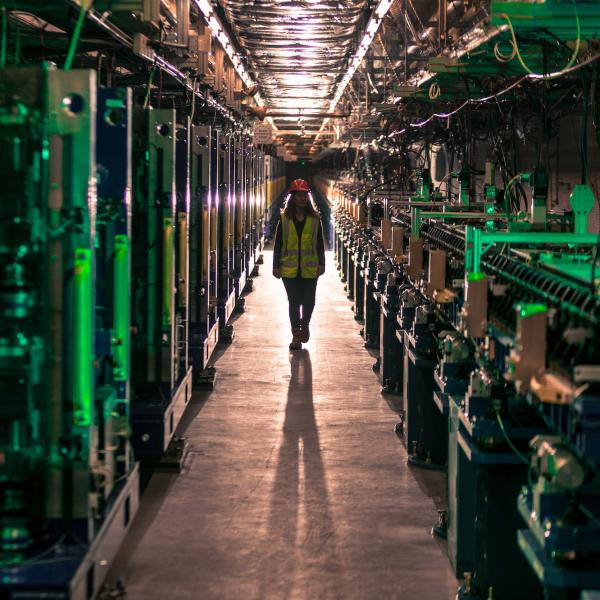
Marking the beginning of the LCLS-II era, the first phase of the major upgrade comes online.

New undulator hall
Feature

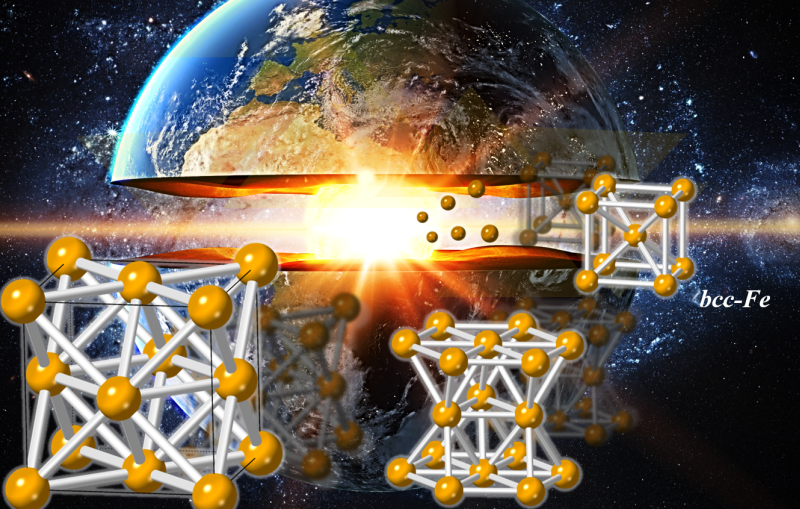
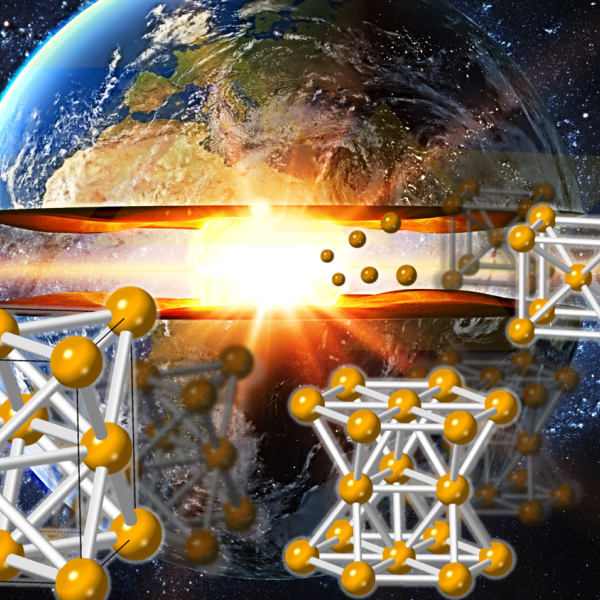
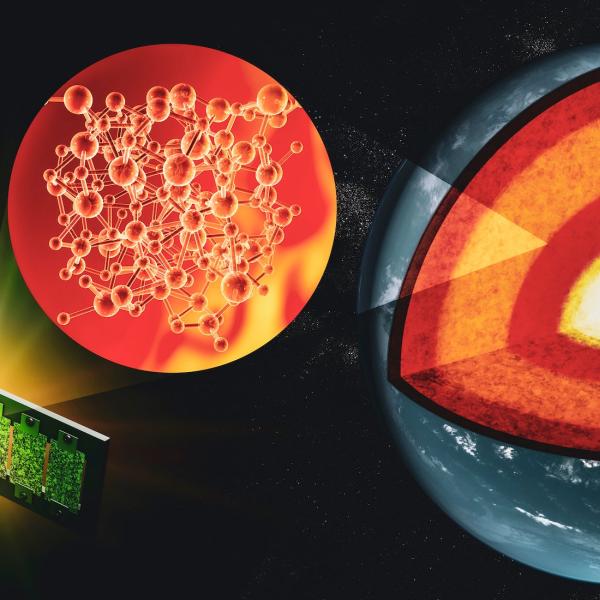
New research could offer insights into the formation of planets like Earth and inform the design of more resilient materials.

Iron impact header
Feature

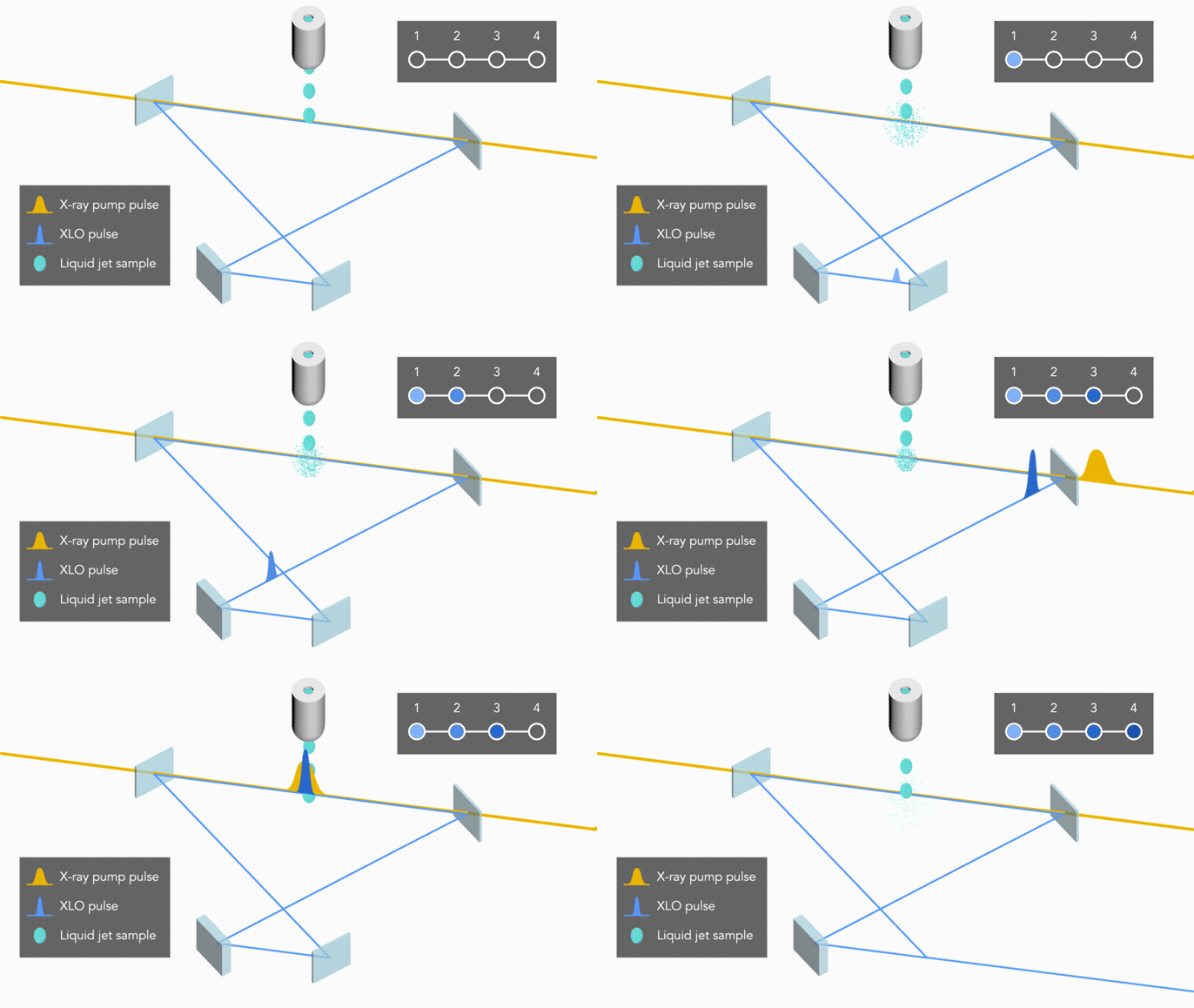
A proposed device could expand the reach of X-ray lasers, opening new experimental avenues in biology, chemistry, materials science and physics.

x-ray laser oscillator
Feature

The prestigious awards provide at least $2.5 million over five years in support of their work in understanding photochemical reactions and improving accelerator beams.

SLAC staff scientists Amy Cordones-Hahn and Brendan O'Shea
Feature

It could offer insights into the evolution of planetary systems and guide scientists hoping to harness nuclear fusion as a new source of energy.

Scattered photons
Feature

Understanding nature’s process could inform the next generation of artificial photosynthetic systems that produce clean and renewable energy from sunlight and water.

How electrons flow in the oxygen-evolving complex of Photosystem II.
Feature

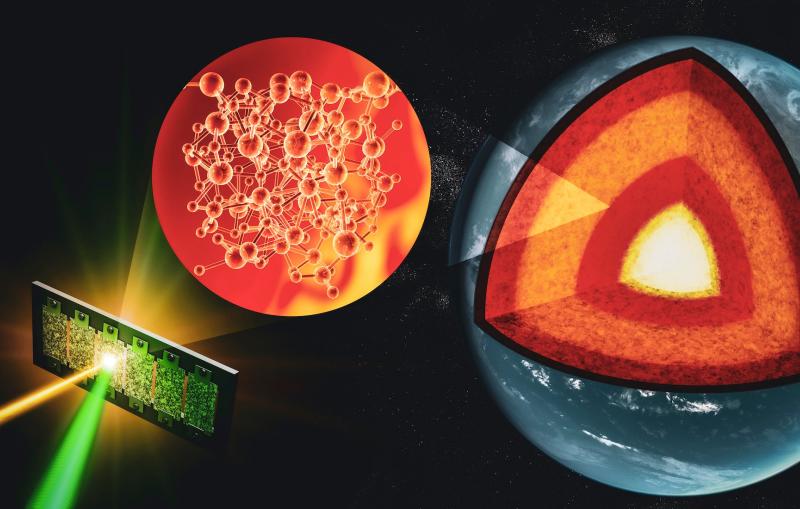
Learning how liquid silicates behave at these extreme temperatures and pressures has been a longstanding challenge in the geosciences.

atomic arrangements of liquid silicates at the extreme conditions found in the core-mantle boundary.
News Brief

New machine learning methods bring insights into how lithium ion batteries degrade, and show it’s more complicated than many thought.

Particles in a nickel-manganese-cobalt cathode are highlighted using a new computer vision algorithm.
Feature

Siegfried Glenzer's team and collaborators from Tel Aviv University are working on a method that could make proton accelerators 100 times smaller without giving...

Glenzer-LaserProtonAcceleration
Feature

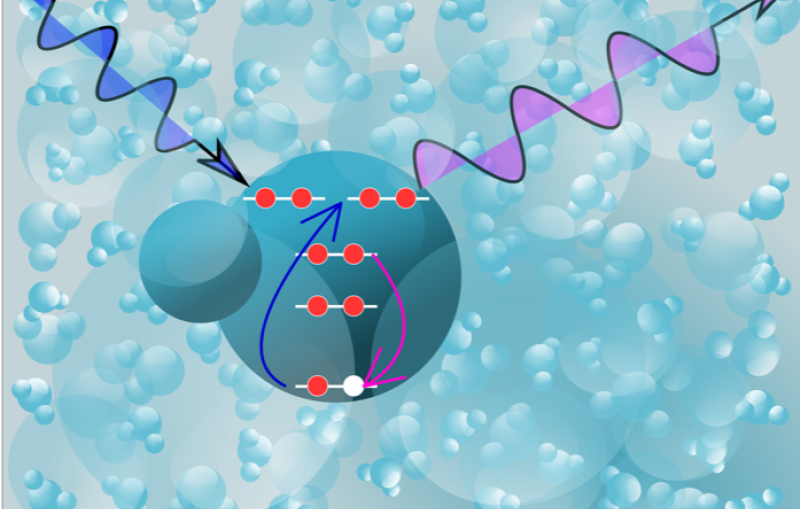
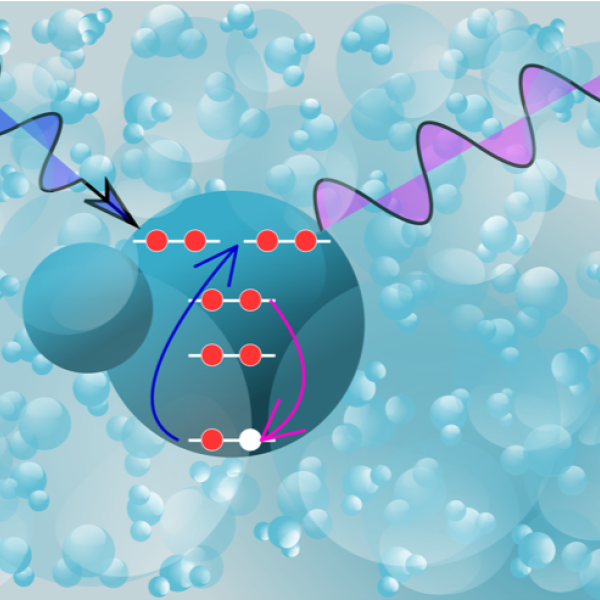
Light-driven reactions are at the heart of human vision, photosynthesis and solar power generation. Seeing the very first step opens the door to observing...

Illustration showing electron orbitals ballooning in response to light
Feature

It combines human knowledge and expertise with the speed and efficiency of “smart” computer algorithms.

Accelerator Control Room
Feature

New research shows that when a bunch of electrons zooms through the middle of a ring-shaped laser beam, the bunch can wind up with...

donut laser