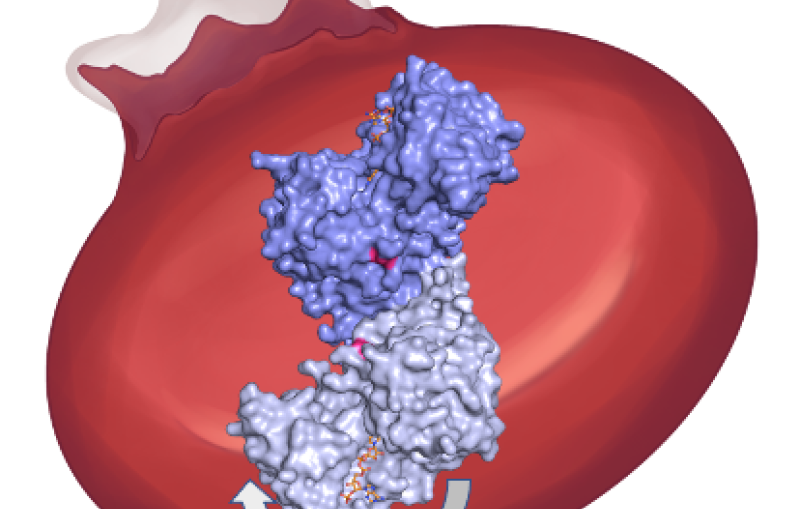
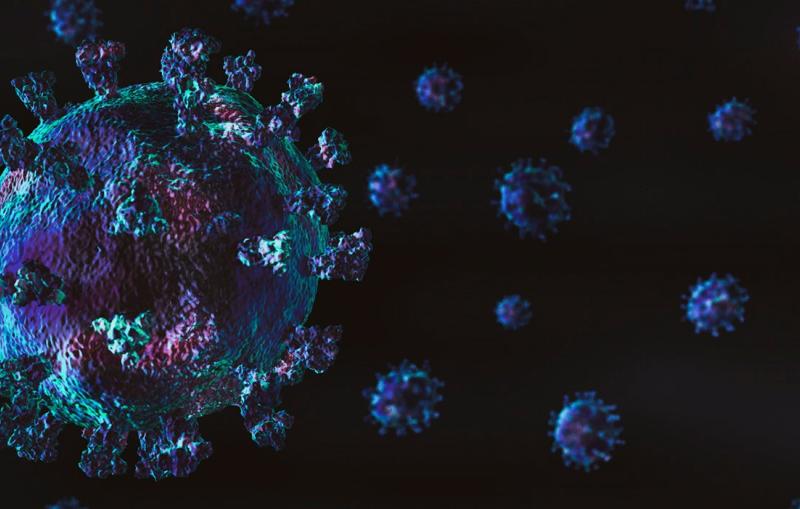
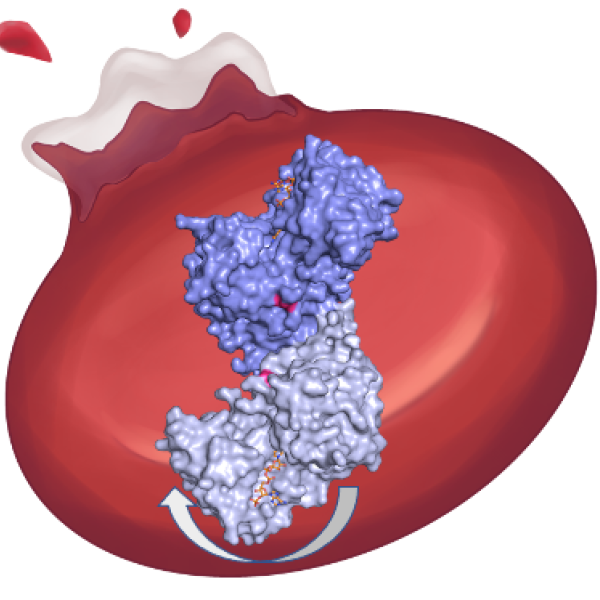
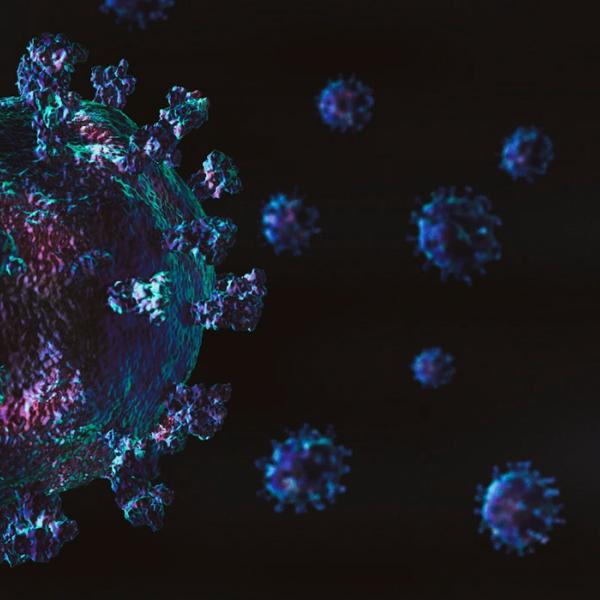
G6PD deficiency affects about 400M people worldwide and can pose serious health risks. Uncovering the causes of the most severe cases could finally lead...
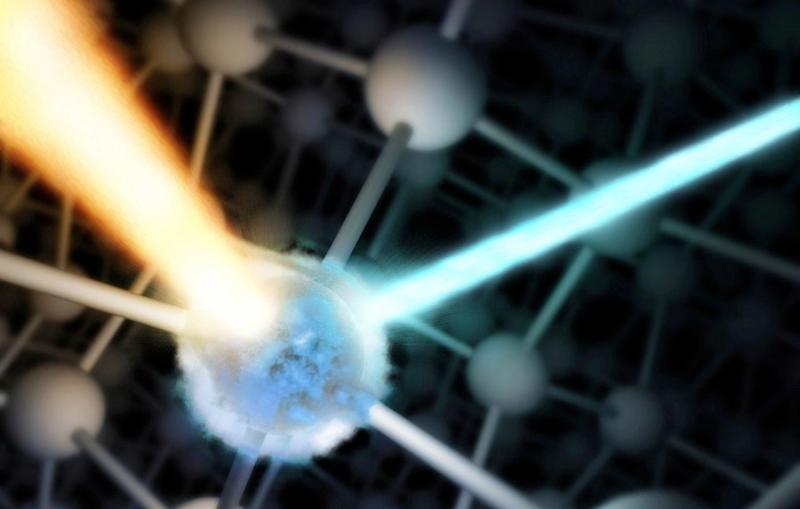
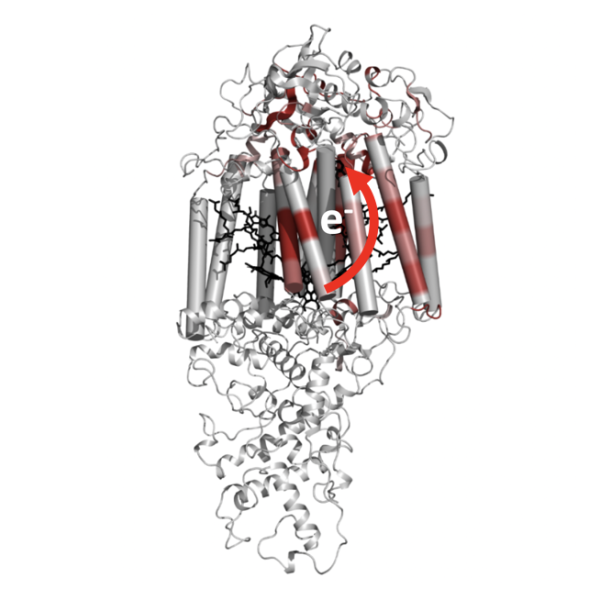
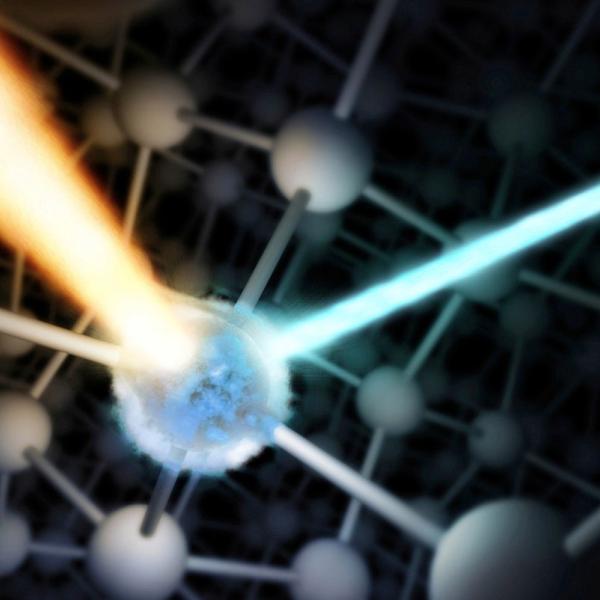
These fleeting disruptions, seen for the first time in lead hybrid perovskites, may help explain why these materials are exceptionally good at turning sunlight...
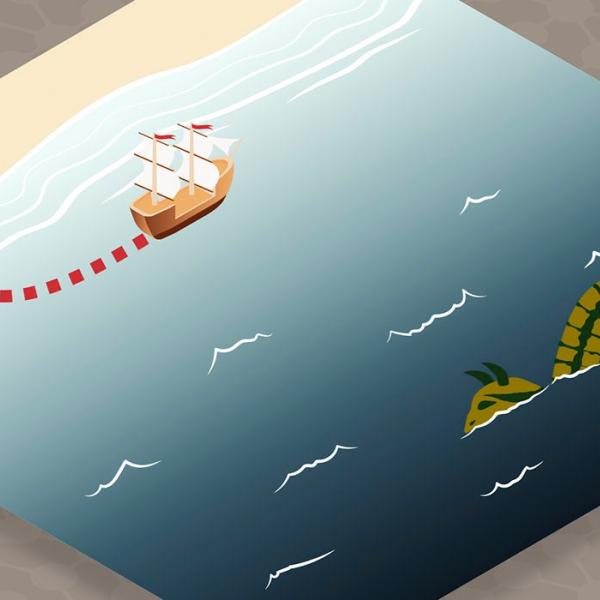
Most new materials are discovered near the proverbial shore. Now, scientists deploy artificial intelligence and high-throughput experimental techniques to search previously uncharted waters to...
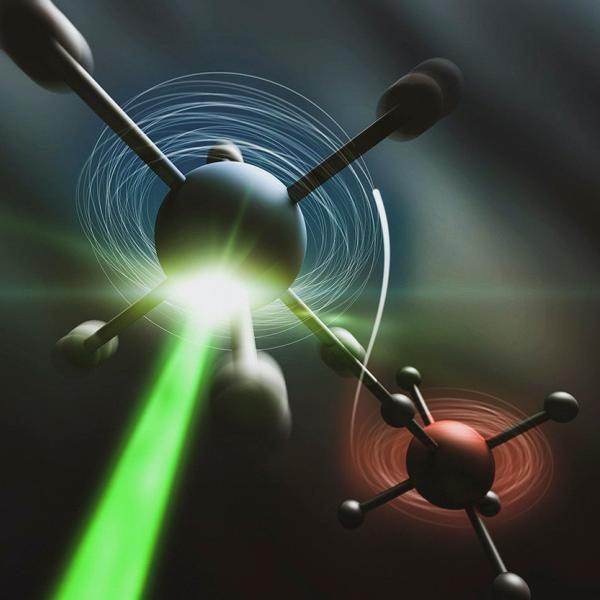
A better understanding of how this happens could help researchers hone future electronic measurements and offer insights into how X-rays interact with matter on...
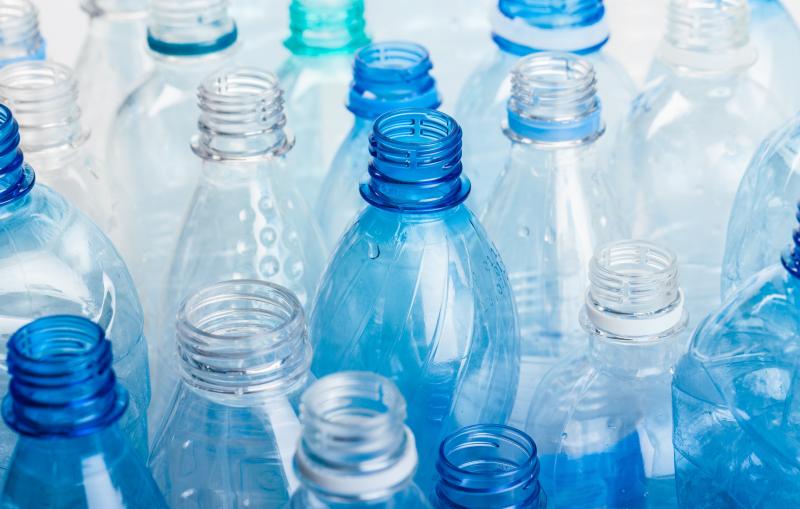
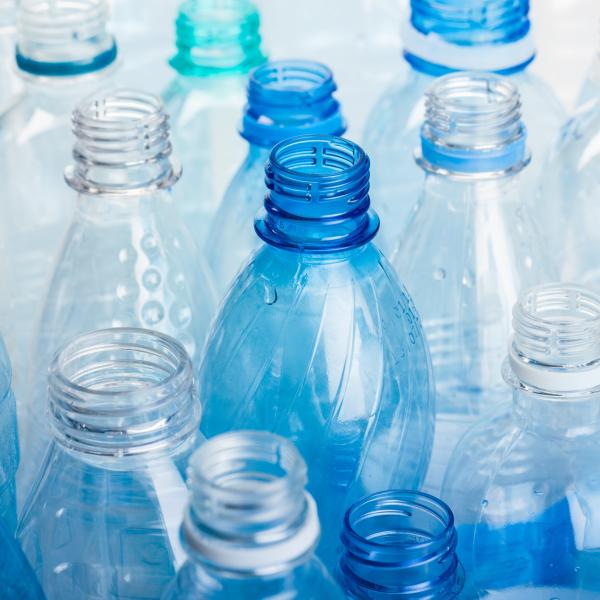
Scientists at the Stanford Synchrotron Radiation Lightsource will study plastics and biologically-motivated processes that break them down in hopes of finding more efficient ways...
G6PD deficiency affects about 400M people worldwide and can pose serious health risks. Uncovering the causes of the most severe cases could finally lead to treatments.
These fleeting disruptions, seen for the first time in lead hybrid perovskites, may help explain why these materials are exceptionally good at turning sunlight into electrical current in solar cells.
The results, which show that ultrafast atomic motions are the first step in forming a magnetic state, could lead to faster and more efficient data storage devices.
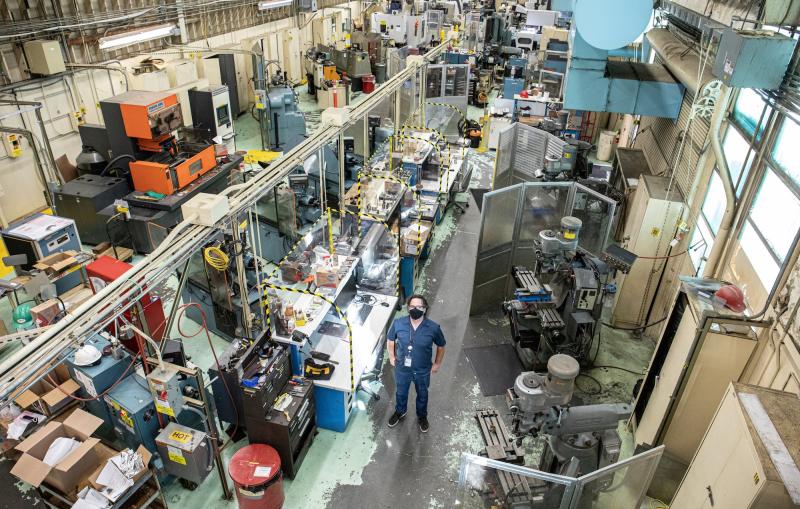
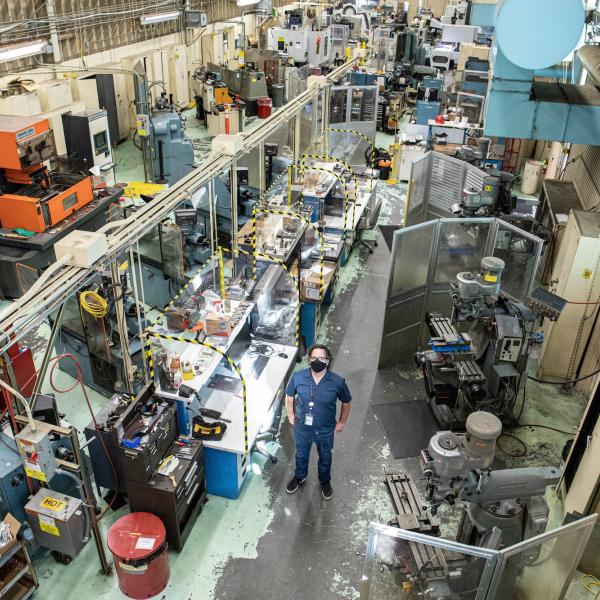
The lab’s X-ray laser recently joined other facilities in making remote science possible from any corner of the world, a trend that will likely continue into the future.
Most new materials are discovered near the proverbial shore. Now, scientists deploy artificial intelligence and high-throughput experimental techniques to search previously uncharted waters to find revolutionary new materials.
A better understanding of how this happens could help researchers hone future electronic measurements and offer insights into how X-rays interact with matter on ultrafast time scales.
Scientists at the Stanford Synchrotron Radiation Lightsource will study plastics and biologically-motivated processes that break them down in hopes of finding more efficient ways to “upcycle” them.