
SLAC topics

X-ray light sources and electron imaging RSS feed

X-ray light sources and electron imaging are advanced techniques used to study the structure and properties of materials. X-ray light sources use high-energy photons to produce X-rays, while electron imaging uses high-energy electrons to produce detailed images of samples. 

Browse tagged content
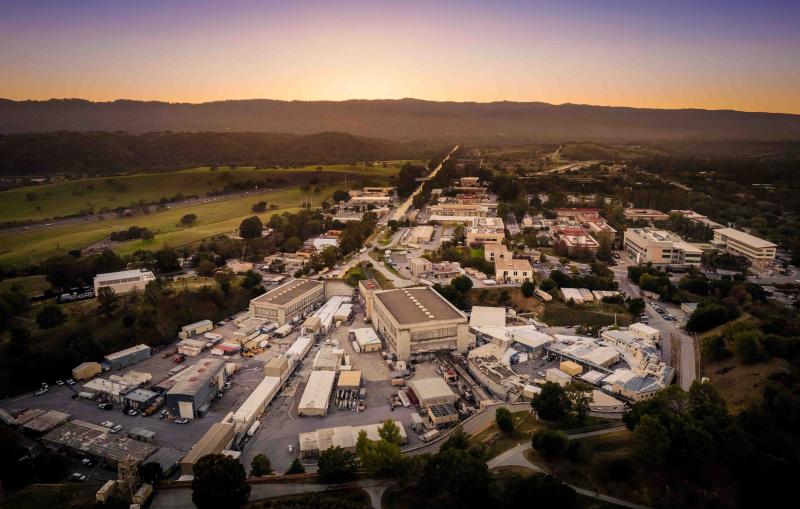
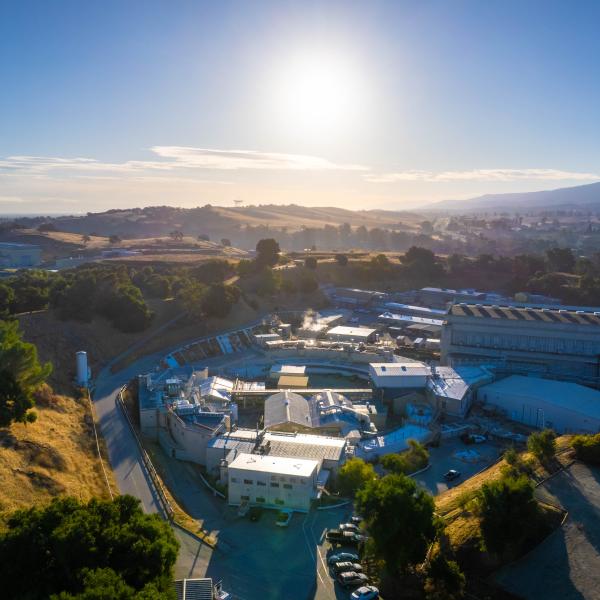
Aerial view of SLAC
Feature

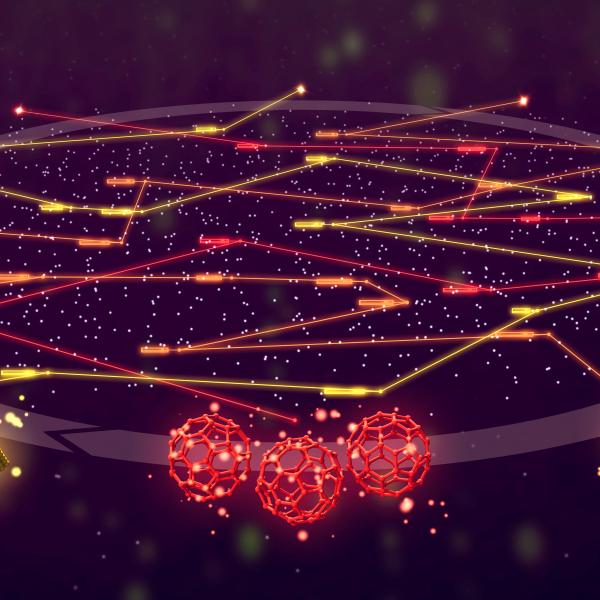
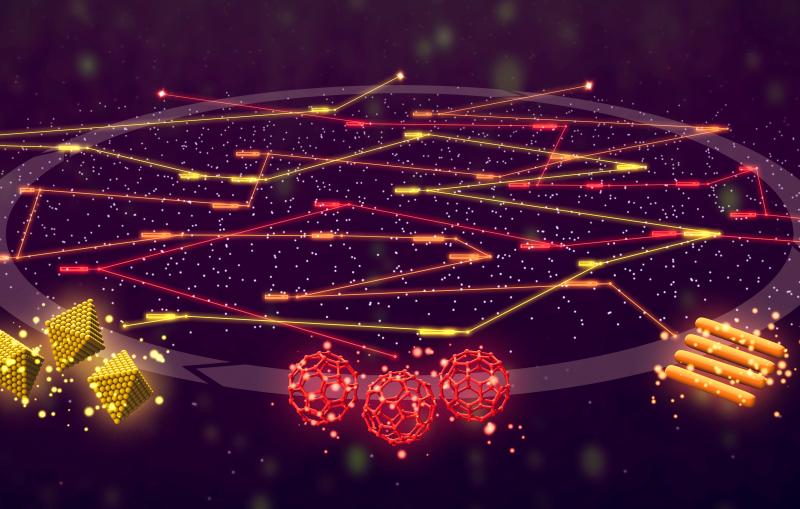
The method could lead to the development of new materials with tailored properties, with potential applications in fields such as climate change, quantum computing...

self driving experiments
News Brief

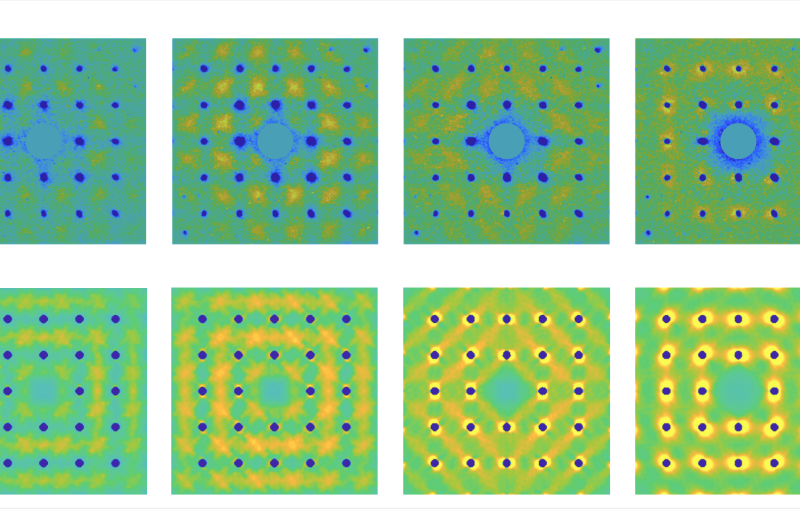
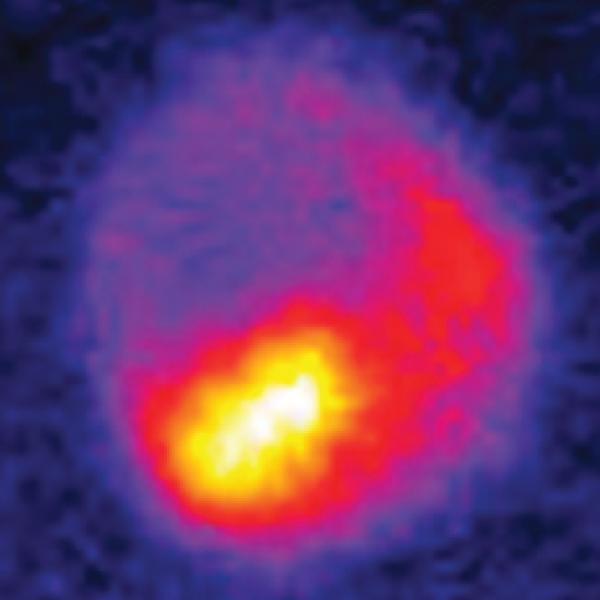
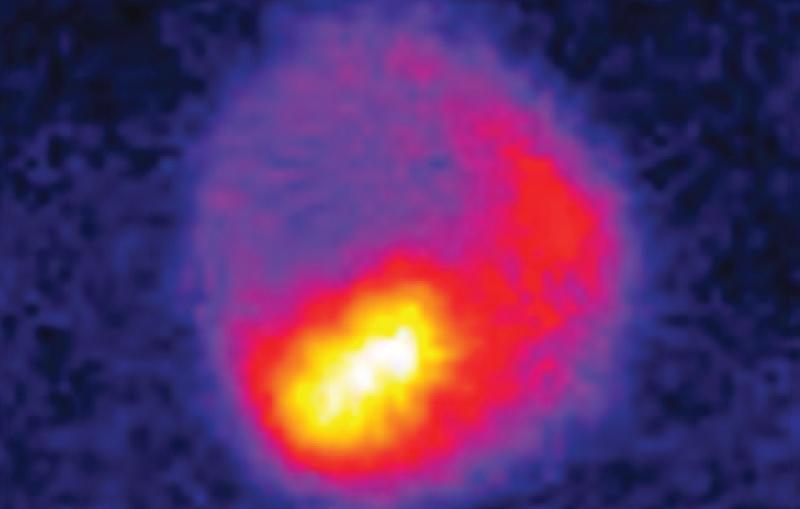
A study reveals an ultrathin material’s ability to circularly polarize light, potentially informing how they work in optoelectronic devices.

Image from SLAC's high-speed electron camera showing circular polarization of terahertz light.
Feature

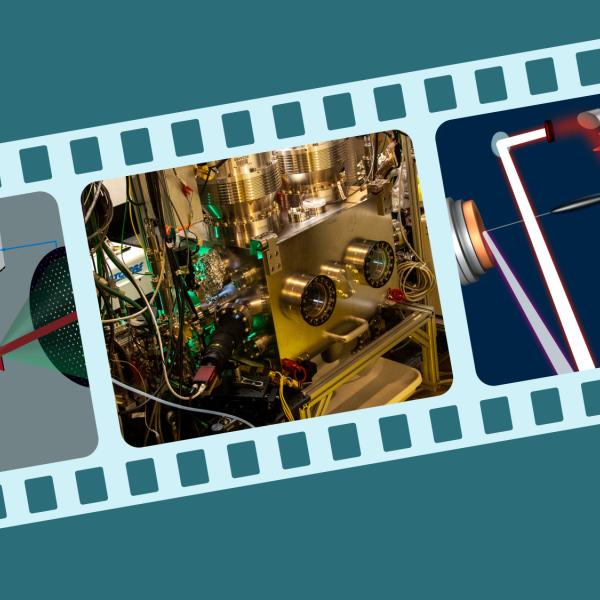
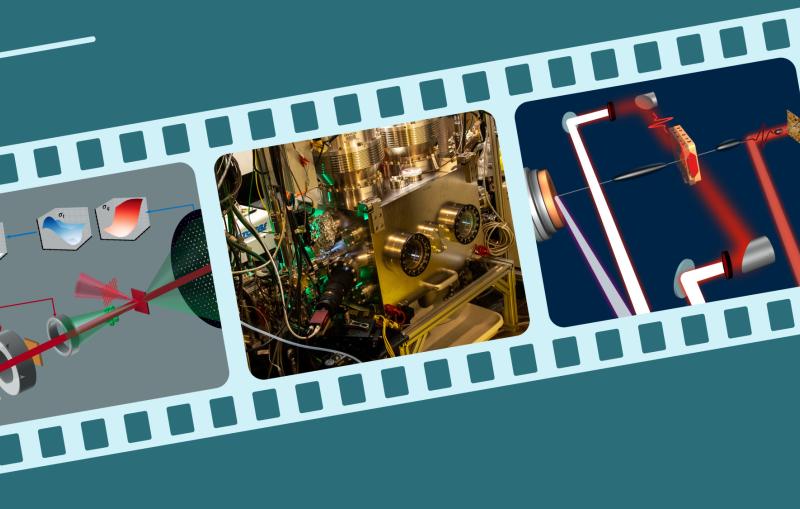
Improvements to the lab’s “electron camera” use AI and “time stamping” to help reveal nature’s speedy processes more accurately. 

Film strip showing images of the MeV-UED, experimental setups and graphics.
Feature

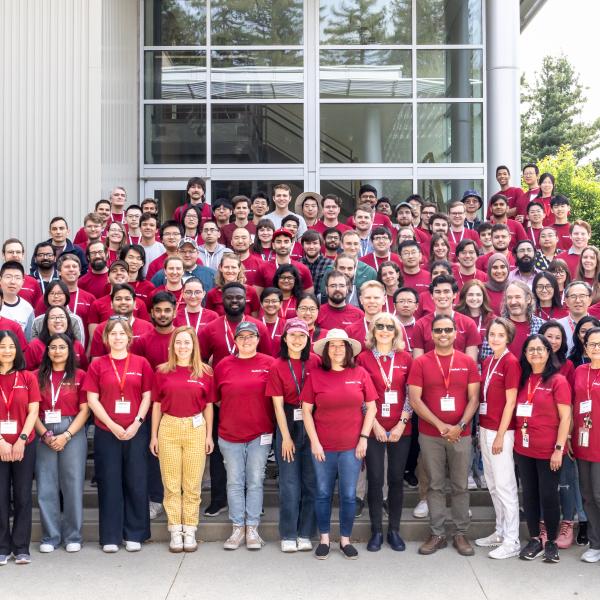
The Ultrafast X-ray Summer School, run by the Stanford PULSE Institute and hosted at SLAC, opens the door for students and postdocs to imagine...

A group photo of people in red tee shirts.
Feature

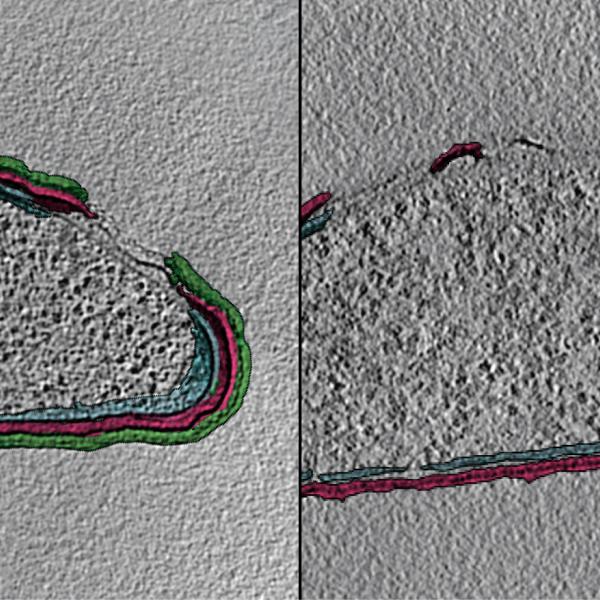
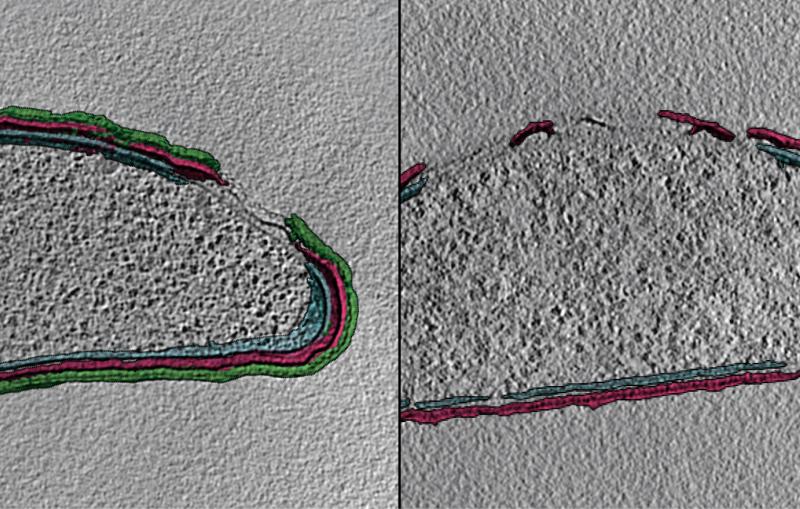
Researchers figured out how to spray and freeze a cell sample in its natural state in milliseconds, helping them capture basic biological processes in...

These are two images of the same cell at different times during an experiment.
Feature

Supported by SLAC's catalysis group Co-ACCESS, researchers discover new ways to boost the performance of catalysts that turn carbon dioxide into methanol. 

Aerial photo of SSRL
Feature

Researchers developed new methods that produce intense attosecond pulses and pulse pairs to gain insights into the fastest motions inside atoms and molecules. It...

attosecond pulses
News Brief

Devereaux was honored for contributions to materials science and was among seven Stanford-affiliated researchers named AAAS Fellows this year.

Thomas Devereaux
Feature

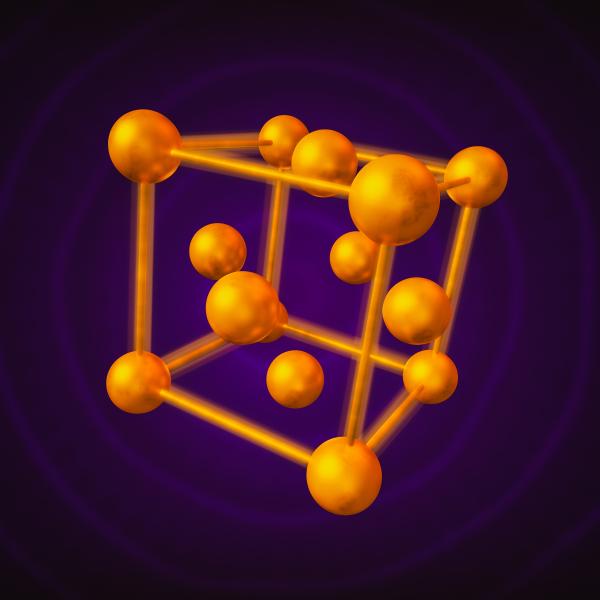
Researchers have uncovered new insights about tungsten's ability to conduct heat, which could lead to materials advancements for fusion reactor and aerospace technologies.

tungsten
Feature

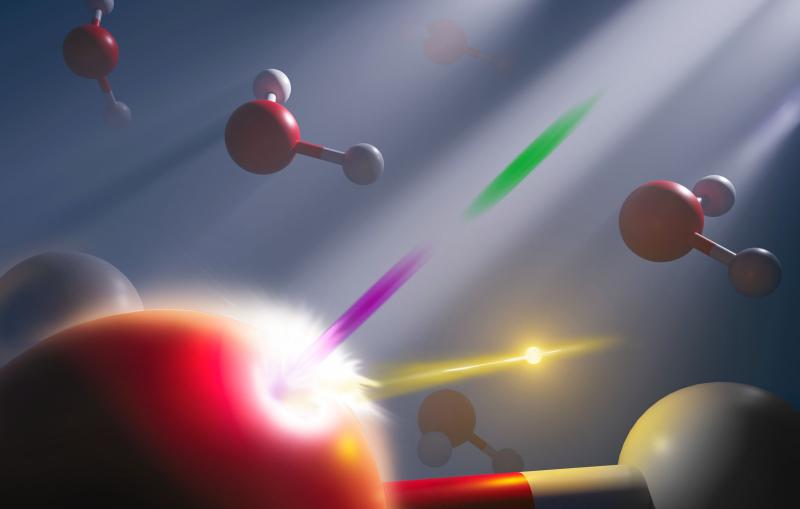
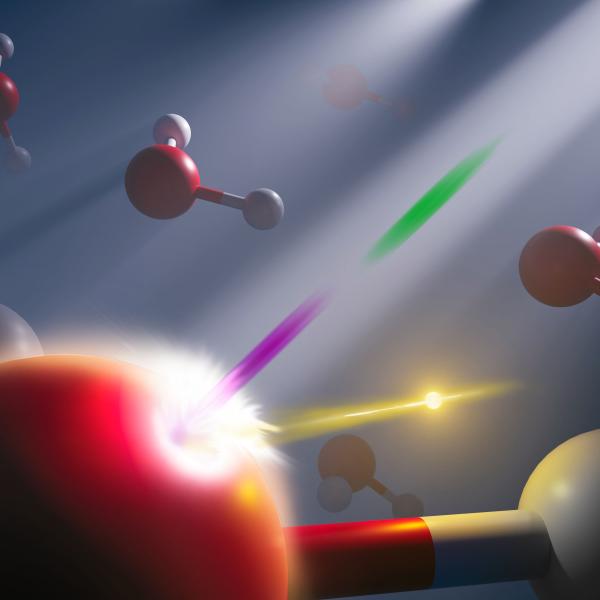
Scientists report the first look at electrons moving in real-time in liquid water; findings open up a whole new field of experimental physics

IDREAM
Feature

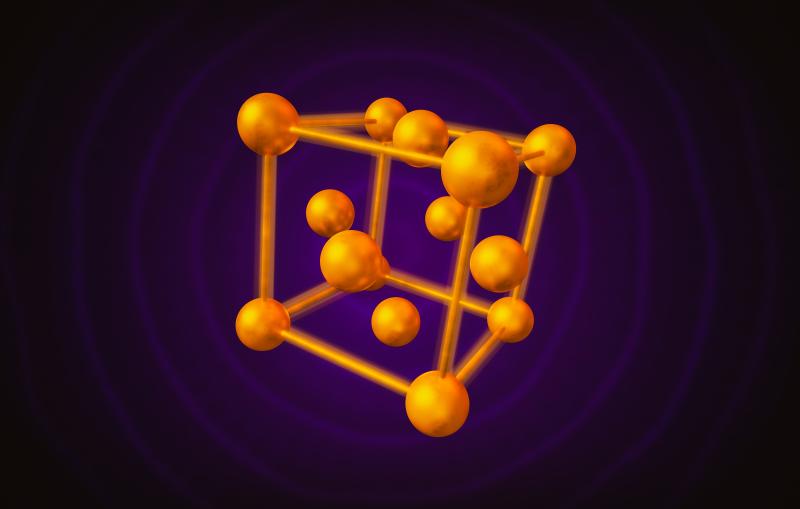
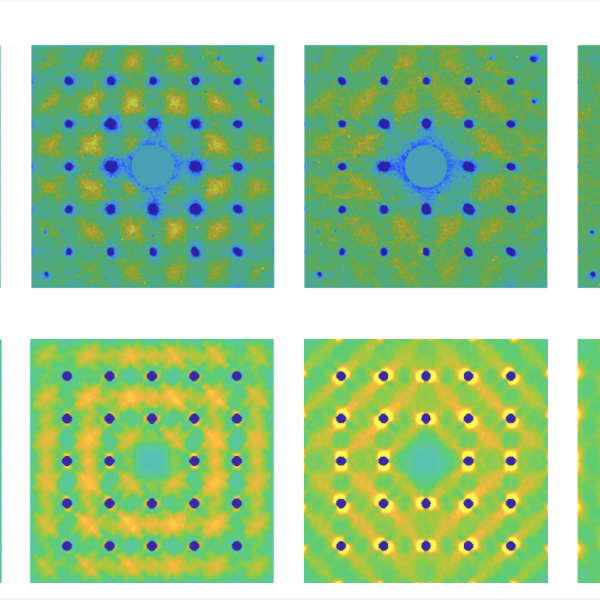
The research could lead to a better understanding of how metals behave under extreme conditions, which will aid in the development of more resilient...

phonon hardening
Feature

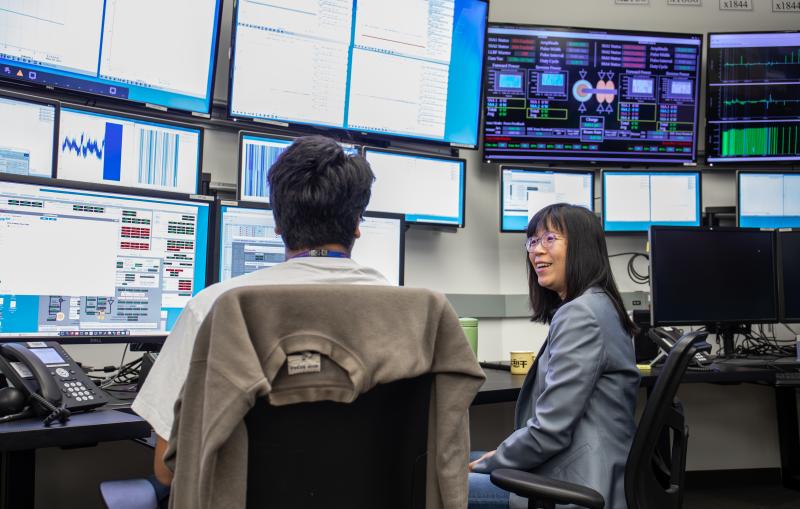
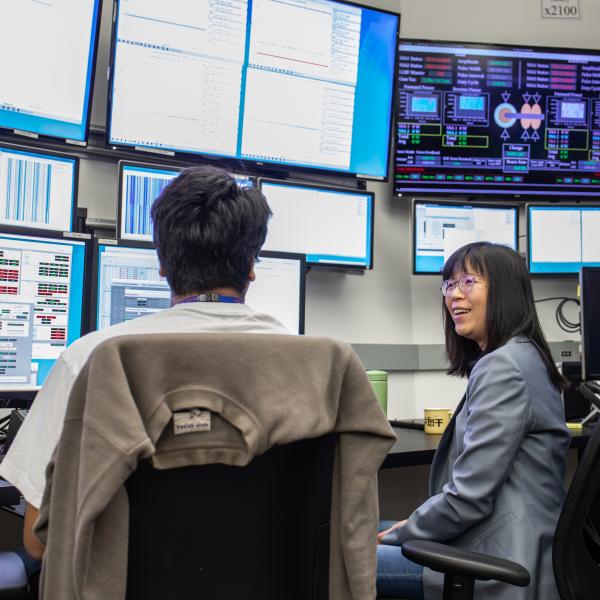
Wan-Lin Hu’s job is to improve the way people and artificial intelligence collaborate to run SLAC’s complex machines.

Wan-Lin Hu is seen talking with talks with accelerator systems operator Kabir Lubana in the lab’s main Accelerator Control Room.