



SLAC topics

X-ray light sources and electron imaging RSS feed

X-ray light sources and electron imaging are advanced techniques used to study the structure and properties of materials. X-ray light sources use high-energy photons to produce X-rays, while electron imaging uses high-energy electrons to produce detailed images of samples. 
Browse tagged content

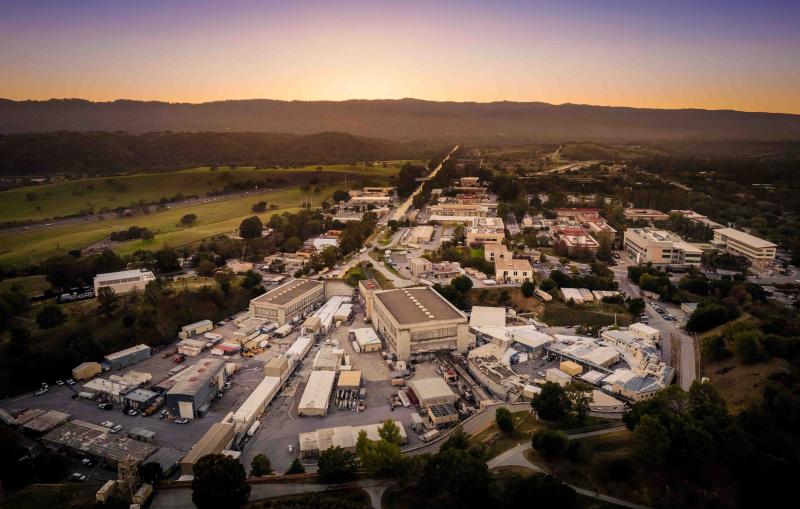
Aerial view of SLAC
News Release

The high-energy upgrade will keep the U.S. at the forefront of X-ray science and technology, allowing researchers to advance fields such as sustainability, human...

LCLS-II-HE
Feature

Tanner works on self-assembling nanocrystals, which could be the basis for less expensive, easier to build displays and solar cells.

Christian Tanner
Feature

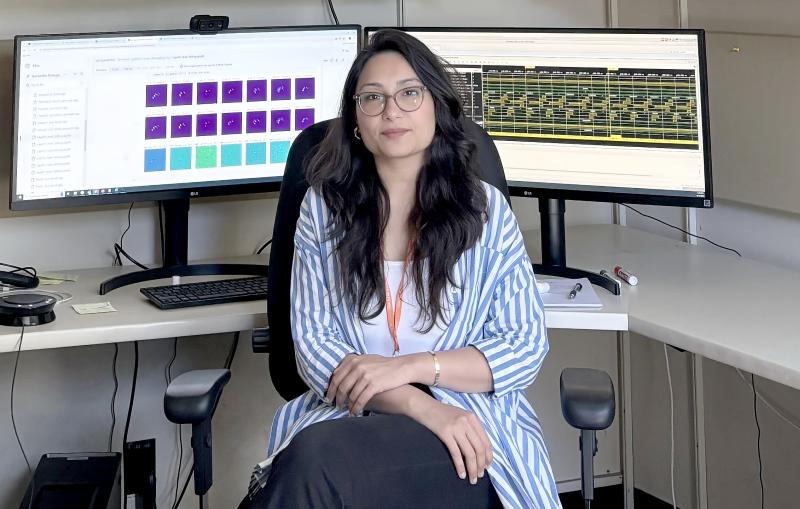
Digital design engineer Abhilasha Dave’s passion for connecting machine learning and hardware is helping SLAC solve big data challenges.

Photo of Abhilasha Dave in her office
Feature

Alimohamadi is being recognized for her novel integration of theoretical and experimental results to connect diverse health outcomes with cell membrane behavior.

Haleh Alimohamadi
Feature

David Cesar, Julia Gonski and W.L. Kimmy Wu will each receive $2.75 million issued over five years for their research in X-ray and ultrafast...

Early Career Award Winners 2024
Feature

The Center for Energy Efficient Magnonics (CEEMag) brings together a multidisciplinary group of researchers from SLAC and seven universities

Spin wave-based interconnect illustration
News Brief

The results, which show how the protein adds nucleotides to the growing RNA chain, could lead to more effective medications.

Calero_group
News Brief

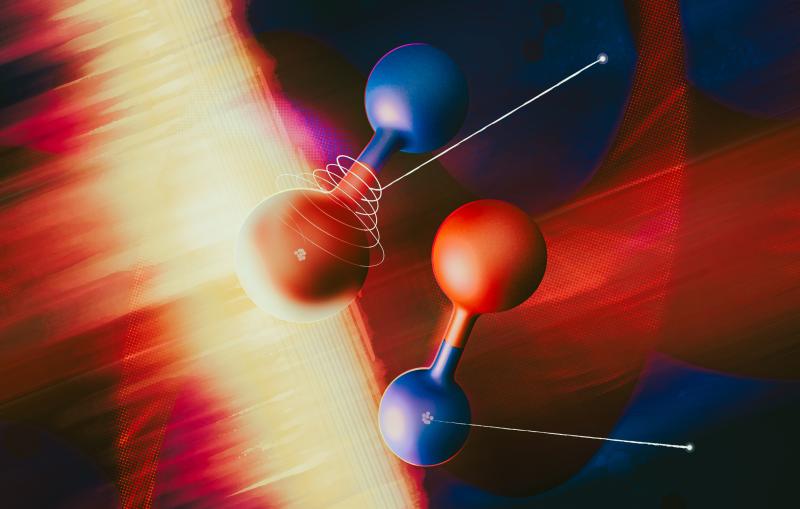
Their method provides a new tool to study electron-electron interactions, which are fundamental to many technologies, including semiconductors and solar cells.

photoelectric effect
Feature

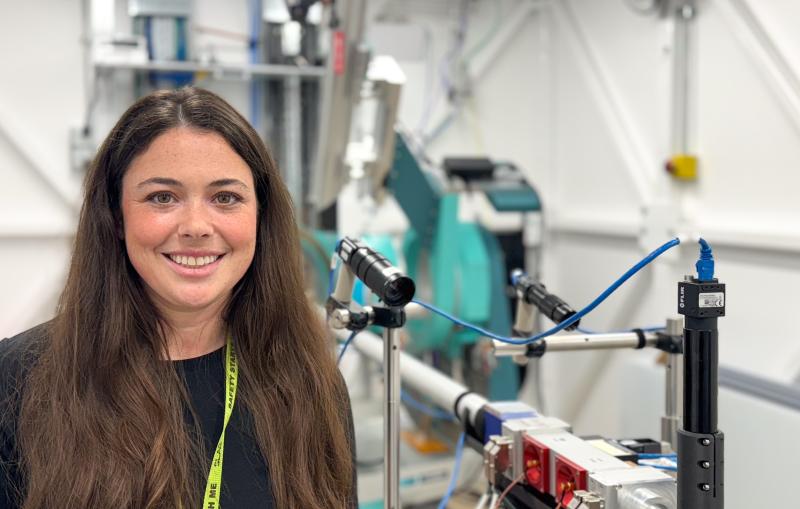
A materials chemist and SLAC associate scientist, Preefer is excited about the synergies being sparked at the SLAC-Stanford Battery Center. 

Headshot Molleigh Preefer at SSRL
News Brief

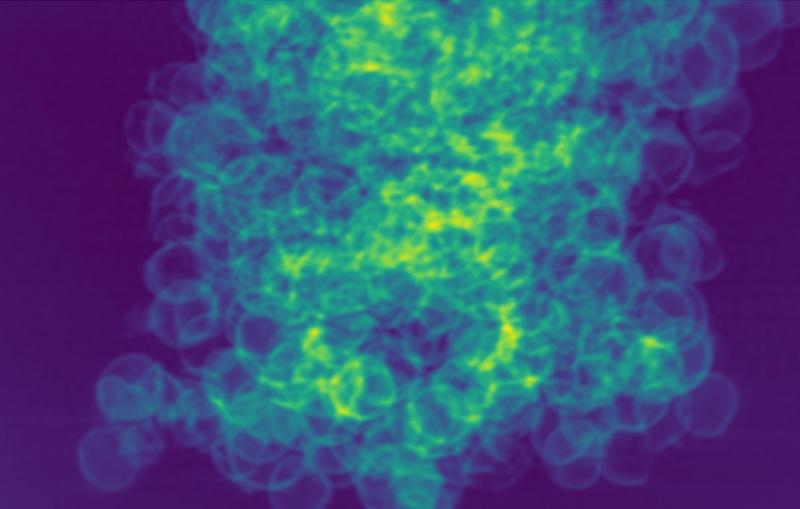
An X-ray imaging technique revealed that copper nanofoams used in inertial fusion experiments aren't as uniform as expected.

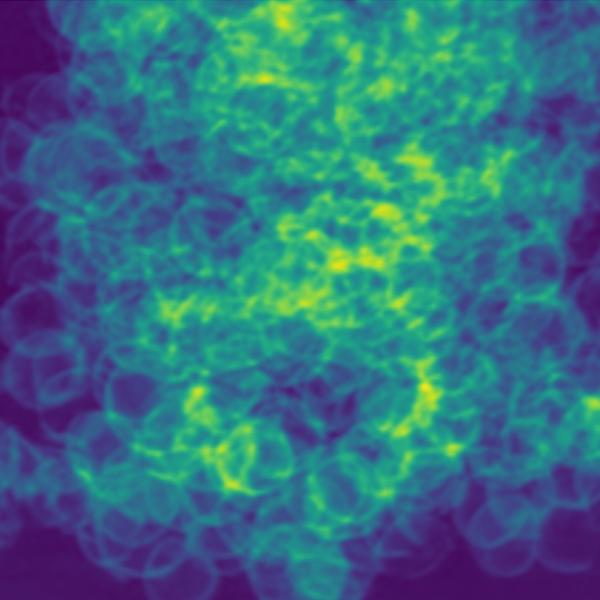
Green blobs on a blue background.
Feature

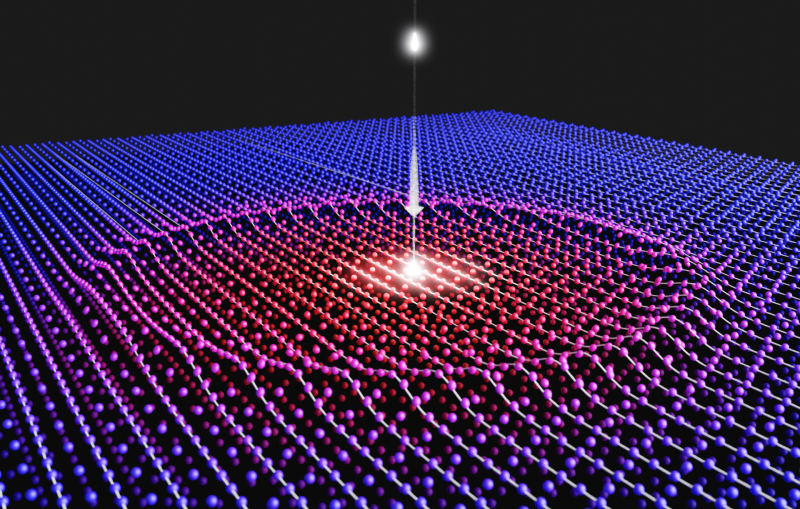
Scientists demonstrated a materials characterization technique can be successful at a new type of facility, and they used it at LCLS to discover a...

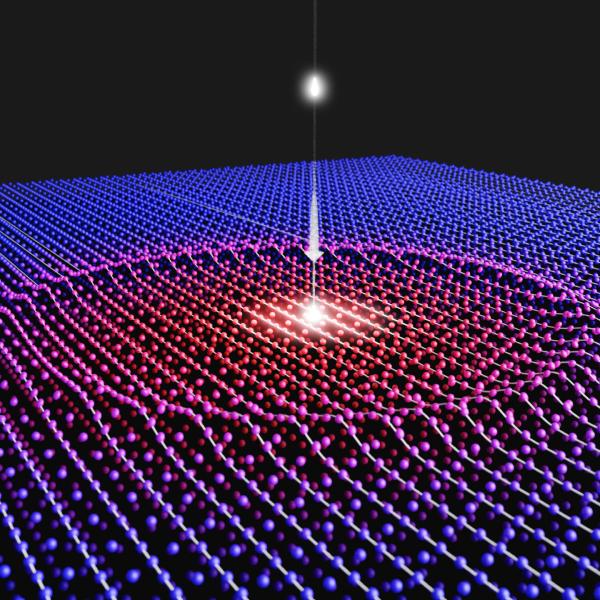
A small bright ball falls on a purple grid, creating a wave.
News Brief

Wheat and other sources of gluten can spell trouble for people with the disease, but new findings could aid the development of first-ever drugs...

Close up of wheat in a field.