

SLAC topics

X-ray light sources and electron imaging RSS feed

X-ray light sources and electron imaging are advanced techniques used to study the structure and properties of materials. X-ray light sources use high-energy photons to produce X-rays, while electron imaging uses high-energy electrons to produce detailed images of samples. 

Browse tagged content

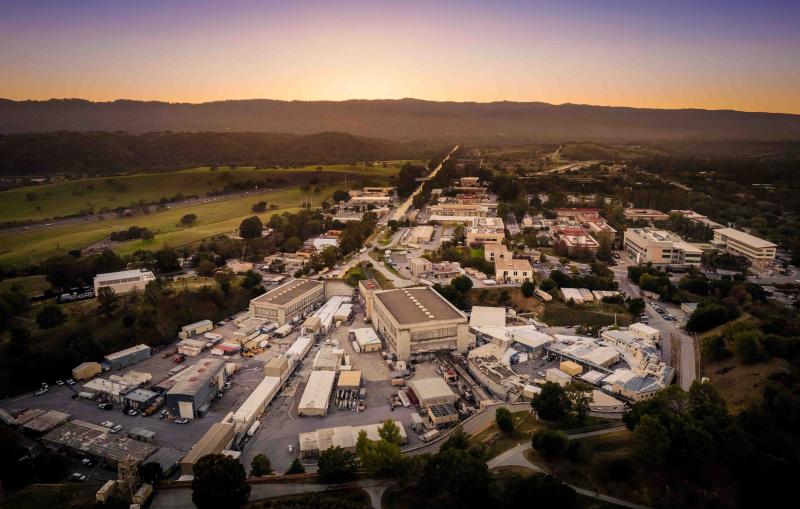
Aerial view of SLAC
Feature

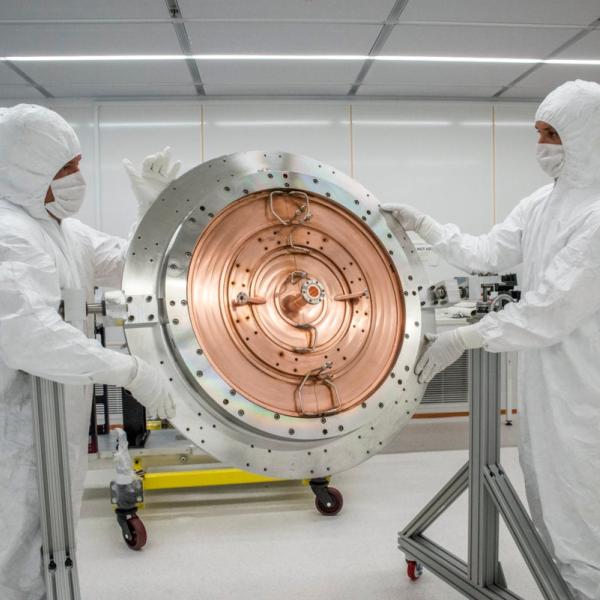
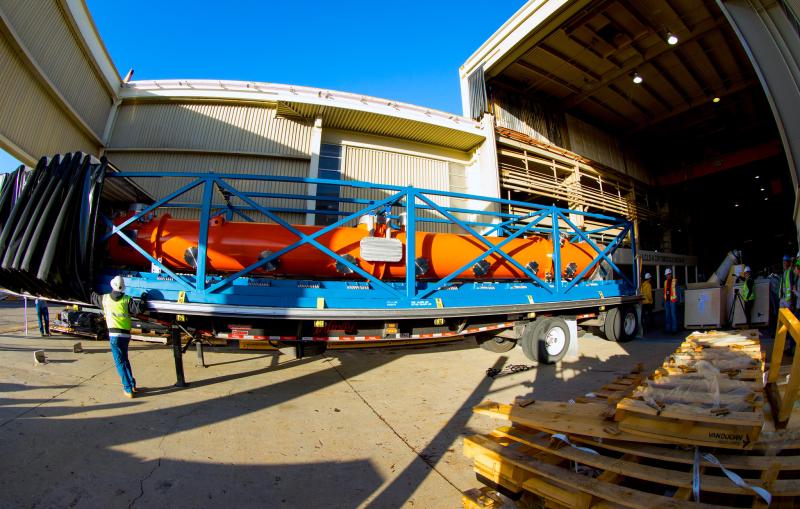
The 40-foot-long segment of the new superconducting accelerator arrived on January 19, 2018 after a cross-country trip from Fermilab.

News Release

The first cryomodule has arrived at SLAC. Linked together and chilled to nearly absolute zero, 37 of these segments will accelerate electrons to almost...

A worker unveiling a cryomodule on a truck.
Feature

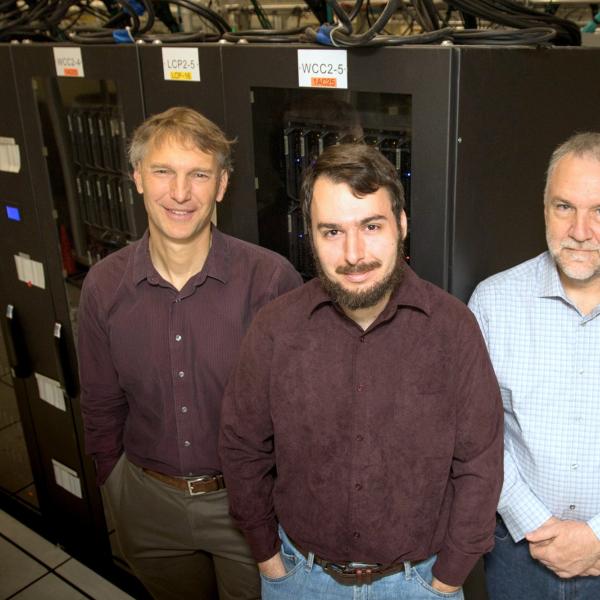
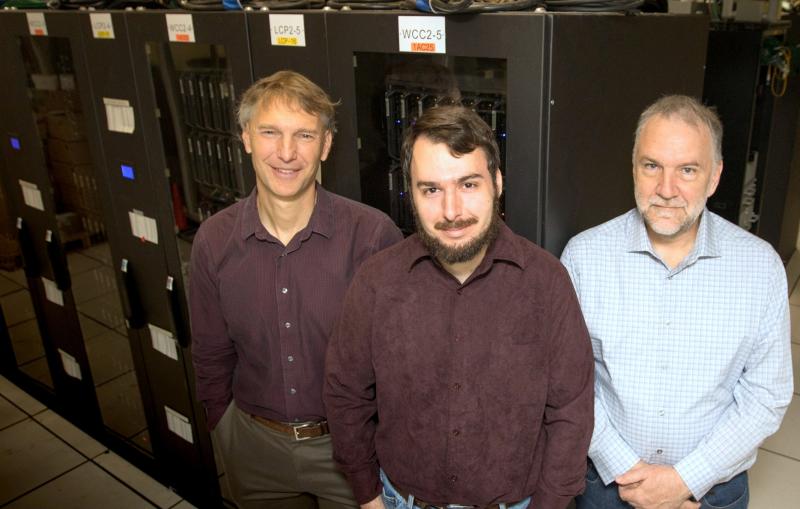
As members of the lab’s Computer Science Division, they develop the tools needed to handle ginormous data volumes produced by the next generation of...

SLAC Computer Science Team
Feature

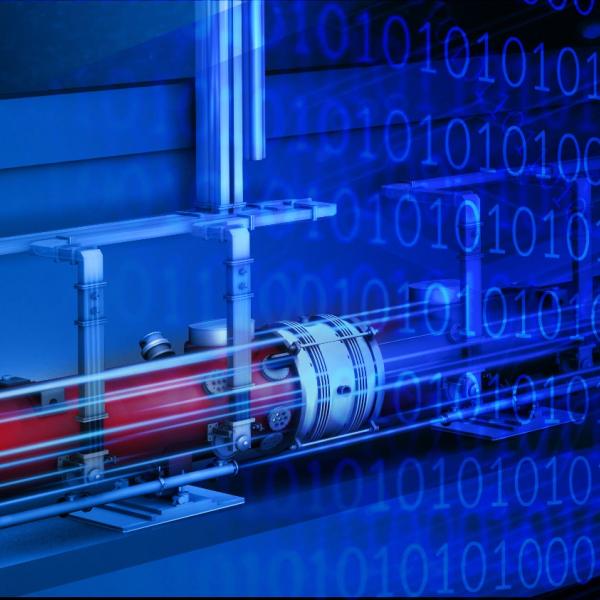
Innovations at SLAC, including the world’s shortest X-ray flashes, ultra-high-speed pulse trains and smart computer controls, promise to take ultrafast X-ray science to a...

Accelerators and Machine Learning
News Release

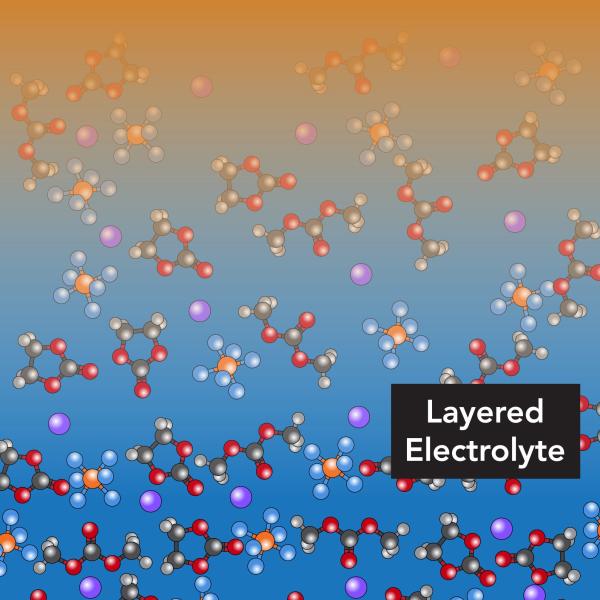
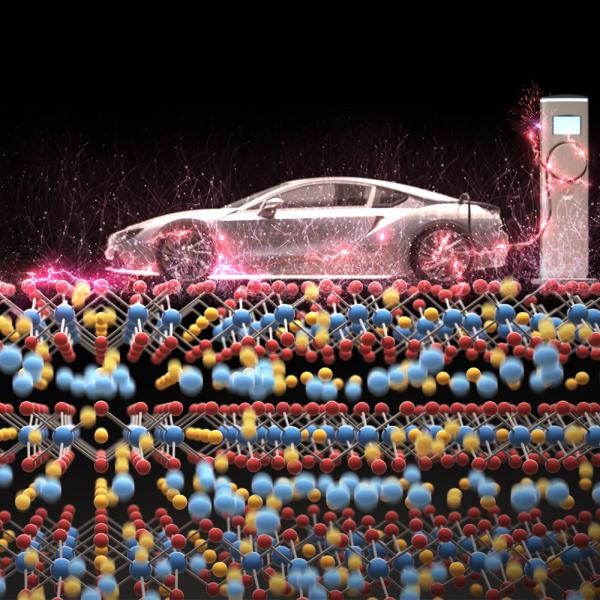
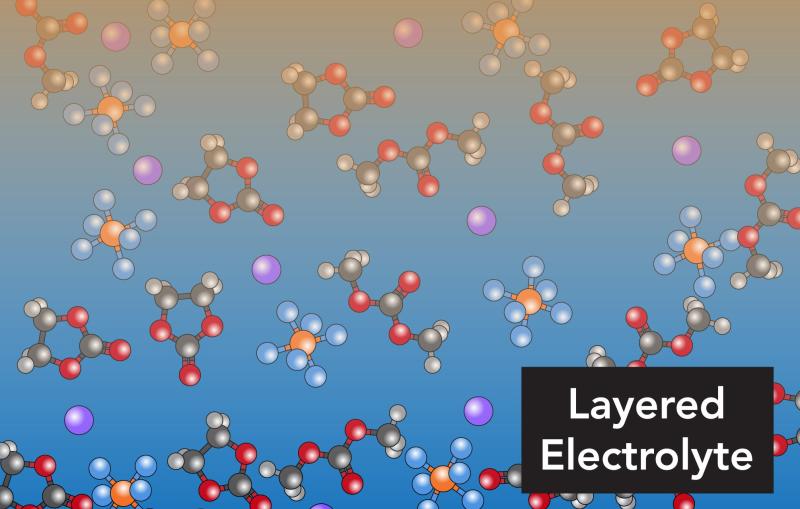
They created a comprehensive picture of how the same chemical processes that give these cathodes their high capacity are also linked to changes in...

Electrode structure for lithium ion battery.
Photograph
SLAC associate staff scientist Thomas Joseph Lane at the Coherent X-Ray Imaging (CXI) instrument at the Linac Coherent Light Source...
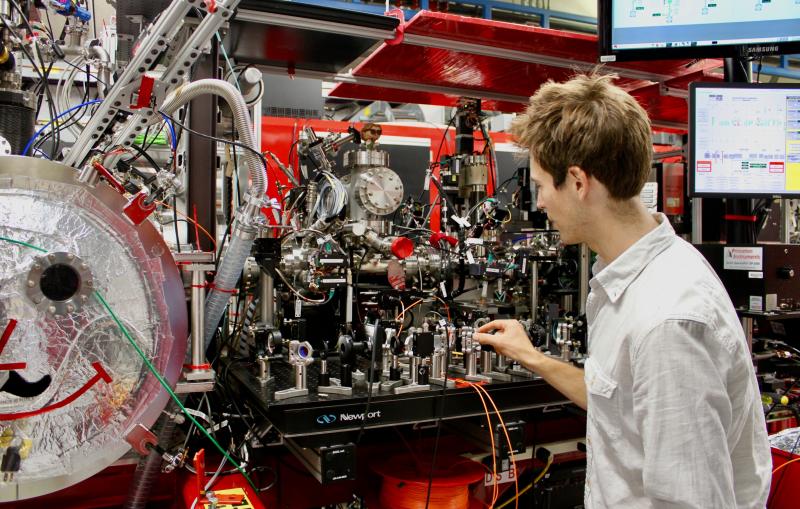
SLAC associate staff scientist Thomas Joseph Lane at the Coherent X-Ray Imaging instrument
Feature

Biochemical 'action shots' with SLAC’s X-ray laser could help scientists develop synthetic enzymes for medicine and answer fundamental questions about how enzymes change during...

SLAC associate staff scientist Thomas Joseph Lane at the Coherent X-Ray Imaging instrument
Feature

In experiments with the lab’s ultrafast "electron camera," laser light hitting a material is almost completely converted into nuclear vibrations, which are key to...

UED Molybdenum Diselenide
Feature

Research with SLAC’s X-ray laser simulates what happens when a meteor hits Earth’s crust. The results suggest that scientists studying impact sites have been...

Feature

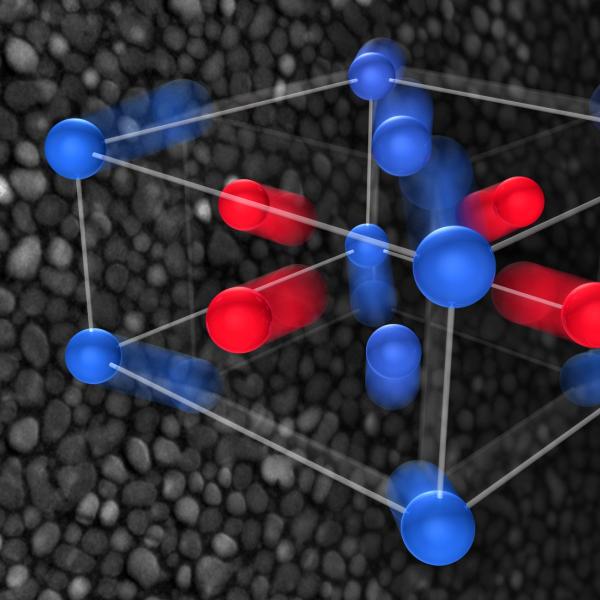
A new way to observe this deformation as it happens can help study a wide range of phenomena, from meteor impacts to high-performance ceramics...

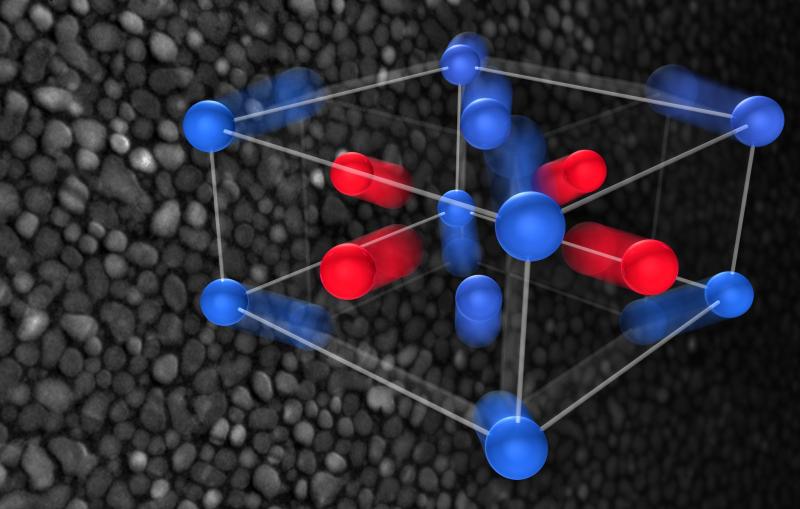
Image depicting an experiment at LCLS that shocks a tantalum sample
Feature

Effort to improve the next generation of gravitational wave detectors includes atomic studies of new and better coatings for LIGO’s mirrors at SSRL.

Feature

He is recognized for his numerous contributions to the advancement of accelerator physics, community service and education.

Alexander Chao