SLAC topics

X-ray light sources and electron imaging RSS feed

X-ray light sources and electron imaging are advanced techniques used to study the structure and properties of materials. X-ray light sources use high-energy photons to produce X-rays, while electron imaging uses high-energy electrons to produce detailed images of samples. 

Browse tagged content
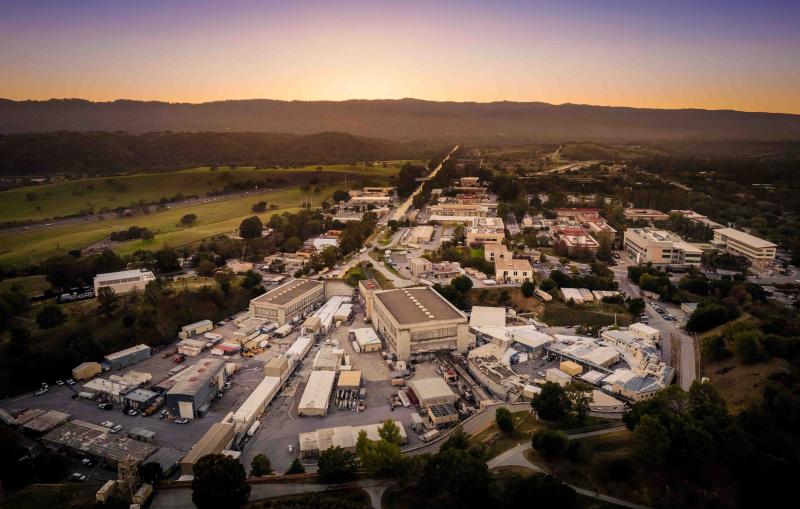
Aerial view of SLAC
Feature

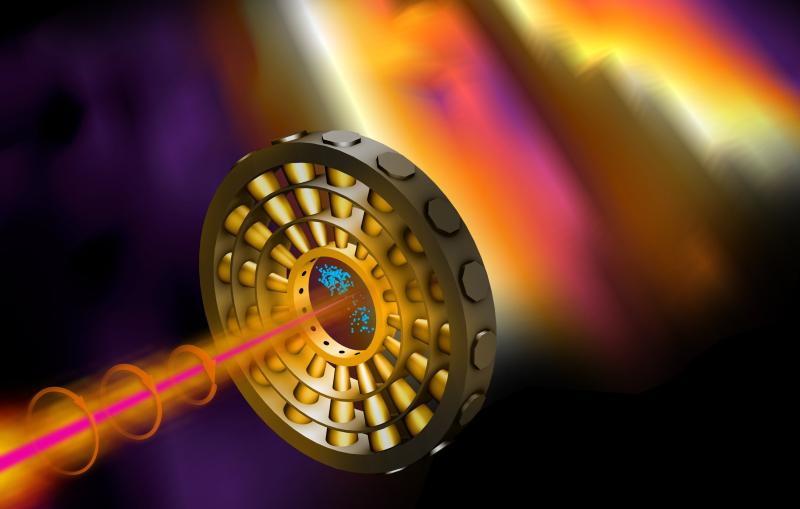
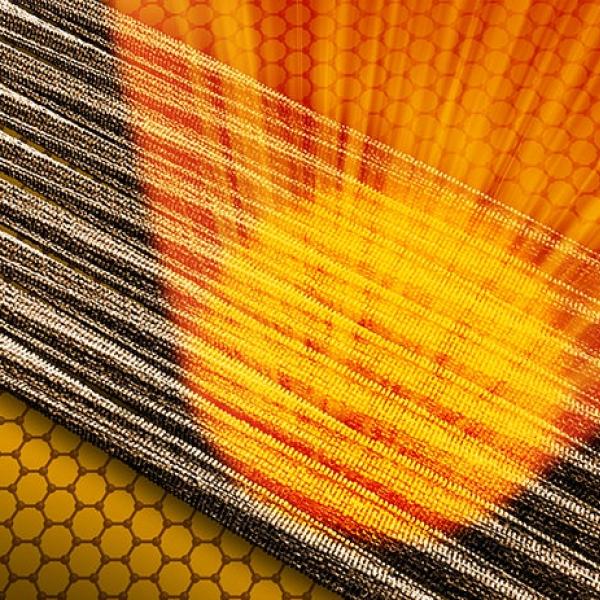
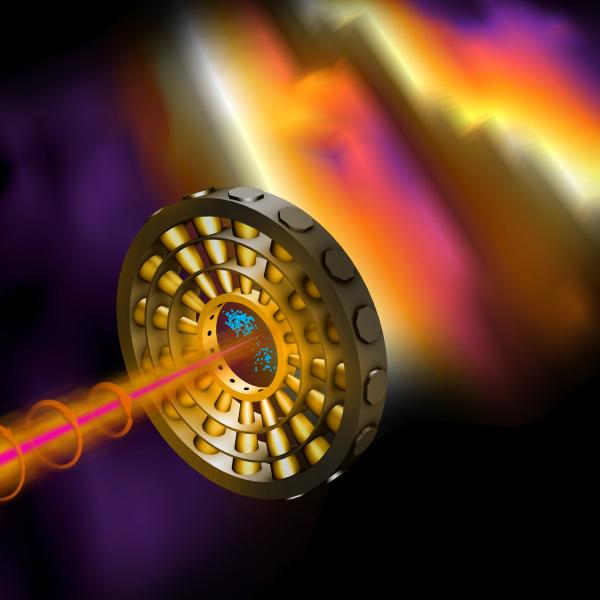
When it comes to making molecular movies, producing the world’s fastest X-ray pulses is only half the battle. A new technique reveals details about...

Illustration of the LCSL "attoclock"
Feature

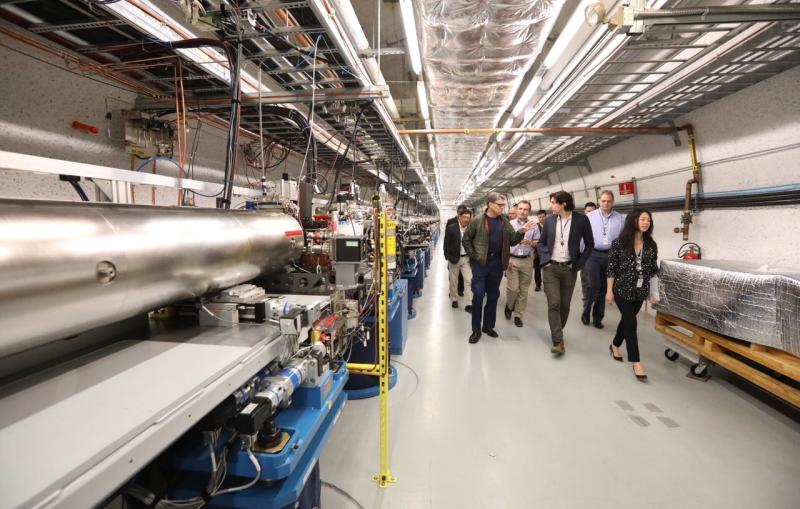
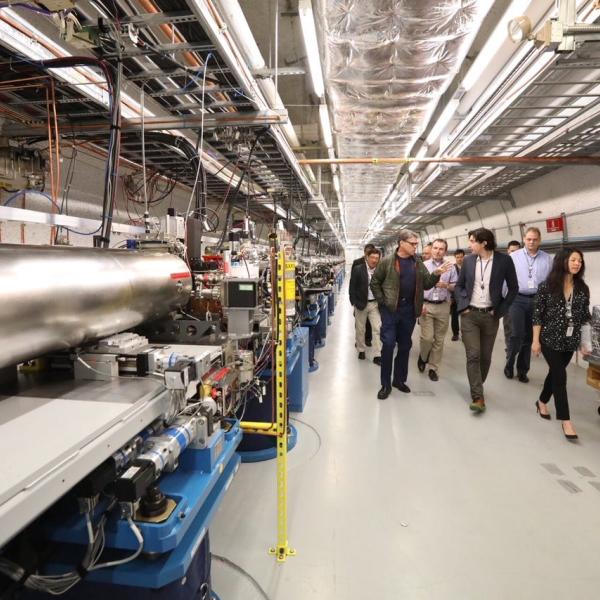
The DOE’s top official met with SLAC staff and toured the Linac Coherent Light Source X-ray laser, where a superconducting upgrade is underway.

Secretary of Energy Rick Perry at SLAC's LCLS undulator hall
Feature

The professor at University of California, Davis, describes his innovative work at SLAC’s synchrotron to search for simple, selective catalysts.

Portrait of Bruce Gates
Feature

With X-ray imaging at SLAC’s synchrotron, scientists uncovered a 6th century translation of a book by the Greek-Roman doctor Galen. The words had been...

hands holding an old book page in front of synchrotron X-ray imaging equipment
Feature

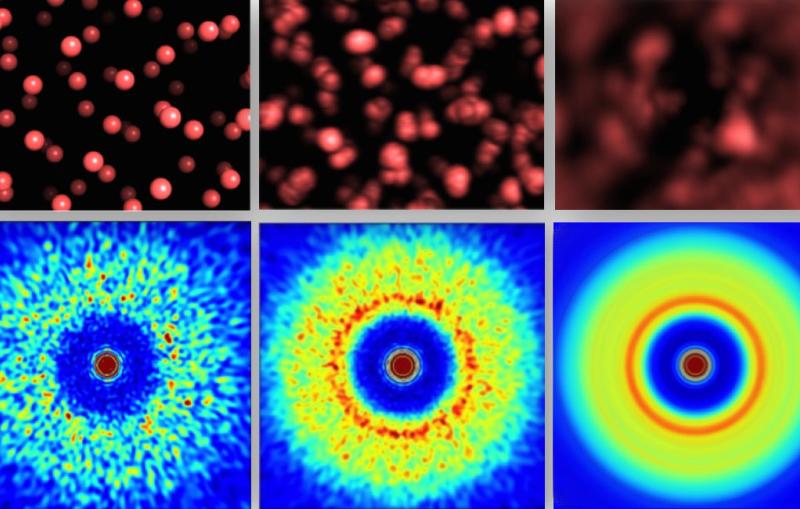
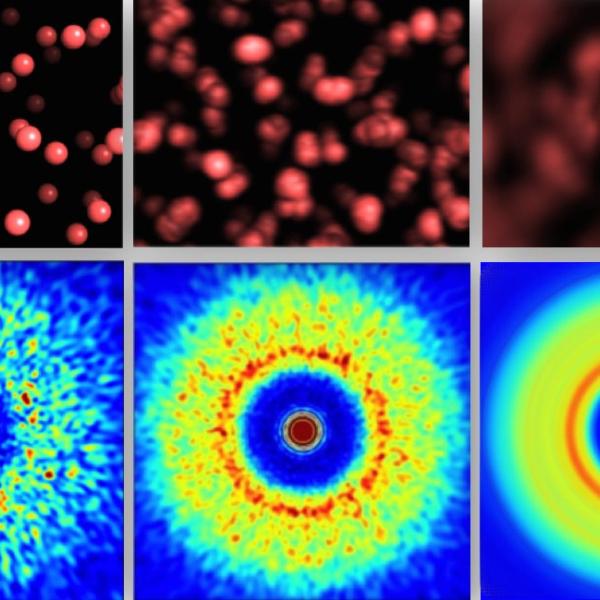
Using SLAC’s X-ray laser, researchers have made detailed 3-D images of nanoscale biology, with future applications in the study of air pollution, combustion and...

Colorful image formed from multiple X-ray diffraction patterns.
Feature

Streamlining their journey through the electrolyte could help lithium-ion batteries charge faster.

Illustration of molecular layers in battery electrolyte
Feature

The goal of these X-ray studies is to find ways to improve manufacturing of specialized metal parts for the aerospace, aircraft, automotive and healthcare...

A metal 3-D printed sample.
Feature

Combining X-ray and electron data from two cutting-edge SLAC instruments, researchers make the first observation of the rapid atomic response of iron-platinum nanoparticles to...

ultrafast electron diffraction on iron-platinum
Feature

Unique device will create bunches of electrons to stimulate million-per-second X-ray pulses for LCLS-II.

Feature

The 40-foot-long segment of the new superconducting accelerator arrived on January 19, 2018 after a cross-country trip from Fermilab.

News Release

The first cryomodule has arrived at SLAC. Linked together and chilled to nearly absolute zero, 37 of these segments will accelerate electrons to almost...

A worker unveiling a cryomodule on a truck.
Feature

As members of the lab’s Computer Science Division, they develop the tools needed to handle ginormous data volumes produced by the next generation of...

SLAC Computer Science Team