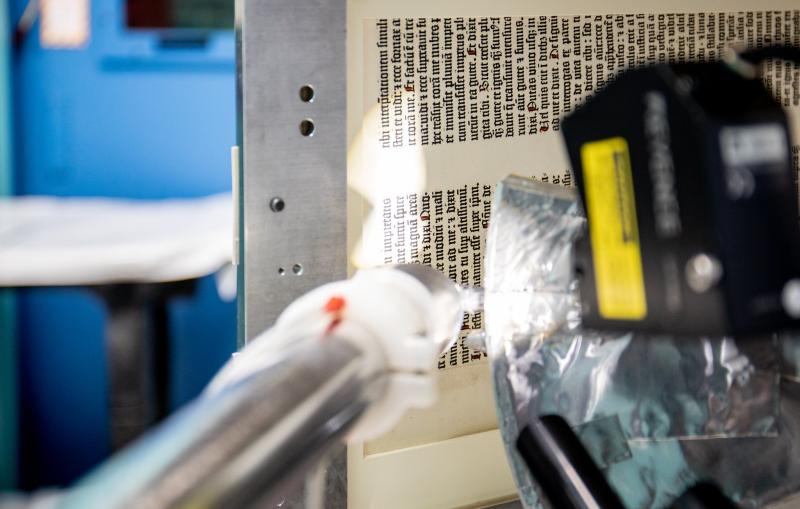
A page of the Gutenberg Bible from 1450-1455 AD is prepped before being scanned at SSRL beamline 7-2.
(Jacqueline Ramseyer Orrell/SLAC National Accelerator Laboratory)
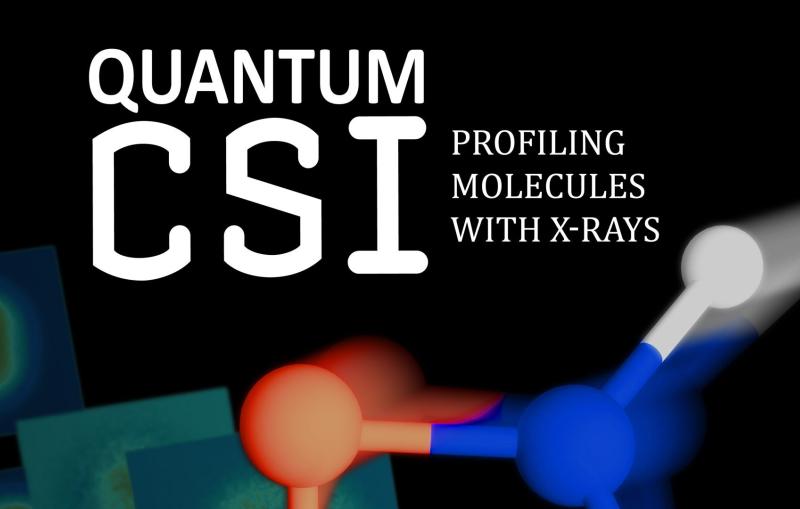
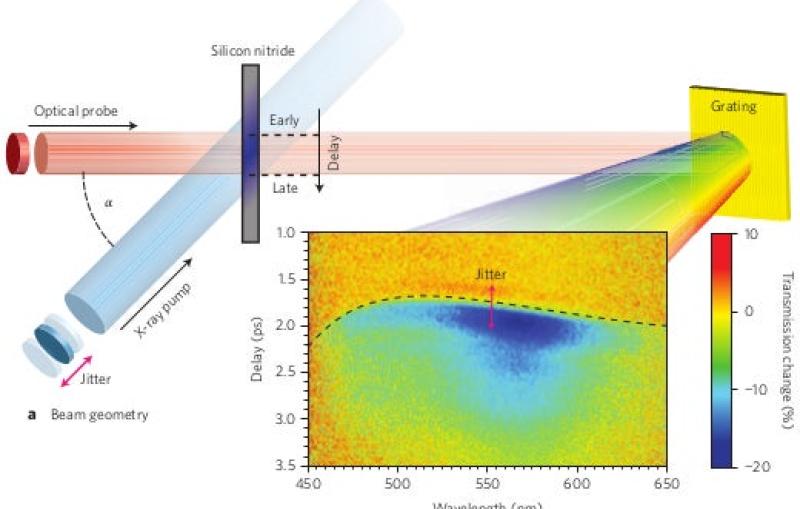
In this lecture, SLAC’s Ryan Coffee explains how researchers are beginning to use pattern recognition and machine learning to study chemical reactions at the...
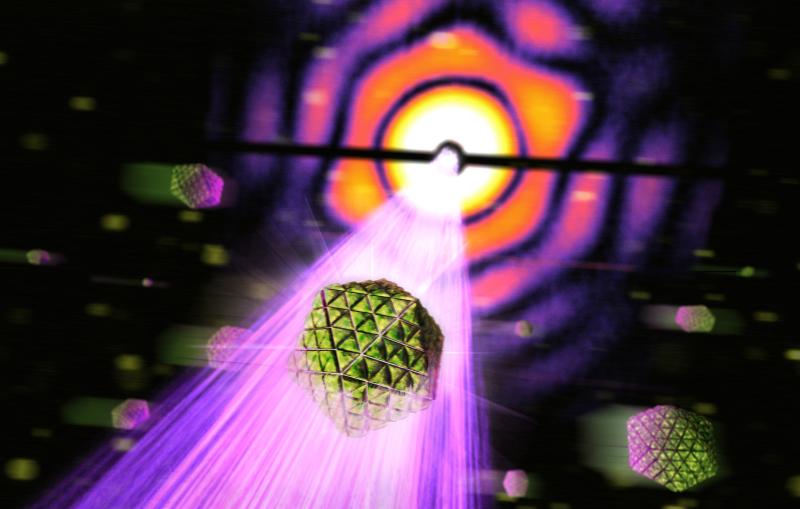
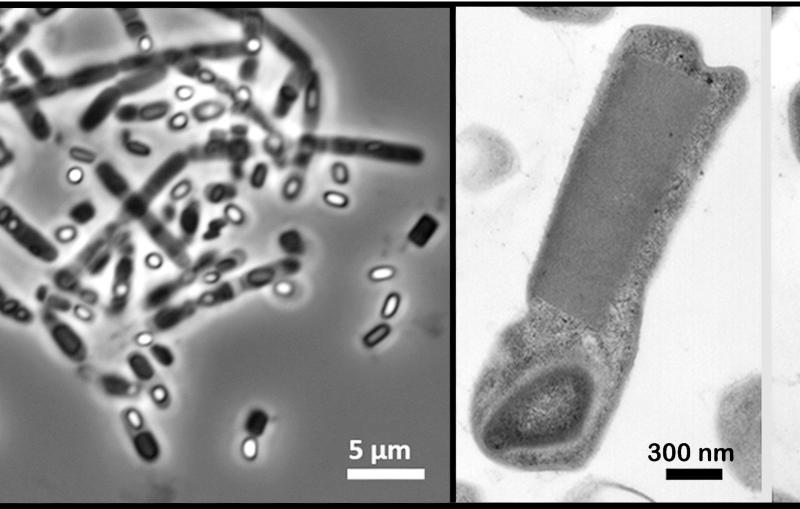
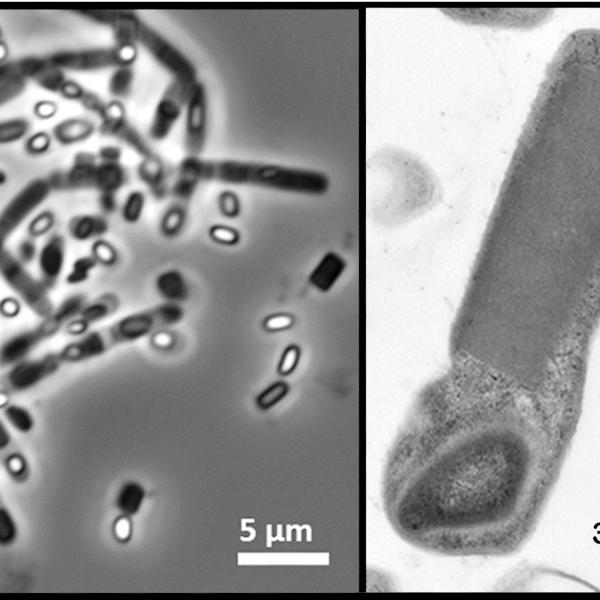
Scientists have used SLAC’s X-ray laser to produce detailed images of tiny cellular structures that play a major role in Earth’s life-sustaining carbon cycle.
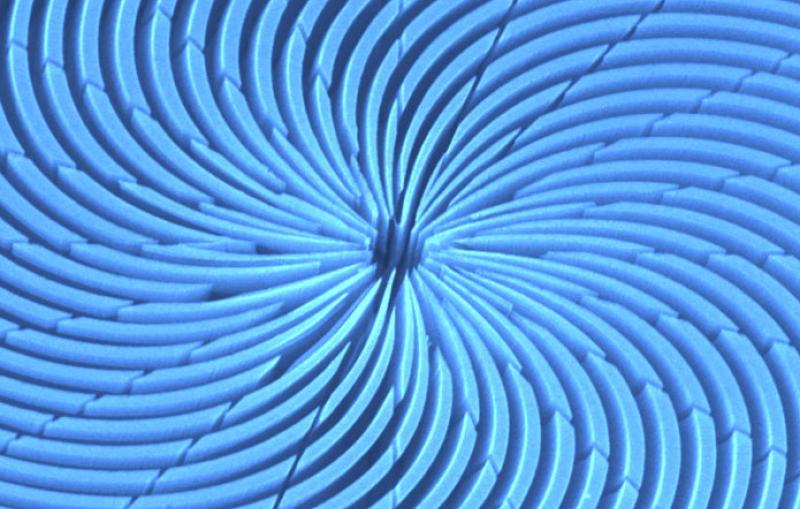
SLAC's Siegfried Glenzer has been selected to receive an Ernest Orlando Lawrence Award, presented by the U.S. Secretary of Energy to honor scientists across...
In this lecture, SLAC’s Ryan Coffee explains how researchers are beginning to use pattern recognition and machine learning to study chemical reactions at the level of atoms and molecules with the LCLS X-ray laser.
Scientists have used SLAC’s X-ray laser to produce detailed images of tiny cellular structures that play a major role in Earth’s life-sustaining carbon cycle.
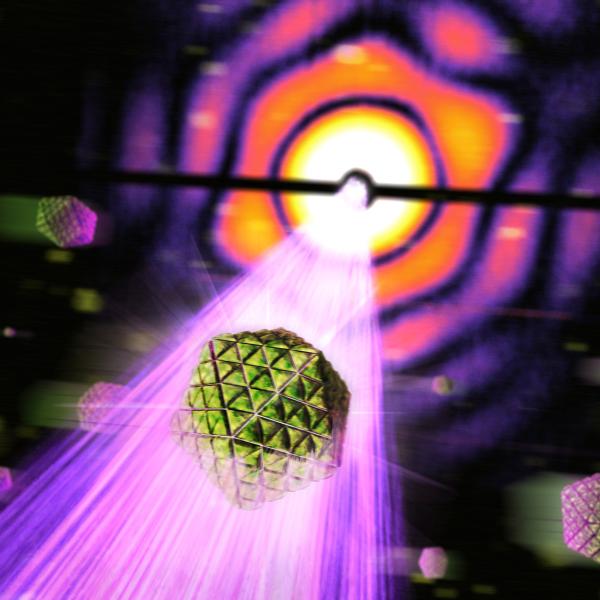
Even in their infancy, X-ray lasers such as SLAC's Linac Coherent Light Source are notching a list of important discoveries, and a special issue of a scientific journal highlights their unique contributions to biological sciences.
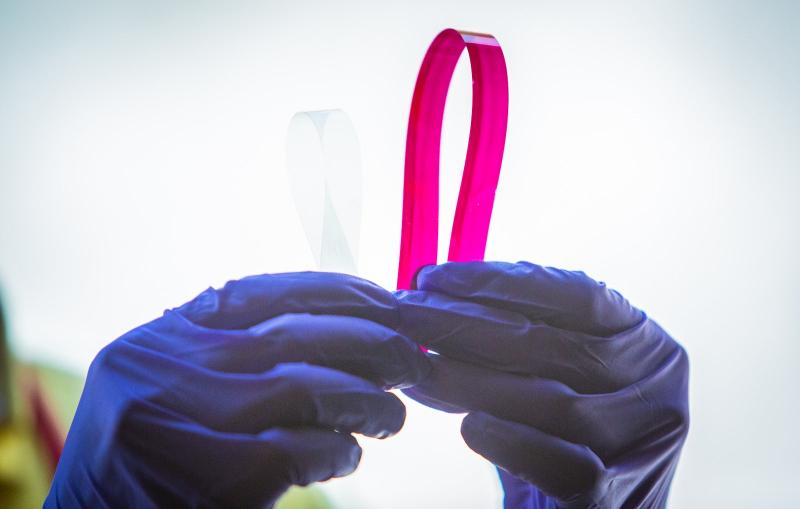
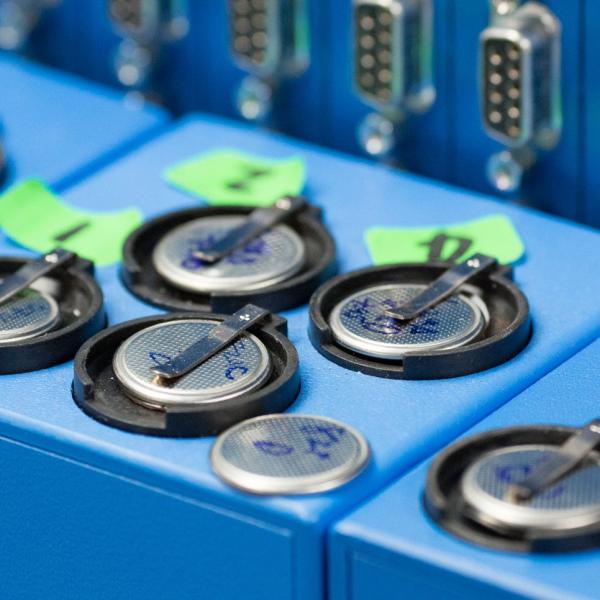
Rolls-Royce researchers came to SLAC earlier this month as part of a team testing titanium and its alloys, such as those used in engine parts, landing gear and other aircraft components
SLAC's Siegfried Glenzer has been selected to receive an Ernest Orlando Lawrence Award, presented by the U.S. Secretary of Energy to honor scientists across a range of fields.
Five years ago, the brightest source of X-rays on the planet lit up at SLAC. The Linac Coherent Light Source (LCLS) X-ray laser's scientific and technical progress since its momentous "first light" have been no less luminous, say those who...