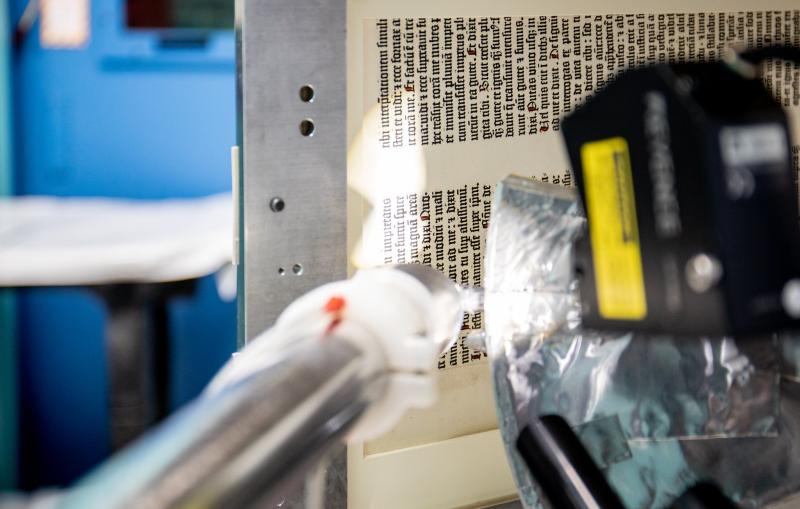
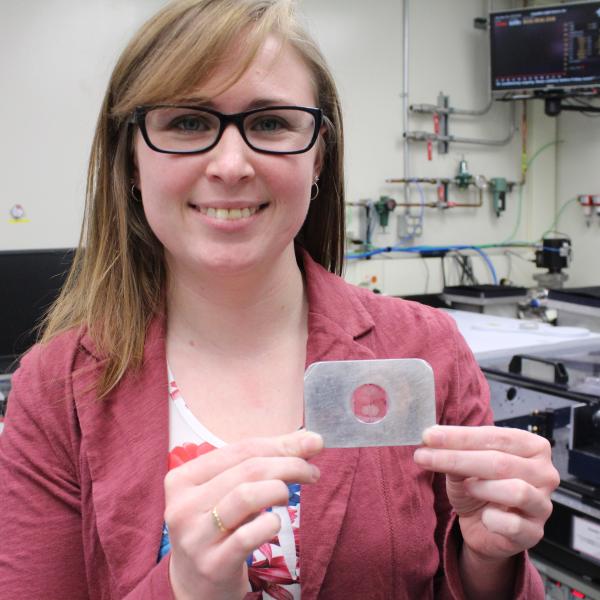
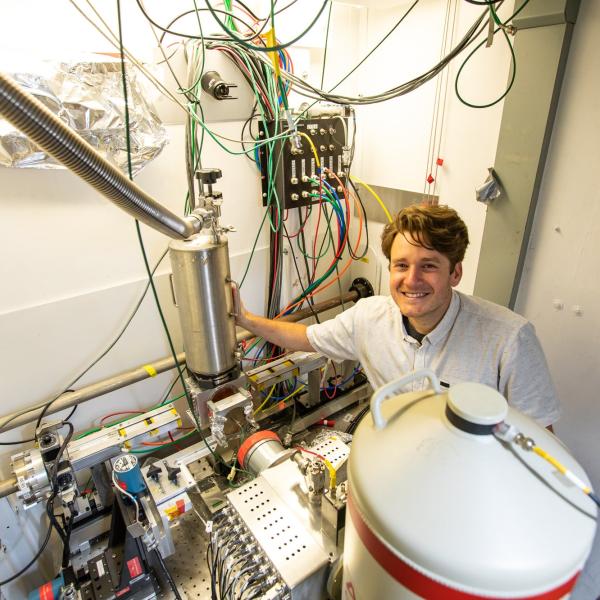
A page of the Gutenberg Bible from 1450-1455 AD is prepped before being scanned at SSRL beamline 7-2.
(Jacqueline Ramseyer Orrell/SLAC National Accelerator Laboratory)
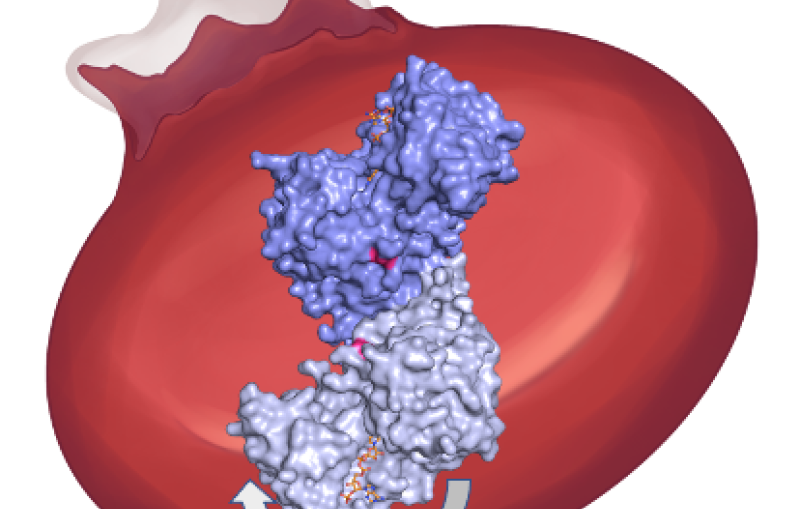
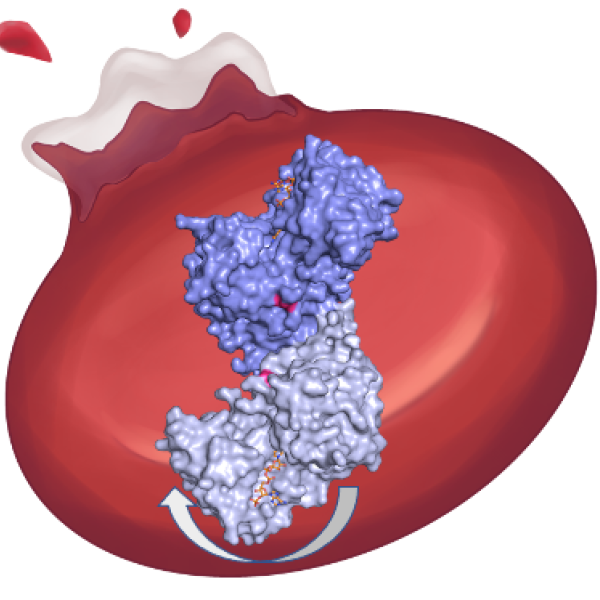
G6PD deficiency affects about 400M people worldwide and can pose serious health risks. Uncovering the causes of the most severe cases could finally lead...
Scientists at the Stanford Synchrotron Radiation Lightsource will study plastics and biologically-motivated processes that break them down in hopes of finding more efficient ways...
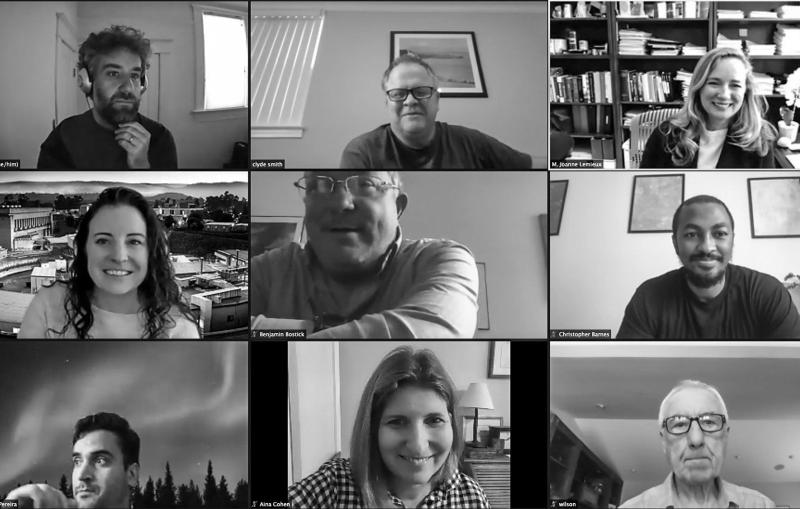
The annual conference for scientists who conduct research at SLAC’s light sources engaged more than 1,700 researchers in talks, workshops and discussions.
Using SLAC’s synchrotron, Summers improves fundamental knowledge of the role of copper in the brain and investigates treatments for Alzheimer’s disease.
In a new perspective, SLAC and University of Paderborn scientists argue that research at synchrotrons could help improve water-purifying materials in ways that might...
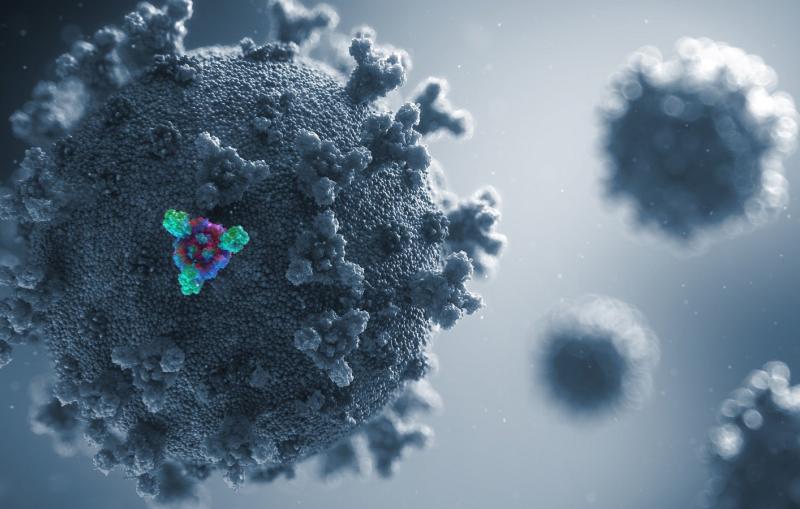
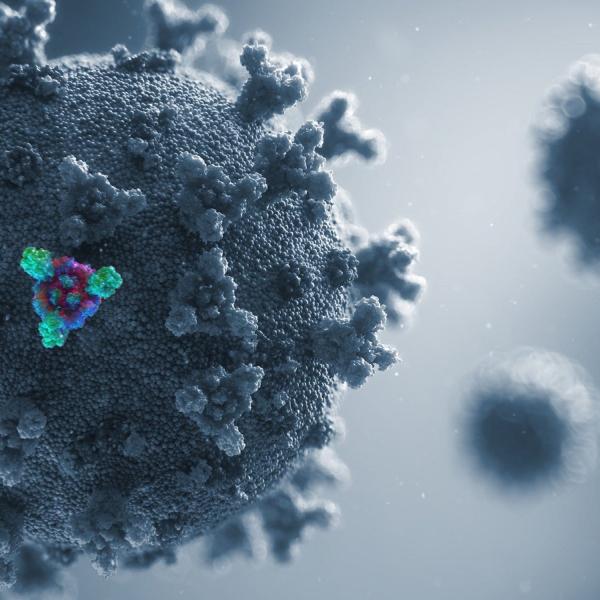
The lab is responding to the coronavirus crisis by imaging disease-related biomolecules, developing standards for reliable coronavirus testing and enabling other essential research.
G6PD deficiency affects about 400M people worldwide and can pose serious health risks. Uncovering the causes of the most severe cases could finally lead to treatments.
Scientists at the Stanford Synchrotron Radiation Lightsource will study plastics and biologically-motivated processes that break them down in hopes of finding more efficient ways to “upcycle” them.
The annual conference for scientists who conduct research at SLAC’s light sources engaged more than 1,700 researchers in talks, workshops and discussions.
Using SLAC’s synchrotron, Summers improves fundamental knowledge of the role of copper in the brain and investigates treatments for Alzheimer’s disease.
In a new perspective, SLAC and University of Paderborn scientists argue that research at synchrotrons could help improve water-purifying materials in ways that might not otherwise be possible.
The lab is responding to the coronavirus crisis by imaging disease-related biomolecules, developing standards for reliable coronavirus testing and enabling other essential research.