SLAC topics

Ultrafast science RSS feed

SLAC is the world’s leading center for developing “ultrafast” X-ray, laser and electron beams that allow us to see atoms and molecules moving in just millionths of a billionth of a second. We can even create stop-action movies of these tiny events.

Related Links:
DOE explains...Ultrafast science

Browse tagged content
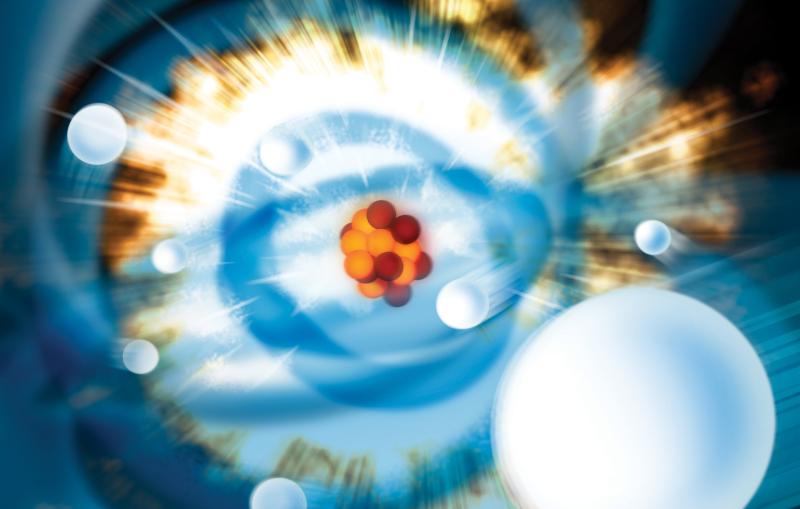
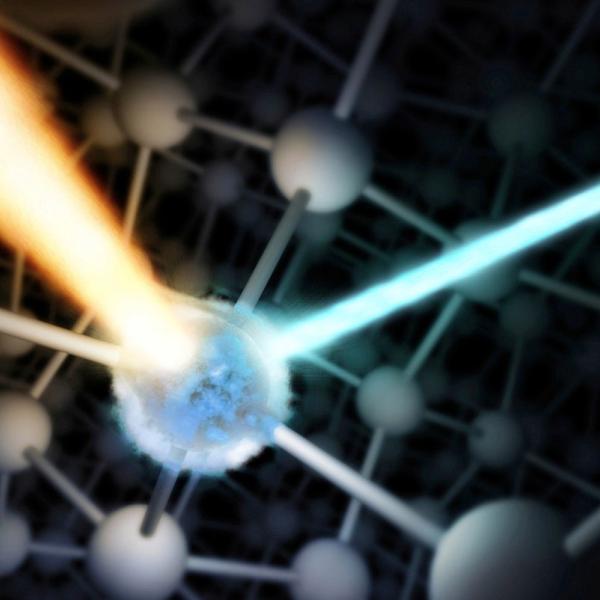
This illustration shows how the first experiment at SLAC's Linac Coherent Light Source X-ray laser stripped away electrons from neon atoms. (SLAC National Accelerator Laboratory)
News Release

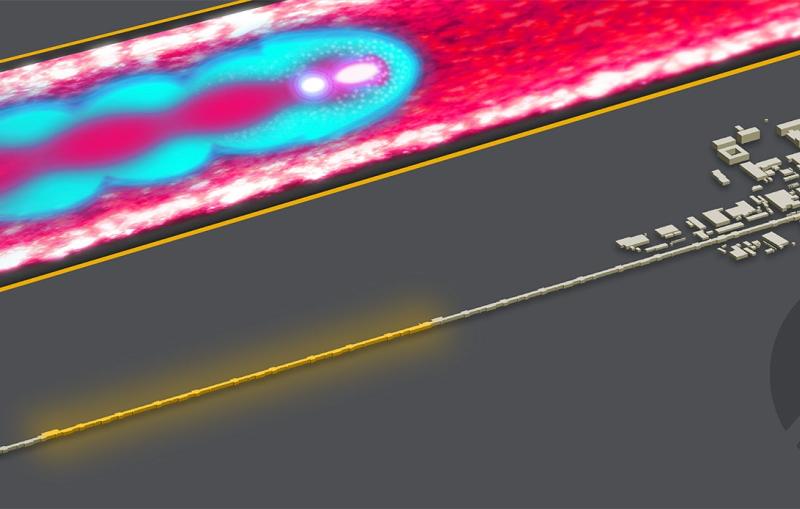
FACET-II will pave the way for a future generation of particle colliders and powerful light sources, opening avenues in high-energy physics, medicine, and materials...

FACET-II

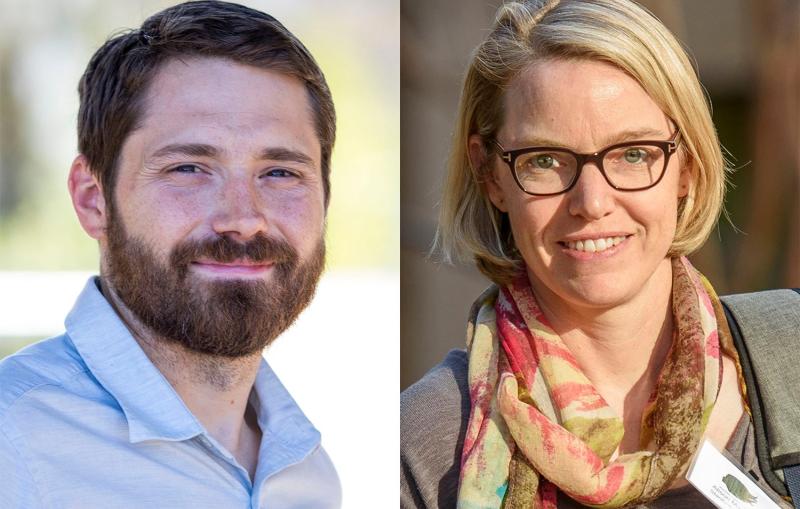
Cryan is an investigator with the Stanford PULSE Institute at SLAC, while Marsden is an associate professor of pediatrics and of bioengineering at Stanford.

Portrait of James Cryan and Alison Marsden
News Brief

Institute of Electrical and Electronics Engineers recognizes his contributions to developing electron beams that power unique ‘electron cameras’ and could advance X-ray lasers.

Xijie Wang
News Brief

This leap in capability will allow scientists to investigate quantum and chemical systems more directly than ever before.

SXU
Feature

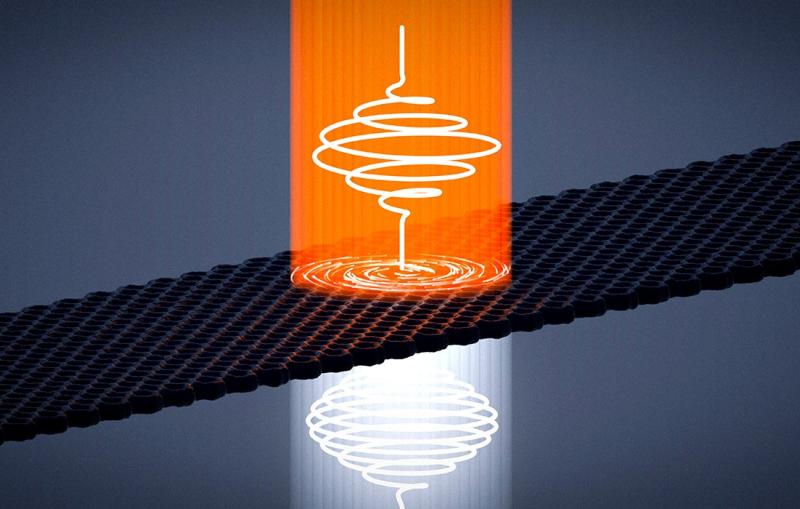
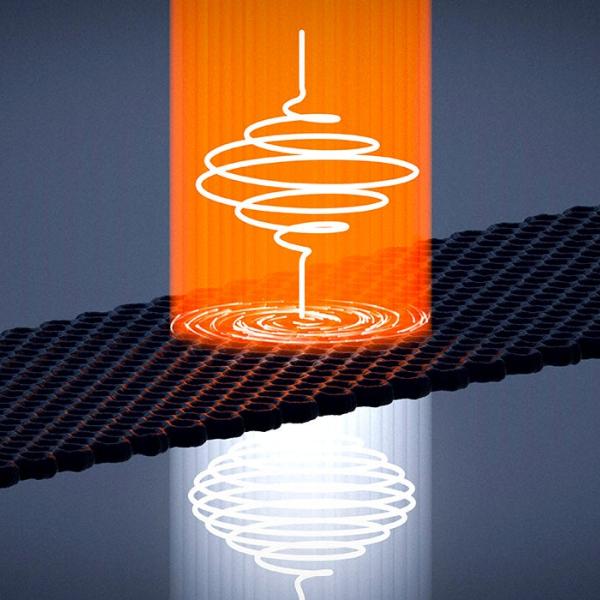
Researchers demonstrate a new ability to drive and track electronic motion, which is crucial to understanding the role of electrons in chemical processes and...

attoseconds
Feature

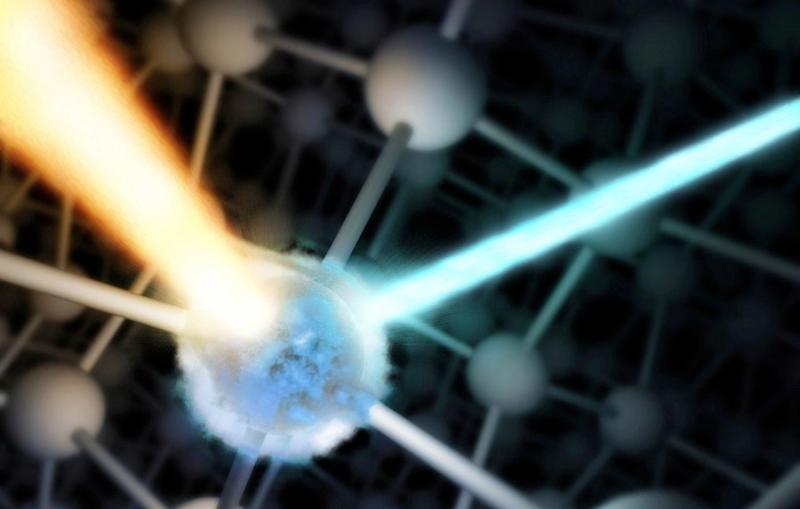
The technique could improve the efficiency of data collection and pave the way for new kinds of experiments.

undulatorhall
News Brief

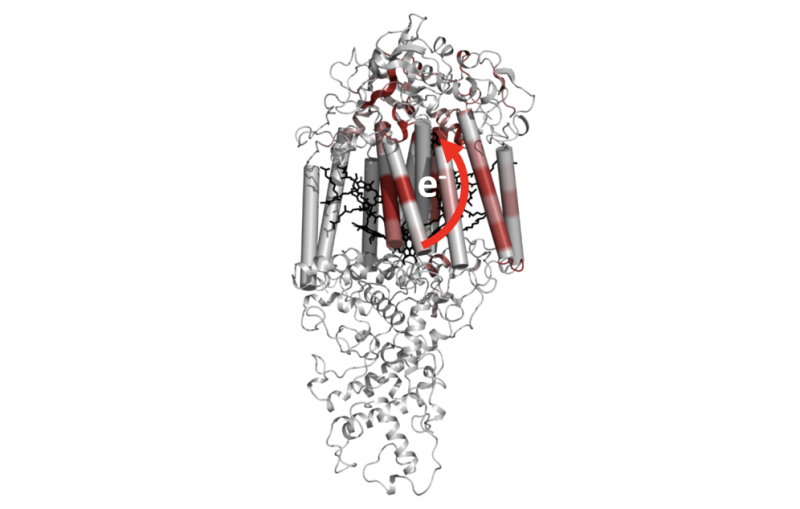
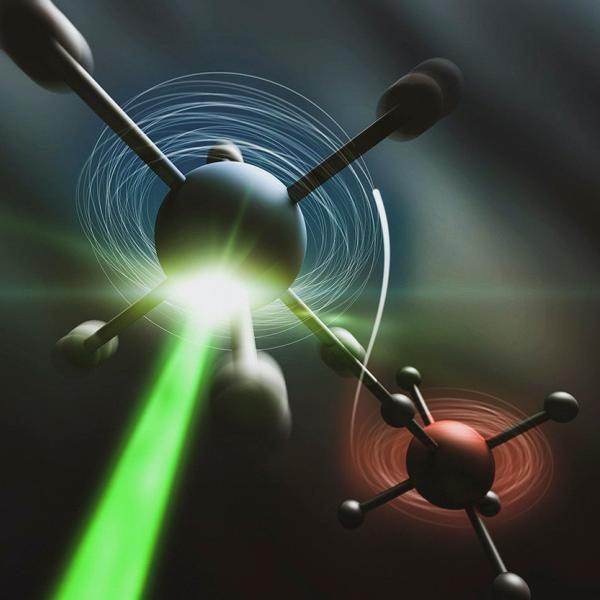
The technique they used will offer insight into many different chemical reactions.

hydroxyl radical
News Release

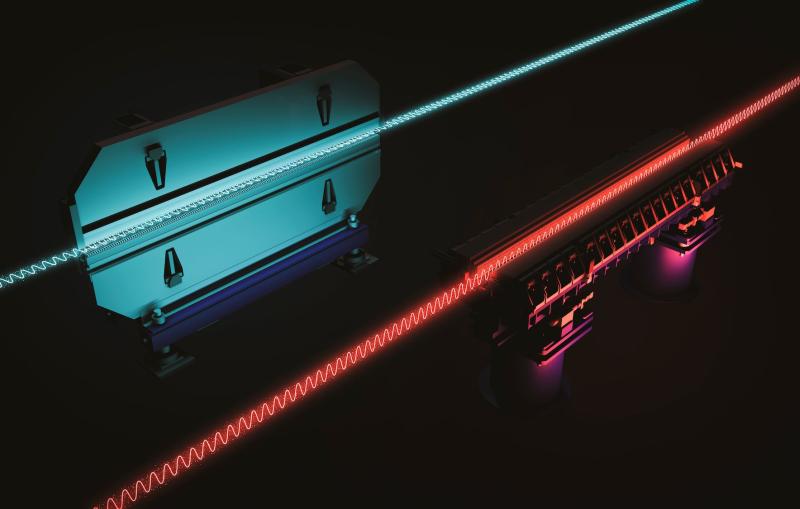
Marking the beginning of the LCLS-II era, the first phase of the major upgrade comes online.

New undulator hall
Feature

New research could offer insights into the formation of planets like Earth and inform the design of more resilient materials.

Iron impact header
Feature

A proposed device could expand the reach of X-ray lasers, opening new experimental avenues in biology, chemistry, materials science and physics.

x-ray laser oscillator
Feature

The prestigious awards provide at least $2.5 million over five years in support of their work in understanding photochemical reactions and improving accelerator beams.

SLAC staff scientists Amy Cordones-Hahn and Brendan O'Shea
Feature

It could offer insights into the evolution of planetary systems and guide scientists hoping to harness nuclear fusion as a new source of energy.

Scattered photons