SLAC topics

Ultrafast science RSS feed

SLAC is the world’s leading center for developing “ultrafast” X-ray, laser and electron beams that allow us to see atoms and molecules moving in just millionths of a billionth of a second. We can even create stop-action movies of these tiny events.

Related Links:
DOE explains...Ultrafast science

Browse tagged content
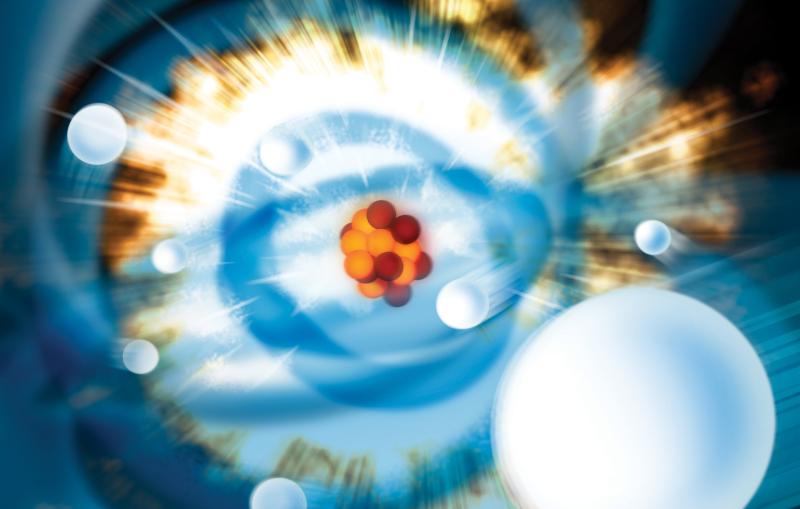
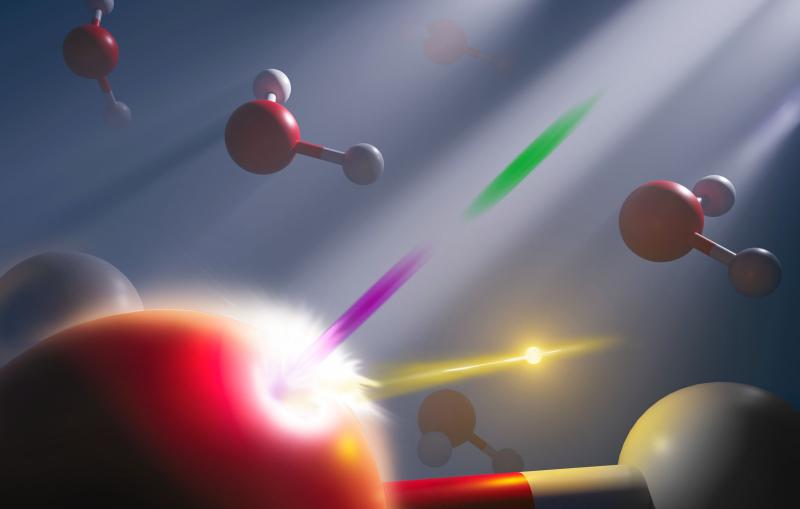
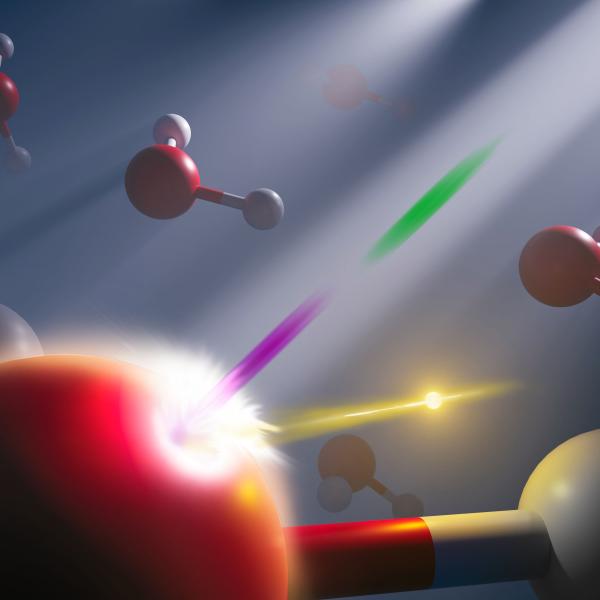
This illustration shows how the first experiment at SLAC's Linac Coherent Light Source X-ray laser stripped away electrons from neon atoms. (SLAC National Accelerator Laboratory)
Feature

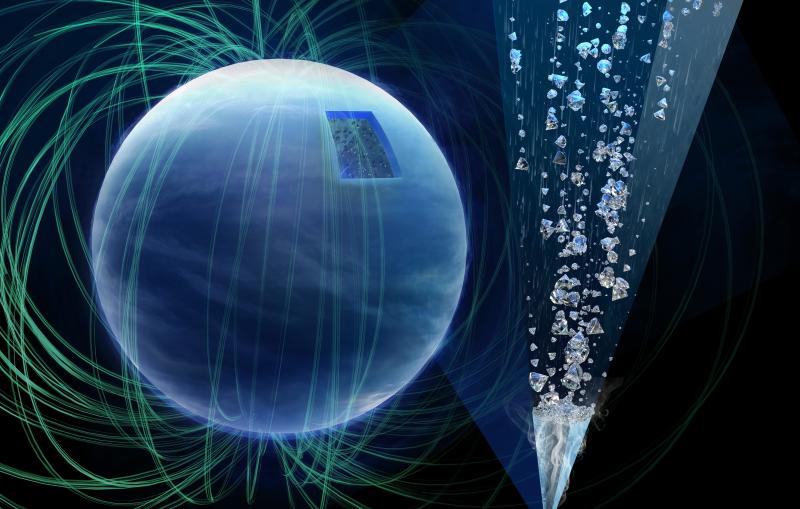
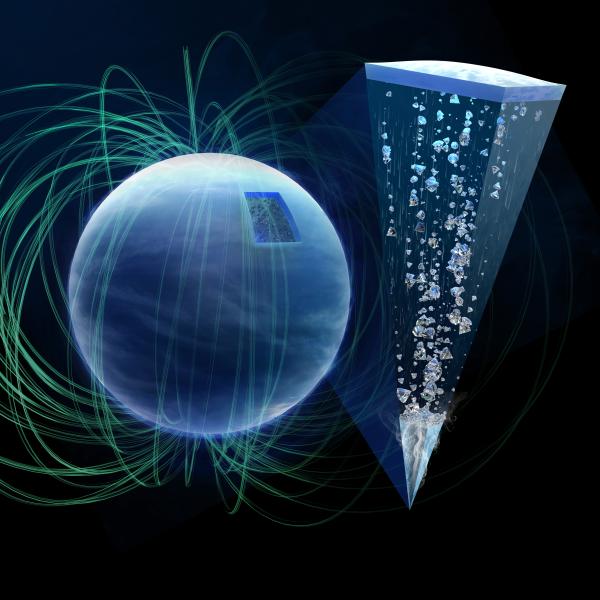
A new experiment suggests that this exotic precipitation forms at even lower pressures and temperatures than previously thought and could influence the unusual magnetic...

Diamond rain
Feature

Teams at SLAC installed new experimental hutches with cutting-edge instruments that will harness the upgraded facility’s new capabilities and expand the breadth of research...

SLAC's linac at sunrise, looking east.
Feature

LaserNetUS funding will allow scientists to explore fundamental plasma science and inertial fusion energy research and technology.

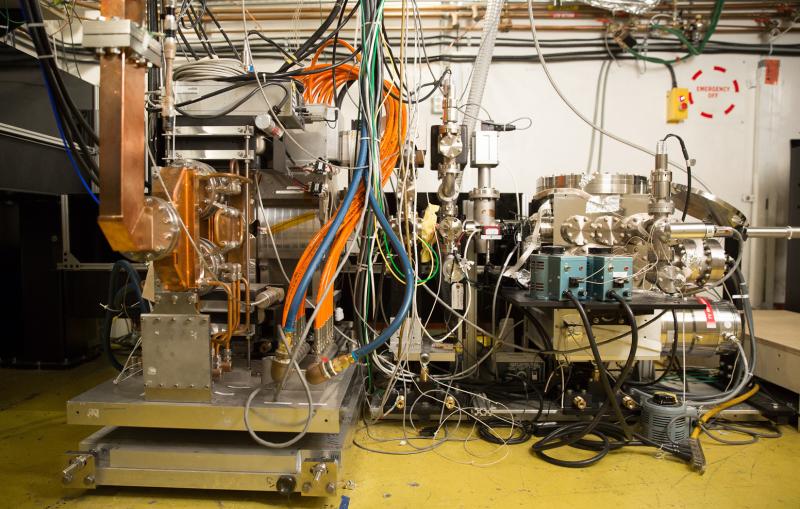
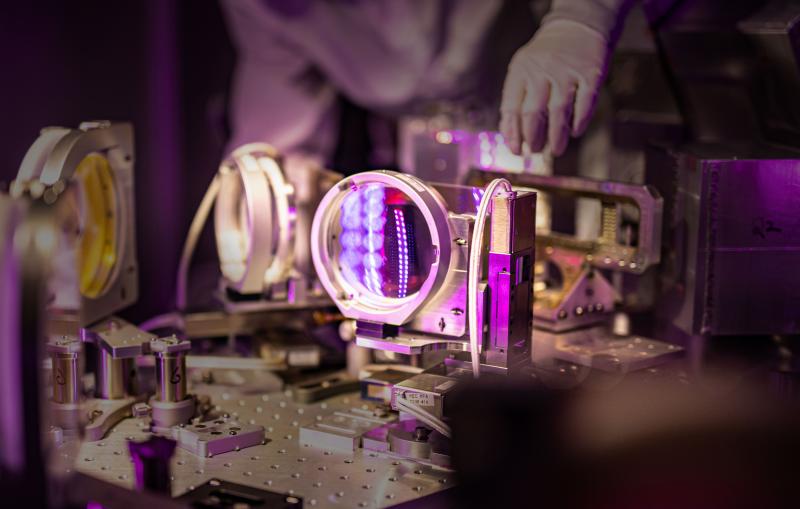
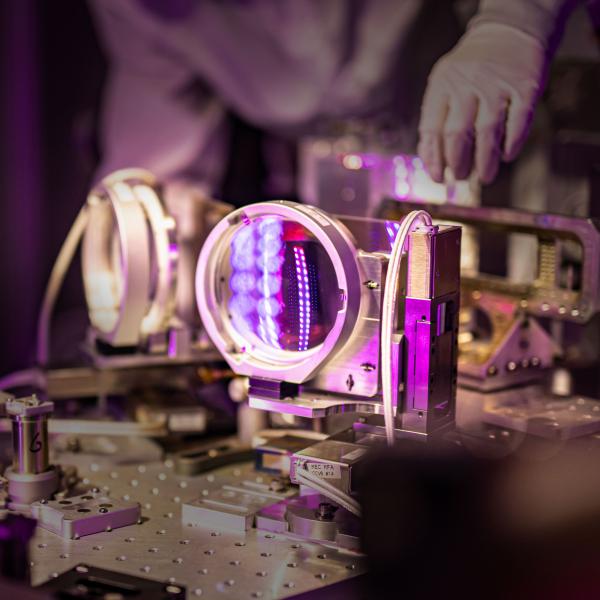
Matter in Extreme Conditions (MEC) Hutch 6, located in the LCLS Far Experimental Hall.
Feature

New research has implications for understanding Earth's evolution, interpreting unusual seismic signals and the study of exoplanets.

Illustration of earth with laser
Feature

The research reveals the potential for machine learning in understanding the complex behavior of quantum materials.

machine learning
Feature

An international team has uncovered details about the formation of DNA's building blocks, paving the way  for potential medical and therapeutic applications.

radical
Feature

Scientists developed a new method to unlock the secrets of RNA. The implications are wide-reaching, from better understanding diseases to designing new therapeutics. 

CXI hutch
Feature

A groundbreaking study shows defects spreading through diamond faster than the speed of sound 

Shocking a diamond with a high-power laser produced defects that propagated faster than the speed of sound.
News Brief

Scientists developed a groundbreaking technology that allows them to see sound waves and microscopic defects inside crystals, promising insights that connect ultrafast atomic motion...

CXI hutch
News Release

With up to a million X-ray flashes per second, 8,000 times more than its predecessor, it transforms the ability of scientists to explore atomic-scale...

LCLS-II first light
Feature

X-ray laser studies help researchers identify early steps in the freezing process to better understand how clouds make ice and their effect on climate.

supercooled water droplets
Feature

They used synthetic diamond crystals as mirrors to make X-ray pulses run laps inside a vacuum chamber, demonstrating a key process needed for future...

Two scientists in a control room full of computer monitors that allow them to adjust diamond mirrors in their CBXFEL experiment