SLAC topics

Ultrafast electron diffraction (UED) RSS feed

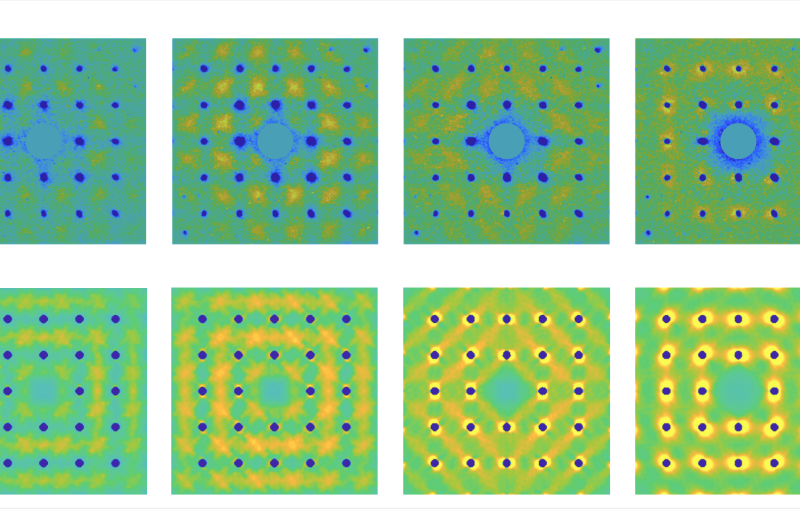
Ultrafast electron diffraction can reveal motions of electrons and atomic nuclei within molecules that take place in less than a tenth of a trillionth of a second – information that will benefit groundbreaking research in materials science, chemistry and biology.

MeV-UED page on LCLS website

Browse tagged content

Scientists take first snapshots of ultrafast switching in a quantum electronic device.
News Brief

With a new method that could be extended to study Earth’s core and nuclear fusion, they identify and explain jumps in the electrical conductivity...

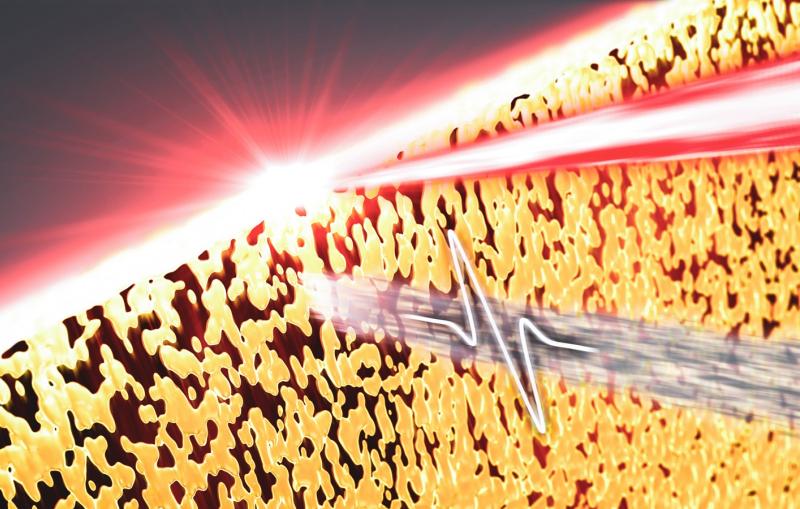
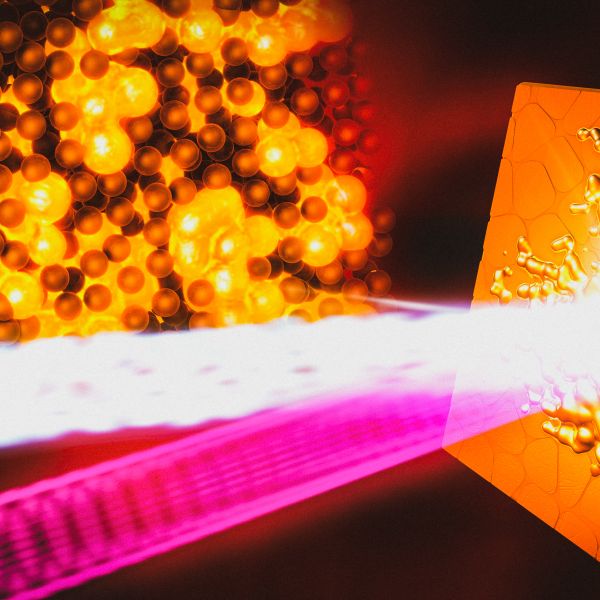
Illustration of a short laser pulse heating a sheet of aluminum, causing it to melt and break up into droplets.
Feature

The SLAC team is developing digital twins – powered by AI and high-performance computing – to help quickly shape high-quality particle beams for the...

hand pointing to digital twin
Feature

Ultrafast electrons at SLAC’s LCLS facility resolved the structural changes in a light-activated molecule to determine which simulations work best. 

Graphic representation of several molecules floating through space, circle of papers representing scientific results
Feature

In this Q&A, Arianna Gleason discusses the technologies needed to make commercialized fusion energy a reality and how SLAC is advancing this energy frontier. 

Headshot of Arianna Gleason with graphic representation of a laser shot
Feature

Researchers across the lab are developing AI tools to harness data and particle beams in real time and make molecular movies, speeding up the...

Graphic of AI in several science areas
News Brief

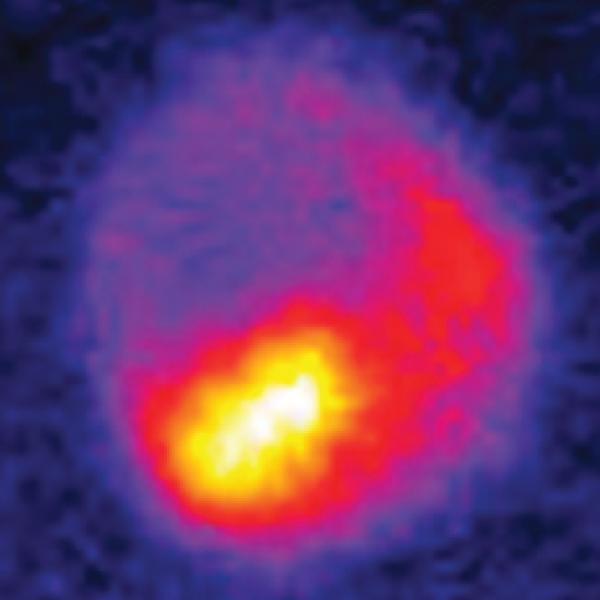
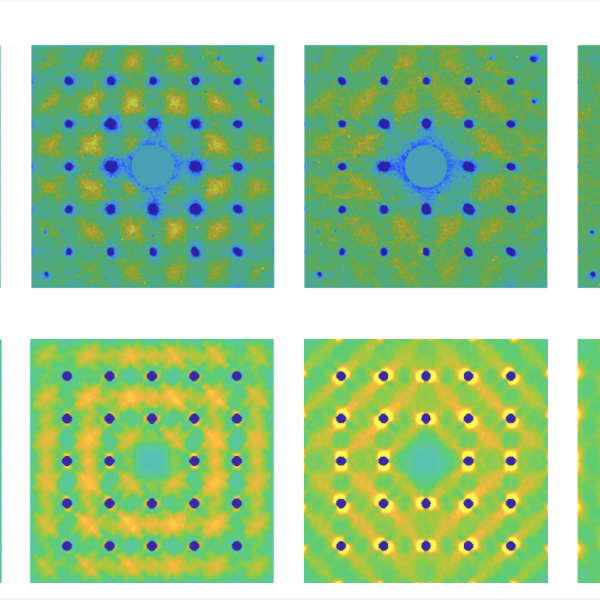
A study reveals an ultrathin material’s ability to circularly polarize light, potentially informing how they work in optoelectronic devices.

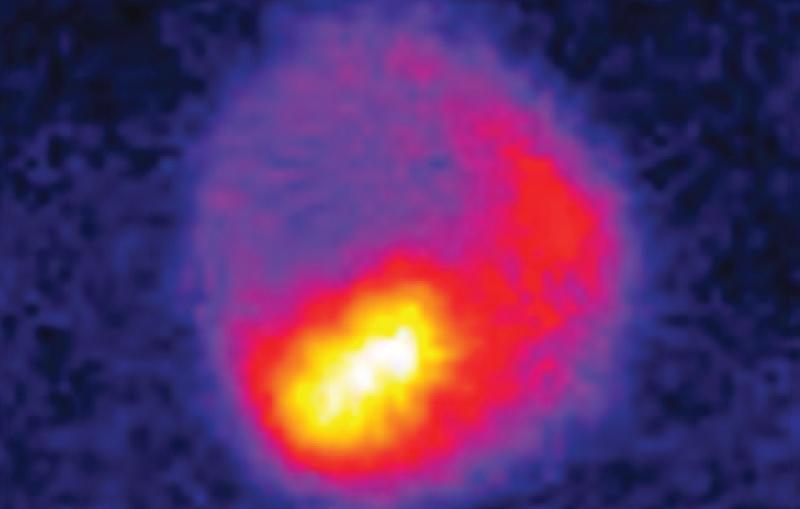
Image from SLAC's high-speed electron camera showing circular polarization of terahertz light.
Feature

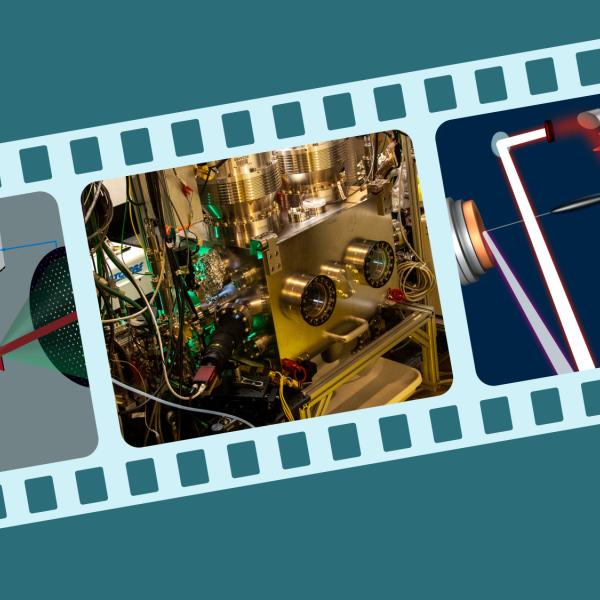
Improvements to the lab’s “electron camera” use AI and “time stamping” to help reveal nature’s speedy processes more accurately. 

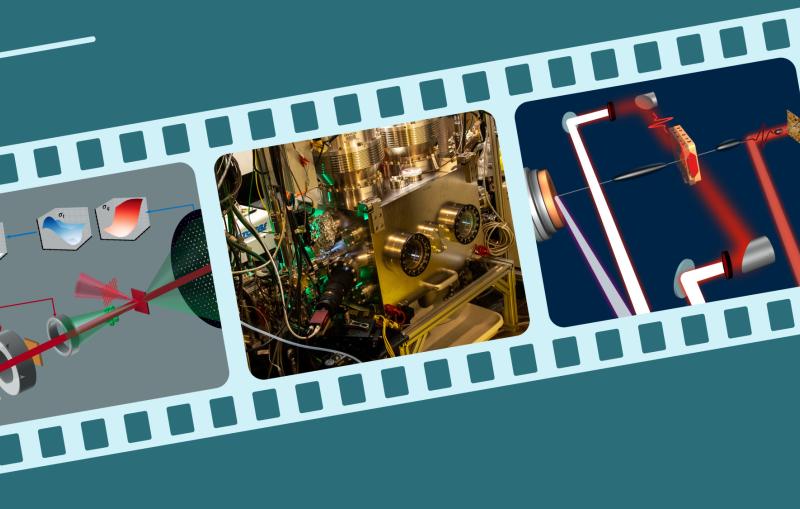
Film strip showing images of the MeV-UED, experimental setups and graphics.
Feature

Researchers have uncovered new insights about tungsten's ability to conduct heat, which could lead to materials advancements for fusion reactor and aerospace technologies.

tungsten
News Brief

The results  could lead to a better understanding of reactions with vital roles in chemistry and biology. 

MeV-UED
Feature

The results should further our understanding of similar reactions with vital roles in chemistry, such as the production of vitamin D in our bodies.

UED transition state
Feature

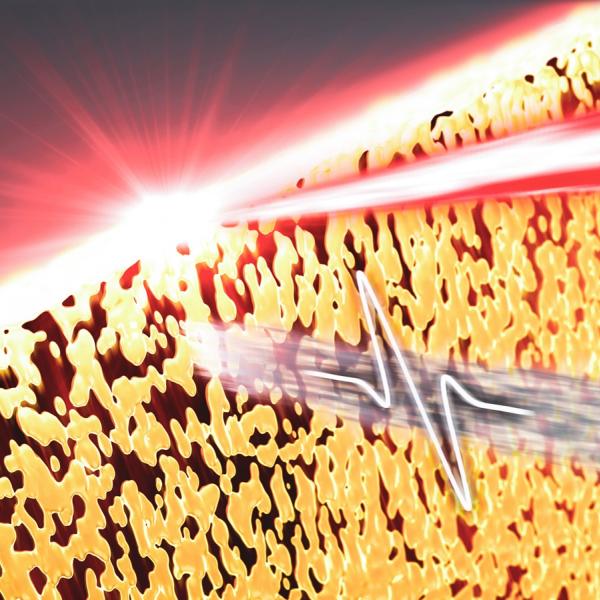
A laser compressing an aluminum crystal provides a clearer view of a material’s plastic deformation, potentially leading to the design of stronger nuclear fusion...

an abstract illustration of rippling waves made of shining dots
Feature

The results could lead to a better understanding of reactions with vital roles in chemistry and biology.

UED conformers